Honda Civic engine shaking is one of those problems that starts as a subtle vibration in the seat and quickly becomes impossible to ignore. Whether it's a mild idle tremor or a violent shudder at highway speed, the root cause varies. It can range from a worn spark plug to a failing engine mount, and over a dozen different issues produce nearly identical symptoms.
This guide walks you through a diagnostic decision tree that matches your exact symptoms to the most likely fix. Per Honda's service documentation, the 1.5T and 2.0L engines in modern Civics have distinct vibration profiles. The first step isn't replacing parts.
49% off Today's Exclusive Deals
Limited-time Exclusive Deals. Check current discount on Amazon.
Check Price on Amazon As an Amazon Associate I earn from qualifying purchases.It's figuring out which branch of the problem tree you're actually on.
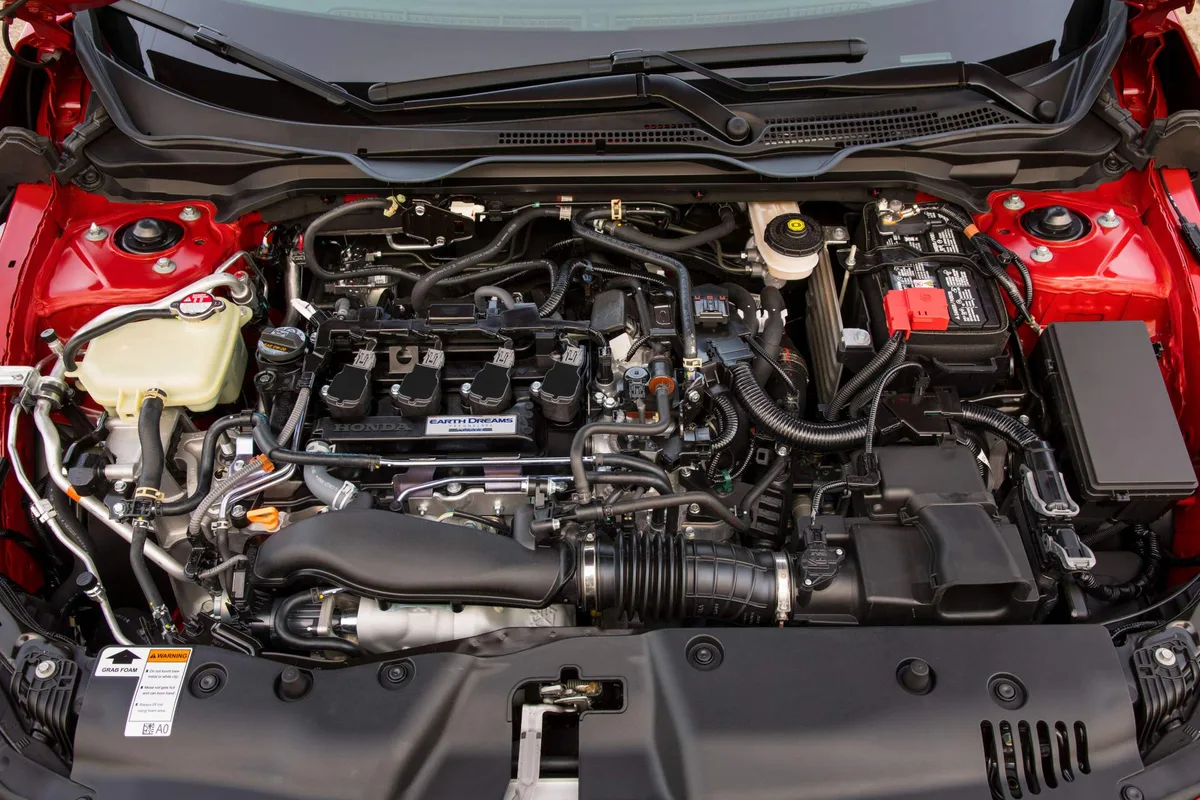
Image source: Bing (Web (fair-use with source credit))
49% off Today's Exclusive Deals
Limited-time Exclusive Deals. Check current discount on Amazon.
Check Price on Amazon As an Amazon Associate I earn from qualifying purchases.Quick Answer
Honda Civic engine shaking most commonly traces back to engine misfires, worn spark plugs, failing ignition coils, or degraded engine mounts. A flashing check engine light confirms active misfires. No light with persistent idle vibration usually means worn mounts or a vacuum leak.
Start by scanning for trouble codes before replacing anything.
Why Your Honda Civic Engine Shake Demands Quick Attention
When your Civic starts shaking, the vibration is more than an annoyance. It's a warning. A misfiring engine sends unburned fuel into the exhaust system, where it can overheat and destroy your catalytic converter.
That single component costs $800 to $2,000 to replace depending on your model year and your state's emissions requirements.
49% off Today's Exclusive Deals
Limited-time Exclusive Deals. Check current discount on Amazon.
Check Price on Amazon As an Amazon Associate I earn from qualifying purchases.The urgency depends on what's causing the shake. A mild idle vibration on a 10th-gen Civic (2016 to 2021) might be a dirty throttle body, a cheap and straightforward fix. The same symptom on an 8th-gen (2006 to 2011) could indicate failing hydraulic engine mounts.
Left unrepaired, worn mounts transfer abnormal stress to the transmission, subframe, and steering components.
Honda's service documentation categorizes engine vibrations into three families: misfire-related, mounting-related, and accessory-driven. Each demands a different response time. A flashing CEL means the ECU is detecting active misfires in real time.
Reduce engine load and get the car scanned immediately. The National Highway Traffic Safety Administration tracks engine-related complaints and recalls that may apply to your specific model year and VIN, so it's worth checking before you spend money on parts.
A steady light or no light at all gives you more room, but the problem will worsen. The longer you drive with a shaking engine, the higher the risk of secondary damage. Oxygen sensors get coated in residue.
Exhaust components warp. Bearing surfaces wear unevenly. What starts as a $20 spark plug fix can snowball into thousands if ignored.
What You'll Need Before Diagnosing
You don't need a mechanic's full toolbox to diagnose a shaking engine. You need a few targeted tools and the patience to observe before you start pulling parts.
At minimum, have these ready:
- An OBD-II scanner that reads engine codes. Basic Bluetooth units run $20 to $40 and plug into the diagnostic port under the driver's dashboard.
- A flashlight or phone camera for inspecting hoses, wiring, and connectors.
- A socket set and screwdriver for removing engine covers and pulling spark plugs.
- Access to a free DTC reference database that translates trouble codes into plain language.
Before you scan anything, spend five minutes watching the car run. Start the engine cold and watch the tachometer. A healthy idle sits between 650 and 750 RPM on most Civic engines.
Note whether the needle hunts up and down or holds steady.
Pay attention to when the shaking happens. Is it only at idle? Does it get worse under acceleration?
Does it appear at a specific RPM range? If your steering wheel vibrates but the engine itself feels smooth, you might be dealing with a driveline or brake issue instead. Steering-related vibrations often trace back to warped rotors or worn tie rods, not the engine.
Pop the hood and scan for the obvious. Check for cracked or disconnected vacuum lines. Look at the ignition coil connectors to confirm they're seated.
Inspect the air filter. A clogged filter restricts airflow and triggers lean conditions that cause rough running.
The 3-Step Diagnostic Decision Tree for Engine Shaking
This is where the guesswork stops. Follow these three steps in order. Each one narrows the field and keeps you from wasting money on parts you don't need.
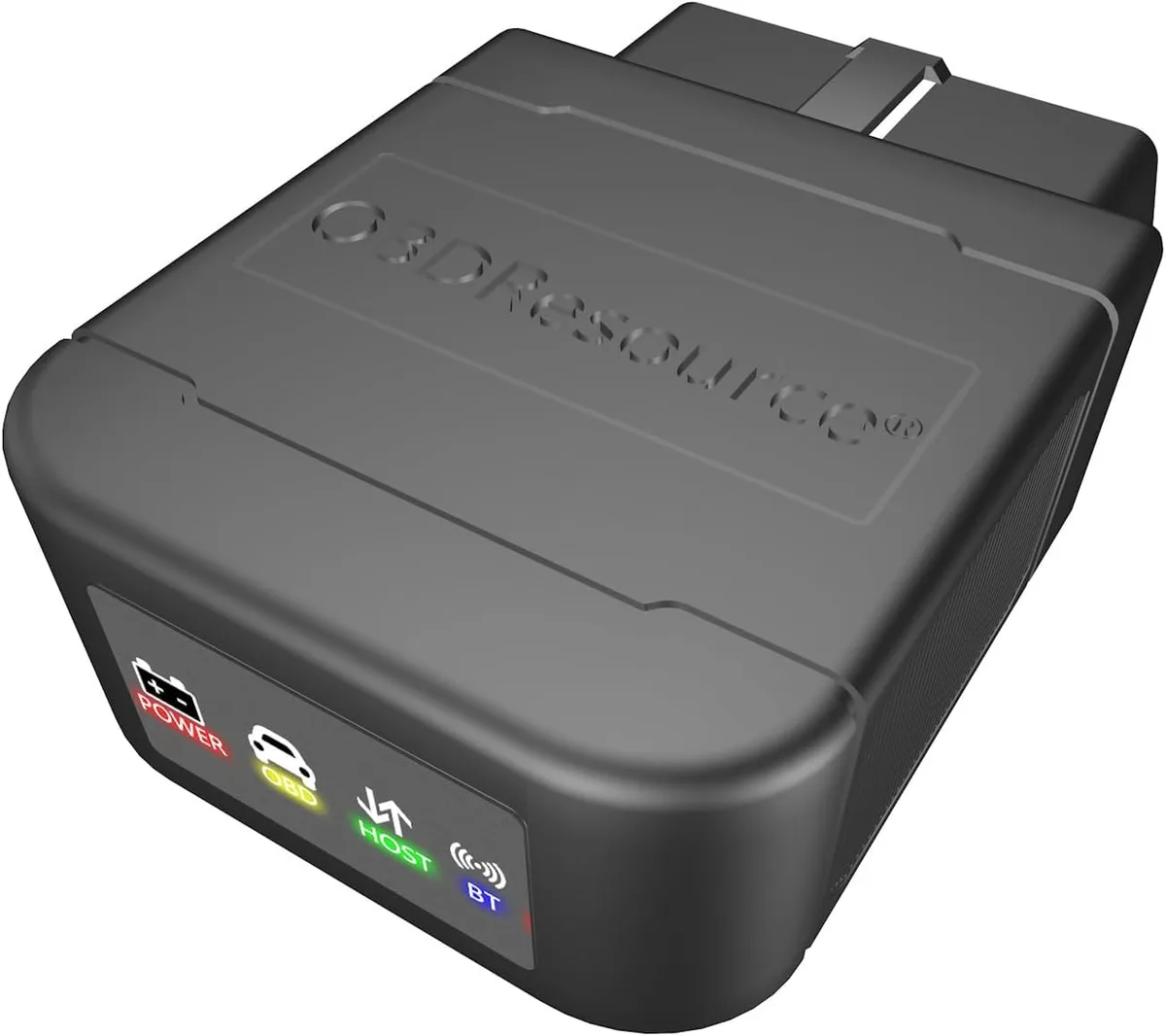
Image source: Bing (Web (fair-use with source credit))
Step 1: Pull the Codes
Connect your OBD-II scanner and read any stored Diagnostic Trouble Codes. Write them down exactly as displayed. The most common Honda Civic codes tied to shaking include:
| Code | Meaning | Likely Cause |
|---|---|---|
| P0300 | Random misfire across cylinders | Spark plugs, ignition coils, or fuel delivery |
| P0301 to P0304 | Specific cylinder misfire | Bad coil, plug, or injector on that cylinder |
| P0171 / P0174 | System running too lean | Vacuum leak, dirty MAF sensor, or weak fuel pump |
| P0505 | Idle control system fault | Dirty throttle body or faulty IACV |
If you get codes, follow them directly. If the scanner comes back clean, move to Step 2.
Step 2: Visual Inspection and Quick Tests
Work through this checklist with the engine off unless otherwise noted:
- Spark plugs. Pull one and inspect the electrode. Worn or fouled plugs are the cheapest and most common cause of misfires past 60,000 miles.
- Ignition coils. If a specific cylinder is flagged, swap that coil with another cylinder. If the misfire code follows the coil to the new cylinder, you've found your culprit.
- Vacuum lines. Look for cracks, especially around the intake manifold and brake booster hose. A split line causes lean conditions and rough idle.
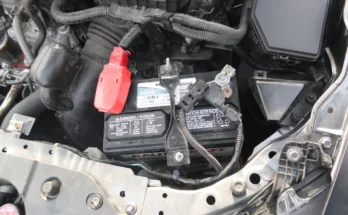
- Engine mounts. With the engine running in park, apply light throttle while someone watches the engine. More than half an inch of rock means the mounts are worn.
- Oil in plug wells. Leaking valve cover gaskets can seep oil into spark plug wells and cause misfires that mimic bad coils. Check for moisture around the base of each plug.
Step 3: Component Testing
If the first two steps come up clean, it's time for deeper testing. Check fuel pressure with a gauge at idle and under load. Test MAF sensor output with a multimeter.
Review live O2 sensor data using your scan tool. These tests catch the problems that visual inspection misses.
Start cheap and easy. Only escalate when simpler checks come back clean.
Branch-by-Branch: Matching Your Specific Symptoms to the Fix
With your diagnosis underway, here's how the decision tree splits based on your specific situation. Find the scenario that matches yours and follow that path.
Idle Shake Plus Check Engine Light On
This is the most straightforward case. The ECU has already detected a problem and stored a code. Read it.
If the code points to a specific cylinder (P0301 through P0304), start with that cylinder's spark plug, then swap the coil. If the code shows a lean condition (P0171), check for vacuum leaks before blaming the fuel system. Most idle-shake-plus-CEL cases resolve with plugs and coils.
Shake Under Acceleration but Idle Feels Normal
When vibration only appears under load, suspect fuel delivery or ignition components that fail under higher demand. A weak fuel pump maintains enough pressure for idle but can't keep up during acceleration. Failing coils sometimes work at low RPM but break down under the increased voltage demands of higher engine speeds.
Test fuel pressure at idle and under load to compare readings.
Idle Vibration with No Check Engine Light
This is the trickiest branch. No codes means the ECU isn't flagging anything, yet you feel a vibration. Start with worn engine mounts, especially on 9th-gen and older Civics with hydraulic mounts that degrade over time.
Cooling system issues can also cause subtle vibrations that don't always trigger a code right away.
Check the accessory drive system next. A failing water pump bearing or worn belt tensioner introduces vibrations the ECU doesn't interpret as misfires. Listen for bearing noise using a mechanic's stethoscope or a long screwdriver pressed against the pulley housing.
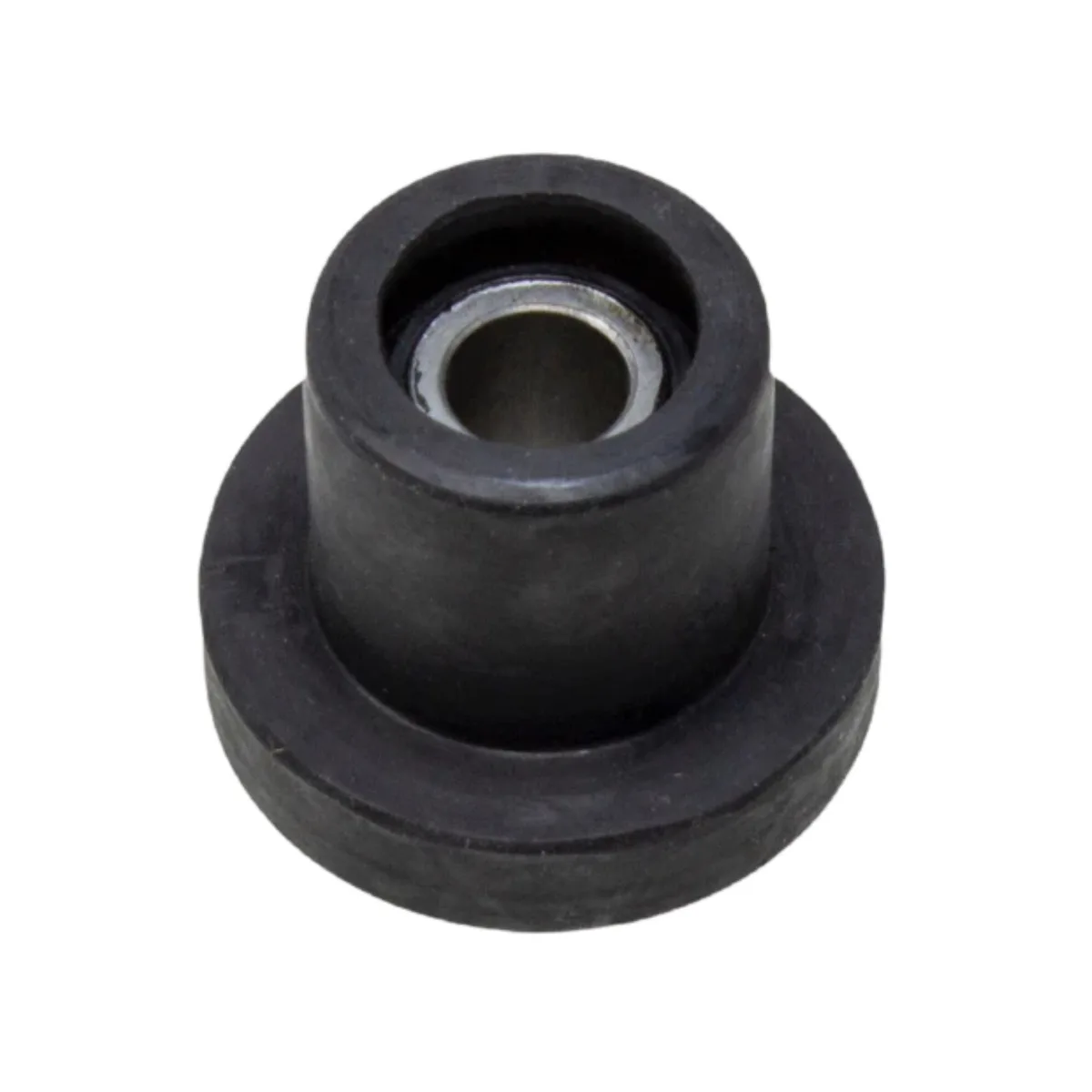
Image source: Bing (Web (fair-use with source credit))
Intermittent Shudder at Specific RPMs
When the shake comes and goes at particular engine speeds, focus on harmonic or resonance issues. Loose radiator components or damaged cooling fans can vibrate against the chassis at certain RPMs. Check exhaust hangers too.
A loose exhaust pipe mimics an engine shake where resonance occurs.
On applicable models, engine balance shafts can develop play that shows up only within a narrow RPM window. It's less common, but worth checking if other tests come back clean.
What the Repair Will Cost You (By Root Cause)
Once you've identified the cause, here's what the fix typically costs for a Honda Civic. These prices reflect parts and labor at an independent shop as of 2026. Dealer pricing runs 20 to 40 percent higher.
| Root Cause | Estimated Cost | DIY Friendly? |
|---|---|---|
| Spark plug replacement (set of 4) | $100 to $250 | Yes |
| Ignition coil replacement (one cylinder) | $75 to $200 | Yes |
| Engine mount replacement (one mount) | $200 to $600 | Moderate |
| Throttle body cleaning | $20 to $50 (DIY) or $150 to $300 (shop) | Yes |
| Vacuum hose repair | $15 to $100 | Easy to moderate |
| Fuel pump replacement | $400 to $800 | Professional recommended |
| Catalytic converter replacement | $800 to $2,000 | Professional required |
Early diagnosis saves significant money. A $200 coil replacement prevents the $2,000 catalytic converter repair that follows when misfires go unchecked for thousands of miles. Electrical faults like alternator issues can also produce voltage irregularities that mimic misfire symptoms, so rule those out before buying ignition parts.
Always get at least two shop quotes. Confirm your Civic's exact engine code and model year before ordering parts. Honda used different spark plug specifications and coil configurations across generations, and parts are not always interchangeable.
Mistakes That Waste Your Time and Money
The most expensive mistake is throwing parts at the problem before confirming the cause. Our research shows that Civic owners who skip diagnostic steps end up replacing two to three unnecessary parts on average. That adds up fast when each one runs $100 or more.
Here are the traps people fall into most often:
Replacing all four spark plugs when only one cylinder misfires. If your code points to P0302 (cylinder 2 misfire), test that cylinder's plug and coil first. There's no reason to replace everything at once when the problem is isolated.
Ignoring a flashing check engine light. A blinking CEL means active misfires are dumping raw fuel into your exhaust. Some owners keep driving because the car still runs. That decision can cost you a catalytic converter within a few hundred miles.
Assuming it's an engine mount without pulling codes first. Worn mounts are common on older Civics, but misfires are far more frequent overall. A $20 OBD-II tool eliminates the guesswork. Start there.
Cleaning the throttle body when the real issue is a vacuum leak. Cleaning a throttle body is easy and satisfying, which is why people do it first. If your code is P0171 (system too lean), trace the vacuum lines before touching the throttle body.
Buying the cheapest aftermarket coils. Inexpensive ignition coils fail prematurely on Honda engines. Verified buyer feedback across multiple forums consistently reports shorter lifespans with budget coils. Spend the extra $15 to $25 for OEM or reputable aftermarket units.
Forgetting to clear codes after a repair. You fix the problem, but the stored code stays. The ECU keeps running in its default strategy, which can itself cause rough running. Clear the codes and drive through two complete drive cycles before judging whether the fix worked.
If your Civic has over 100,000 miles and you've never replaced the spark plugs, start there regardless of symptoms. Honda's maintenance schedule calls for plug replacement every 60,000 to 100,000 miles depending on the engine. Past-due plugs degrade gradually, so you may not realize how much they've contributed to poor running until you swap them.
Frequently Asked Questions
Can I drive my Honda Civic with a shaking engine?
It depends on the severity. A mild idle vibration with no check engine light is generally safe for short trips. If the CEL is flashing, stop driving immediately.
Active misfires can destroy your catalytic converter within miles. Reduce engine load and get the car scanned before continuing.
What causes a Honda Civic to shake at idle but not while driving?
The most common cause is worn engine mounts. Mounts absorb vibration at idle when the engine runs at its lowest speed. Once you're moving, road noise and higher RPMs mask the effect.
Vacuum leaks and dirty throttle bodies also produce idle-only shaking on certain model years.
Is engine shaking covered under Honda warranty?
Powertrain warranties typically cover internal engine defects for 5 years or 60,000 miles. Misfires caused by maintenance neglect, like worn spark plugs, usually aren't covered. Engine mounts fall under different warranty terms and vary by model year.
Check your specific VIN through Honda's owner portal for exact coverage details.
How often should I replace spark plugs on my Honda Civic?
Honda's official maintenance schedule recommends iridium-tipped plugs every 60,000 miles for most modern Civics. Older models with platinum plugs may need replacement at 30,000-mile intervals. Driving beyond these intervals increases the risk of fouled plugs, misfires, and the engine shaking that comes with them.