A Mazda CX-5 radiator problem usually starts with one clear sign: the temperature gauge climbing toward red. This overheating issue can stem from several causes within the cooling system. The key is systematic diagnosis, not guesswork.
Your CX-5's cooling system holds about 7.0 liters of Mazda FL-22 coolant. The radiator combines an aluminum core with plastic end tanks, a common failure point. Let's walk through how to pinpoint the exact fault.

49% off Today's Exclusive Deals
Limited-time Exclusive Deals. Check current discount on Amazon.
Check Price on Amazon As an Amazon Associate I earn from qualifying purchases.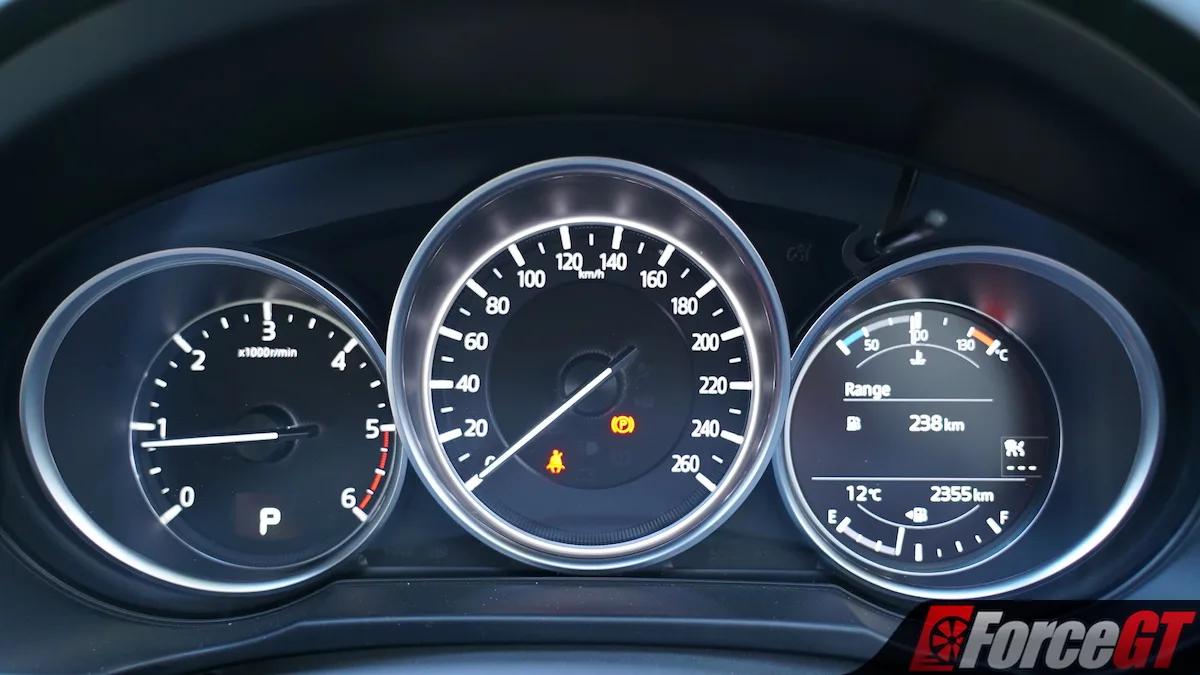
Image source: Bing (Web (fair-use with source credit))
Step 1: Identify Your Symptoms
First, categorize what your CX-5 is doing. The specific symptom points you toward the likely culprit. This initial triage saves hours of unnecessary work.
49% off Today's Exclusive Deals
Limited-time Exclusive Deals. Check current discount on Amazon.
Check Price on Amazon As an Amazon Associate I earn from qualifying purchases.Overheating Only in Traffic or at Idle:
If the temperature rises when stopped but normalizes on the highway, suspect the electric cooling fan. The fan pulls air through the radiator when natural airflow drops. A failed fan motor, bad relay, or blown fuse causes this exact scenario.
Overheating at All Speeds:
This suggests a more serious issue. The problem is likely a severe internal clog, a stuck-closed thermostat, or a major external leak causing low coolant. A Hyundai Tucson engine overheating issue shares similar symptoms, though the specific components differ.
49% off Today's Exclusive Deals
Limited-time Exclusive Deals. Check current discount on Amazon.
Check Price on Amazon As an Amazon Associate I earn from qualifying purchases.Sweet Smell or Visible Leak:
A syrupy, sweet odor from the engine bay signals leaking ethylene glycol coolant. Check under the car for green, orange, or pink drips. Common leak spots include hose connections, the radiator's plastic-aluminum seam, and the drain petcock.
Erratic Gauge or Cold Heater:
A temperature gauge that swings wildly or a heater blowing cold air often indicates trapped air in the cooling system. This happens after a coolant refill or repair. It can also point to a failing coolant temperature sensor that sends false data to the gauge and ECU.
Step 2: Walk Through the Diagnostic Workflow
Follow this logical order. Each step eliminates a possibility, moving you closer to the answer. Skipping steps leads to misdiagnosis and wasted money on parts you didn't need.
Visual Inspection (Engine Cold): Open the hood. Look for crusty residue (dried coolant) around hose clamps, radiator seams, and the water pump weep hole. Check the coolant reservoir level. Low fluid confirms a leak somewhere.
Pressure Test the System: This is the definitive test for leaks. A cooling system pressure tester attaches to the radiator or reservoir neck. Pump it to the rated pressure, typically 16 PSI. Steady pressure means no major external leaks. A dropping gauge pinpoints the leak as you listen and look.
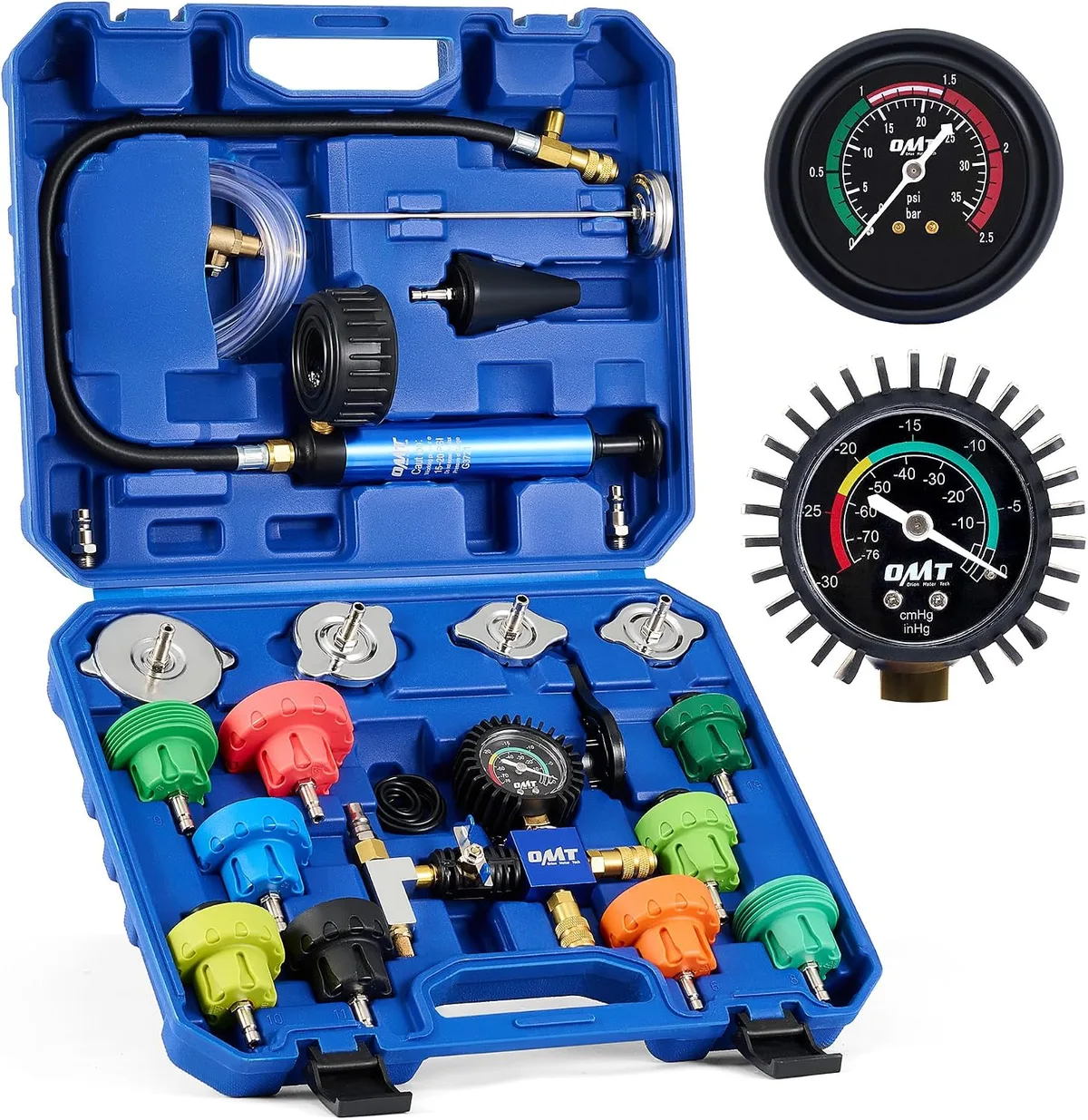
Image source: Bing (Web (fair-use with source credit))
Test the Electric Fan: Let the engine idle until it reaches normal operating temperature. The fan should cycle on automatically. If it doesn't, check the fuse and relay first. No power at the fan connector points to a wiring or ECU issue. Power present means a dead fan motor.
Check the Thermostat: Start with a cold engine. Touch the upper radiator hose. It should stay cool as the engine warms up. Once the thermostat opens (around 180-190°F), the hose gets hot. If it heats up immediately, the thermostat is stuck open. If the engine overheats while the hose stays cold, it's stuck closed.
Step 3: Diagnose the Fan, Thermostat, and Hoses
These are the most common failure points. They're also the easiest and cheapest to fix, which is why you check them before condemning the radiator.
Cooling Fan Relay and Fuse:
Your first five-minute check. The fuse box diagram in your owner's manual identifies the cooling fan fuse and relay. A blown fuse, or swapping with an identical relay from the fuse box, can instantly solve an overheating-in-traffic problem.
Radiator Hoses:
Squeeze them with the engine cold and off. A good hose feels firm but pliable. A mushy, swollen, or crunchy hose is failing.
Pay extra attention to the lower hose. It has an internal spring that can collapse under suction, restricting flow without any visible damage.
Water Pump:
A failing water pump often makes a whining or grinding noise. You might also see coolant dripping from its weep hole, a small port on the pump housing. Aggregate repair data indicates water pump replacement becomes common on CX-5s around 100,000 miles.
Coolant Temperature Sensor (ECT):
This small sensor tells the ECU and gauge the coolant's temperature. A faulty one causes erratic readings or overheating by preventing the fan from activating. It's a relatively inexpensive part to test.
If your CX-5 also shows a Hyundai Tucson check engine light style warning, a sensor fault is a strong possibility.
Step 4: Pinpoint a Radiator Leak or Internal Clog
If Steps 1-3 didn't solve it, the radiator is the prime suspect. The goal now is confirming whether it's leaking externally or clogged internally.
External Leak Diagnosis:
The most common failure is a crack in the plastic end tank. You'll see wetness or white mineral deposits along the seam where plastic meets aluminum. The pressure tester makes this obvious as coolant weeps or sprays from the crack under pressure.
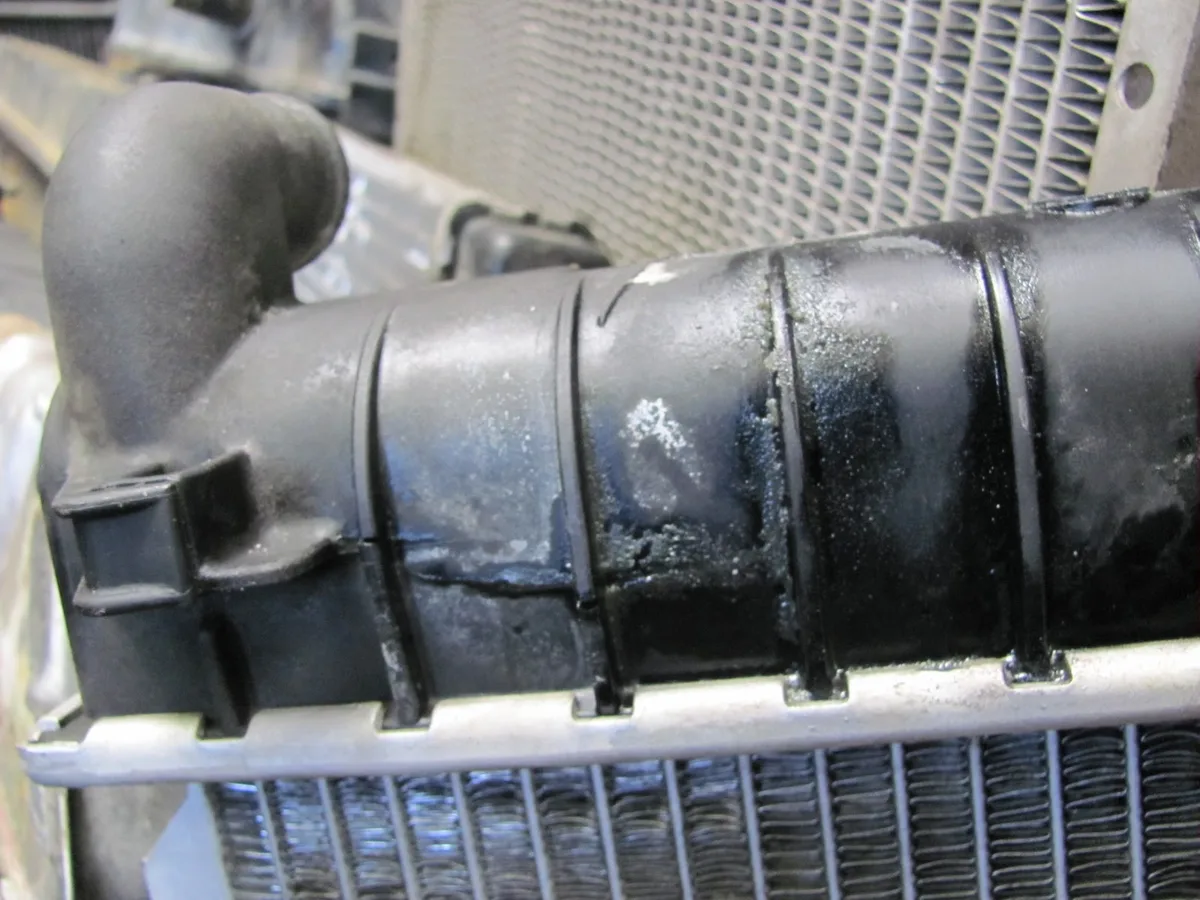
Image source: Bing (Web (fair-use with source credit))
Internal Clog Diagnosis:
A clogged radiator restricts coolant flow. Symptoms include overheating and poor heater output. Feel both radiator hoses when the engine is hot and the thermostat is open.
If the upper hose is hot and the lower is significantly cooler, the core is likely clogged. Drivers dealing with a Hyundai Tucson heater not working scenario will recognize this pattern.
A professional backflush might clear minor clogs. However, for a CX-5, our research shows that a severely clogged radiator is often more cost-effective to replace than to attempt multiple flushes.
Step 5: Choose Your Repair Path
Your diagnosis dictates the repair. Here's how to decide.
External Leak Found:
Full radiator replacement is the answer. Plastic tank cracks aren't reliably repairable. Choose between a new OEM unit (highest cost, guaranteed fit) or a quality aftermarket aluminum unit (often more affordable, similar performance).
If you're weighing options, our guide on Hyundai Tucson radiator problem covers the same decision framework for a comparable vehicle.
System Is Clogged:
For a mild clog with no other issues, a complete system flush with fresh coolant might restore flow. If the vehicle has high mileage or the flush doesn't help, replacement is the answer.
A Hose or Thermostat Failed:
Replace the specific failed part. Always replace the thermostat housing gasket at the same time. Use this opportunity to swap any questionable hoses.
This is the least expensive path.
Critical Reminder: Always use the correct coolant. Mazda specifies FL-22 for most CX-5 models. Mixing conventional green coolant with the long-life OAT formula causes gel formation and blockages.
Step 6: Avoid These 5 Costly DIY Mistakes
Even with the right diagnosis, the repair has pitfalls.
Not Bleeding the Air: Air trapped in the system creates hot spots and overheating. Follow the manufacturer's bleed procedure, usually filling slowly and running the engine with the heater on full blast.
Using the Wrong Coolant: Check your owner's manual. Most CX-5s require blue Mazda FL-22 or an approved equivalent. Never mix coolant types.
Over-tightening Hose Clamps: You can crack the plastic end tanks or water outlet. Tighten until snug and leak-free, no more.
Ignoring the Thermostat: If you replace the radiator, replace the thermostat too. An old, sticky thermostat overworks your new radiator. It's cheap insurance.
Improper Coolant Disposal: Ethylene glycol is toxic. The U.S. Environmental Protection Agency requires used coolant to be recycled. Most auto parts stores accept it for free.
Step 7: Your Decision Guide
This comparison helps when the diagnosis isn't a single, obvious failure.
| Factor | Full Radiator Replacement | Component Swap |
|---|---|---|
| Best For | Confirmed leak or severe clog | Single failed part (fan, thermostat, hose) |
| Cost | $400 to $900 (parts and labor) | $50 to $300 depending on the part |
| Risk | Moderate. New coolant, air bleed issues possible | Low. Simpler procedure, less disruption |
| Longevity | Solves core issue; lasts 8 to 15 years | Fixes symptom; other old parts may follow |
Verdict: A Mazda CX-5 radiator problem is a flowchart problem. Start with symptoms, test components in order, and let the results guide you. The cheapest repair is the right one, and that comes from accurate diagnosis.
Frequently Asked Questions
How much does it cost to replace a radiator in a Mazda CX-5?
Total cost for parts and labor typically ranges from $400 to $900. An OEM radiator part alone runs $300 to $600, while quality aftermarket units cost $150 to $400. Labor generally takes two to three hours.
Can I drive my Mazda CX-5 with a radiator leak?
It is strongly advised not to. Even a small leak can worsen suddenly, causing rapid overheating. Continued driving with low coolant risks severe engine damage like a warped cylinder head or blown head gasket.
Why is my Mazda CX-5 overheating only in traffic?
This points to the electric cooling fan. When moving, air flows naturally through the radiator. At a stop, the fan must pull air through.
If the fan motor, fuse, or relay fails, overheating follows once airflow stops.
What coolant does a Mazda CX-5 use?
Most models require Mazda FL-22 long-life coolant, typically blue or green-blue. As of 2026, always verify with your owner's manual. Mixing different coolant chemistries causes clogs and gelling.
Should I replace the thermostat when replacing the radiator?
Yes. The thermostat is a low-cost part that works hard. An old thermostat stuck partially closed makes your new radiator work overtime and may fail soon anyway.
Replacing both is efficient preventive maintenance.
How do I know if my radiator is clogged or leaking?
A pressure test confirms a leak. For a clog, feel the upper and lower hoses when the engine is hot. If one is much hotter than the other, flow is restricted.
Poor heater output combined with overheating is another reliable sign.