If your Hyundai Tucson alternator problem has you staring at a battery warning light, you're not alone. This is one of the most common electrical headaches for Tucson owners across every generation. The good news is that many charging issues aren't actually the alternator at all.
Our research shows a healthy Tucson charging system should deliver between 13.9 and 14.5 volts at idle. Before you spend hundreds on a new unit, a systematic approach saves time and money. Let's walk through exactly how to diagnose the fault.

49% off Today's Exclusive Deals
Limited-time Exclusive Deals. Check current discount on Amazon.
Check Price on Amazon As an Amazon Associate I earn from qualifying purchases.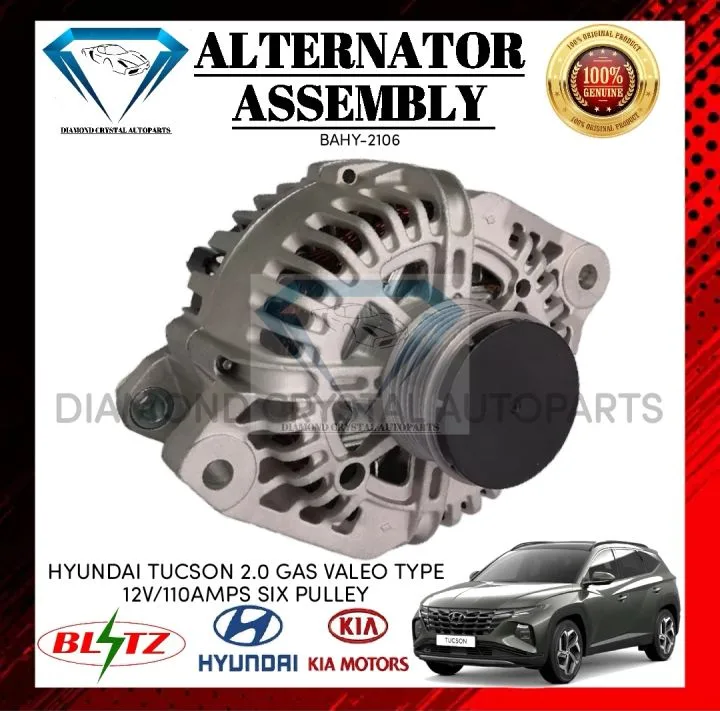
Image source: Bing (Web (fair-use with source credit))
Quick Answer: Is the Alternator Actually Bad?
Most Hyundai Tucson alternator problems are misdiagnosed battery or connection faults. A quick voltage check with a multimeter often reveals the true cause. The alternator itself typically lasts 80,000 to 120,000 miles.
49% off Today's Exclusive Deals
Limited-time Exclusive Deals. Check current discount on Amazon.
Check Price on Amazon As an Amazon Associate I earn from qualifying purchases.Start by testing the battery's health and all cable connections before assuming alternator failure.
Your Tucson's Charging System: What's Normal and What's Not
How the alternator, battery, and voltage regulator work together
Think of your car's electrical system as a team. The battery provides the initial power to start the engine. Once running, the alternator takes over.
Its job is to power all your electronics and recharge the battery.
The voltage regulator is the brain. It controls the alternator's output and ensures the battery gets a steady charge without being overcharged. A typical healthy reading is about 14.2 volts with the engine running.
49% off Today's Exclusive Deals
Limited-time Exclusive Deals. Check current discount on Amazon.
Check Price on Amazon As an Amazon Associate I earn from qualifying purchases.Smart charging logic on 2016+ models (and why it fools people)
Starting around 2016, many Tucsons use "smart charging." The engine computer (ECU) manages the voltage target. It might temporarily lower the voltage to save fuel or increase it when the battery is low.
This confuses owners. You might see the voltage dip to 12.8V and think the alternator is failing. In reality, it's programmed, normal behavior.
The system only keeps this lower voltage for short periods.
Why hybrid Tucsons don't even use a belt-driven alternator
This is critical. If you own a Tucson Hybrid or Plug-in Hybrid, the rules change completely. These models do not have a traditional belt-driven alternator.
Their 12V accessory battery is charged by a high-voltage DC-DC converter. This converter pulls power from the main hybrid battery pack. If your hybrid's 12V battery dies, the issue lies with the converter, battery, or high-voltage system, not an alternator.
Step-by-Step Diagnosis: Alternator vs. Battery vs. Wiring
Follow this workflow. It moves from simplest checks to more involved tests.
Step 1: Check battery resting voltage (12.6V target)
Start with the battery. Let the car sit for at least an hour to get a resting voltage reading. Set your multimeter to DC Volts and touch the probes to the battery terminals: red to positive (+), black to negative (-).
A healthy, fully charged battery should read between 12.6V and 12.8V. If it's below 12.4V, the battery is discharged. A reading under 12.0V often indicates a dead or dying battery.
Step 2: Battery load test before touching the alternator
Resting voltage isn't enough. The battery must hold up under load. Most auto parts stores will perform this test for free.
The test checks if the battery can maintain voltage while delivering a high current, simulating a start. Per standard testing guidelines, voltage should not drop below 9.6V during this test. If it does, the battery is faulty and must be replaced first.
Step 3: Measure charging voltage at idle
Now, start the engine. With the headlights and accessories off, measure the voltage across the battery terminals again. A healthy alternator should produce between 13.8V and 14.5V.
If the voltage is in this range, the alternator is likely working. If it's low (below 13.5V) or high (above 14.8V), you may have an alternator or regulator issue. As of 2026, most modern Tucsons follow this spec closely.
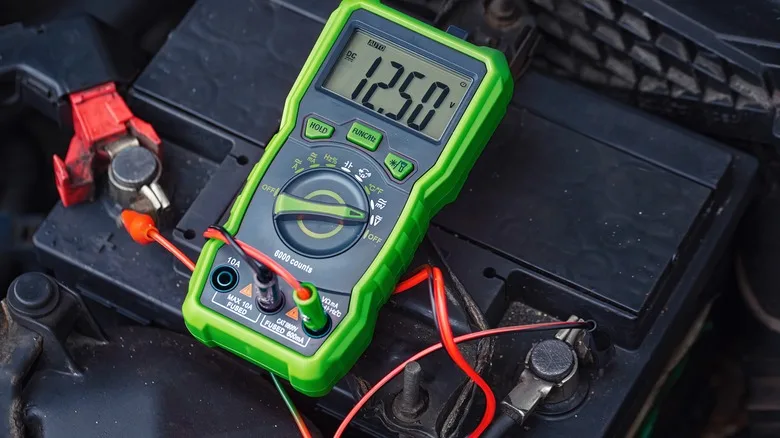
Image source: Bing (Web (fair-use with source credit))
Step 4: Test under load (headlights, A/C, rear defroster)
Repeat the idle test with a load. Turn on the headlights, blower motor to high, and rear defroster. This forces the alternator to work harder.
Watch the multimeter. The voltage should stay above 13.5V. A significant drop under load points to a weak alternator.
It can't keep up with the electrical demand.
Step 5: Voltage drop test on ground and positive cables
If charging voltage looks good but you still have problems, check the cables. A voltage drop test finds hidden resistance. It's a pro-level check that's easy to do.
With the engine running and lights on, measure from the alternator output post to the battery positive terminal. The reading should be under 0.2V. Then measure from the engine block to the battery negative terminal.
This should be under 0.1V. Higher readings mean you have a bad connection or corroded cable.
Step 6: Inspect serpentine belt, tensioner, and pulley clutch
A slipping belt can't spin the alternator fast enough. Inspect the serpentine belt for cracks, glazing, or fraying. Check the tensioner.
It should be firm and hold steady pressure.
Many newer Tucsons have an overrunning alternator pulley (OAP). This internal clutch can wear out. A common symptom is a chirping noise at idle that goes away when you rev the engine.
A worn OAP prevents the alternator from freewheeling correctly.
Step 7: Decide — replace alternator, battery, or repair wiring
Now you have data. Here's the decision guide:
- If the battery failed the load test: Replace the battery. Re-test charging afterward. A bad battery can overwork the alternator and cause premature failure.
- If charging voltage is low under load and connections are good: The alternator is likely faulty. Plan for replacement.
- If you have high voltage drop readings: Repair the corroded ground strap or positive cable. This is often the fix for intermittent electrical gremlins.
- If the belt is worn or tensioner is weak: Replace these components first. They are cheaper and easier than an alternator.
Decode the Warning Signs: What Each Symptom Actually Means
Your Tucson gives clues. Learning their language helps you diagnose faster.
Battery light flickering vs. solid on
A solid battery warning light with the engine running means the system is not charging. Stop driving soon to avoid being stranded. A flickering light often points to an intermittent connection or a failing voltage regulator.
Clicking when starting vs. slow crank vs. no crank
Rapid clicking usually means the battery has enough power for accessories but not enough to engage the starter solenoid. A slow, labored crank indicates a very weak battery or poor connections. No sound at all could mean a completely dead battery, a bad starter, or a blown main fuse.
Dimming headlights at idle vs. at speed
Headlights dimming at idle is classic alternator weakness. They may brighten when you rev the engine. If they dim while driving at speed, you could have a failing alternator or a major voltage drop in the wiring.
Odd noises from the alternator area (bearing vs. pulley vs. belt)
| Sound | Likely Cause |
|---|---|
| High-pitched squeal | Loose or worn serpentine belt |
| Grinding or growling | Worn internal alternator bearings |
| Chirping or clicking at idle | Failing overrunning alternator pulley (OAP) |
If you hear grinding, the alternator bearings are shot. The unit needs rebuilding or replacement.
Parts, Costs, and What to Buy
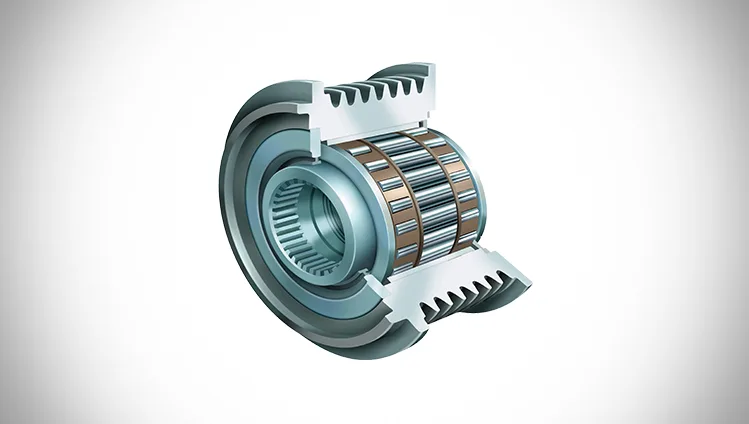
Image source: Bing (Web (fair-use with source credit))
OEM vs. rebuilt vs. aftermarket alternators
You have three main options. OEM (Original Equipment Manufacturer) alternators from Hyundai are the most reliable but cost the most. Rebuilt units are cheaper and often carry a decent warranty.
High-quality aftermarket brands can be a good middle ground.
Avoid the cheapest remanufactured options. Aggregate reviews report they often fail within a year. Look for units with at least a 2-year warranty.
Typical replacement cost breakdown (part + labor)
As of 2026, expect to pay:
- Part: $200 to $400 for a quality alternator.
- Labor: $150 to $300 for a standard 4-cylinder model.
- Total: $350 to $700. A tensioner or belt replacement adds $50 to $150.
If you're handy, many Tucson alternators can be swapped in under two hours with basic tools. The process involves disconnecting the battery, removing the serpentine belt, unbolting the old unit, and installing the new one.
When the pulley is the problem and you don't need a whole alternator
If your symptoms are noise-related (chirping at idle), the issue might be the overrunning alternator pulley (OAP). You can often replace just this pulley. It's a $40 to $80 part.
This saves you the cost of a whole alternator. It requires a special tool to remove the old pulley, but many shops have this.
Battery replacement specs for Tucson trims (flooded vs. AGM)
Check your owner's manual. Most non-hybrid Tucsons use a Group 35 or H6 flooded lead-acid battery. Some higher trims or those with stop-start systems require an AGM (Absorbent Glass Mat) battery.
AGMs are more expensive but handle frequent cycling better. Using the wrong type can cause charging issues.
Mistakes That Cost Tucson Owners Money
Replacing the alternator before load-testing the battery
This is the number one mistake. A weak battery can trick you into thinking the alternator is dead. Your car may run fine for a few minutes after a jump start, then die again.
That pattern screams "bad battery," not "bad alternator." Always load-test first. You'd never skip a compression test before rebuilding an engine, so don't skip this either.
Ignoring a failing tensioner and blaming the alternator
A worn tensioner can't keep the serpentine belt tight enough. The belt slips, the alternator spins slower, and you get low charging voltage. The fix is a $60 tensioner, not a $400 alternator.
Using cheap remanufactured units that fail in months
We've seen it repeatedly in buyer feedback. The cheapest remanufactured alternator on the parts store shelf is a gamble. These units often have tired bearings or worn brushes from day one.
You'll be doing the job again in six months. Spend a bit more on a unit with a solid warranty.
Forgetting the BMS reset after battery replacement (hybrids and newer gens)
On 2016+ Tucsons and all hybrids, the Battery Management System (BMS) remembers the old battery's condition. After installing a new battery, you may need to reset the BMS. This tells the system to restart its charging strategy.
Without a reset, the alternator may overcharge or undercharge the new battery. Check your owner's manual for the reset procedure, usually a pedals and buttons sequence.
Frequently Asked Questions
Can I drive my Tucson with the battery light on?
No, and here's why. The battery light means the charging system is failing. Your car is running solely on battery power.
Once the battery drains, usually in 20 to 50 miles depending on load, your engine will stall and you'll be stranded. It can also damage the ECU and other sensitive electronics. Get it checked immediately.
How long do Tucson alternators usually last?
Most alternators last between 80,000 and 120,000 miles. Some fail earlier due to oil leaks soaking the unit. Others last well beyond 150,000 miles.
Regular belt and tensioner maintenance helps maximize alternator life. If you're over 100,000 miles on the original unit, it's in the high-risk zone.
Will a bad alternator drain a new battery overnight?
No, a bad alternator won't drain a battery overnight. A faulty alternator either fails to charge or overcharges while the engine runs. If your new battery is dead in the morning, it's a sign of a parasitic drain.
A trunk light, glove box light, or a faulty module is pulling power with the key off.
Why did my new alternator fail right away?
There are a few possible causes. The most common is a bad ground connection. A poor ground forces the alternator to work harder to push current through high resistance.
Another cause is using a low-quality remanufactured unit. The engine computer (ECU) can also overcharge if it receives bad sensor data. Check your grounds and verify the alternator is actually the right specs.
Do hybrids have alternator problems?
No, because hybrids don't have a traditional belt-driven alternator. A DC-DC converter handles the 12V system. If the 12V battery dies on a hybrid, it's usually a battery failure or a compromised DC-DC converter.
The high-voltage cooling system can also degrade performance. Either way, it's a different diagnostic path than a non-hybrid.