A Hyundai Tucson check engine light can be a five-minute non-event or the start of a costly repair. The difference comes down to one thing: what the diagnostic code says. Get that code before you touch anything.
As of 2026, every Tucson built after 1996 uses the same OBD-II diagnostic standard.

49% off Today's Exclusive Deals
Limited-time Exclusive Deals. Check current discount on Amazon.
Check Price on Amazon As an Amazon Associate I earn from qualifying purchases.That means a basic $25 code reader can hand you the same code a shop might charge $100 to pull. Start there, and the rest is a simple decision tree.
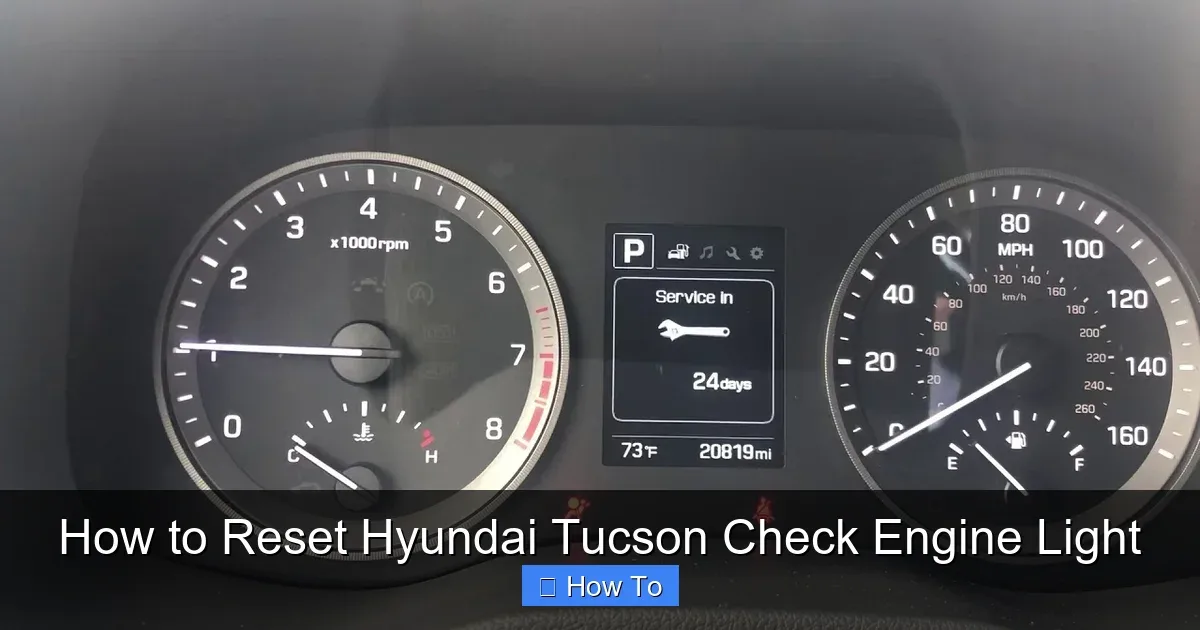
Image source: Bing (Web (fair-use with source credit))
49% off Today's Exclusive Deals
Limited-time Exclusive Deals. Check current discount on Amazon.
Check Price on Amazon As an Amazon Associate I earn from qualifying purchases.Quick Answer
A solid Hyundai Tucson check engine light means you can usually drive to a shop. If it's flashing, stop driving immediately. Flashing means a misfire is dumping fuel into the exhaust.
That can destroy your catalytic converter. Read the code first, then decide.
Flashing vs. Solid Light: The First Decision You Have to Make
The color matters less than the behavior. A solid amber light means the engine control unit has logged a diagnostic trouble code, but the engine is still running safely. Drive it to a shop or home, but don't ignore it for weeks.
It won't pass an emissions test with the light on.
49% off Today's Exclusive Deals
Limited-time Exclusive Deals. Check current discount on Amazon.
Check Price on Amazon As an Amazon Associate I earn from qualifying purchases.A flashing light is an entirely different animal. It means a misfire is actively happening right now. Unburned fuel dumps into the exhaust and can melt the catalytic converter.
The rule we use: if it's flashing, don't drive more than about a mile.
Shut it down, scan for codes, and call a tow if needed. If the engine is also running hot, stop even sooner. Cooling system faults can compound the damage fast.
Hybrid and plug-in hybrid Tucsons add one more layer. Many hybrid-specific codes come from the battery cooling system or the inverter coolant pump, not the engine itself. A flashing light still means stop.
A solid light, though, might be an EVAP code or a minor sensor issue. Per the EPA's OBD requirements, the light is designed to catch emissions-related problems before they get worse. Treat it as a warning, not a suggestion.
How to Read the Code: A Step-by-Step Tucson Diagnosis Workflow
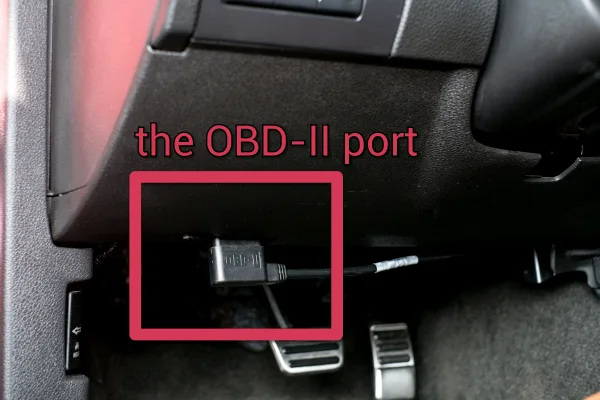
Image source: Bing (Web (fair-use with source credit))
Step 1: Find the OBD-II port
Every Tucson has the port under the driver's side dash, usually near the hood release. Plug in your scanner with the ignition off. Then turn the key to the "on" position.
Don't start the engine unless your scanner specifically asks for it.
Step 2: Read the stored codes
Write down every code, not just the first one. Pending codes count too. A basic code reader shows something like P0420.
A scan tool adds freeze frame data. It captures engine speed, coolant temperature, and fuel trim from the moment the light set. That data is gold for troubleshooting.
Step 3: Clear the codes and test drive
After fixing anything obvious, clear the codes and go for a 15-minute drive. If the light comes back, you haven't fixed the root cause. If it stays off but returns days later, the problem is intermittent.
That's when you look for loose connections, failing sensors, or a bad ground. While you're under the hood, check for oil leaks and coolant residue. Finding a leak now can save you a bigger repair later.
When a free code read isn't enough
Big-box auto parts stores will read codes for free, and that's fine for a first pass. But they won't give you live data or freeze frame detail. Our research shows most Tucson owners who chase parts based on a free reading end up replacing an oxygen sensor or MAF sensor that wasn't actually faulty.
Spend the $25, keep the reader, and learn the workflow.
Common Hyundai Tucson Check Engine Light Codes and What They Mean
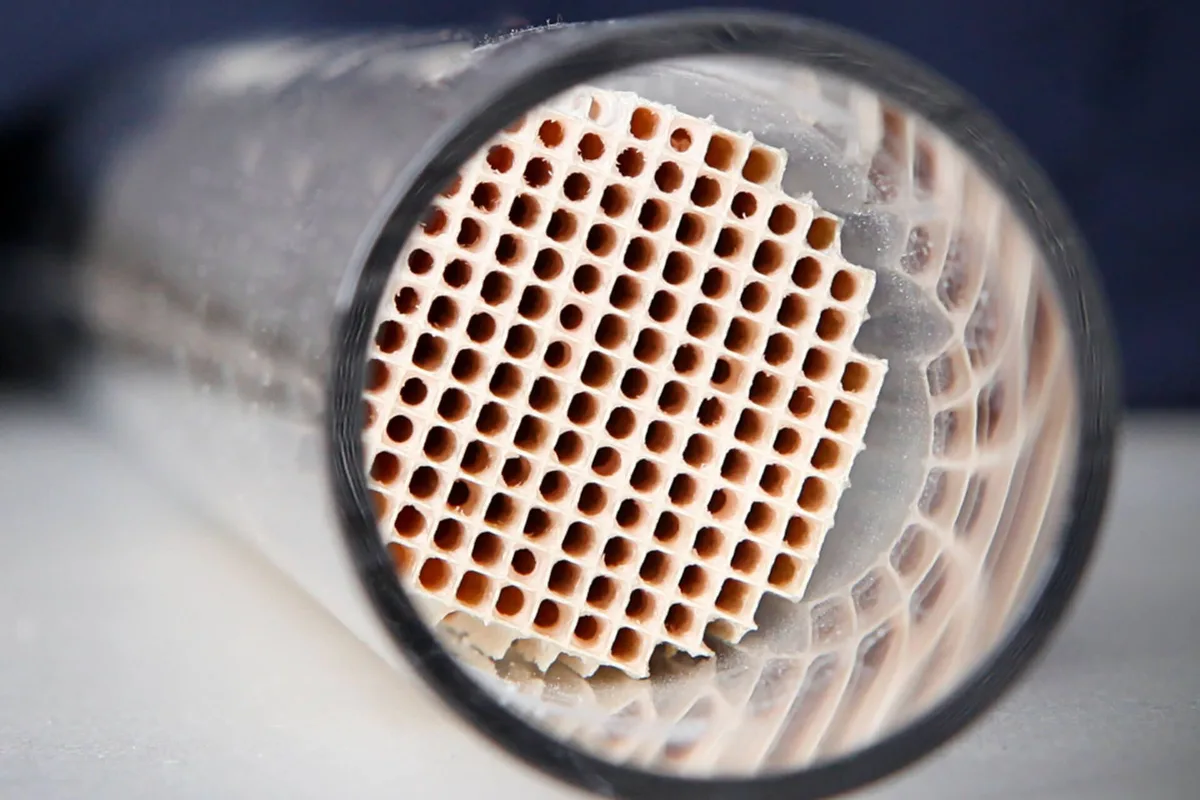
Image source: Bing (Web (fair-use with source credit))
| Code | What it means | Typical Tucson fix |
|---|---|---|
| P0300 / P0301 | Random or single-cylinder misfire | Spark plugs, ignition coils, or vacuum leak |
| P0420 | Catalyst efficiency below threshold | Often needs a catalytic converter; check O2 sensors first |
| P0442 / P0455 | EVAP leak, small or large | Loose gas cap, cracked EVAP hose, purge valve |
| P0171 / P0174 | System too lean or too rich | MAF sensor issues, vacuum leaks, fuel pressure |
The 2.5L Smartstream engines in 2022 and newer Tucsons have fewer misfire complaints than the older 2.4L units. The 1.6T hybrid powertrains get EVAP and battery cooling codes separate from engine DTCs. P0420 shows up more on high-mileage models.
If your radiator fan isn't cycling, that can also set emissions-related codes. Same with a failing coolant sensor.
Before replacing a costly powertrain part, check the NHTSA recall database for open campaigns on your model year. A recall fix is free. A catalytic converter is not.
Check Engine Light Mistakes That Cost Tucson Owners Money
- Resetting the light without fixing the problem. Clearing the code doesn't cure anything. The light will come back, usually at the worst possible time.
- Ignoring a flashing light to get home. That one-mile rule exists because a catalytic converter is expensive. Replace a coil pack for $200 now, or replace a converter for $1,500 later.
- Chasing codes instead of diagnosing. P0420 doesn't always mean a dead converter. A lazy oxygen sensor can trip the same code. Test the part before you replace it.
- Buying OEM parts before checking the basics. Sometimes the fix is a loose gas cap or a cracked vacuum hose. Check those first.
- Skipping hybrid-specific diagnostics. If you own a hybrid Tucson, don't assume engine parts. The battery cooling fan and inverter pump have their own codes.
If you notice brake problems alongside the engine light, don't ignore those either. Traffic stops are still part of the trip. Handle the warning light and the stopping issue before you put real miles on the car.
What Will the Repair Actually Cost? Parts, Labor, and Warranty Coverage
Repair costs vary based on the code and your Tucson's age. The table below shows realistic ranges from aggregate owner reports and shop data.
| Code | Likely fix | Parts and labor |
|---|---|---|
| P0442 / P0455 | Gas cap, EVAP hose, purge valve | $5 to $150 |
| P0171 / P0174 | MAF sensor, vacuum leak, fuel pressure | $150 to $400 |
| P0301 / P0300 | Ignition coil or spark plug | $150 to $600 |
| P0420 | O2 sensor, or catalytic converter | $400 to $2,500 |
Before paying out of pocket, check your warranty coverage. Federal emissions law requires Hyundai to cover the catalytic converter, the ECU, and certain emissions parts for 8 years or 80,000 miles. In California, some components extend further under CARB rules.
Your owner's manual spells out exactly what's covered.
If a component isn't covered, replace it with OEM or high-quality aftermarket parts. Cheap sensors often fail within months, and you'll pay twice in labor.
While you're under the hood, look for fluid leaks that might have triggered a lean code. A torn vacuum hose or a leaking valve cover gasket can cause the same codes as a bad sensor. Fix the leak first, then decide whether any sensor actually needs replacing.
Hyundai Tucson Check Engine Light FAQs
Can I drive my Tucson with the check engine light on?
Yes, but only if the light is solid and the engine runs smoothly. A solid light means you can usually reach a shop without causing further damage. Keep the trip short and check fluid levels before you leave.
What does a flashing check engine light mean?
A flashing light indicates an active misfire that can damage the catalytic converter. Stop driving as soon as it's safe. Pull over, shut the engine off, and have the vehicle towed or fixed on the spot.
Will the check engine light go off by itself?
Sometimes, yes. Codes like a loose gas cap may clear after several key cycles. But the underlying problem doesn't fix itself.
If the code returns, you're dealing with a real fault that needs attention.
Can my Tucson pass an emissions test with the light on?
No. The check engine light must be off, and all OBD-II readiness monitors must be complete. Even a pending code can cause a failure.
Fix the issue and drive the required drive cycle first.
Should I go to a Hyundai dealer or an independent shop?
Dealers are best for warranty work, recalls, and hybrid-specific diagnostics. Independent shops with OBD-II experience are usually cheaper for older Tucsons. For the 1.6T hybrid or plug-in hybrid, dealer software is often worth the extra cost.
Final Decision Guide: What to Do Next, Step by Step
Follow these steps in order. They work for any Tucson model year, from the third generation to the latest 2026 models.
- Check the light color and behavior. Flashing means stop now. Solid means keep calm and continue.
- Scan the OBD-II codes. Write down every code, including pending ones.
- Look up each code. Compare it to the common Tucson codes listed earlier.
- Inspect the simple stuff first. Tighten the gas cap, check hoses, and look for obvious leaks or damaged wiring.
- Clear the codes and test drive. Run the car for 15 minutes and see if the light returns.
- If the light stays off, monitor it for a few days. If it comes back, don't ignore it a second time.
If the light returns, take the code to a professional. Describe what you've already tried so they don't rescan and hand you the same bill. Ask them to test wiring and connectors before replacing major components like the catalytic converter.
Before you drive anywhere, confirm the car stops and starts properly. If you notice unusual brake noise or the transmission hesitates to shift, address those alongside the engine light. A car with a running engine warning and failing brakes isn't roadworthy.
Also, confirm your rear lights work. Drivers behind you rely on them to anticipate stops and turns. The check engine light is the first alert.
Your job is to listen to it before it becomes a tow truck bill.



5 Comments on “Hyundai Tucson Check Engine Light”