If you're dealing with Hyundai Tucson engine shaking, you're not alone. We've reviewed service bulletins, recall databases, and owner reports to map out exactly what causes that tremor. Most cases trace back to a misfire, a worn mount, or a dirty sensor.
The shaking usually shows up at idle and points to spark plugs, ignition coils, or engine mounts. As of 2026, Tucson models from 2016 onward are the most common culprits, with the 2.0L and 2.4L Theta II engines leading the pack. Start with the cheap checks first.

49% off Today's Exclusive Deals
Limited-time Exclusive Deals. Check current discount on Amazon.
Check Price on Amazon As an Amazon Associate I earn from qualifying purchases.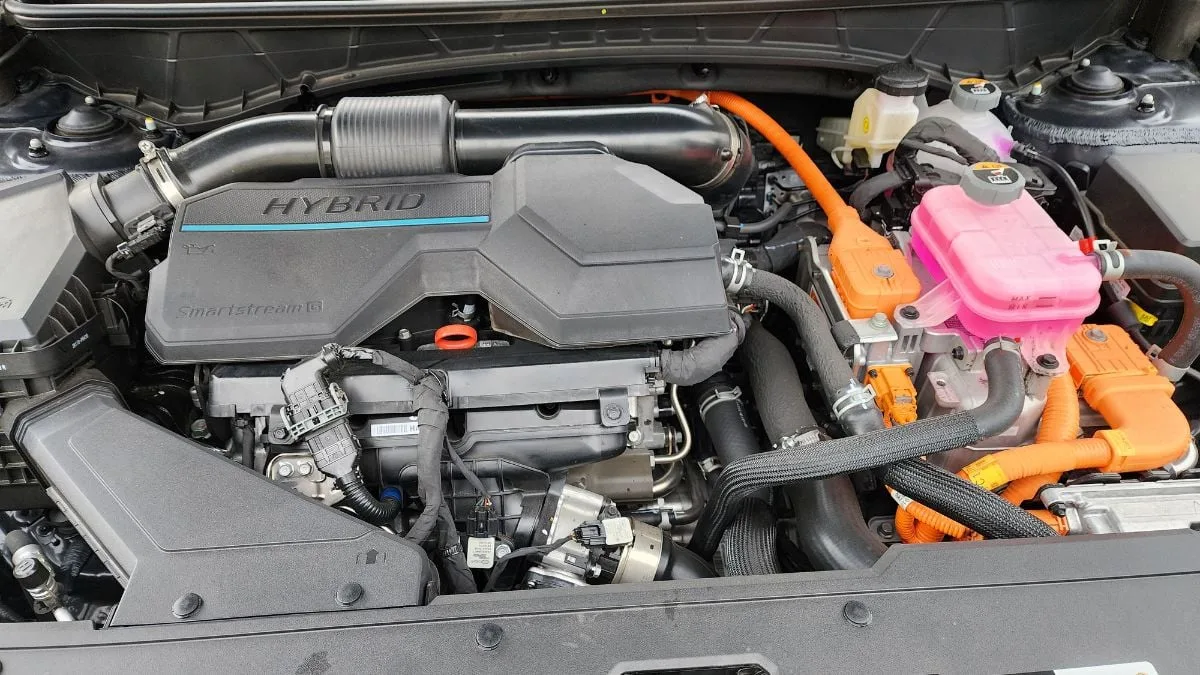
Image source: Bing (Web (fair-use with source credit))
Quick Answer
Most Tucson shaking starts at idle and points to spark plugs, ignition coils, or engine mounts. Read trouble codes first. If the check engine light flashes, stop driving immediately.
49% off Today's Exclusive Deals
Limited-time Exclusive Deals. Check current discount on Amazon.
Check Price on Amazon As an Amazon Associate I earn from qualifying purchases.A severe misfire dumps raw fuel into the exhaust and can destroy the catalytic converter.
Stop Before You Spend: Check Recalls, Warranty Coverage, and TSBs
Hyundai has issued several recalls that affect Tucson engines. The biggest involves Theta II bearing wear, which causes knocking, vibration, and total engine failure. If your Tucson is a 2011 to 2019 with a 2.0L or 2.4L engine, check your VIN on the NHTSA website before buying any parts.
Some carry extended warranties up to 150,000 miles.
Technical Service Bulletins matter too. A TSB tells dealers how to fix a known issue, and many Tucson owners report one for rough idle that involves cleaning the throttle body or resetting idle logic. If your car is still under factory warranty, that repair is free.
49% off Today's Exclusive Deals
Limited-time Exclusive Deals. Check current discount on Amazon.
Check Price on Amazon As an Amazon Associate I earn from qualifying purchases.| Model Year | Engine | Known Issue | What to Check |
|---|---|---|---|
| 2016–2020 | 2.0L / 2.4L | Theta II bearing wear | Knocking, low oil pressure |
| 2021–2025 | 2.5L Smartstream | Carbon buildup on intake valves | Rough idle after 40,000 miles |
| 2022+ | Hybrid 1.6T | Stop/start vibration | Engine restart shake |
If the Tucson also hunts for gears or clunks during shifts, that's a separate problem. Don't confuse a driveline issue with engine vibration. We cover transmission shifting problems in another guide, but start with the engine diagnosis first.
Read the Vibration: What Idle Shake vs Acceleration Shudder Tells You
Where and when the shaking happens is your biggest clue. A vibration at a stoplight, transmission in Drive, foot on the brake, often points to engine mounts or a low idle. The same shake in Park points to a misfire or dirty fuel system.
If the shake shows up only when the A/C compressor kicks on, you're likely dealing with a weak idle control or a failing mount. The compressor adds load, so engine RPM dips and the mounts absorb more force. Listen for noises from that side of the bay too, since A/C system problems can overlap with idle concerns.
Here's a quick breakdown of vibration timing:
| Vibration Timing | Most Likely Cause | Next Step |
|---|---|---|
| Shaking in Park at cold start | Spark plugs, coils, injectors | Pull codes |
| Shaking at a red light in Drive | Engine mounts, dirty throttle body | Inspect mounts |
| Vibration under acceleration | Misfire under load, fuel pressure | Read live data |
| Shudder only when braking | Warped rotor, not engine | Check the brake rotors |
Write down when the shake happens. That detail saves you hours of guesswork later.
Pull the Codes: How to Diagnose Misfires, Fuel Trims, and Live Data
You need an OBD-II scan tool. It plugs into the port under the dash and reads trouble codes. The most common codes for Tucson shaking are P0300 (random misfire) and P0301 through P0304, which identify the failing cylinder.
A flashing check engine light means a severe misfire is active. Stop driving.
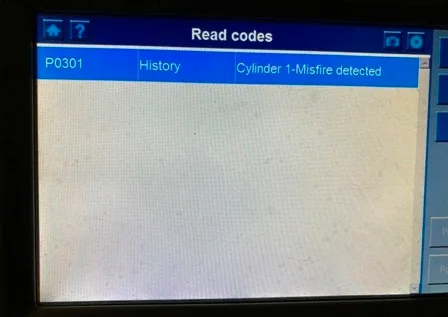
Image source: Web (Bing) / klook.com (Web image (fair-use with source credit))
Don't just clear the codes. Read the freeze frame data to see engine RPM, speed, and coolant temperature at the moment of the misfire. That tells you if the problem happens under load or only when cold.
Then watch the live misfire counters to confirm which cylinder keeps missing.
| Code | Meaning | Typical Fix |
|---|---|---|
| P0300 | Random misfire | Spark plugs, coils, vacuum leak |
| P0301–P0304 | Specific cylinder misfire | Plug, coil, or injector |
| P0171 | System too lean | Vacuum leak, dirty MAF, fuel pump |
| P0420 | Catalyst efficiency low | Usually caused by repeated misfire |
Low oil can also make the engine run rough. Variable valve timing systems depend on proper oil pressure, and low levels trigger erratic behavior. Check the dipstick and look for oil leaks before worrying about expensive parts.
The Diagnostic Decision Tree: Mounts, Ignition, Fuel, and Air
Follow these branches in order. Stop when you find the cause. Don't replace parts blindly, because the fix is usually cheap if you're methodical.
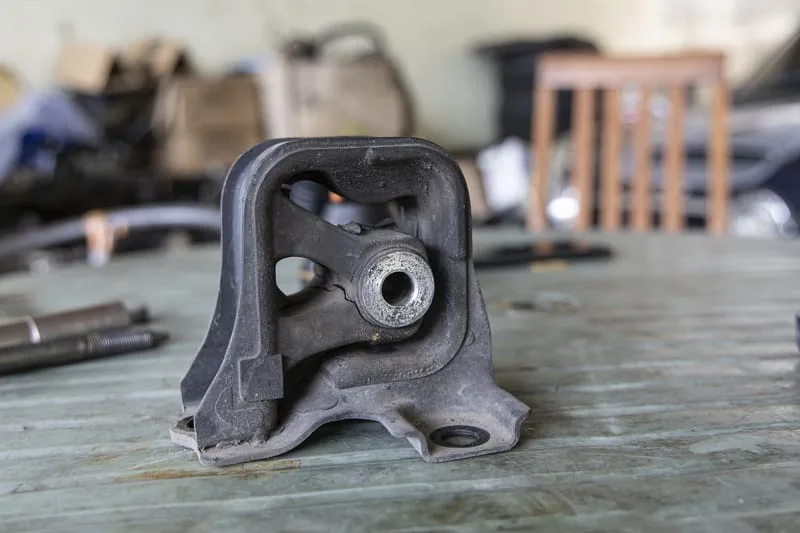
Image source: Bing (Web (fair-use with source credit))
Branch 1: Check Engine Mounts
If the shake is worse in Drive and disappears in Park, mounts are the top suspect. Look at the rubber. Cracked, oil-soaked, or sagging rubber means replacement time.
Test it by holding the brake, shifting into Drive, and giving the engine a slight throttle pulse. Excessive movement means a torn mount.
Branch 2: Check the Ignition System
If you see a misfire code, swap the ignition coil from that cylinder to another. If the code follows the coil, you've found the problem. If it doesn't, pull the spark plug.
Worn plugs are the number one cause of Tucson idle shaking past 60,000 miles.
Branch 3: Check Fuel and Air
Modern GDI engines like the 2.5L Smartstream build carbon on intake valves over time. Clean the throttle body and check the MAF sensor. Then smoke-test for vacuum leaks.
A cracked PCV hose makes the idle terrible and costs almost nothing to replace.
Branch 4: Check Oil Pressure and Level
Low oil pressure can make the Tucson shake and knock. Verify the level, look for external leaks, and listen for a rhythmic thump. If you have a warning light, connect a mechanical pressure gauge before driving another mile.
It might just need fresh oil and a filter.
This decision tree catches most cases without a shop. Get the codes, follow the branches, and you'll know exactly what to fix.
Fixing It Right: Costs, Parts, and the Mistakes That Waste Your Money
Once you've narrowed the cause, you can budget. Expect to spend anywhere from $30 for a set of plugs to $600 for a mount replacement at a shop. Most Tucson shaking cases fall near the cheap end.
| Fix | Typical Cost | DIY Difficulty |
|---|---|---|
| Spark plugs (set of 4) | $40–$80 | Easy |
| Ignition coil (each) | $50–$120 | Easy to moderate |
| Engine mount (parts and labor) | $200–$600 | Moderate |
| Throttle body cleaning | $10–$20 for cleaner | Easy |
| Professional injector service | $80–$150 | Leave to a shop |
The biggest mistake is assuming the engine is dying. People order full engine replacements, only to find a cracked motor mount. Do the free checks first.
Avoid cheap "fits all" ignition coils. Hyundai's system is sensitive to resistance differences, and off-brand coils often misfire again within months. Stick with OEM or known brands like NGK or Denso.
Also, don't ignore coolant leaks. Low coolant levels confuse the temperature sensor and create rough idle behavior. If you spot puddles under the front, check the cooling system before pulling plugs.
Clear codes only after the fix. Clearing them first means losing the freeze frame data that tells you what was happening during the misfire. Write the codes down before you reset anything.
Frequently Asked Questions
Why is my Hyundai Tucson shaking at idle?
Idle shaking usually comes from spark plugs, ignition coils, or engine mounts. Pull the codes first to rule out a misfire. If no codes appear, inspect the mounts in Drive with the brake applied.
Worn mounts let the engine vibrate through the whole cabin.
Why is my check engine light flashing when the car shakes?
A flashing check engine light means a severe misfire is dumping raw fuel into the exhaust. That can overheat and destroy the catalytic converter. Stop driving immediately, connect your OBD-II scan tool, and address the misfire right away.
How much does it cost to fix a shaking Tucson?
Typical repairs range from $50 for spark plugs to $600 for a mount replacement at a shop. Misfire repairs usually land between $100 and $250. Dealership diagnostic fees run $100 to $150, though that's often waived if you get the repair done there.
Can a bad engine mount trigger a check engine light?
No, a bad mount won't trigger a check engine light on its own. It only causes physical vibration. If a mount fails completely and shifts the engine, it can pull on a wiring harness or vacuum line, which might set a code.
That's a secondary effect.
Is it safe to drive a Tucson with a rough idle?
A mild rough idle in Park might not be an emergency, but it's not worth ignoring. If the check engine light flashes or the car stalls, stop driving. A bad mount can also let the engine shift far enough to damage the radiator.
Fix it soon.



One Comment on “Hyundai Tucson Engine Shaking”