That clunking sound every time you hit a speed bump isn't normal. If you're dealing with a Mazda CX-5 suspension noise, you're likely trying to figure out if it's a minor nuisance or a sign of something bigger. Our research shows this is one of the most common complaints from owners, especially on models with over 50,000 miles.
A single worn component can throw off the entire chassis balance. Per Mazda workshop manual specifications, the front MacPherson strut assembly and rear multi-link system rely on tight tolerances for bushings and joints. Let's walk through a diagnostic workflow to pinpoint the source.

49% off Today's Exclusive Deals
Limited-time Exclusive Deals. Check current discount on Amazon.
Check Price on Amazon As an Amazon Associate I earn from qualifying purchases.That Mazda CX-5 Suspension Noise Is Trying to Tell You Something
Before you panic, most suspension noises fall into predictable patterns. The sound itself is your best clue. A deep, metallic clunk usually points to a worn joint or loose link.
A high-pitched squeak often means dry or cracked rubber bushings.
The timing of the noise is the next critical piece. Does it happen when you turn the steering wheel? Or does it knock every time the wheel compresses over a bump?
49% off Today's Exclusive Deals
Limited-time Exclusive Deals. Check current discount on Amazon.
Check Price on Amazon As an Amazon Associate I earn from qualifying purchases.These two questions will save you from unnecessary part swaps.
Think of your suspension as a team of components. When one player, like a sway bar link, gets tired, the whole system feels it. This guide will help you identify the weak link before it causes bigger problems like uneven tire wear or compromised handling.
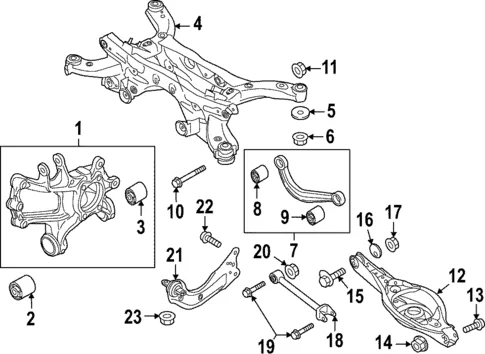
Image source: Bing (Web (fair-use with source credit))
49% off Today's Exclusive Deals
Limited-time Exclusive Deals. Check current discount on Amazon.
Check Price on Amazon As an Amazon Associate I earn from qualifying purchases.The Diagnostic Flowchart: Narrow It Down in Three Steps
Follow this decision tree to move from a vague "weird noise" to a specific target. Have a friend help you. Reproducing the noise often requires someone outside the vehicle while you drive slowly.
Step 1: Characterize the Sound
- Clunk / Knock: A heavy, metallic thud. Usually a joint or link.
- Squeak / Creak: A higher-pitched rubbing sound. Often dry rubber bushings.
- Rattle / Buzz: A loose, vibrating noise at specific speeds.
Step 2: Pinpoint When It Happens
- Over bumps: The suspension compresses and rebounds.
- While turning: Lateral load shifts, stressing different parts.
- On rough pavement at steady speed: Constant small movements expose play.
Step 3: Isolate the Location
- Front vs. Rear: Drive slowly over a known bumpy road. Leaning your head slightly can help.
- Driver vs. Passenger side: A helper can listen with the window down as you drive alongside them at low speed.
If the noise is a squeak during turns, the culprit is often a control arm bushing. For related steering issues, our guide on Hyundai Tucson steering problems covers similar diagnostic steps.
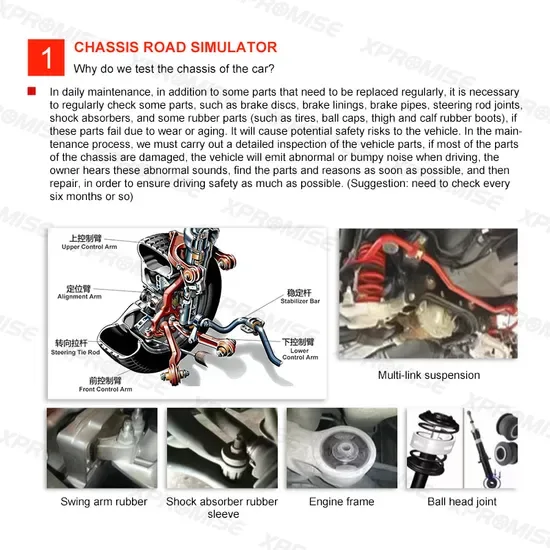
Image source: Bing (Web (fair-use with source credit))
Clunking Over Bumps: The Most Common CX-5 Complaint
A clunk or knock over speed bumps and potholes is the classic suspension symptom. Aggregate repair data indicates sway bar end links and strut assemblies are the most frequent causes.
Sway Bar End Links
These small links connect your sway bar to the strut or control arm. They have ball joints at each end that wear out, causing a clunk. They're often the first component to fail and the cheapest to fix.
Test for play by shaking the link by hand with the vehicle on the ground. Any clinking sound means it's worn.
Worn Strut Assembly
The strut is the large shock absorber unit. Over miles, the internal valve wears and fluid can leak past the seal. Look for oily streaks on the strut body.
A worn strut may clunk over bumps from excessive internal play. The top strut mount, which has a bearing, can also fail. It will make a grinding or popping noise when you turn.
Lower Control Arm Bushings
These rubber bushings pivot as the wheel moves up and down. When they crack or separate from their metal sleeves, you'll get a clunk or wandering steering. Inspect them visually for cracks using a flashlight.
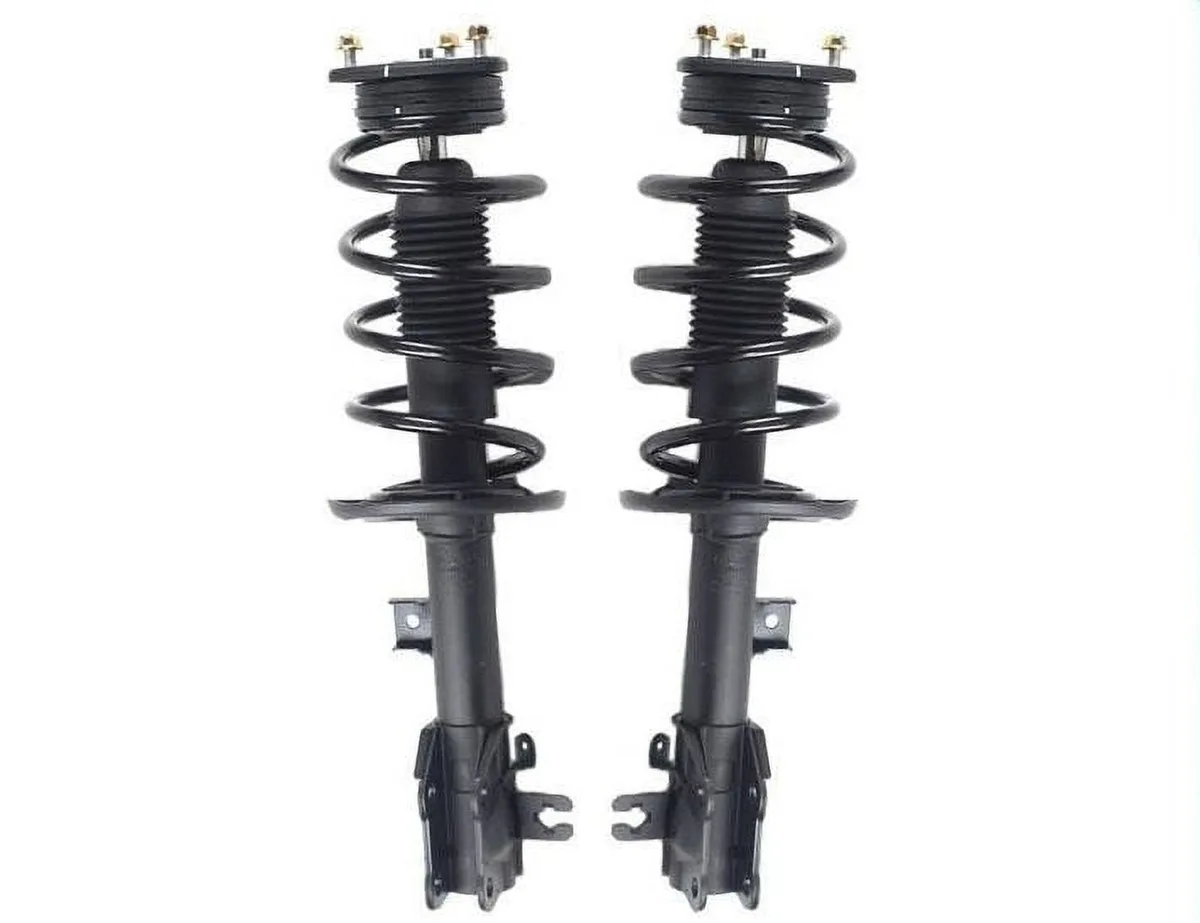
Image source: Bing (Web (fair-use with source credit))
For a comparison of front-end noises, the Hyundai Tucson suspension noise article details similar failure points.
Squeaking and Creaking During Turns: A Different Problem
A squeak or creak that only appears when turning at low speed points to different issues. This noise typically means rubber components are dry, cracked, or rubbing metal-on-metal.
Upper Strut Mount Bearing
This is a prime suspect. The bearing allows the strut to rotate when you steer. If it seizes or gets gritty, it groans during turns.
You might feel slight notchiness in the steering wheel.
Control Arm Bushings
Dried-out bushings are notorious for a creaking sound during turns. A quick check: spray a small amount of water on the bushing. If the noise temporarily disappears, the rubber is dry and likely failing.
Ball Joints
A lower ball joint losing its grease often announces itself with a creak. This is a safety-critical component. A loose ball joint ruins alignment and can cause wheel collapse in extreme cases.
Check for vertical play by jacking up the corner and prying upward on the tire.
If your issue involves vibrations, our piece on Hyundai Tucson steering wheel shaking covers balance and alignment causes.
What to Fix and What It Will Cost
Once you've identified the likely source, the next question is cost. Here's a breakdown based on typical shop rates and part prices as of 2026.
| Component | DIY Part Cost (Approx.) | Professional Installed Cost (Approx.) | Notes |
|---|---|---|---|
| Sway Bar End Link | $15 – $50 per link | $100 – $250 per side | Often done in pairs. Simple DIY job. |
| Front Strut Assembly | $150 – $350 per corner | $400 – $700 per corner | Includes strut, spring, mount. Alignment required. |
| Rear Shock Absorber | $80 – $200 per corner | $250 – $500 per corner | Less common failure than front struts. |
| Lower Control Arm | $80 – $200 per arm | $250 – $500 per side | Includes bushings and ball joint. Alignment required. |
| Wheel Alignment | N/A | $80 – $150 | Mandatory after any front suspension work. |
Start with the cheapest, most likely culprit. If you have a clunk over bumps, replace the sway bar links first. If the creak only happens during turns, inspect strut mounts and control arm bushings.
Fixing these smaller items often solves the problem without touching expensive strut assemblies.
If your CX-5 also suffers from electrical frustrations, our troubleshooting guide for a Hyundai Tucson key fob that stops working covers common fixes for keyless entry failures.