Hyundai Tucson engine stalling is one of those problems that goes from annoying to frightening fast. You're sitting at a red light, the engine cuts out, and suddenly your brake pedal goes stiff and the steering pulls hard. It's a complaint that shows up across multiple Tucson model years, and in some cases it's tied to recall-level defects.
Aggregate complaint data from NHTSA shows hundreds of stalling reports filed against the Tucson since 2016, with the Theta II 2.4L and the 2.0L Nu engines drawing the most attention. Our research points to a few repeat culprits, and knowing what they are before you visit a shop can save you real money.

49% off Today's Exclusive Deals
Limited-time Exclusive Deals. Check current discount on Amazon.
Check Price on Amazon As an Amazon Associate I earn from qualifying purchases.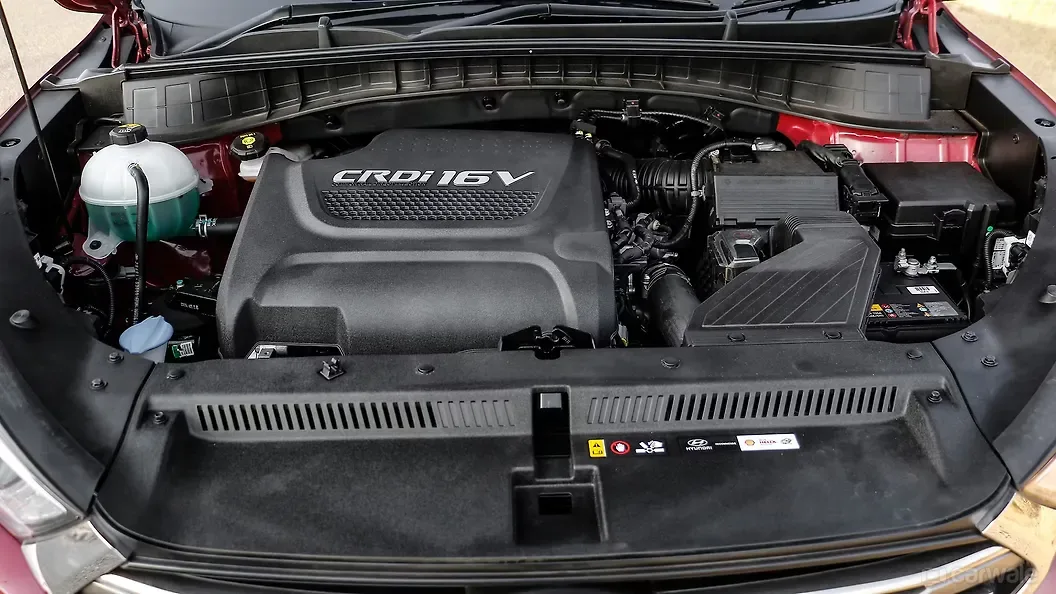
Image source: Bing (Web (fair-use with source credit))
Quick Answer
Hyundai Tucson engine stalling is most often caused by a failing crankshaft position sensor, a dirty throttle body, low fuel pressure, or an ECU software glitch. Some model years, particularly 2016 through 2020 with the 2.4L Theta II engine, are tied to manufacturer recalls. Always check your VIN for open campaigns before paying for diagnosis.
49% off Today's Exclusive Deals
Limited-time Exclusive Deals. Check current discount on Amazon.
Check Price on Amazon As an Amazon Associate I earn from qualifying purchases.An OBD-II code scan is the cheapest first step and takes five minutes.
The Most Common Causes of Tucson Stalling, Ranked by Risk
Not all stalling problems carry the same level of danger. Some are mild inconveniences at idle. Others can put you in real trouble at highway speed.
Here's what typically fails and how serious each one is.
Crankshaft position sensor failure. This sensor tells the ECU where the engine is in its rotation cycle. When it fails, the ECU cuts fuel or spark at the wrong moment, and the engine shuts down without warning. Symptoms include stalling at idle, rough running before shutdown, and intermittent no-start conditions.
49% off Today's Exclusive Deals
Limited-time Exclusive Deals. Check current discount on Amazon.
Check Price on Amazon As an Amazon Associate I earn from qualifying purchases.Replacement runs $150 to $300 at an independent shop. Don't delay this one. Total loss of ignition timing at highway speed is dangerous.
Theta II engine bearing wear. The 2.4L Theta II engine in certain Tucson model years has a documented history of premature bearing wear. Low oil pressure from worn bearings triggers the engine's internal safety shutoff. Check whether your engine is covered under Hyundai's extended warranty or related settlement terms.
This isn't a DIY fix. It's a potential full engine replacement. If you're also seeing oil spots under the car, that compounds the urgency.
Fuel pump losing pressure. A weak fuel pump can't deliver consistent pressure under load. The engine starves, stumbles, and dies, often during hard acceleration or at higher speeds. A fuel pressure test during cranking and at idle tells the story quickly.
Dirty throttle body. Carbon buildup on the throttle plate restricts airflow at idle. The ECU compensates for a while, then gives up and the engine stalls at stoplights. A cleaning costs $80 to $150 at most shops and is a common maintenance item on GDI engines.
Clogged MAF sensor. The mass airflow sensor meters incoming air so the ECU calculates the right fuel mixture. When it gets dirty, the engine runs rich or lean and may stall unpredictably. Cleaning sometimes works.
Replacement runs $150 to $350.
ECU software glitch. Some Tucson models have known calibration issues that cause stalling without triggering a check-engine light. Hyundai has released software updates for certain model years. A dealer can check and apply these, sometimes under warranty.
P0335 and P0336 trouble codes. These two codes specifically flag crankshaft position sensor circuit problems. If your scan tool shows either one, that sensor is your primary suspect.
Is Your Tucson Under Recall or Warranty? Check Before You Pay
This is the step most owners skip, and it's the one that saves the most money. Hyundai has issued multiple service campaigns and recalls that directly address stalling-related defects. Skipping this check means you could pay out of pocket for something that should have been free.
How To Look Up Your VIN
Grab your 17-character VIN from the driver's side dashboard or door jamb. Enter it at NHTSA's recall lookup page. The system shows every open recall tied to your specific vehicle.
You can also check through Hyundai's owner portal using the same VIN.
Image source: Bing (Web (fair-use with source credit))
What "Open Campaign" Means
An open campaign means Hyundai knows about a defect but hasn't yet completed the repair on your specific unit. Parts, labor, and diagnostics are covered at no cost. Many owners have reported paying $400 or more for repairs that were ultimately covered by Hyundai.
Warranty Coverage Basics
The standard Hyundai powertrain warranty covers 10 years or 100,000 miles for the original owner. Second owners typically get 5 years or 60,000 miles. Engine-related stalling falls under powertrain coverage when the root cause is a covered component.
Document every occurrence. Save receipts. Note dates, mileage, and conditions.
How To Diagnose a Stalling Tucson Without a Shop Manual
You don't need expensive equipment to start narrowing things down. Here's the sequence that professional technicians follow, adapted for someone working in their driveway.
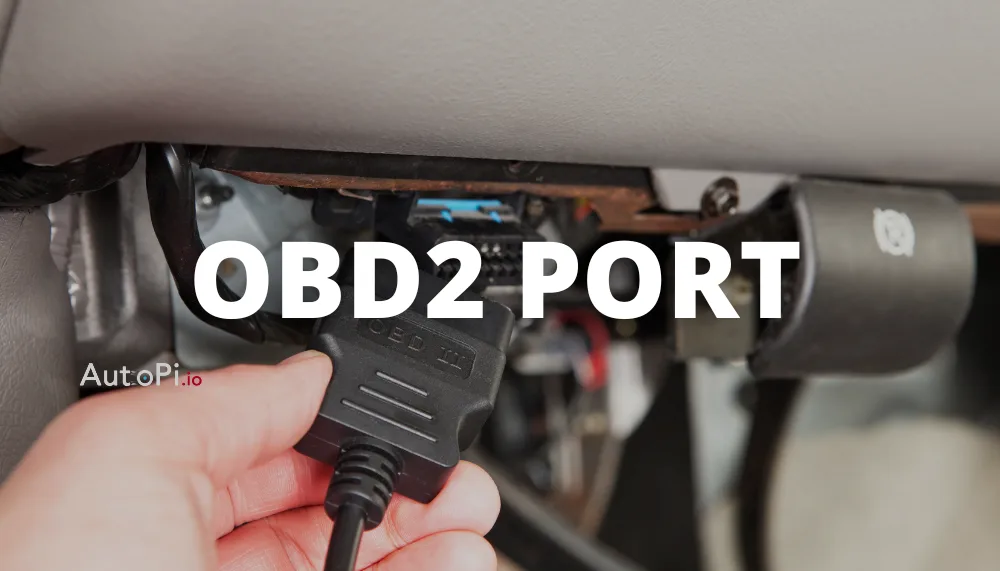
Image source: Bing (Web (fair-use with source credit))
Step 1: Scan for Codes
Plug a basic OBD-II reader into the port under your dashboard. Turn the ignition to "on" without starting the engine. Pull any stored codes and write them down.
Record the freeze-frame data too. This snapshot captures engine RPM, coolant temperature, and fuel trim at the exact moment the fault occurred.
Step 2: Check Oil Level and Condition
Pull the dipstick. Low oil on a Theta II engine is a serious red flag. If the level is full but the oil looks metallic or smells burned, that points toward internal bearing wear.
Stop there and get a professional inspection.
Step 3: Inspect the Throttle Body
Remove the intake hose and look at the throttle plate. A thin film of carbon is normal. A thick black crust is not.
If you can see buildup, try a cleaning before replacing any parts.
Step 4: Test Fuel Pressure
If you have a pressure gauge, connect it to the fuel rail test port. Compare the reading to the spec for your engine. Numbers well below spec point to a weak pump.
Step 5: Check Sensor Connections
Wiggle-test the crankshaft and camshaft position sensor connectors while the engine idles. If the engine stumbles or dies, you've found a loose or corroded plug. Sometimes the fix is a cleaned connector, not a new sensor.
When To Stop DIY
If the scan tool shows no codes, oil checks out, and the throttle body is clean, you've reached the limits of driveway diagnosis. A stalling problem with no clear diagnostic trail needs a technician with live data access and Hyundai-specific tools. If your vehicle is also making grinding noise when braking, that combination demands professional attention right away.
What Repairs Actually Cost: Sensors, Fuel Pumps, and ECU Updates
Price matters, and costs vary depending on whether you go independent or dealership. Here's what to expect as of 2026 based on aggregate repair data.
| Repair | Parts Cost | Independent Shop | Dealership | Total Range |
|---|---|---|---|---|
| Crankshaft position sensor | $40 to $120 | $80 to $150 | $120 to $250 | $120 to $370 |
| Camshaft position sensor | $35 to $100 | $70 to $130 | $100 to $200 | $105 to $300 |
| Throttle body cleaning | N/A | $80 to $150 | $100 to $200 | $80 to $200 |
| Throttle body replacement | $150 to $400 | $100 to $180 | $150 to $300 | $250 to $700 |
| Fuel pump replacement | $100 to $350 | $150 to $300 | $200 to $450 | $250 to $800 |
| MAF sensor replacement | $50 to $200 | $60 to $120 | $80 to $180 | $110 to $380 |
| ECU software update | $0 to $150 | N/A | $0 to $200 | $0 to $200 |
| Full engine replacement | $4,000 to $7,000 | $1,500 to $2,500 | $2,000 to $3,500 | $5,500 to $10,500 |
ECU updates are sometimes free if tied to an open recall or service campaign. Always check first. Engine replacement costs depend on whether you're getting a remanufactured unit and whether your engine qualifies for extended warranty coverage.
Stalling already removes your power brake boost. If your brakes also squeal at low speed, that combination is a safety emergency.
Mistakes To Avoid When Your Tucson Keeps Stalling
The biggest mistake Tucson owners make is throwing parts at the problem before reading codes. Guessing replaces parts that weren't broken. Then the real failure keeps happening and you're out hundreds of dollars.
Another common error is ignoring stalls that don't set a check-engine light. Software-related shutdowns often stay silent. A full OBD-II scan with freeze-frame data is still worth doing.
Some issues only show up in live data, not stored codes.
Don't keep driving through repeated stalls. Every shutdown kills your power steering and brake boost. If it happens on the highway, pull over when it's safe and call a tow truck.
When stall-related brake loss is combined with brakes that won't respond at all, stop driving immediately.
Document every single occurrence. Write down the date, mileage, outside temperature, and exactly what the engine was doing before it cut out. That log settles "couldn't reproduce" arguments at the service desk.
Finally, don't accept a warranty denial without checking the recall list twice. If your VIN shows an open campaign, Hyundai covers the fix. Escalate to customer care if the dealer pushes back.
If the car also hesitates while shifting, check for shifting problems before assuming the engine is the only problem.
Frequently Asked Questions
Here are the questions Tucson owners ask most often about stalling.
Can a bad crankshaft sensor cause intermittent stalling?
Yes. A failing crankshaft position sensor can cut engine power at random. It often stalls the car at idle or low speed, then lets it restart after a few minutes.
If you're getting P0335 or P0336 codes, replace the sensor soon.
Why does my Tucson stall but restart right away?
Intermittent stalls that clear quickly often come from the crankshaft sensor, throttle body, or a software glitch. The ECU may reset itself after a few seconds. Recreating the issue is tricky.
A scan tool with live data is the best way to catch it.
Is it safe to drive a car that stalls randomly?
No. Stalling eliminates power steering and power brakes. In traffic, that can cause a crash.
If your Tucson has stalled more than once, drive only when necessary and get it diagnosed before your next commute.
Does the Hyundai warranty cover engine stalling repairs?
It depends on the cause and your coverage. The powertrain warranty covers engine components for 10 years or 100,000 miles for the original owner. Second owners get 5 years or 60,000 miles.
If the failure triggers an open recall, coverage is automatic.
Final Verdict: Fix It, Trade It, or Walk Away?
The right call comes down to three numbers: the repair quote, your car's book value, and the model year. Start there, and the decision gets clearer.
Fix it if: the repair is under $800 and the rest of the Tucson is solid. Sensor replacements, throttle body cleaning, and software updates are routine costs. A single fix now beats a monthly payment later.
Trade it if: you own a 2016 to 2020 Tucson with Theta II engine bearing wear and the quote reaches five figures. Even if the warranty covers parts, some owners face long waits and repeat failures. Trading while the engine still runs preserves your resale value.
Walk away if: a mechanic tells you the stalling is intermittent and can't be reproduced. That's a red flag. If the car keeps dying with no diagnosis and no fix, it's a safety liability.
Sell it with a full disclosure and move on.
No matter which path you take, keep every repair record. The paper trail is your proof for warranty claims, trade-in negotiations, and buyer questions.



One Comment on “Hyundai Tucson Engine Stalling”