If your Hyundai Tucson battery keeps dying, you're not imagining things. This is a surprisingly common complaint across recent Tucson generations, and it can be frustrating when it happens with no warning. The key insight our research keeps turning up is that the battery is often the victim, not the root cause.
Modern Tucsons are packed with electronics that can drain power even when parked. Pinpointing the culprit matters more than replacing parts blindly. Industry standard measurements place a healthy parasitic draw at under 50 milliamps once the vehicle's modules go to sleep, and many Tucson owners report draws several times that figure.

49% off Today's Exclusive Deals
Limited-time Exclusive Deals. Check current discount on Amazon.
Check Price on Amazon As an Amazon Associate I earn from qualifying purchases.Let's walk through the diagnostic path that separates the real cause from the symptoms.
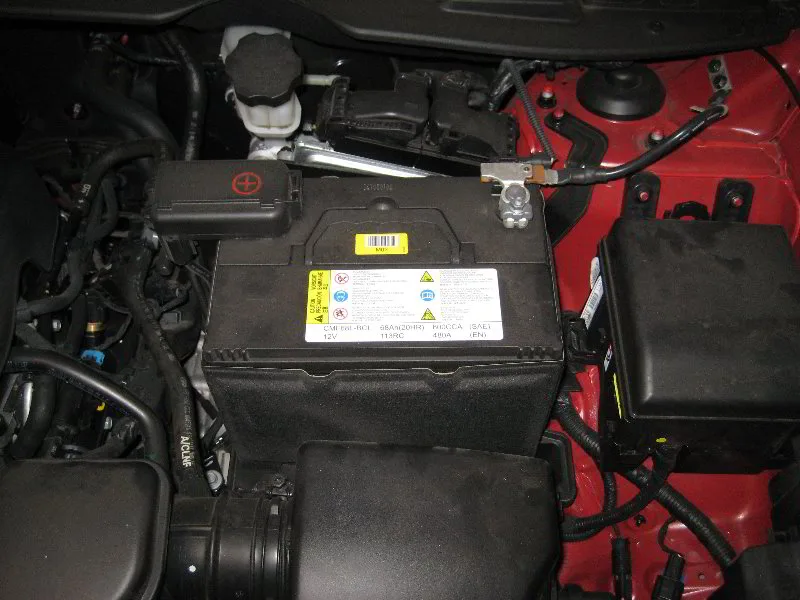
Image source: Bing (Web (fair-use with source credit))
49% off Today's Exclusive Deals
Limited-time Exclusive Deals. Check current discount on Amazon.
Check Price on Amazon As an Amazon Associate I earn from qualifying purchases.Quick Answer
Test before you replace anything. Most Tucson battery drains come from the telematics unit or smart tailgate. A healthy resting voltage reads 12.6V.
Normal parasitic draw stays under 50 mA. Start with the three diagnostics below.
Why Your Tucson Battery Keeps Dying
The Tucson has a lot of technology working quietly in the background. When the 12-volt battery dies repeatedly, the problem usually falls into one of four categories. The battery itself has failed, the charging system is not working properly, the car is not driven enough to replenish the charge, or something is draining power while parked.
As of 2026, newer Tucson models use an AGM battery that resists vibration and handles repeated discharge better than standard flooded batteries. That does not make it immune to failure. The most telling clue is the failure pattern.
49% off Today's Exclusive Deals
Limited-time Exclusive Deals. Check current discount on Amazon.
Check Price on Amazon As an Amazon Associate I earn from qualifying purchases.If the car dies after sitting overnight, a parasitic draw is likely. If it dies after a few days, expect a slow drain or a weak battery. If the car dies while driving, focus on the alternator or a loose belt.
Write down exactly when the battery fails. That simple step eliminates half the possible causes before you pop the hood.
| Failure Pattern | Most Likely Cause |
|---|---|
| Dead after overnight | Parasitic electrical drain |
| Dead after 3–5 days parked | Weak battery or slow telematics drain |
| Dead while driving | Failing alternator or loose connections |
| Dead in cold weather only | Aging battery, low charge from short trips |
Read the Symptom Pattern First: Overnight, After a Few Days, or While Driving?
If the Tucson starts fine in the morning but dies in the parking lot after sitting for eight hours, that is an aggressive drain. Something is staying awake when it should be sleeping. The usual suspects on newer Tucsons are the Data Communication Module (DCM), the smart power tailgate, or an aftermarket device.
If the battery survives a day or two but is dead after a long weekend away, the drain is either small or the battery is failing under load. A battery that cannot hold a charge will lose voltage gradually. This pattern also shows up with short-trip driving, where the alternator never has enough time to replace the energy used at startup.
If the Tucson dies while driving or right after stopping, the charging system is the more likely problem. A failed alternator stops sending voltage to the battery, leaving the car running off stored power until the battery empties. A loose serpentine belt or corroded battery cables can produce the same result.
Aggregate reviews from owner forums confirm the most common complaint is short-trip driving combined with the Tucson's extensive electronics. Many owners park their car for days, only to find it dead. The dashboard says "Battery Discharged" or the key fob will not unlock the doors.
That points to a module waking the car repeatedly to communicate or check sensors.
Run These Three Tests Before You Buy Anything: Voltage, Load, and Alternator Output
Do not replace the battery yet. A new battery will fix a bad battery, but it will not fix a drain, and you will be back to square one in a few weeks. Run three quick tests that take about twenty minutes total.
These steps follow the same diagnostic sequence a dealership uses, just without the labor rate.
The first test measures resting voltage. The second checks the battery's ability to deliver current. The third confirms the alternator is producing enough voltage to charge the battery while running.
All three require a digital multimeter, which costs around fifteen to twenty-five dollars at any auto parts store.
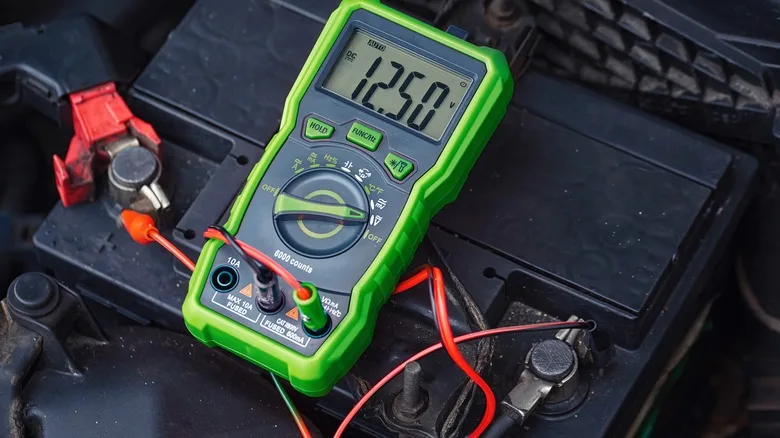
Image source: Bing (Web (fair-use with source credit))
Step 1: Check the Resting Voltage with a Multimeter
Leave the Tucson parked and untouched for at least four hours. Pop the hood and set your multimeter to DC volts. Connect the red lead to the positive battery terminal and the black lead to the negative terminal.
A fully charged battery should read about 12.6 volts. If it reads below 12.4 volts, the battery is only partially charged. Below 12.2 volts means it is meaningfully discharged, and any reading under 12 volts means the battery is nearly empty.
Avoid testing right after driving. A surface charge will give a falsely high reading. Turn the headlights on for thirty seconds, turn them off, and wait five minutes before testing.
Step 2: Run a Battery Load Test Against the CCA Rating
Resting voltage only tells you if the battery has charge. It does not tell you if the battery can deliver current. Cold Cranking Amps (CCA) is the standard measurement for this.
The Tucson's factory AGM battery typically carries a CCA rating between 600 and 700, depending on the trim and engine.
Use a handheld battery tester, sometimes called a conductance tester, to run a load test. These devices apply a small electrical signal and measure the battery's internal resistance. The tester then compares the result against the battery's rated CCA.
If the tester says "Replace Battery," trust it. If the battery passes, the problem is elsewhere.
For a free alternative, take the battery to a local parts store that performs free load testing. They use a carbon pile tester that applies a heavy load for a few seconds. Just make sure the battery is fully charged before the test, or the result will be misleading.
Step 3: Measure Alternator Output at Idle
With the battery confirmed healthy or replaced, start the engine. Measure the voltage across the battery terminals with the multimeter. A functioning alternator should produce between 13.5 and 14.8 volts at idle with no accessories running.
Turn on the headlights, the HVAC fan, and the rear defroster to add load. Voltage should stay above 13.2 volts.
If the alternator reads below 13 volts under load, the charging system is weak. If it reads above 15 volts, the voltage regulator is overcharging, which can cook a battery in a matter of months. Either way, the alternator needs professional attention, and further DIY diagnosis stops here.
Fixing a weak charging system can also help other electrical quirks like dim headlights or a cooling fan that behaves oddly.
If the Battery and Alternator Are Fine, Hunt the Parasitic Drain
A healthy battery and a functioning alternator leave one obvious remaining cause: something is drawing power when the car is off. The Tucson's body control modules are supposed to enter sleep mode after a few minutes. A parasitic drain occurs when a module stays awake, constantly polling sensors or maintaining network communication.
You need two tools for this step: a multimeter capable of measuring DC amps or a DC current clamp, and patience. The process requires the vehicle to enter sleep mode, then you check the current flow. Modern Tucsons take between 20 and 30 minutes to fully sleep after locking and closing the doors.
A reading above 50 milliamps indicates an abnormal draw. Some owners report parasitic draws of 0.2 to 0.5 amps, which translates to roughly 5 to 12 amp-hours per day. That is enough to kill a healthy battery overnight.
To isolate the culprit, pull fuses one at a time and watch the multimeter. When the reading drops, you have found the circuit.
To begin, connect the multimeter in series with the negative battery cable and the negative battery post. Or use a DC current clamp around the negative cable for a non-invasive reading. The clamp route is safer, since a multimeter in series can blow its fuse if the doors are opened or a module wakes up suddenly.
The Hyundai DCM Telematics Unit — The Most Common Culprit
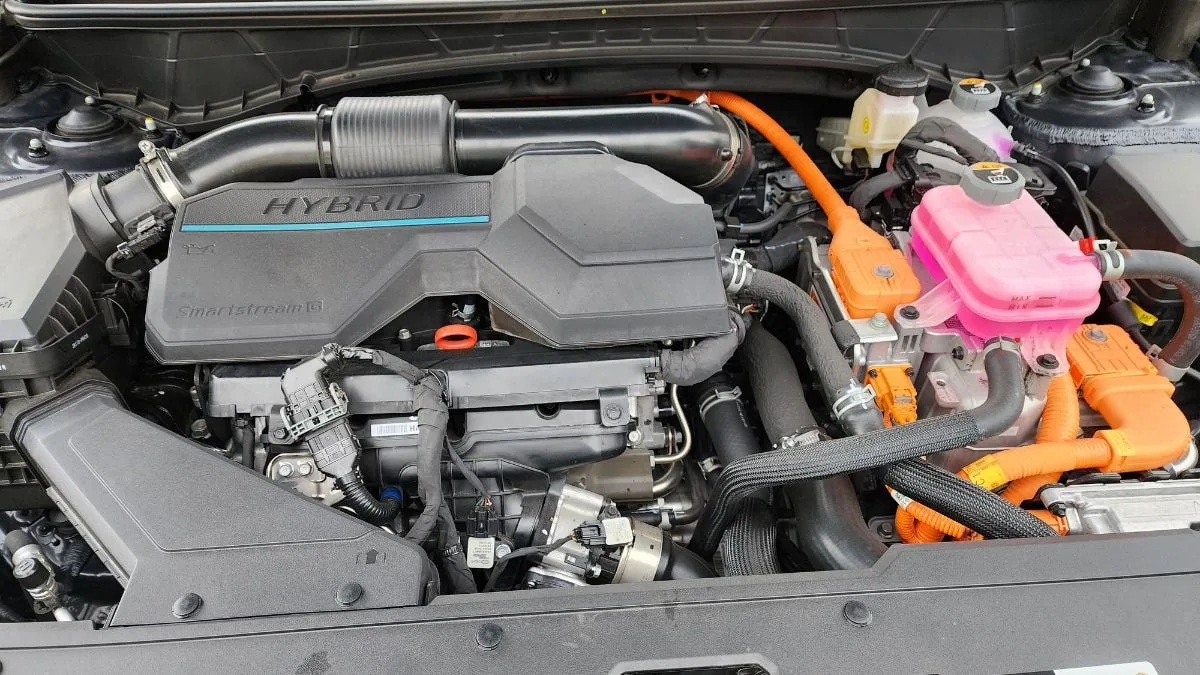
Image source: Bing (Web (fair-use with source credit))
The Data Communication Module handles connected services like remote start, location tracking, and over-the-air updates. On many 2022 and newer Tucson models, the DCM has been the source of overnight battery drain. The module wakes periodically to check for commands or upload data, and sometimes it fails to return to sleep.
In our research, the DCM consistently shows up in owner-reported drain cases more than any other singular module. If the fuse-pull test points to the DCM circuit, the fix is usually a software update performed by the dealership. Hyundai has released updated firmware for the module's sleep behavior.
Rarely, the module itself needs replacement.
The DCM is usually located in the headliner near the rearview mirror or behind the dashboard. Do not attempt to replace it yourself. Firmware updates require official dealer equipment, and a new DCM typically requires activation and programming.
Smart Power Tailgate: The Sensor That Wakes the Car
The smart power tailgate uses radar sensors in the rear bumper to detect your presence and open the hatch automatically. The sensors are designed to remain in a low-power standby state, but they sometimes enter a fault condition where they poll continuously. This keeps the rear body control module awake.
Owner reports describe the issue appearing after a wash, a hit on the rear bumper, or even randomly. If the tailgate module is the drain source, disconnecting the smart tailgate fuse for a few days is a useful confirmation step. If the battery holds charge with the fuse removed, the tailgate module needs service.
Hyundai has issued software logic updates for the power tailgate control unit in some model years. A quick check with dealer service records can confirm whether your VIN is covered.
Aftermarket Add-Ons: Dash Cams, USB Chargers, and Remote Starters
Aftermarket devices are the most common drain we can blame on human error. A dash cam wired to the fuse box can run in parking mode all night. An "always on" USB charger with a voltage display can draw a constant trickle.
A poorly installed remote start system can keep the body control module awake all day.
The factory cigarette lighter and USB ports in the Tucson are typically switched off with the ignition, but hardwired accessories bypass that protection. If you recently added anything electrical, disconnect it and repeat the parasitic draw test. Adding one accessory at a time isolates the device.
Gas vs. Hybrid vs. PHEV Tucson: Same Warning, Different 12V System
This is where owners get confused. The Tucson hybrid and plug-in hybrid have a high-voltage battery pack for propulsion and a separate small 12-volt auxiliary battery for electronics. When the 12V battery dies, the car cannot start the high-voltage system.
The dashboard lights up, the infotainment works, but the ignition does not engage.
In gas models, the 12-volt battery sits under the hood like most cars. In hybrid and plug-in hybrid models, the 12V battery is tucked away in the rear cargo area, hidden behind a trim panel. That location confuses owners looking under the hood and also makes the battery harder to inspect and maintain.
Gas Tucson: Accessory Mode, Short Trips, and Idle Stop & Go
The gas Tucson is vulnerable to a cycle of short trips and accessory mode usage. If you drive less than twenty minutes a day, the alternator may not fully replace the charge used at startup. The Idle Stop & Go system adds extra battery demand, especially in city traffic.
If the battery is borderline, the ISG system stops working before the car itself dies, which is an early warning sign.
If the car struggles to start and shows warning lights, it is worth checking for unrelated electrical problems too. A car with routine braking issues or faulty turn signals can present a similar voltage profile when the charging system is compromised.
Hybrid and PHEV: The 12V Battery Hiding in the Cargo Area
Hybrid owners face an additional quirk. The 12-volt battery is not charged directly by the alternator. Instead, the car converts energy from the high-voltage battery when needed.
If the 12V battery is weak, the system may fail repeatedly because it never receives a proper charge to recover.
If the hybrid battery warning appears, try a trickle charge on the 12V battery first. If the 12V battery is over three years old, replacement is a reasonable preventive step. Many hybrid owners report that a new 12V battery resolves a cascade of warning lights that dealerships had blamed on the high-voltage system.
Common Tucson Battery Troubleshooting Mistakes That Waste Money
The biggest mistake is throwing a new battery at the problem without testing. A drain will kill the new battery just as fast as the old one. The second mistake is using a cheap trickle charger on a deeply discharged AGM battery, which can permanently reduce its capacity.
Third, many owners tighten the battery terminal bolts loosely after a swap and ignore a corroded ground cable.
Another frequent error involves the wrong battery specification. The Tucson requires a specific group size and CCA rating. Installing a battery with lower CCA may fit, but it will struggle in cold weather and with the ISG system.
Check the owner's manual or the label on the existing battery before buying a replacement.
Finally, failing to reset the Battery Management System after replacing the battery can cause the car to undercharge the new unit. Many 2021 and newer Tucsons require a BMS reset using a diagnostic scan tool. Without that reset, the car's charging logic still thinks the old, failing battery is installed, and it undercharges the new one.
This is a leading cause of premature battery failure in vehicles like the Tucson. A weak charging state can also make other systems act up, such as sluggish power windows or a weak horn.
Frequently Asked Questions
How do I find a parasitic draw on a Hyundai Tucson?
Use a DC current clamp on the negative battery cable. Lock the car and wait 20 to 30 minutes for sleep mode. The reading should settle below 50 milliamps.
Pull fuses one by one until the draw drops. The circuit that stops the drain is where the problem lives.
Why does my Tucson battery die after sitting for a few days?
A slow drain or a weak battery is usually behind this. The telematics module and smart tailgate sensors are the most common drains on newer Tucsons. Test the resting voltage first, then measure the overnight current draw.
Low voltage also causes other odd behavior, like dim headlights and sluggish power windows.
Can a Hyundai Tucson hybrid have a 12-volt battery problem?
Yes. Hybrid and plug-in hybrid Tucsons use a small 12V auxiliary battery mounted in the cargo area. When it fails, the car may show warning lights or refuse to start even though the high-voltage pack is fine.
Charge or test the 12V battery first, and replace it if it is over three years old.
How do I reset the battery management system after replacing my Tucson battery?
You need a scan tool with battery registration capability or a trip to the dealership. The BMS reset tells the charging logic that a fresh battery is installed. Without it, the car may undercharge the new battery and shorten its life.
Some owners also report a weak horn or slow cranking until the reset is done.
Is it safe to jump-start a Hyundai Tucson hybrid?
Use the dedicated jump terminals under the hood, never the battery terminals in the cargo area. Follow the connection sequence in the owner's manual. If you are unsure, check the factory guidance on Hyundai's official owner portal before touching the cables.
A correct jump start prevents damage to the vehicle's sensitive electronics.
The Final Decision Guide: When to DIY, When to Call the Dealer
If the tests point to a simple battery failure, replace it yourself. If the drain traces to a Hyundai module, let the dealer handle it. Here is the quick branch path.
| Diagnosis | Best Move |
|---|---|
| Battery fails load test | Replace with the correct H6 group size and CCA rating |
| Battery healthy, no draw found | Charge fully, reset BMS, monitor |
| Draw on DCM or tailgate circuit | Schedule dealer software update |
| Draw on aftermarket device | Disconnect or rewire the accessory yourself |
| Alternator output below 13V | Have the charging system professionally repaired |
Dealerships have factory scan tools that watch module activity during sleep mode. They also see current service bulletins for your VIN. That makes them the most reliable option for diagnosing a drain that only happens overnight.
Before you give up, check the simple stuff. Corroded terminals, a loose negative cable, or leaving the car unlocked for days can mimic a serious electrical fault. Tighten the connections and change your parking habits first.
In our research, that alone fixed many repeat dead-battery complaints.



6 Comments on “Hyundai Tucson Battery Keeps Dying”