Testing your winch performance is one of the smartest steps you can take before heading out for off-road adventures, rescue missions, or heavy-duty work. Whether you’re new to winches or you’ve used them for years, proper testing helps you understand your equipment’s real power, speed, and reliability.
Many users focus only on the specs written on the box, but real-world results often differ. In this guide, you’ll learn how to test winch performance step by step, including which numbers matter most, how to avoid common mistakes, and how to compare your results with industry standards.

49% off Today's Exclusive Deals
Limited-time Exclusive Deals. Check current discount on Amazon.
Check Price on Amazon As an Amazon Associate I earn from qualifying purchases.You’ll also discover some insights that most beginners overlook, making your winch testing safer and more accurate.
Understanding Winch Performance
Before you start testing, it’s important to know what “winch performance” means. Most people think only about pulling power, but performance includes several factors:
- Line pull: The maximum force your winch can apply to move a load.
- Line speed: How quickly the winch pulls the cable or rope.
- Motor efficiency: How much energy the winch uses compared to the work it does.
- Thermal limits: How hot the motor gets during use.
- Control and response: How smoothly the winch starts, stops, and reverses.
To fully test a winch, you need to measure each of these factors. For example, two winches might have the same rated capacity, but one could be much slower or heat up faster than the other.
49% off Today's Exclusive Deals
Limited-time Exclusive Deals. Check current discount on Amazon.
Check Price on Amazon As an Amazon Associate I earn from qualifying purchases.Preparing For Winch Testing
Testing a winch is more than just hooking it to something and pulling. Proper preparation ensures you get accurate results and avoid damaging your equipment.
Choosing The Right Tools
You’ll need some basic tools and equipment:
- Dynamometer: Measures pulling force.
- Stopwatch: Tracks speed.
- Infrared thermometer: Checks motor temperature.
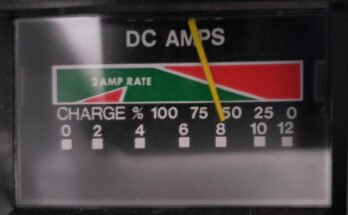
- Volt/amp meter: Monitors electrical draw.
- Strong anchor point: Usually a tree, vehicle, or ground anchor.
- Protective gloves: For safety.
If you don’t have a dynamometer, you can use a heavy-duty spring scale, but results may be less precise.
Safety Considerations
Safety is crucial. Winches are powerful and can cause injury if used incorrectly.
49% off Today's Exclusive Deals
Limited-time Exclusive Deals. Check current discount on Amazon.
Check Price on Amazon As an Amazon Associate I earn from qualifying purchases.- Always wear gloves when handling cables or ropes.
- Keep bystanders away from the winch line.
- Use a winch dampener (a weighted blanket) on the cable to reduce recoil risk if it snaps.
- Inspect the cable, hook, and winch before testing for damage or wear.
- Make sure your anchor point is solid and will not move.
Setting Up The Testing Environment
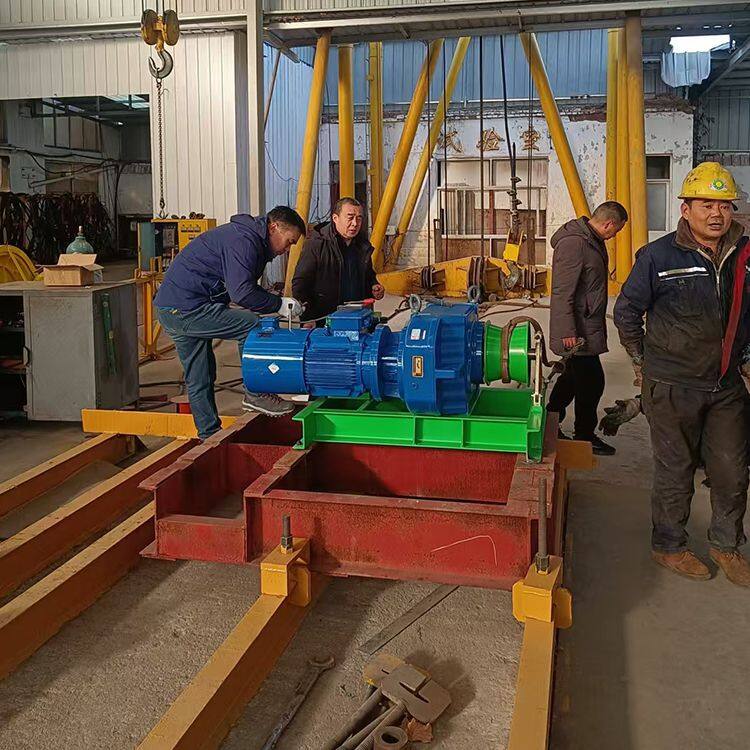
Ideally, test your winch in a controlled environment—like a garage or open field. The ground should be flat and stable. Avoid testing on slopes or near obstacles.
Attach the winch to a load that matches or slightly exceeds its rated capacity for maximum stress testing. For lighter tests, you can use weights or a vehicle of similar mass.
Step-by-step Winch Performance Testing
Now let’s break down the actual process into clear steps. Follow these to get reliable results.
1. Measuring Line Pull
Line pull is the most important performance indicator. It tells you how much weight your winch can move.
- Attach the winch cable to the dynamometer, then connect to the anchor.
- Gradually apply power, increasing tension until the winch starts to pull.
- Record the maximum force shown on the dynamometer.
- Compare this value to the winch’s rated line pull.
Non-obvious tip: Always test with a fully charged battery. Low battery voltage can reduce pulling power by 20% or more.
2. Measuring Line Speed
Line speed matters when you need to rescue a vehicle quickly or finish a job fast.
- Mark a section of cable (for example, 10 feet).
- Use the stopwatch to time how long the winch takes to pull in that length at full load.
- Divide the distance by the time to get speed (feet per minute).
Some winches slow down under heavy load. Record speed both at no load and at full load for accurate comparison.
3. Checking Motor Efficiency And Electrical Draw
Winches use a lot of power. Monitoring electrical draw helps you see if your winch is working efficiently.
- Connect the volt/amp meter to your winch’s power supply.
- Run the winch at full load and record the voltage and amperage.
- Compare these numbers to the manufacturer’s specs.
If your winch draws much more current than expected, it could be less efficient or have internal issues.
4. Monitoring Thermal Limits
Winch motors heat up quickly. Overheating can damage the motor and reduce performance.
- Use the infrared thermometer to check motor temperature before, during, and after testing.
- Record the highest temperature reached.
- Most winches are safe up to 180°F (82°C), but always check your manual.
Non-obvious tip: Pause the test if the motor gets hot fast. Some winches need rest periods to prevent permanent damage.
5. Testing Control And Response
Good winches respond quickly and smoothly to controls. To test:
- Use the remote to start and stop the winch repeatedly.
- Check for delays, jerky movements, or inconsistent speed.
- Try reversing the winch to see if it changes direction smoothly.
Compare your winch’s response with others or manufacturer claims.
Comparing Winch Performance: Real Data
To help you understand how your winch stacks up, here’s a sample comparison of three popular winches:
| Winch Model | Rated Line Pull (lbs) | Line Speed (ft/min at full load) | Motor Temp (°F after 5 min) | Current Draw (Amps) |
|---|---|---|---|---|
| Warn VR EVO 12 | 12,000 | 2.5 | 165 | 430 |
| Smittybilt X2O 10 | 10,000 | 3.2 | 175 | 410 |
| Superwinch Tiger Shark 9.5 | 9,500 | 4.0 | 160 | 390 |
Notice how line speed drops as rated pull increases. Higher power often means slower operation under full load. Also, the motor temperature shows the need for cooling periods.
Common Mistakes And How To Avoid Them
Many users make errors that can affect their results or even damage their winch. Here are the most frequent mistakes—and how you can avoid them.
- Testing with a weak battery: Always charge your battery before testing. A weak battery can make even the best winch look bad.
- Ignoring cable condition: Frayed or kinked cables reduce performance and safety. Inspect before every test.
- Not measuring at full load: Some users only test their winch empty. Always test at or near the rated load for true results.
- Skipping thermal checks: Motor heat can build up fast. Monitor and pause if necessary.
- Using an unstable anchor: If your anchor moves, your test is useless and dangerous. Secure it well.
- Failing to record results: Write down your numbers. It’s easy to forget or mix up data.
Pro tip: Video record your tests. Reviewing footage can reveal speed changes or jerky movement you missed live.
Interpreting Your Results
Once you’ve completed your tests, you need to understand what the results mean. Here’s how to interpret each number:
- Line pull: If your winch achieves at least 90% of its rated capacity, it’s working well. Less than this suggests maintenance or possible replacement.
- Line speed: Compare your speed to the industry average. For 10,000 lb winches, 2–4 feet per minute under full load is normal.
- Motor temperature: If the motor stays below 180°F (82°C), you’re safe. Higher numbers mean you need shorter pulls or cooling breaks.
- Current draw: High current with low line pull means inefficiency. This could be due to worn gears or poor lubrication.
- Control response: Slow or jerky controls are often a sign of electrical issues or worn parts.
If your winch falls short in several areas, consider professional servicing.
Advanced Winch Testing: For Experienced Users
If you’re comfortable with basic tests and want deeper insights, try these advanced methods:
Load Simulation
Instead of just pulling weights, simulate real-world loads. For example:
- Pull a vehicle out of mud to see how the winch handles resistance.
- Use a snatch block to double the line pull and test at higher loads.
This shows how your winch performs in actual situations.
Continuous Operation Testing
Run the winch for long periods (10–15 minutes) and monitor speed, temperature, and electrical draw. This helps predict performance during rescues or heavy work.
Insider tip: Many winches slow down after a few minutes as the motor heats up. If yours stays consistent, it’s higher quality.
Comparing Winch Types
There are two main winch types: electric and hydraulic. Each has different performance traits. Here’s a quick comparison:
| Feature | Electric Winch | Hydraulic Winch |
|---|---|---|
| Power Source | Vehicle battery | Power steering pump |
| Line Pull Consistency | Varies with battery | Stable over time |
| Continuous Use | Limited by heat | Can run longer |
| Installation | Simple | Complex |
Electric winches are more common, but hydraulic winches are preferred for long, tough jobs.
Winch Maintenance After Testing
Testing can put stress on your winch. Proper maintenance keeps it working well.
- Inspect cable or rope for damage after each test.
- Clean the winch drum and gears.
- Lubricate moving parts as recommended.
- Check electrical connections for corrosion.
- Store your winch covered and dry.
Expert tip: If your winch failed any tests, fix the problem before using it again. Sometimes, simple cleaning or lubrication restores performance.

Real-world Examples And Statistics
According to industry data, about 15% of winches tested in the field fail to meet their rated line pull. Most failures are due to poor battery condition, old cables, or neglected maintenance.
A test by the Overland Journal found that line speed drops by up to 40% when pulling at maximum load versus no load. Winch motors typically heat up by 30°F after five minutes of heavy use.
These numbers show why real-world testing is essential. Manufacturer specs can be optimistic—actual performance depends on your setup and maintenance.
Practical Tips For Accurate Testing
To get the best results:
- Test on a regular schedule—every six months or before big trips.
- Keep a logbook of test results for each winch.
- Use the same anchor point and load for each test to compare results over time.
- Upgrade cables and batteries if tests show weak performance.
- Don’t rely only on manufacturer ratings—trust your own data.
Advanced insight: If you use your winch in extreme temperatures (hot or cold), test it in those conditions. Performance can change by up to 20% depending on weather.
Frequently Asked Questions
How Often Should I Test My Winch?
Test your winch at least twice a year or before any major trip. If you use your winch for work or frequent off-roading, test every three months.
What Is The Most Important Winch Performance Metric?
Line pull is usually the most critical. It shows whether your winch can handle the loads you need. However, line speed and motor temperature are also very important for real-world jobs.
Can I Test My Winch Without Special Equipment?
You can check basic functions (pulling, speed) using weights and a stopwatch. For precise results, a dynamometer and volt/amp meter are best. Even simple tests can reveal big problems.
Why Does My Winch Pull Slower Under Heavy Load?
As the load increases, the winch motor works harder and may slow down. Battery voltage drops, and friction rises. This is normal, but a big drop in speed might mean maintenance is needed.
Are Electric Or Hydraulic Winches Better For Performance?
Each type has strengths. Electric winches are easier to install and use but can overheat. Hydraulic winches run longer and pull more consistently but need complex installation. Choose based on your needs and vehicle setup.
Testing your winch performance is a smart, proactive step to ensure safety and reliability. By following the steps above, using real-world data, and avoiding common mistakes, you can trust your winch to perform when you need it most. Remember, manufacturer ratings are only a starting point. Real testing gives you confidence and helps prevent surprises. For more in-depth technical data and standards, visit the Winch Wikipedia page for reliable information. Take the time to test, maintain, and understand your winch—and you’ll always be ready for the challenges ahead.