Your Volkswagen Jetta engine stalling at a stoplight or mid-intersection isn't just annoying. It's dangerous. When the engine cuts out without warning, you lose power steering, brake assist, and forward momentum all at once.
According to NHTSA complaint data, stalling defects account for a significant share of vehicle safety reports each year. For Jetta owners, the cause depends on your engine code, mileage, and maintenance history. Here's what's really happening and how to fix it.

49% off Today's Exclusive Deals
Limited-time Exclusive Deals. Check current discount on Amazon.
Check Price on Amazon As an Amazon Associate I earn from qualifying purchases.Quick Answer
Volkswagen Jetta engine stalling is most often caused by a failing mass air flow sensor, vacuum leaks, a dirty throttle body, or a weak fuel pump. Start by scanning for diagnostic trouble codes with an OBD-II reader. Most fixes cost under $300 with basic tools.
If your Jetta stalls in traffic, pull over safely and do not restart until you identify the problem.
Why Engine Stalling Is a Safety Issue You Can't Ignore
49% off Today's Exclusive Deals
Limited-time Exclusive Deals. Check current discount on Amazon.
Check Price on Amazon As an Amazon Associate I earn from qualifying purchases.Image source: Bing (Web (fair-use with source credit))
When your Jetta's engine dies while driving, you don't just lose the engine. You lose several critical systems at the same time.
Power steering disappears first. The wheel becomes physically heavy, and at highway speed, lane changes turn dangerous. Brake boost drops right after.
Your pedal goes firm and demands much more leg force.
49% off Today's Exclusive Deals
Limited-time Exclusive Deals. Check current discount on Amazon.
Check Price on Amazon As an Amazon Associate I earn from qualifying purchases.Electrical systems flicker or cut. Headlights dim. If it happens at night, visibility plummets.
Other drivers don't expect a car to stop dead in a moving lane. The National Highway Traffic Safety Administration tracks stalling complaints as a distinct safety category for exactly this reason. A battery that keeps dying can mimic some of these symptoms, so proper diagnosis matters.
If your Jetta has stalled even once while moving, treat it as urgent. Don't wait for a repeat.
The Most Common Causes Behind Volkswagen Jetta Engine Stalling
Jetta engines stall for a handful of recurring reasons. Our research across multiple model years and engine codes points to the same short list.
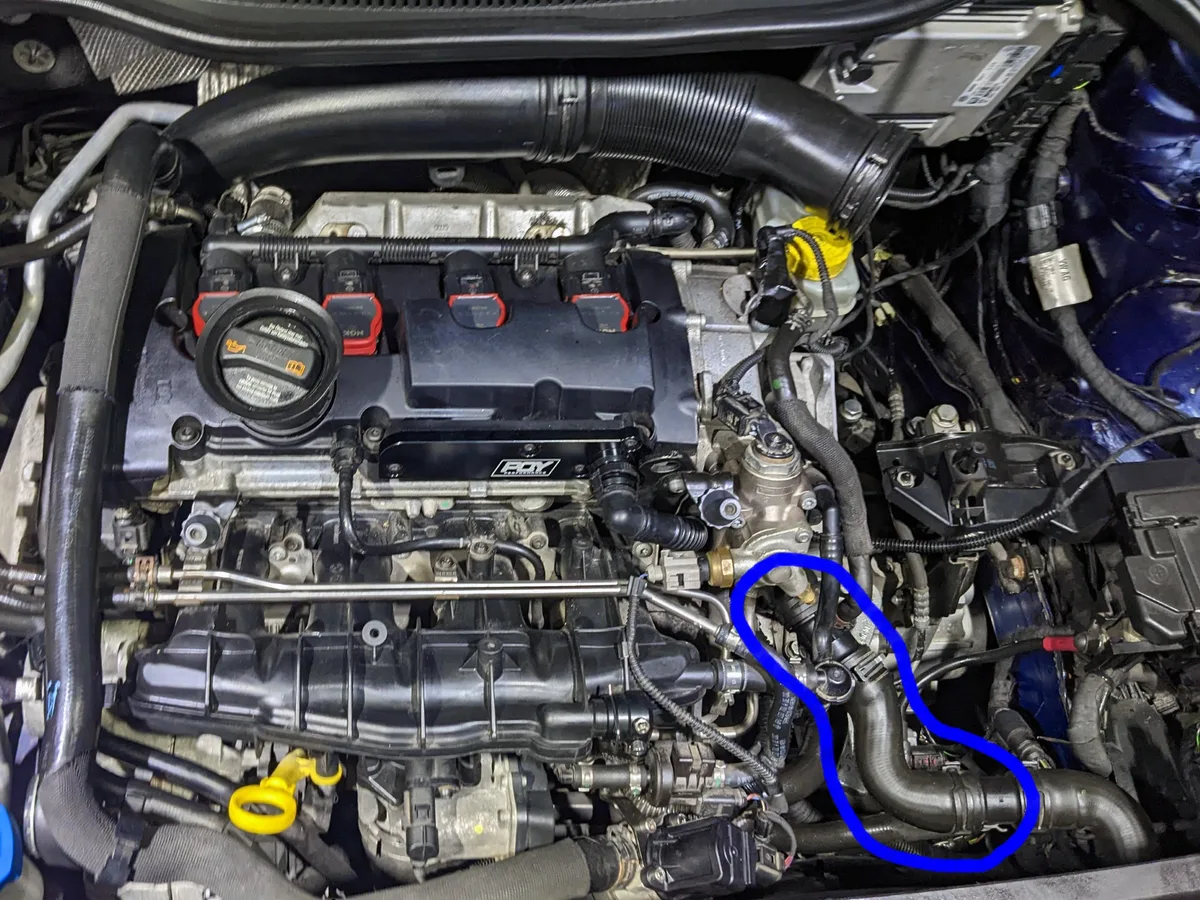
Image source: Bing (Web (fair-use with source credit))
Vacuum Leaks
A cracked or disconnected hose lets unmetered air past the intake manifold. The ECM can't compensate, the air-fuel ratio goes lean, and the engine dies. The 2.5L five-cylinder engines from 2005 to 2014 are especially vulnerable.
Check the PCV valve hose and intake manifold gasket first. Similar issues cause overheating in other vehicles, so the diagnostic habit pays off beyond just your Jetta.
Dirty or Failing MAF Sensor
The mass air flow sensor measures incoming air volume. Oil residue or dirt throws off its readings, and the engine runs too rich or too lean. Cleaning it with MAF-specific spray often solves the problem for under $15.
Replacement parts run $30 to $120.
Carbon-Clogged Throttle Body
Buildup on the throttle plate chokes off airflow at idle. The engine can't hold a steady RPM and drops to zero. Throttle body spray and a rag fix this.
It's one of the cheapest repairs on the list.
Fuel Delivery Problems
A weak fuel pump, clogged filter, or failing pressure regulator starves the engine under load. You'll notice stalling during acceleration and rough running. Engine misfire codes often accompany fuel delivery problems, so watch for P0300-series DTCs on your scanner.
Crankshaft or Camshaft Position Sensor Failure
These sensors tell the ECM where the engine sits in its rotation cycle. When they fail, spark or fuel cuts randomly. Stalling becomes unpredictable and intermittent.
This is a well-documented issue on MK5 and MK6 Jetta generations.
How to Diagnose What Is Making Your Jetta Stall
You don't need dealer-level tools to narrow this down. Follow these steps in your driveway.
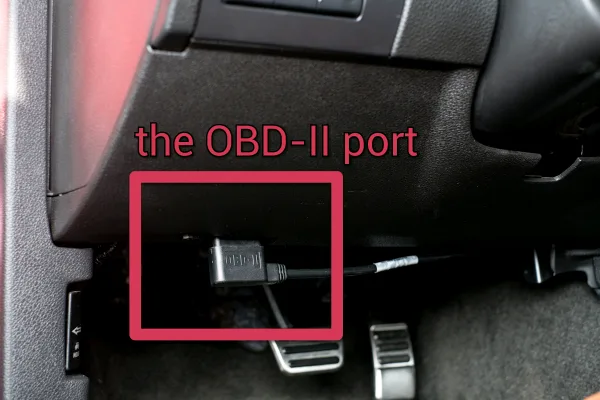
Image source: Bing (Web (fair-use with source credit))
Step 1: Scan for codes. Plug an OBD-II scanner into the port under the dashboard. Pull any stored or pending DTCs. Look for P0101 (MAF range), P0300 (random misfire), P0335 (crankshaft sensor), and P0106 (MAP sensor).
No codes doesn't mean no problem. Some stalling causes never trigger a check engine light.
Step 2: Check for vacuum leaks. Let the engine idle and listen for hissing near the intake manifold. Spray carburetor cleaner around hose connections. If the idle RPM jumps when you spray a particular spot, you found the leak.
Step 3: Inspect the air intake path. Pull the air filter and check for oil contamination. Remove the MAF sensor and look for dirt or film. Clean with dedicated MAF cleaner only.
Never touch the sensor wire with bare fingers. Check engine light diagnosis on related systems follows this same principle of isolating variables one at a time.
Step 4: Test fuel pressure. Connect a fuel pressure gauge to the rail test port. The 2.5L engine should hold roughly 35 to 40 PSI at idle. Low pressure points to a weak pump or clogged filter.
Step 5: Watch live data. If your scanner supports live data streams, monitor short-term fuel trim. Numbers consistently above plus 15 percent or below minus 15 percent mean the ECM is fighting a vacuum leak or receiving bad sensor input.
What Jetta Stalling Repairs Actually Cost
Knowing repair costs helps you avoid overpaying and decide between a weekend DIY project and a shop appointment.
| Repair | DIY Cost | Shop Cost | Difficulty |
|---|---|---|---|
| MAF sensor cleaning | $8 to $15 | $80 to $150 | Easy |
| Throttle body cleaning | $10 to $20 | $100 to $200 | Easy |
| Vacuum hose replacement | $5 to $30 | $80 to $180 | Moderate |
| Crankshaft position sensor | $25 to $80 | $150 to $350 | Moderate |
| Fuel pump replacement | $100 to $250 | $300 to $700 | Hard |
| Ignition coil pack set | $40 to $100 | $120 to $300 | Easy |
For straightforward sensor swaps and cleanings, an independent mechanic or confident DIY approach saves real money. For electrical gremlins requiring live-data analysis, a dealer's diagnostic setup is worth the premium.
As of 2026, independent shop labor in the U.S. typically runs $90 to $160 per hour. Dealership rates often reach $180 to $250. A stalling diagnosis on a Tucson follows the same principle: the more complex the electrical mystery, the more a proper scan tool investment pays for itself.
A basic OBD-II code reader costs $20 to $30 and pays for itself on the first scan. If your Jetta stalls repeatedly and you're unsure about the root cause, spending $100 to $150 on a proper diagnostic session at an independent shop is far cheaper than replacing parts blindly.
When to Stop Driving and Get Professional Help Immediately
Some stalling situations demand immediate action. Others let you limp to a safe spot.
Stop the car and call for a tow if:
- The engine stalls at highway speed and doesn't restart
- You smell gasoline from the exhaust or under the hood
- The engine cranks but won't fire at all
- Warning lights include the oil pressure or temperature gauge climbing into the red
- Stalling happens repeatedly within a short drive
You may drive carefully to a nearby shop if:
- The engine restarts immediately after stalling
- It only stalls at idle, not while moving
- No warning lights accompany the event
- You stay on low-speed, low-traffic roads
Recurring stalling means something in the system is failing progressively. Each time you restart and keep driving, you risk a complete breakdown in a worse location. A car that stalls once could be a fluke.
A car that stalls twice has a pattern, and patterns need real diagnosis.
If your Jetta stalls and the transmission goes into limp mode, do not ignore it. Limp mode is the car's way of protecting itself from further damage. An engine shaking feeling before the stall often means a misfire is building.
Pulling over before the full stall happens gives you more control.
Critical Mistakes That Lead to Misdiagnosis or Worsen the Problem
Throwing Parts at the Problem
The most expensive mistake is replacing the fuel pump, then the coils, then the MAF sensor without diagnosing which one actually failed. A $10 code read tells you where to look first.
Ignoring Small Vacuum Hoses
That tiny plastic elbow connector between the intake manifold and the brake booster costs $3 at the parts store. People overlook it for months while chasing bigger-ticket items. A smoke machine test finds it in minutes.
Using the Wrong Cleaning Products
Spraying generic carburetor cleaner on a MAF sensor destroys the delicate wire filament inside. Always use a cleaner labeled specifically for mass air flow sensors. For the throttle body, standard throttle body spray works fine.
Clearing Codes Without Recording Them
If you clear your check engine light before writing down the codes, you erase the evidence your mechanic needs. Write them down or take a photo of the scanner screen first.
Skipping the Simple Stuff
Before ordering sensors, check your air filter. A completely clogged filter mimics many MAF sensor symptoms. Check your battery terminals for corrosion.
A weak electrical connection causes intermittent stalling that no sensor replacement will fix. Transmission slipping can also create stalling-like symptoms during gear changes, so rule out the obvious first.
Assuming Dealer Diagnosis Is Always Superior
Dealerships use factory scan tools, which genuinely helps for complex electrical problems. But for straightforward mechanical issues like a dirty throttle body or a cracked vacuum hose, their diagnostic fee adds cost without adding value. An experienced independent VW mechanic often catches what flat-rate dealership techs rush past.
Volkswagen Jetta Engine Stalling: FAQs
Why does my Jetta stall only at idle?
Carbon buildup on the throttle plate is the most likely culprit. It chokes off airflow when the throttle is nearly closed. Cleaning the throttle body usually fixes it.
If it doesn't, look for vacuum leaks near the intake manifold gasket or PCV hose.
Can low-quality fuel cause my Jetta to stall?
Yes. Fuel with lower octane than your engine requires can cause detonation and misfires that lead to stalling. Contaminated fuel from a station with dirty storage tanks creates similar symptoms.
Try a tank from a different station and add fuel system cleaner as a test.
How do I know if my fuel pump is failing?
Watch for stalling during acceleration, difficulty starting after the car sits for a few hours, or a whining noise near the rear of the car. A fuel pressure test confirms the diagnosis. Pumps typically fail gradually over months before total failure.
Should I go to a dealership or an independent mechanic?
Independent mechanics with VW experience often cost less and provide more thorough attention for mechanical issues. Dealerships have factory scan tools that reveal hidden fault codes independent readers miss. For intermittent electrical stalling, the dealer's equipment is worth the premium.
Is engine stalling covered under any Volkswagen warranty?
Powertrain warranties cover fuel pumps, sensors, and ignition components on newer models. Coverage varies by model year and mileage. Check your specific warranty booklet or ask a dealer to run your VIN.
Aftermarket warranties may also apply depending on your coverage terms. A persistent gear shift problem tied to stalling could also fall under powertrain coverage.