Using a winch can be one of the most useful skills for anyone who explores off-road, works in construction, or deals with heavy loads. But winches are powerful tools that demand respect and attention to safety. Many accidents happen not because the winch is faulty, but because people overlook simple precautions.
Whether you’re new to winching or have used one for years, understanding safe practices will protect you, your equipment, and everyone nearby.

49% off Today's Exclusive Deals
Limited-time Exclusive Deals. Check current discount on Amazon.
Check Price on Amazon As an Amazon Associate I earn from qualifying purchases.If you’ve ever seen a winch cable snap or witnessed a recovery go wrong, you know how dangerous things can get. A winch can help you pull vehicles out of mud, lift heavy objects, or recover boats, but mistakes can be costly. This guide will walk you through everything you need to know about safe winch use, from preparation to real-life recovery situations. Let’s make sure you never become a statistic.
Understanding Winches And Their Types
Before using a winch, you need to know what kind you’re dealing with. Different winches have different strengths, weaknesses, and safety concerns.
Electric Winches
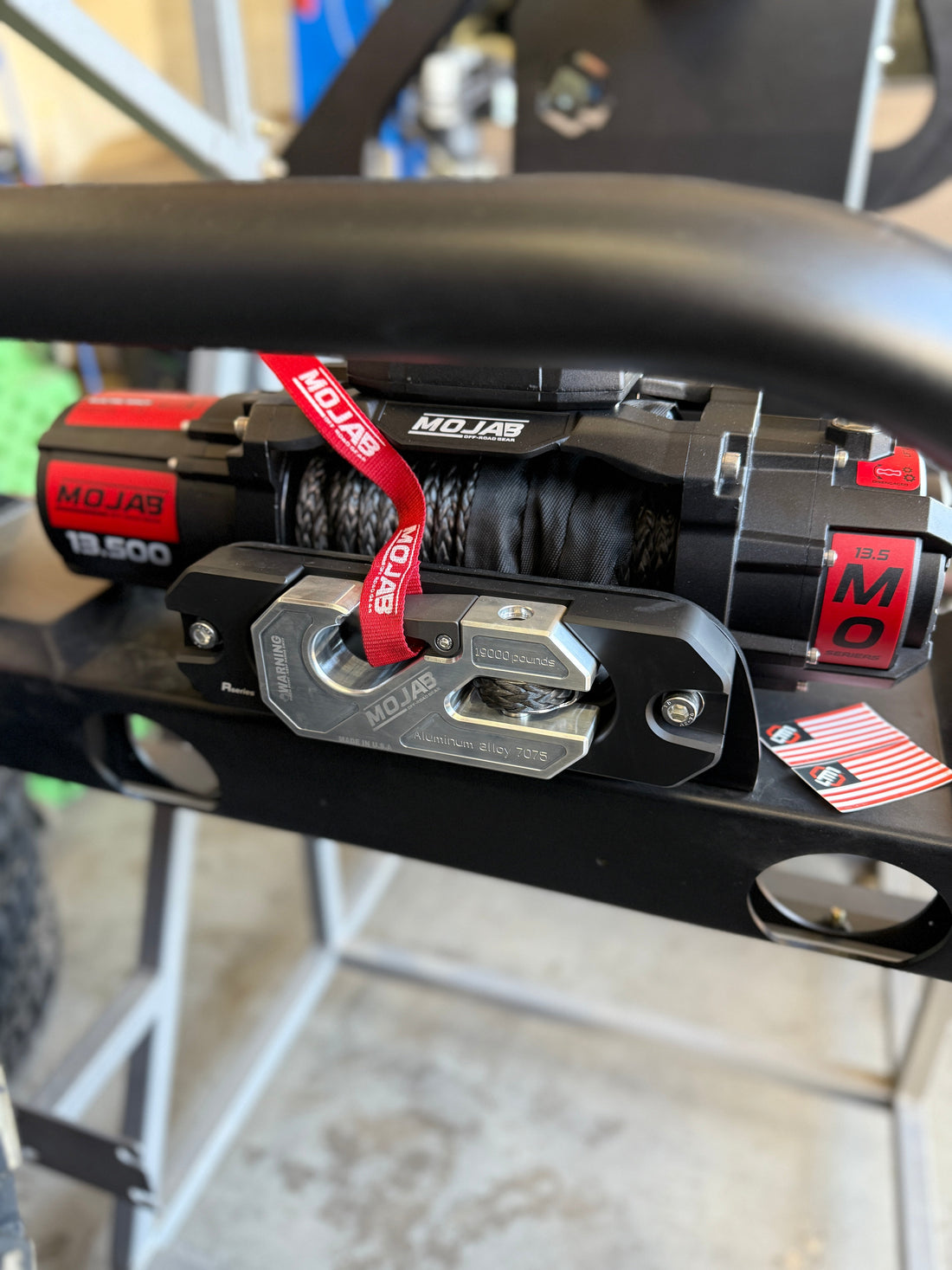
Most off-road vehicles and utility trucks use electric winches. They run on a vehicle’s battery and are popular for their ease of use. Electric winches can handle loads from 2,000 lbs to over 12,000 lbs.
49% off Today's Exclusive Deals
Limited-time Exclusive Deals. Check current discount on Amazon.
Check Price on Amazon As an Amazon Associate I earn from qualifying purchases.Hydraulic Winches
These are common in heavy-duty recovery or industrial settings. Hydraulic winches are powered by the vehicle’s hydraulic system. They offer continuous operation without draining the battery but require more complex installation.
Manual Winches
A manual winch is operated by hand using a crank. These are used for small loads, like trailers or boats, and rarely for vehicle recovery.
Winch Cable Types
The cable is a critical part of your winch. There are two main types:
- Steel cable: Strong, durable, but can store a lot of energy and become dangerous if it snaps.
- Synthetic rope: Lighter, safer if it breaks, but needs more care and is vulnerable to abrasion and UV damage.
Here’s a quick comparison of cable types:
49% off Today's Exclusive Deals
Limited-time Exclusive Deals. Check current discount on Amazon.
Check Price on Amazon As an Amazon Associate I earn from qualifying purchases.| Cable Type | Strength | Weight | Safety | Maintenance |
|---|---|---|---|---|
| Steel Cable | High | Heavy | Can be dangerous if snaps | Low |
| Synthetic Rope | High | Light | Safer if snaps | Higher (needs cleaning, protection) |
Preparing For Safe Winch Use
Preparation is where most people make mistakes. A few minutes here can prevent hours of trouble.
Inspect Your Equipment
Before every use, check your winch, cable, hooks, and mounting points. Look for:
- Frayed cables or ropes
- Bent hooks or shackles
- Loose bolts or mounting plates
- Damaged remote controls
Don’t ignore small problems. A cable that looks slightly frayed can snap under pressure.
Know Your Winch’s Limits
Every winch has a rated line pull—the maximum weight it can safely handle. Never try to pull more than this limit. For example, a 9,500 lb winch means the maximum pull is 9,500 lbs. If your vehicle weighs more, use recovery techniques (like snatch blocks) to reduce the load.
Plan Your Recovery
Think before you act. Ask yourself:
- Where is the anchor point?
- Is the ground stable?
- Who will help you?
- How will you communicate?
Use hand signals or radios if noise is an issue.
Personal Protective Equipment (ppe)
Always wear gloves when handling winch cables, especially steel. Eye protection is smart, too. If you’re working in poor weather or at night, wear a reflective vest.
Step-by-step Safe Winching Procedure
Let’s break down the actual winching process into clear steps.
1. Secure The Anchor Point
Attach the winch cable to a strong anchor. This could be a tree, another vehicle, or a ground anchor. The anchor must be solid—never use weak or dead trees, or objects that can move.
- Use a tree saver strap to protect trees.
- Use a shackle (D-ring) for secure connections.
2. Pull Out The Cable
Unlock the winch clutch and pull the cable or rope to your anchor point. Keep tension on the cable to prevent tangling.
- Avoid letting the cable drag on rocks or mud.
- Never let the cable run through your hands—use gloves.
3. Connect And Check
Attach the cable to the anchor with a shackle or hook. Make sure everything is tight and secure.
- The hook should face upward (opening towards the sky).
- Double-check all connections.
4. Clear The Danger Zone
No one should stand near the cable, anchor, or winch during operation. The “danger zone” is usually within 10 feet of the cable in all directions.
- Use a winch dampener (a heavy blanket or special pad) on the cable. If the cable snaps, this reduces recoil.
5. Start Winching
Operate the winch slowly and smoothly. Watch for:
- Overheating (stop if the winch motor gets hot)
- Cable stacking (make sure the cable winds evenly on the drum)
- Changing tension (listen for strange noises)
Always keep your hands away from the drum and cable.
6. Monitor And Adjust
If the load shifts, stop immediately. Reassess your setup. If something feels wrong, don’t force it. Sometimes a new anchor point or extra snatch block will solve the problem.
7. Finish And Pack Up
When the recovery is done, rewind the cable slowly. Store all gear properly. Check for damage before putting things away.
Common Winching Mistakes And How To Avoid Them
Even experienced users make mistakes. Here are the most frequent errors:
- Pulling at an angle: Always winch straight ahead. Angled pulls can damage the cable and winch.
- Exceeding rated line pull: Trying to pull too much weight leads to equipment failure.
- Ignoring cable stacking: If the cable piles up unevenly, it can jam the drum.
- Standing in the danger zone: Never let people stand near the cable or anchor.
- Skipping equipment inspection: Small issues can become big problems under load.
- Not using a dampener: Winch dampeners are simple but highly effective.
- Anchoring to weak objects: Always use strong, stable anchor points.

Advanced Winching Techniques
Sometimes, basic winching isn’t enough. Here’s how to handle tough situations safely.
Using A Snatch Block
A snatch block is a pulley that lets you change the direction of the cable and double your winch’s pulling power. It’s useful for heavy vehicles or tricky recoveries.
- Attach the snatch block to your anchor.
- Run the cable through the block and back to your vehicle or another anchor.
This spreads the load and reduces strain on your winch.
Double-line Pull
For extra power, use a double-line pull:
- Anchor the snatch block to a tree or another vehicle.
- Run your cable through the snatch block and back to your vehicle’s recovery point.
This technique can cut the load in half and prevent overheating.
Winching Uphill Or Downhill
Uphill pulls need more force. Use snatch blocks to reduce strain. Downhill pulls are risky—vehicles can roll or slide. Always secure the vehicle with chocks or extra anchors.
Side Pulls
Avoid pulling sideways, but if you must, use multiple anchor points. This distributes the force and reduces cable stress.
Here’s a comparison of winching methods:
| Method | Best For | Safety Risk | Extra Equipment Needed |
|---|---|---|---|
| Single-Line Pull | Light recoveries | Moderate | None |
| Double-Line Pull | Heavy vehicles | Low | Snatch block |
| Side Pull | Stuck at an angle | High | Extra anchors |
Winch Maintenance And Storage
A winch is only as safe as its condition. Regular maintenance keeps you safe and extends equipment life.
Cleaning
- Wipe down cables and ropes after every use.
- Remove mud, sand, and debris.
- For synthetic rope, use mild soap and water.
Lubrication
- For steel cables, apply a light oil to prevent rust.
- Avoid over-lubricating—excess oil attracts dirt.
Inspection
- Look for wear and tear every month.
- Check bolts, mounting plates, and electrical connections.
Storage
- Store winches and cables in a dry, cool place.
- Cover the winch on your vehicle to protect it from sun and rain.
A well-maintained winch is far less likely to fail. Many beginners forget that even synthetic rope needs care—it can fray or weaken after too much sun exposure.
Real-life Examples And Data
Winch accidents are more common than many people think. According to the National Safety Council, over 2,000 injuries related to winching occur each year in the US, mostly due to cable failure or improper use.
A study found that synthetic rope reduces injury risk by 60% compared to steel cable, but only if maintained properly. In off-road clubs, the most common recovery mistake is anchoring to weak points—like bumper brackets or small trees.
Here’s a quick data summary:
| Accident Cause | Percentage | Preventable? |
|---|---|---|
| Cable snap | 35% | Yes |
| Improper anchor | 25% | Yes |
| Standing in danger zone | 20% | Yes |
| Equipment failure | 10% | Yes |
| Other | 10% | Sometimes |
Practical Tips For Beginners
If you’re just starting out, here are non-obvious tips that experienced users wish they knew early:
- Practice with no load: Test your winch in a safe area before real recoveries.
- Carry extra gear: Bring spare shackles, straps, gloves, and a winch dampener.
- Read the manual: Every winch is different. Some have special features or warnings.
- Watch battery voltage: Electric winches can drain batteries fast. Keep your engine running during use.
- Use recovery boards: Sometimes, winching plus traction boards is safer and easier.
Many beginners ignore cable stacking—if the cable doesn’t wind evenly, it can jam or damage the drum. Always watch how the cable is spooling.
Winching In Different Conditions
Safe winching isn’t just about good technique—it’s about adapting to the situation.
Mud
Mud can make anchor points unstable. Use ground anchors or bury a log for extra strength. Clean the cable after use—mud can cause rust or rope damage.
Sand
Sand reduces traction and can bury vehicles fast. Use wide straps and recovery boards. Avoid steel cable in sand; synthetic rope works better.
Snow
Snow hides rocks and obstacles. Always check anchor points. Use a dampener—cables break more often in cold weather.
Water
Winching in water is risky. Water can damage electrical parts and weaken synthetic rope. Dry everything thoroughly after use.
The Human Factor: Communication And Teamwork
Safe winching is a team effort. Clear communication is essential, especially in noisy or stressful situations.
- Assign roles: One person operates the winch, one checks the cable, one spots the anchor.
- Use hand signals: Agree on basic signs before starting.
- Keep everyone out of the danger zone.
If you’re alone, take extra time to check everything. Never rush—most accidents happen when people hurry.
Legal And Environmental Concerns
Winching isn’t just about safety—it’s about responsibility.
- Protect nature: Use tree saver straps. Never damage trees or leave gear behind.
- Follow local laws: Some parks or trails restrict winch use. Check rules before you go.
- Dispose of damaged gear: Old cables or ropes should be recycled, not left in the wild.
When To Call For Professional Help
Sometimes, a winch isn’t enough. If you’re stuck in a dangerous spot or unsure about safe recovery, call for help.
- Tow trucks have stronger winches and experience.
- Professional recovery teams can handle complex situations.
Don’t risk injury or damage by pushing your winch beyond its limits.
Frequently Asked Questions
What Is The Safest Type Of Winch Cable?
Both steel cable and synthetic rope are strong. Synthetic rope is generally safer if it breaks, because it doesn’t store as much energy. However, it needs more care and can be damaged by sunlight, chemicals, or abrasion.
How Do I Choose The Right Winch Size?
Choose a winch with a rated line pull of at least 1.5 times your vehicle’s weight. For example, if your vehicle weighs 6,000 lbs, use a winch rated at 9,000 lbs or higher. This ensures you have enough power for tough recoveries.
Can I Use A Winch Alone?
Yes, but it’s safer with help. If you must winch alone, double-check everything. Use radios or phones to communicate if possible. Always keep bystanders away from the danger zone.
How Often Should I Inspect My Winch?
Inspect your winch before every use. Monthly checks are good for parts you rarely use. Look for fraying, rust, loose bolts, and damaged controls.
Where Can I Learn More About Winch Safety?
For detailed safety guidelines and recovery tips, visit the National Park Service website. They offer advice for off-road and wilderness recovery.
Winches are amazing tools, but they demand respect. By following these guidelines, you can recover safely and efficiently—without risking injury or equipment damage. With practice, you’ll become confident in winch use and ready for any challenge.