If your winch won’t pull, it’s more than just a minor inconvenience. Whether you’re stuck off-road, trying to move heavy equipment, or working on a boat, a broken winch can ruin your plans and even risk your safety. Many people panic or think the winch is dead forever, but most problems have clear solutions. Fixing a winch is not just for mechanics—anyone with basic tools and patience can do it. In this guide, you’ll learn step-by-step how to diagnose the issue, fix common problems, and prevent them from happening again. You’ll find practical advice, real-world examples, and answers to questions you probably didn’t know to ask. Let’s get your winch working like new.
Understanding How A Winch Works
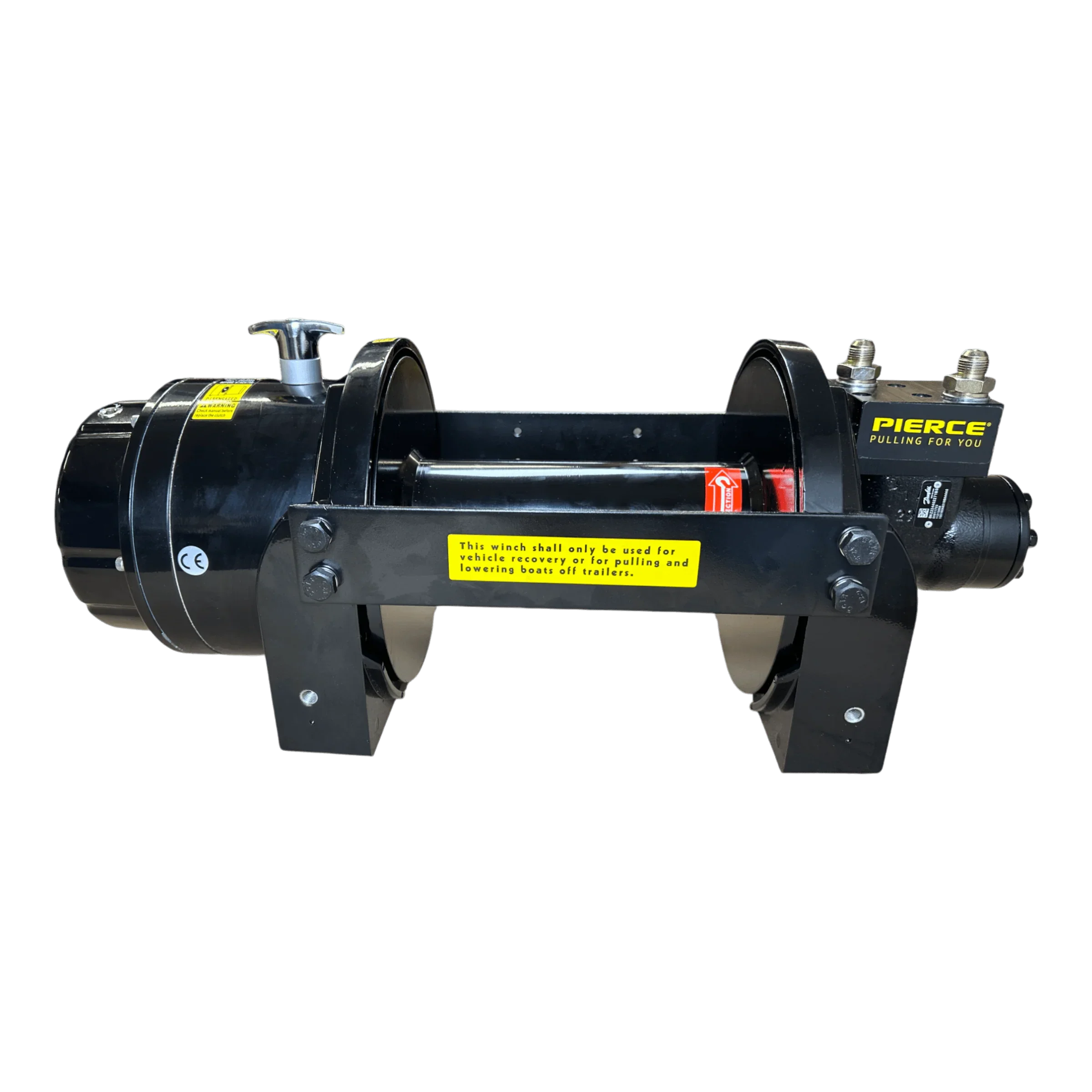
Before fixing anything, it’s important to know how a winch operates. A winch is a device used to pull or lift heavy loads. Most modern winches are powered by electricity, hydraulics, or manually using a crank. The main parts are:

49% off Today's Exclusive Deals
Limited-time Exclusive Deals. Check current discount on Amazon.
Check Price on Amazon As an Amazon Associate I earn from qualifying purchases.- Drum: Holds the cable or rope.
- Motor: Provides the power.
- Gearbox: Controls speed and torque.
- Switch/Remote: Allows you to operate the winch.
- Solenoid/Relay: Manages electrical flow.
- Cable/Rope: Connects to the load.
If any of these parts fail, the winch won’t pull. Knowing the basics helps you pinpoint where the problem might be.
Types Of Winches
There are three main types:
- Electric winches: Used for vehicles and boats, powered by a battery.
- Hydraulic winches: Run using fluid pressure, common in industrial settings.
- Manual winches: Simple crank systems, best for light loads.
Each type has unique issues. For example, electric winches often have battery problems, while hydraulic winches may leak fluid. Manual winches can suffer from worn gears.
49% off Today's Exclusive Deals
Limited-time Exclusive Deals. Check current discount on Amazon.
Check Price on Amazon As an Amazon Associate I earn from qualifying purchases.Common Reasons Why A Winch Won’t Pull
If your winch won’t pull, several issues could be causing it. Here are the most frequent ones:
- Electrical failure: Dead battery, loose wires, or faulty switches.
- Mechanical blockage: Jammed drum, tangled cable, or broken gears.
- Overloading: Trying to pull more than the winch’s rated capacity.
- Faulty solenoid: The relay doesn’t send power to the motor.
- Motor problems: Burned-out motor or worn brushes.
- Remote control failure: Broken remote or receiver.
- Corrosion or rust: Affects moving parts and electrical connections.
- Improper lubrication: Dry gears can seize up.
- Incorrect installation: Mounting errors or misaligned parts.
Most beginners focus only on the motor, but often the problem is simpler, like a loose wire or dirty contacts.
Safety First: Preparing To Fix Your Winch
Before you start fixing, always think about safety. Winches can be dangerous if mishandled. Here’s what you should do:
- Disconnect power: Remove the battery cable or unplug hydraulic lines.
- Wear gloves: Protect your hands from sharp cables and gears.
- Use eye protection: Prevent injury from flying debris.
- Keep bystanders away: Only you should be near the winch.
- Check for hot surfaces: Motors can get very hot.
- Read the manual: Every winch is a bit different.
Never skip these steps. Many injuries happen because people rush. Taking a few minutes for safety can save hours in the hospital.
49% off Today's Exclusive Deals
Limited-time Exclusive Deals. Check current discount on Amazon.
Check Price on Amazon As an Amazon Associate I earn from qualifying purchases.Diagnosing The Problem: Step-by-step
To fix a winch that won’t pull, you need to find the exact cause. Here’s a detailed process:
Visual Inspection
Start with a simple look-over:
- Is the cable tangled or jammed?
- Are there signs of rust or corrosion?
- Is the drum moving freely?
- Are wires connected and undamaged?
A surprising number of winches stop working because the cable is simply stuck.
Testing Power Supply
Electric winches need good power. Use a multimeter to check voltage at the battery and at the winch terminals. Compare the reading to the winch’s requirements (usually 12V or 24V).
| Battery Voltage | Winch Status | Action Needed |
|---|---|---|
| 12.6V+ | Normal | No action |
| 10–12V | Weak | Recharge battery |
| <10V | Fail | Replace battery |
If the battery is fine but the winch is dead, check the cables for damage or loose connections.
Checking The Solenoid And Switch
The solenoid acts like a gatekeeper for power. Listen for a click when you press the winch switch. No sound means the solenoid is likely bad.
- Use a jumper wire to bypass the solenoid and see if the winch works.
- If it pulls when bypassed, replace the solenoid.
Switches and remotes can also fail. Try operating the winch with the manual switch if possible.
Inspecting The Motor
If power is reaching the motor but nothing happens, the motor could be burned out.
- Smell for burning odor.
- Look for black marks on the casing.
- Test the motor separately if possible.
Motors can sometimes be rebuilt, but often replacement is easier.
Examining Mechanical Parts
Check the cable for fraying or knots. Look at the drum and gearbox for signs of wear or blockage.
- Try turning the drum by hand (with power off).
- Lubricate gears if dry.
- Remove any debris.
If the winch pulls but slips or makes grinding noises, gears may be worn or out of alignment.
Comparing Winch Performance
Use this comparison of symptoms to narrow down the issue:
| Symptom | Possible Cause | Quick Fix |
|---|---|---|
| No power | Dead battery, bad solenoid | Check battery, replace solenoid |
| Winch runs, but won’t pull | Jam, broken cable | Clear jam, replace cable |
| Clicking noise | Weak battery, faulty relay | Recharge battery, check relay |
| Slipping | Worn gears | Replace gears |

Fixing An Electric Winch
Electric winches are the most common, especially on trucks and boats. Here’s how to fix them:
Step 1: Check Battery And Connections
Make sure the battery is fully charged and all connections are tight. Clean any corrosion from terminals.
Step 2: Inspect The Solenoid
If the winch isn’t working, test the solenoid using a jumper wire. If it works when bypassed, replace the solenoid.
Step 3: Examine The Remote And Switch
Try using the manual switch if available. If both remote and switch fail, check wiring for breaks.
Step 4: Test The Motor
Remove the motor and test with direct power. If it spins, the issue is elsewhere. If it doesn’t, replace or rebuild the motor.
Step 5: Clear Mechanical Blockages
Untangle the cable, remove debris, and lubricate gears. If the drum won’t turn, open the gearbox and look for damage.
Step 6: Replace Faulty Parts
Order parts from the winch manufacturer. Common replacements include:
- Solenoid
- Motor
- Switch or remote
- Cable or rope
Step 7: Reassemble And Test
Put everything back together and test the winch under a light load before using full power.
Fixing A Hydraulic Winch
Hydraulic winches are powerful but need special care.
Step 1: Check Fluid Levels
Low hydraulic fluid can cause the winch to stall. Fill to the recommended level.
Step 2: Inspect For Leaks
Look for wet spots or puddles under the winch. Replace seals or hoses if needed.
Step 3: Test Hydraulic Pump
If the pump doesn’t run, check the power supply and connections. Pumps rarely fail, but if they do, replacement is usually required.
Step 4: Examine Mechanical Components
Hydraulic winches also have drums and gearboxes. Check for blockages and lubricate moving parts.
Step 5: Replace Damaged Parts
Order new hoses, seals, or pumps as necessary.
Hydraulic winches are less prone to electrical issues, but fluid leaks can be hard to spot.
Fixing A Manual Winch
Manual winches are simple but can still fail.
Step 1: Inspect The Handle And Gears
If the winch won’t pull, the handle may be broken or gears stripped. Replace any damaged parts.
Step 2: Check Cable Or Rope
Look for fraying, knots, or breaks. Replace if needed.
Step 3: Lubricate Moving Parts
Apply grease to gears and drum. Dry parts can seize up.
Step 4: Clear Blockages
Remove any debris from the drum or cable.
Manual winches are easy to fix, but many people overlook basic maintenance.
Preventing Winch Failure
It’s better to prevent problems than to fix them later. Here’s how:
- Regular maintenance: Clean, lubricate, and inspect your winch monthly.
- Test under light load: Run the winch with no weight every few weeks.
- Keep cables straight: Avoid tangling or kinks.
- Store properly: Keep winches dry and covered when not in use.
- Don’t overload: Never pull more than the winch’s rated capacity.
- Check electrical connections: Look for loose wires or corrosion.
- Replace worn parts: Don’t wait for a failure.
Most beginners forget to lubricate or clean their winch, but dirt and water are the main causes of breakdowns.
Real-world Examples And Insights
Let’s look at a few real situations:
- Off-road rescue: A 4×4 winch stopped working during a mud rescue. The issue turned out to be a loose battery cable, not a broken motor.
- Boat lift: A hydraulic winch failed to pull a boat onto a trailer. Checking fluid levels solved the problem.
- Industrial site: A manual winch jammed because of a frayed cable. Replacing the cable restored full power.
These examples show that simple fixes often solve big problems. Don’t jump to complex repairs before checking the basics.
Non-obvious Insights
- Voltage drop: Long cables can cause voltage drop, making a winch appear weak even if the battery is strong. Use thicker wires or shorten the cable.
- Heat buildup: Winches can overheat if used for long periods. Let the winch cool for 10-15 minutes between heavy pulls.
- Remote interference: Wireless remotes can fail due to radio interference. Try switching to a wired remote if the winch won’t respond.
Many people overlook these issues and waste time replacing parts that aren’t broken.
When To Call A Professional
While most winch fixes are DIY-friendly, some situations need expert help:
- Internal motor failure (requires special tools)
- Gearbox rebuilds (complex and messy)
- Hydraulic pump replacement
- Severe corrosion or rust
If you’re unsure, contact a qualified technician. Proper repair saves money and keeps you safe.

Winch Troubleshooting: Quick Reference
Here’s a quick reference to help you diagnose issues fast:
| Problem | What to Check | Recommended Fix |
|---|---|---|
| Dead winch | Battery, solenoid, switch | Recharge/replace battery, solenoid, switch |
| Winch pulls weakly | Voltage, cable, gears | Check voltage, lubricate gears |
| Winch won’t pull | Jam, broken cable, motor | Clear jam, replace cable, motor |
| Hydraulic winch stalls | Fluid level, leaks | Refill fluid, fix leaks |
| Manual winch is stuck | Handle, gears, cable | Replace handle/gears, cable |
Practical Tips For Reliable Winch Operation
- Always keep a spare cable and basic tools nearby.
- Use dielectric grease on electrical connectors to prevent corrosion.
- If the winch hesitates, stop and check for overheating or voltage drop.
- Never use a winch cable if it’s frayed or kinked—replace it immediately.
- After every use, inspect for damage and clean any mud or debris.
Useful Resources
For more technical details and diagrams, visit the official Warn Winch Support site. It offers manuals, troubleshooting guides, and expert advice.
Frequently Asked Questions
What Is The Most Common Reason A Winch Won’t Pull?
The most frequent cause is a dead battery or loose connection. Always check power first, then look for cable jams or damaged parts.
How Do I Know If My Winch Motor Is Burned Out?
Signs include a burning smell, black marks, or no response even when power is supplied. Test the motor separately with direct battery power.
Can I Fix A Winch Solenoid Myself?
Yes, most solenoids are easy to replace. Use a jumper wire to test if the solenoid is faulty before buying a new one.
How Often Should I Maintain My Winch?
Monthly inspections and cleaning are ideal. After heavy use, always check for cable damage, loose connections, and proper lubrication.
Is It Safe To Use A Winch After Fixing It?
Yes, if you test under a light load and inspect all connections. Never use a winch with damaged cables or without proper lubrication.
Fixing a winch that won’t pull is easier than most people think. With careful diagnosis, basic tools, and regular maintenance, you can keep your winch reliable for years. Don’t let a small problem turn into a big headache—start with simple checks, follow the steps, and get back to work with confidence.