A Hyundai Tucson engine misfire is one of those problems that can ruin your week in seconds. Your engine stumbles, the check engine light starts flashing, and you suddenly wonder if you're looking at a $60 fix or a $3,000 engine replacement.
We've researched this issue across owner reports, Hyundai service forums, and technical bulletins. Per OBD-II standards, misfire codes fall between P0300 and P0306. As of 2026, most Tucson misfires trace back to the ignition system, not internal engine damage.

49% off Today's Exclusive Deals
Limited-time Exclusive Deals. Check current discount on Amazon.
Check Price on Amazon As an Amazon Associate I earn from qualifying purchases.That's good news. It means a structured approach usually finds the real culprit before things get expensive.
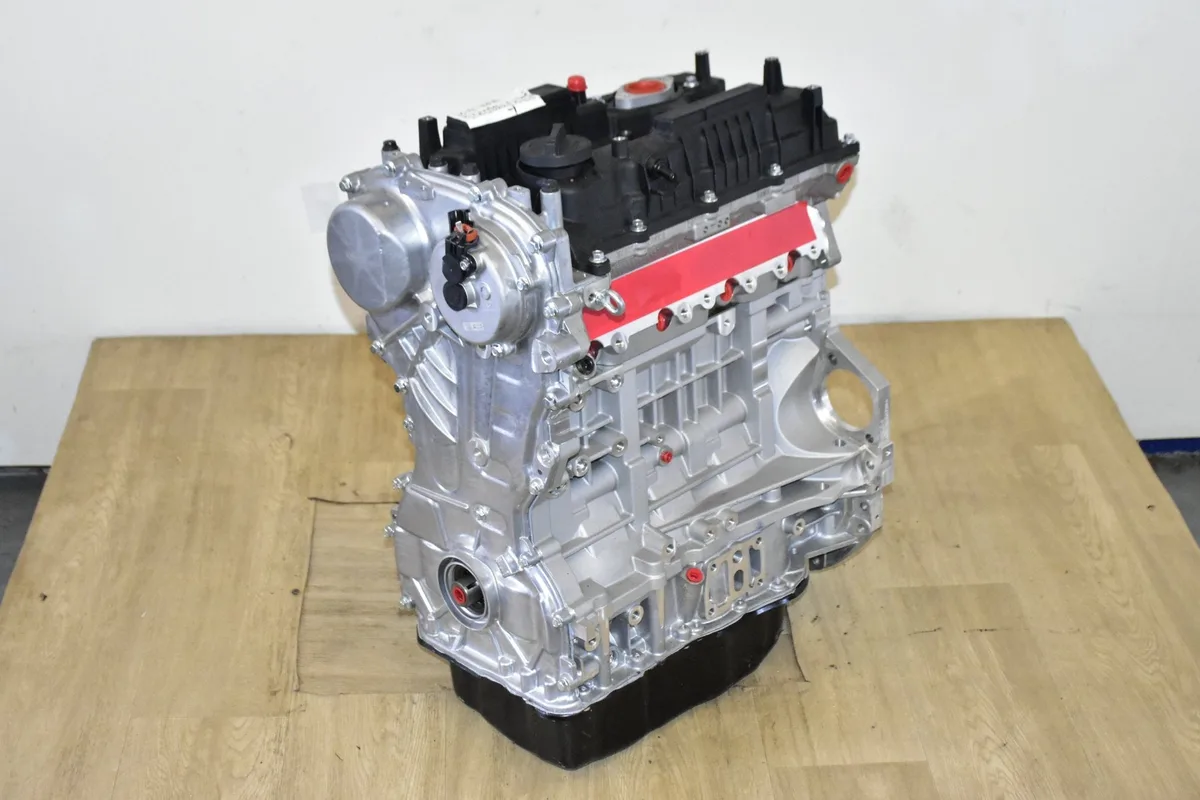
Image source: Bing (Web (fair-use with source credit))
49% off Today's Exclusive Deals
Limited-time Exclusive Deals. Check current discount on Amazon.
Check Price on Amazon As an Amazon Associate I earn from qualifying purchases.Quick Answer
A Hyundai Tucson engine misfire with a flashing check engine light means stop driving. Unburned fuel is dumping into your exhaust. The heat can destroy your catalytic converter.
Most misfires come from a failing ignition coil, worn spark plug, or a vacuum leak. These are all testable at home.
Decoding the Codes: What P0300, P0301, P0302, P0303, and P0304 Mean for Your Tucson
Your Tucson's computer stores a specific code when a cylinder misses. A P0301 means cylinder 1 is the problem. A P0300 means the misfire is random or spread across multiple cylinders.
Most Tucson models have four-cylinder engines, so you'll usually see P0301 through P0304.
49% off Today's Exclusive Deals
Limited-time Exclusive Deals. Check current discount on Amazon.
Check Price on Amazon As an Amazon Associate I earn from qualifying purchases.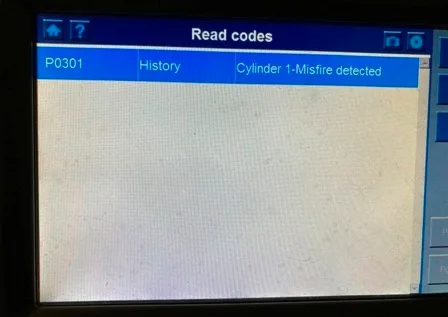
Image source: Bing (Web (fair-use with source credit))
| Code | Meaning | Likely Cause |
|---|---|---|
| P0300 | Random or multiple-cylinder misfire | Vacuum leak, MAF sensor, fuel pressure |
| P0301 | Cylinder 1 misfire | Coil, plug, or injector on cylinder 1 |
| P0302 | Cylinder 2 misfire | Coil, plug, or injector on cylinder 2 |
| P0303 | Cylinder 3 misfire | Coil, plug, or injector on cylinder 3 |
| P0304 | Cylinder 4 misfire | Coil, plug, or injector on cylinder 4 |
A flashing check engine light changes everything. It's not a reminder for an oil change. It's your computer saying the engine is actively damaging itself.
The same way car transmission slipping needs immediate attention, a flashing light means pull over.
What Freeze-Frame Data Tells You
Modern scanners capture freeze-frame data when the code stores. This records coolant temperature, RPM, vehicle speed, and fuel trim at the exact moment of failure. That snapshot tells you if the misfire happened at idle, under acceleration, or while cruising.
It also helps you decide whether it's safe to drive a few miles home or whether you need a tow.
The Diagnostic Workflow: From Flashing Check Engine Light to Confirmed Fix
Follow this order. Don't skip ahead. This mirrors the process Hyundai service manuals recommend for engine misfire diagnosis.
- Scan the system. Write down every code and the freeze-frame data.
- Watch live misfire counters. Most scan tools show per-cylinder counts. This confirms which cylinders are missing.
- Check for vacuum leaks. Cracks in the PCV hoses or intake boot are common on high-mileage Tucsons. Spray brake cleaner near suspect hoses. If engine RPM changes, you found the leak.
- Swap the suspected coil. Move the coil from cylinder 1 to cylinder 2. Clear the code and restart. If the misfire follows the coil, replace it. If it stays on cylinder 1, move on.
- Pull the spark plug. Inspect the tip. Black soot means fuel fouling. White or blistered means overheating. Wet means oil or fuel is getting in.
- Check fuel trims. If long-term fuel trim is above +10 percent at idle, you have unmetered air entering the engine.
- Run a compression test. This is the final step if everything else checks out.
One important note. A misfire can overlap with other failures. A Tucson with car coolant leaking can develop a rough idle because coolant contamination disrupts fuel delivery.
Always check for other symptoms before assuming it's just ignition.
Also remember that a misfire under load can make the car feel like it has a gear shift stuck. The engine bogs, the car lurches, and owners often blame the transmission. Verify the engine itself before spending money on gearbox work.
Branching by Symptom: Cylinder-Specific, Random, Cold-Start, and Load-Based Misfires
Your symptom pattern points to the root cause faster than any single code. Use these branches to narrow the list.
If the Code Is Cylinder-Specific
Swap the coil first. If the misfire moves with the coil, it's an ignition coil failure. If the misfire stays put, swap the spark plug between cylinders.
If it still stays, the injector is the likely suspect. We've seen injector connectors corrode on Tucson models driven in road-salt states. That corrosion causes an intermittent misfire that's hard to catch.
If the Code Is P0300 or Random
Random misfires are almost never ignition coils. Check intake manifold gaskets, PCV hoses, and the MAF sensor. Also test fuel pressure.
A weak fuel pump can cause random missing under load. One sign is a misfire that only appears on the highway or when climbing a hill.
If the Misfire Happens on Cold Start
Fouled spark plugs are the usual culprit. Rich fuel mixtures during cold starts leave carbon deposits. Direct-injection Tucson engines can also build carbon on intake valves.
That restricts airflow until the engine warms up. If the misfire clears after 30 seconds, carbon buildup is worth investigating.
If the Misfire Happens Under Load
This points to ignition coil breakdown under heat and high cylinder pressure. The coil looks fine when cold but fails when demanding. This is common on coil-on-plug systems.
Replace with a quality OEM coil, not a bargain brand. The cheap aftermarket coils often fail within months. On manual-transmission models, the jerking can feel like a clutch that slips.
Confirm the engine first.
Common Mistakes That Turn a Simple Misfire Fix Into a $2,000 Repair
We've seen perfect-looking coils hide cracked boots that only show under load. The ignition coil boot is that rubber sleeve connecting the coil to the spark plug. A hairline crack allows voltage to arc to the cylinder head instead of the plug.
The result is a miss that comes and goes, and it drives owners crazy.
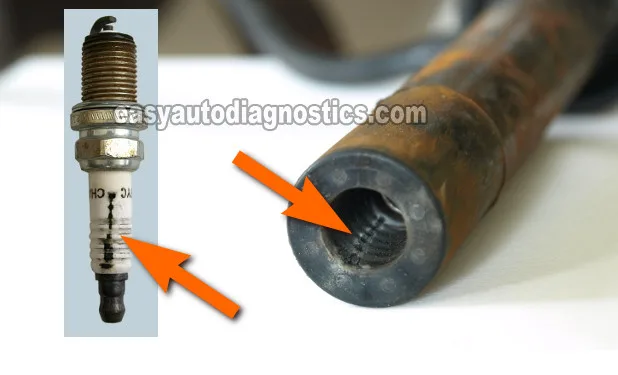
Image source: Bing (Web (fair-use with source credit))
Here are the mistakes that cost you.
- Ignoring the flashing light. Keep driving and the catalytic converter overheats. A replacement converter on a Tucson runs $800 to $1,500.
- Replacing parts without diagnostics. Throwing four coils and four plugs at the car might fix it, or it might not. If the MAF sensor is dirty, you wasted $200 and still have a misfire.
- Over-tightening spark plugs. Torque specs exist for a reason. Too tight can crack the cylinder head. That's a $2,000 repair caused by a simple misstep. Use a torque wrench.
- Skipping the compression test. A cylinder with low compression misfires regardless of coil condition. We've seen owners replace entire ignition systems on Tucsons with worn piston rings and timing chain issues that needed mechanical work, not coils.
- Ignoring service bulletins. Hyundai has published technical service bulletins for engine issues across multiple model years. A quick check of the NHTSA recall database by VIN can reveal open recalls or known pattern issues.
One final warning. A misfire that comes with oil consumption is a red flag. Certain Hyundai Tucson engines from the 2011 to 2017 model years were prone to excessive oil use and, in some cases, internal failure.
If your Tucson burns more than a quart between changes while also misfiring, get a compression and leak-down test before spending money on ignition parts.
Knowing Your Limits: Compression Tests, Oil Consumption, and When the Engine Is the Problem
If all your coils and plugs check out, a compression test is next. This test measures how well each cylinder seals. Every cylinder should read within 10 percent of the others.
A cylinder that reads significantly lower has a mechanical issue. That could be a valve problem, piston ring wear, or head gasket failure.
What Low Compression Actually Means
Low compression on one cylinder often points to a burned valve or worn rings. Low compression across all cylinders suggests timing chain stretch or a jumped tooth. A jumped timing chain means the camshaft and crankshaft are out of sync.
The valves open and close at the wrong time. That causes misfires no coil or plug will ever fix.
The Oil Consumption Red Flag
Certain Hyundai Tucson engines, especially the Theta II 2.0L and 2.4L from 2011 through 2017, are known for burning oil. Hyundai issued a settlement program covering some affected vehicles. If your Tucson consumes more than a quart every 1,000 miles and misfires at the same time, internal damage is likely.
Oil on the spark plug tip confirms it. At that point, a car oil leaking investigation may reveal the real source before you start tearing into the engine.
A leak-down test goes deeper. It pressurizes each cylinder and measures air escaping. The sound tells you where the leak is.
Hissing from the oil cap means rings. Hissing from the intake means intake valves. This test separates a coil problem from an engine rebuild.
Know this boundary before spending money on parts that won't help.
Realistic Repair Costs: Coils, Plugs, Injectors, and Doing It Right the First Time
Knowing the cost helps you decide whether to fix it now or budget for it. Here's what each repair actually runs as of 2026, based on aggregate shop estimates and OEM part pricing.
| Repair | Parts Cost | Shop Labor | Total Estimate |
|---|---|---|---|
| One ignition coil | $40 to $100 | $50 to $120 | $90 to $220 |
| All four coils | $160 to $400 | $80 to $150 | $240 to $550 |
| Spark plugs (set of 4) | $30 to $80 | $80 to $120 | $110 to $200 |
| Fuel injector (one) | $100 to $250 | $100 to $180 | $200 to $430 |
| PCV valve and hoses | $15 to $40 | $50 to $100 | $65 to $140 |
| Catalytic converter | $400 to $1,000 | $200 to $400 | $600 to $1,400 |
OEM vs. Aftermarket Coils
OEM coils cost more but last longer. Verified owner feedback across Tucson forums shows aftermarket coils failing within six months to a year. OEM coils regularly last 60,000 to 100,000 miles.
That price difference pays for itself.
When Spending More Saves Money
If your Tucson is over 80,000 miles and the plugs are original, replace all four plugs and coils together. You avoid repeat labor charges. One coil going out usually means the others aren't far behind.
Pay once, not three times.
A stored misfire code causes an automatic failure on emissions tests in most states. Some states offer a grace period for repairs. Check your local testing authority.
Driving with a known misfire can also void coverage on related exhaust components if the damage is traced to neglect.
Frequently Asked Questions
Can I drive my Tucson with a misfire code?
A steady check engine light with a mild misfire is usually safe for short distances. A flashing light is not. Pull over and get the vehicle inspected.
Continued driving with active misfiring damages the catalytic converter.
Will a misfire fix itself?
Sometimes. A moisture-related misfire may clear after the coils dry out. A carbon-fouled plug may burn clean on the highway.
But if the same code returns, the underlying part is failing. Don't ignore it because it went away.
How long do Hyundai Tucson ignition coils last?
Factory coils typically last 60,000 to 100,000 miles. Aftermarket coils vary widely. Heat, vibration, and oil contamination shorten their life.
If one fails, inspect the others and consider replacing them all as a set.
Is a misfire covered under the Hyundai warranty?
Hyundai's powertrain warranty covers internal engine components for 10 years or 100,000 miles. Ignition coils and spark plugs are generally considered maintenance items. Check your specific warranty terms and ask your dealer about any relevant technical service bulletins.
Should I use OEM spark plugs in my Tucson?
Yes. Manufacturer specifications indicate that OEM-spec plugs match the exact heat range and electrode gap for your engine. Aftermarket plugs with the wrong gap or heat range can cause misfires, rough idle, and poor fuel economy.
Check the owner's manual for the correct part number.



3 Comments on “Hyundai Tucson Engine Misfire”