The Audi A4 check engine light is one of those dashboard warnings that causes immediate stress. You're driving along, and suddenly that little orange engine icon glows on your instrument cluster. What does it mean, and what should you do next?
That light is part of your vehicle's OBD-II (On-Board Diagnostics) emissions control system. Per the U.S. Environmental Protection Agency, it alerts you when a component affects emissions or engine performance.

49% off Today's Exclusive Deals
Limited-time Exclusive Deals. Check current discount on Amazon.
Check Price on Amazon As an Amazon Associate I earn from qualifying purchases.Your next steps depend entirely on the code stored in the car's computer.
Your Audi A4 Check Engine Light Is On: First Steps
First, don't panic. The light's behavior tells you a lot. A steady glow means a non-urgent issue.
A flashing light indicates a severe misfire that needs immediate attention.
49% off Today's Exclusive Deals
Limited-time Exclusive Deals. Check current discount on Amazon.
Check Price on Amazon As an Amazon Associate I earn from qualifying purchases.If the light is flashing, find a safe place to pull over. Continuing to drive can destroy your catalytic converter. If it's steady, you have more time, but you should still plan a diagnosis soon.
Immediate Action Checklist:
- Check the Gas Cap: The simplest fix is often a loose or cracked fuel cap. Tighten it until you hear it click. If that was the issue, the light may go off after a few drive cycles.
- Note the Symptoms: Is the engine running rough, losing power, or making unusual noises? Note what you observe.
- Avoid Limp Mode: If the car enters limp mode, with reduced power and warning lights, drive slowly to a service center.
| Light Behavior | Meaning | Urgency |
|---|---|---|
| Steady Glow | A fault was detected. | Schedule service soon. |
| Flashing Light | Severe engine misfire. | Stop driving immediately. |
| On After New Part | Loose connection or incompatible part. | Check installation. |
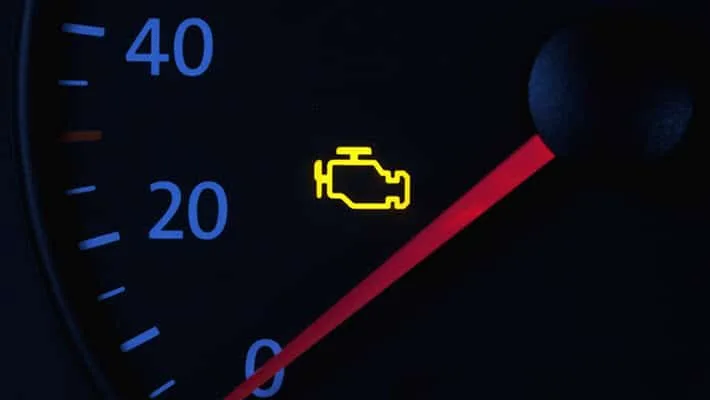
Image source: Bing (Web (fair-use with source credit))
49% off Today's Exclusive Deals
Limited-time Exclusive Deals. Check current discount on Amazon.
Check Price on Amazon As an Amazon Associate I earn from qualifying purchases.What Usually Triggers the Light in an Audi A4?
The check engine light isn't specific. It's a general alert for hundreds of possible faults. On an Audi A4, certain issues come up more frequently, especially as the car ages.
Common culprits involve the emissions, ignition, and fuel systems. The 2.0 TFSI engine, for example, has known weak points. Manufacturer technical service bulletins often highlight these patterns.
Frequent Causes by System:
- Emissions: A failing oxygen (O2) sensor or a catalytic converter that's not working efficiently (often code P0420).
- Ignition: Worn spark plugs or failing ignition coils, leading to misfires (codes P0301 through P0304). If you're dealing with engine misfires, the root cause follows a predictable diagnostic path regardless of the car brand.
- Fuel and Air: A leak in the EVAP system, often from a bad purge valve, or a faulty mass airflow sensor.
- Engine Mechanical: Issues with the high-pressure fuel pump (HPFP) or carbon buildup on intake valves, common in direct-injection TFSI engines.
- Sensors: A faulty camshaft or crankshaft position sensor, or a problem with the variable valve timing (VVT) system.
How to Scan the Codes Yourself (And Why You Should)
You don't need to be a mechanic to get the basic diagnostic data. Reading the Diagnostic Trouble Codes (DTCs) yourself gives you a head start and prevents unnecessary repairs.
An OBD-II scanner plugs into a universal port, usually under the driver's side dashboard. It communicates with the ECU and pulls the stored codes. This is a crucial first step.
Basic Scanning Process:
- Locate the OBD-II Port: It's a 16-pin connector in your A4's footwell.
- Connect the Scanner: Plug in a handheld reader or a Bluetooth adapter that pairs with a phone app.
- Read the Codes: Turn the ignition to the "On" position (engine off). Follow the scanner's prompts to retrieve the codes.
- Write Them Down: Note the exact alphanumeric code, like P0171 or P2015. Don't clear them yet.
A basic code reader provides generic P-codes. An advanced tool like VCDS (VAG-COM) or OBDeleven provides Audi-specific codes and live data, which is far more useful for accurate diagnosis.

Image source: Bing (Web (fair-use with source credit))
The Decision Tree: What to Do Next Based on Your Scan Results
Now you have a code. This is where the workflow branches. Your next action depends entirely on what that code indicates.
Never clear a code just to make the light disappear. Fix the underlying issue first.
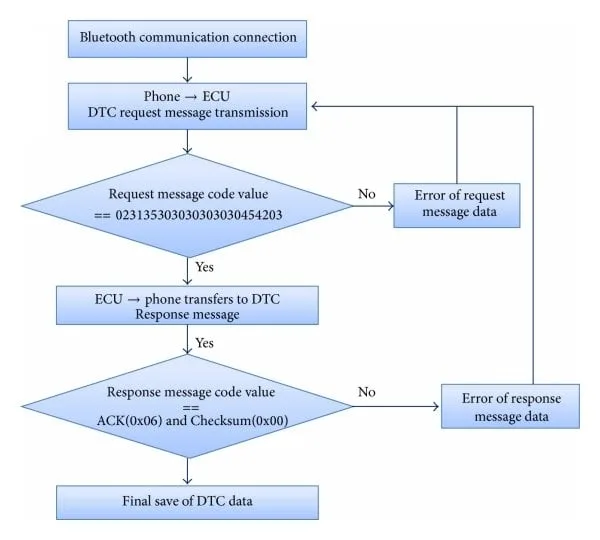
Image source: Bing (Web (fair-use with source credit))
| If Your Code Is… | It Often Points To… | Recommended Action Path |
|---|---|---|
| P0440, P0441, P0455 (EVAP) | Loose gas cap, faulty purge valve, or EVAP line leak. | 1. Tighten gas cap. 2. Inspect cap and lines if light returns. 3. Schedule a smoke test if DIY fails. |
| P0300 – P0304 (Misfire) | Bad spark plug, ignition coil, or fuel injector. | 1. Identify the cylinder (P0301 = Cylinder 1). 2. Swap coil to another cylinder. If code follows, coil is bad. |
| P0420, P0430 (Catalyst) | Worn catalytic converter or failing upstream O2 sensor. | 1. Verify upstream O2 sensor with live data. 2. If sensor is good, cat likely needs replacement. |
| P0171, P0174 (Too Lean) | Vacuum leak, failing MAF sensor, or low fuel pressure. | 1. Check for cracked intake hoses. 2. Clean MAF sensor. 3. If persistent, get professional fuel delivery diagnosis. |
| P2015 (Intake Runner) | Faulty intake manifold position sensor or stuck runner flap. | Common on 2.0 TFSI engines. Often needs a sensor replacement or flap repair kit. |
Critical Mistakes That Make Things Worse (And Cost More)
When the check engine light appears, well-meaning actions can backfire. Avoiding these common errors saves you time, money, and frustration.
The biggest mistake is ignoring the problem because the car "seems to drive fine." Many faults start small. An EVAP leak won't affect performance initially, but it will cause an emissions test failure.
Top Mistakes to Avoid:
- Clearing Codes Without Fixing: You erase the evidence. A mechanic now has to reproduce the fault, adding diagnostic time and cost.
- The "Parts Cannon" Approach: Guessing and replacing parts without confirmation wastes money. The problem may be elsewhere.
- Ignoring a Flashing Light: This means a catalyst-damaging misfire. Continuing to drive can turn a $300 coil fix into a $2,000 converter replacement.
- Assuming the Worst: Not every code means a catastrophic failure. Start with simple, common causes first.
- Skipping Overheating Warnings: If temperature warnings accompany the CEL, treat overheating concerns with the same urgency. Combining a misfire with high coolant temps can warp a cylinder head.
A systematic approach, following the decision tree, prevents these pitfalls.
How Much Will It Cost? From Gas Caps to Catalytic Converters
The price range is enormous. A loose gas cap costs nothing to fix. A failed catalytic converter can run over $2,000 at a dealer.
Knowing the ballpark helps you plan.
Here's what you can expect for the most common A4 repairs, based on aggregated shop pricing data as of 2026:
| Repair | Parts Cost | Labor (Est.) | Total Range |
|---|---|---|---|
| Gas Cap Replacement | $15 – $30 | DIY or $50 | $15 – $80 |
| Ignition Coil + Spark Plugs (4-cyl) | $120 – $250 | $150 – $300 | $270 – $550 |
| Oxygen (O2) Sensor | $80 – $200 | $100 – $250 | $180 – $450 |
| EVAP Purge Valve | $30 – $80 | $100 – $200 | $130 – $280 |
| Mass Airflow Sensor (MAF) | $100 – $250 | $80 – $150 | $180 – $400 |
| High-Pressure Fuel Pump | $400 – $800 | $400 – $700 | $800 – $1,500 |
| Catalytic Converter (OEM) | $800 – $1,500 | $300 – $600 | $1,100 – $2,100 |
A dealer diagnosis fee typically runs $150 to $200. Many independent Audi specialists charge less. If you've scanned the codes yourself, you can often save that fee by presenting the data upfront.
One thing to watch: cooling system neglect in any car follows the same pattern as ignoring engine codes. A small fault left unchecked cascades into expensive damage. A P0420 code ignored for months can destroy a converter that would've cost nothing to protect.
When It's Safe to Drive and When to Pull Over
This is the question that matters most in the moment. The answer comes down to two factors: the light's behavior and the car's symptoms.
Steady light, normal driving behavior: You're generally okay to drive to a shop. The computer detected a fault, but the engine is running within safe parameters. Plan a diagnosis within a day or two.
Steady light, noticeable symptoms: If the engine hesitates under acceleration or burns more fuel than usual, limit your driving. Get it diagnosed soon. Driving with a persistent misfire means you're causing cumulative damage to the catalytic converter.
Flashing light: Stop driving. A flashing CEL means multiple misfires are dumping raw fuel into the exhaust. This can overheat and destroy the catalytic converter within minutes.
Call for a tow.
Limp mode activated: The car limits speed and power to protect itself. You can limp to a nearby safe location, but don't continue a highway commute. Extended driving in limp mode risks further damage.
If you also see temperature warnings or notice radiator-level failures alongside the CEL, stop immediately. Engine overheating combined with a misfire is a recipe for catastrophic failure.
Frequently Asked Questions
Can I pass emissions with the check engine light on?
No. In virtually all U.S. states, an illuminated check engine light results in an automatic emissions test failure. The OBD-II monitor must show "ready" status with no stored codes.
Fix the issue and complete a full drive cycle before retesting.
How do I clear the check engine light after a repair?
Use your OBD-II scanner's "clear codes" function. The light should turn off immediately. If the problem is truly resolved, it won't return.
If it comes back within a few drive cycles, the issue persists or a new fault exists.
Is it safe to keep driving with a steady check engine light?
In most cases, yes, for a short period. A steady light indicates a non-critical fault. However, you should diagnose it soon.
Some faults, like a vacuum leak or failing sensor, can worsen and cause secondary damage.
Why does my check engine light come on after an oil change?
A loose or missing gas cap is the most common trigger after any service visit. Tighten the cap, drive for a few cycles, and see if it clears. If not, scan for codes to confirm whether it's related to the service.
What's the difference between a generic and Audi-specific code?
Generic P-codes, like P0300, are standardized across all OBD-II vehicles. Audi-specific codes, often starting with P1, require a manufacturer-level scanner like VCDS or OBDeleven. These provide more precise fault data for Audi's proprietary systems.
Should I go to a dealer or an independent mechanic?
Dealers have factory tools and direct access to Audi technical service bulletins. Independent Audi specialists often offer comparable expertise at lower labor rates. For straightforward codes, an independent shop is usually the best value.
For complex electrical or warranty-related issues, the dealer is worth the premium.