A Nissan Rogue transmission problem typically starts as a subtle shudder during acceleration, especially in models from 2014 to 2020. If your vehicle has the continuously variable transmission (CVT), you're likely experiencing one of several known issues. These problems range from annoying to severe, and knowing where yours falls is the first step.
Aggregate service data shows many complaints center on the Jatco CVT unit, with common failures occurring before 100,000 miles. Manufacturer specifications call for Nissan NS-3 CVT fluid, and using the wrong type can accelerate wear. Let's walk through what you're likely dealing with.

49% off Today's Exclusive Deals
Limited-time Exclusive Deals. Check current discount on Amazon.
Check Price on Amazon As an Amazon Associate I earn from qualifying purchases.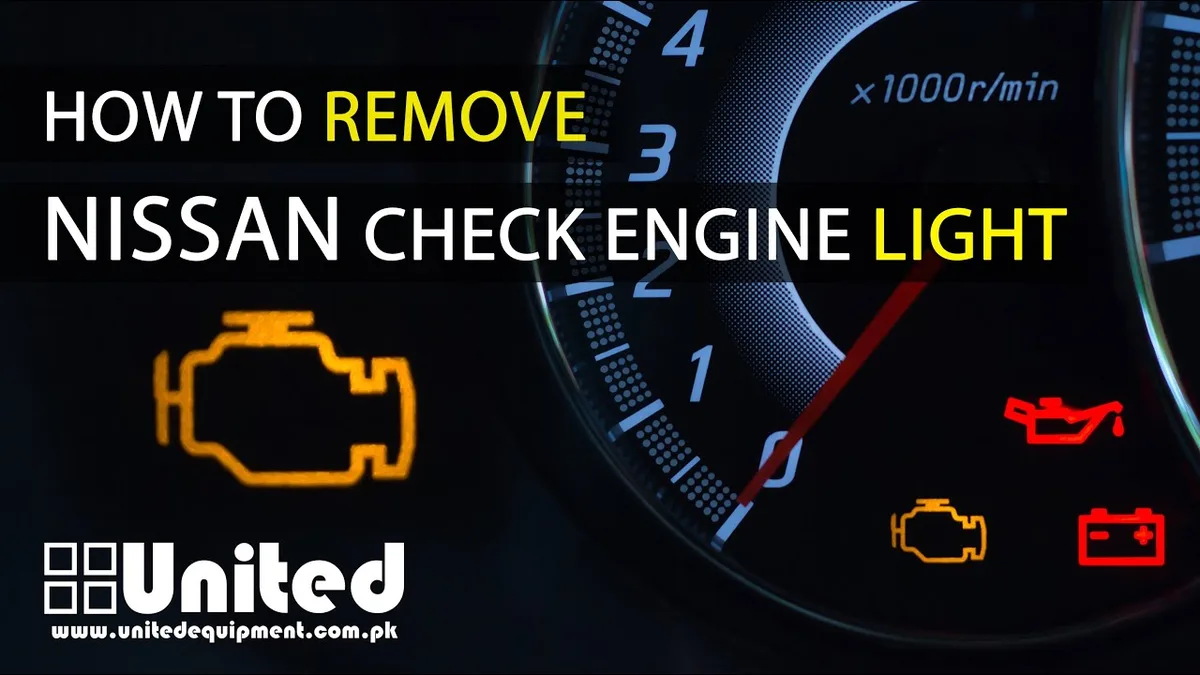
Image source: Bing (Web (fair-use with source credit))
Symptoms Start Here: What Your Rogue Is Actually Telling You
You might notice your Rogue hesitating, slipping, or vibrating between 20 and 40 mph. That specific shudder often points to a torque converter or valve body issue. A "whining" noise during acceleration is another telltale sign of CVT belt slippage.
49% off Today's Exclusive Deals
Limited-time Exclusive Deals. Check current discount on Amazon.
Check Price on Amazon As an Amazon Associate I earn from qualifying purchases.Don't ignore the check engine light. It often accompanies transmission faults. Scanning for Diagnostic Trouble Codes (DTCs) with an OBD-II scanner provides concrete direction.
Codes like P0744 or P1777 are frequently associated with CVT problems in these models.
The Diagnostic Decision Tree: Which Problem Do You Have?
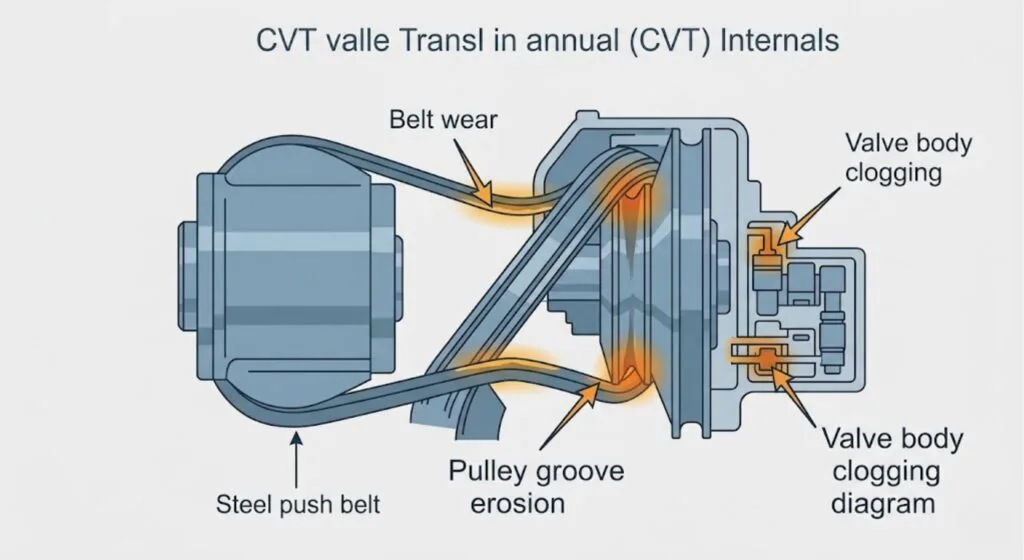
Start with this step-by-step flow to narrow down the cause. Each condition points you toward a different potential fix.
49% off Today's Exclusive Deals
Limited-time Exclusive Deals. Check current discount on Amazon.
Check Price on Amazon As an Amazon Associate I earn from qualifying purchases.Image source: Bing (Web (fair-use with source credit))
Step 1: Is Your Check Engine Light On?
If yes, use a scanner to pull codes. A P0744 code indicates an issue with the torque converter clutch circuit. This could be electrical (a faulty sensor) or mechanical. If no, proceed to Step 2.
Step 2: What Happens When You Accelerate from a Stop?
If the vehicle hesitates or revs without moving, you may have low transmission fluid or internal belt damage. If it moves normally at first but shudders later, move to Step 3.
Step 3: Does the Shudder Happen Between 20–40 MPH?
This is the classic CVT judder zone. It strongly suggests worn CVT fluid, a failing valve body, or torque converter problems. A fluid service is often the first recommended action.
Step 4: Is the Transmission Overheating?
If you see a temperature warning or the vehicle enters limp mode, stop driving immediately. Overheating causes rapid, irreversible damage. Tow it to a shop.
For other vehicles showing transmission temperature warnings, similar diagnostic principles apply.
From Software Fix to Full Replacement: Your Fix Options
The solution depends entirely on your diagnosis. Costs and outcomes vary wildly, from a quick software update to a full replacement.
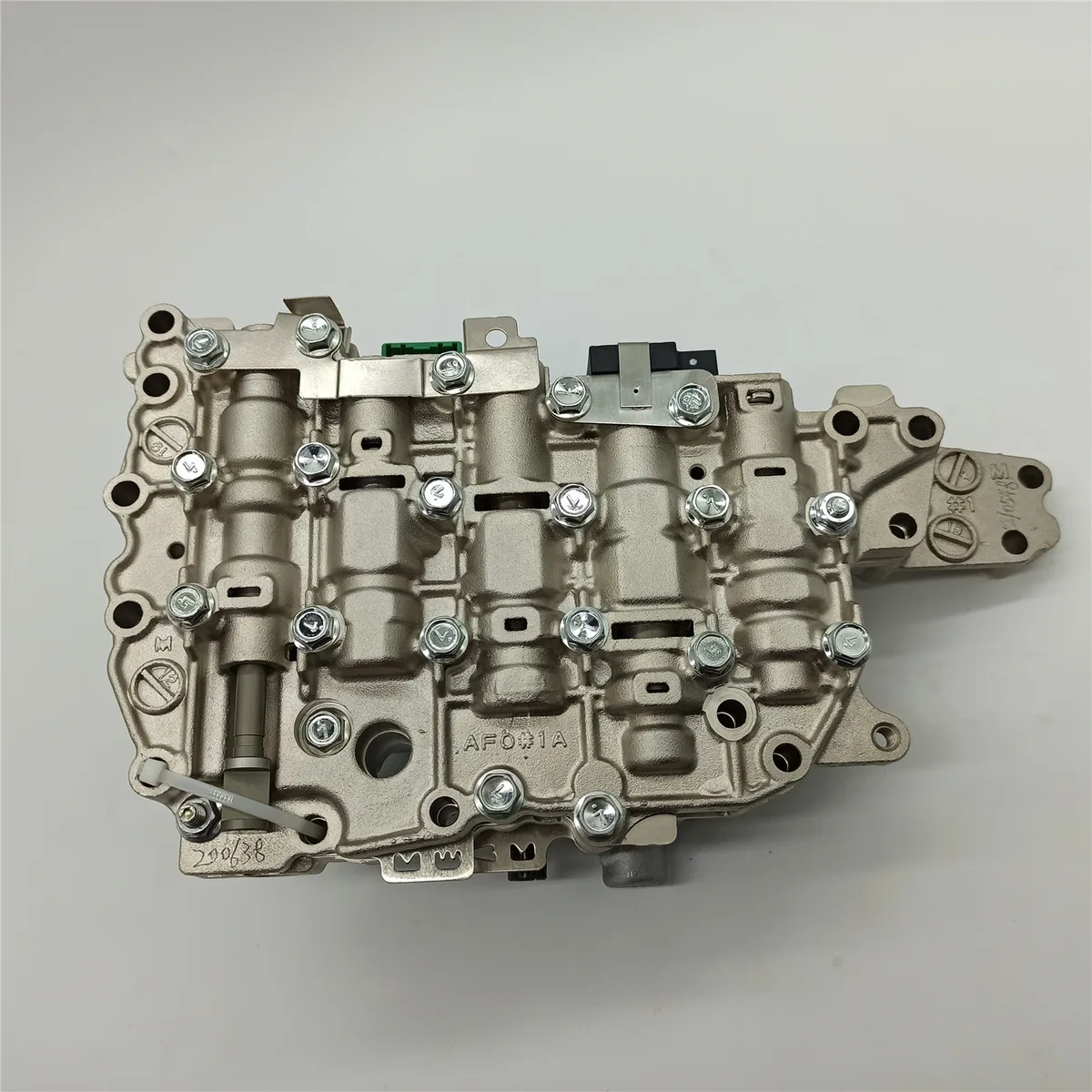
Image source: Bing (Web (fair-use with source credit))
- TCM Software Update: A Nissan dealer can reprogram the Transmission Control Module. This is the cheapest fix and addresses certain shift-pattern issues. It won't fix mechanical wear.
- CVT Fluid Drain-and-Fill (NS-3): A partial fluid change using only the correct Nissan NS-3 fluid. This can alleviate early symptoms of shudder but doesn't remove all contaminated fluid.
- Valve Body Replacement: The valve body directs fluid pressure. A worn one causes erratic shifting and shudder. This is a common mid-range repair.
- Full CVT Replacement: The ultimate fix for catastrophic failure. Options include a brand-new OEM unit, a remanufactured transmission, or a used one from a salvage yard.
What Each Fix Actually Costs (Real Numbers)
Budgeting for a repair requires knowing the likely price range. Here’s a breakdown of typical costs as of 2026. Labor rates vary by region and shop type.
| Repair Option | Parts Cost (Est.) | Labor Cost (Est.) | Total Potential Cost | Primary Outcome |
|---|---|---|---|---|
| TCM Software Update | $0 – $150 | $100 – $200 | $100 – $350 | May fix shift logic issues. |
| CVT Fluid Service | $80 – $200 | $100 – $200 | $180 – $400 | Can improve minor shudder. |
| Valve Body Replacement | $500 – $1,000 | $300 – $500 | $800 – $1,500 | Resolves pressure-related faults. |
| Full CVT Replacement | $2,500 – $4,500 | $500 – $1,000 | $3,000 – $5,500 | Complete mechanical renewal. |
Note: OEM (Original Equipment Manufacturer) parts cost more than aftermarket or remanufactured units. Always get a detailed quote from your shop.
The Five Mistakes That Make Rogue CVT Problems Worse
Avoiding these errors can save you thousands. They often turn a manageable issue into a full-blown failure.
- Ignoring Early Symptoms. That slight shudder won't go away. It will get worse and damage other components like the torque converter.
- Using Incorrect Transmission Fluid. Only use Nissan NS-3 CVT fluid. Generic "CVT fluid" or the wrong brand can cause immediate slipping and damage.
- Getting a Full "Flush". A high-pressure flush on a failing CVT can dislodge debris and cause a blockage. A drain-and-fill or pan drop is safer for high-mileage units.
- Continuing to Drive When Overheating. If the temp light comes on, pull over. Continued driving cooks the fluid and glazes the belts, guaranteeing a replacement.
- Skipping Regular Fluid Changes. Nissan's severe service schedule often recommends a CVT fluid change every 60,000 miles. Many owners skip this, accelerating wear. Regular maintenance like checking your engine oil level is similarly crucial for vehicle longevity.
Frequently Asked Questions
Can I drive my Nissan Rogue with a transmission problem?
It depends. A minor shudder at steady speed might be driveable for a short trip to the mechanic. If the vehicle hesitates, slips, overheats, or is in limp mode, do not drive it.
Risking further damage isn't worth it.
Is there a recall for the Nissan Rogue CVT?
As of 2026, there are no widespread recalls covering all CVT issues. However, Nissan did settle a class-action lawsuit that extended the CVT warranty to 10 years/120,000 miles for certain models (primarily 2014-2018). Check your VIN with a Nissan dealer for specific coverage.
How long does a Rogue CVT transmission last?
With proper maintenance (regular fluid changes with NS-3), many last 150,000 miles or more. Without maintenance, problems often surface between 60,000 and 100,000 miles. Driving habits and climate play a significant role.
What is the difference between a shudder and a slip?
A shudder is a vibration, often felt at specific speeds like 20-40 mph. It's like driving over rumble strips. A slip is when the engine RPMs flare up but the vehicle doesn't accelerate, like the transmission is in neutral for a moment.
Should I repair or replace a failing Rogue CVT?
The general rule: if repair costs exceed 50% of the vehicle's value, replacement or selling the car may be more economical. A simple valve body fix ($1,000) is often worth it on a low-mileage Rogue. A $5,000 replacement on a high-mileage, older model might not be.
For a clear comparison of transmission failure symptoms across different vehicles, this guide on the Hyundai Tucson transmission slipping issue covers similar diagnostic principles.
Repair or Walk Away? The Final Decision Guide
This is the part nobody wants to face. You've diagnosed the problem, you know the cost. Now you need to decide if the fix makes financial sense.
The answer depends on your vehicle's mileage, its overall condition, and what you'd spend on a replacement car.
When It's Worth Fixing
A repair makes sense when the numbers line up. If your Rogue has under 120,000 miles and the rest of the vehicle is solid (no rust, good brakes, strong engine), a mid-range repair like a valve body replacement is usually worth it.
Consider the math. A $1,200 valve body fix on a Rogue worth $10,000 is 12% of the vehicle's value. That's a reasonable investment for years of continued use.
Even a full CVT replacement at $4,000 on a low-mileage 2018 model still costs less than a down payment on a new car.
Nissan's extended CVT warranty (10 years/120,000 miles) may also cover your repair for free. Check with a Nissan dealer using your VIN. Many owners don't realize they qualify.
When You Should Sell or Trade In
Walking away becomes the smarter move when repair costs approach or exceed the vehicle's value. A $5,000 transmission replacement on a 2014 Rogue with 140,000 miles and other looming issues? That's a signal to move on.
Watch for compounding problems. If your Rogue needs a CVT replacement plus new brakes, suspension work, and has body rust, each repair stacks against the next. At some point, the total investment surpasses what the car is worth.
Selling privately with a disclosed transmission issue is better than trading it in. You'll get more value being upfront. A dealer will lowball you hard on a trade with known CVT problems.
Used Rogue Buyers: What to Check Before You Buy
Shopping for a used Rogue? This section could save you thousands. Request a vehicle history report first.
Look for transmission-related service records or accident damage.
During the test drive, pay close attention to these specific behaviors:
- Idle to 15 mph acceleration. Any hesitation or flaring RPMs signals trouble.
- Steady 25 to 35 mph cruise. This is the classic judder zone. If the car vibrates here, walk away or negotiate hard.
- Cold start behavior. CVT problems often worsen when the fluid is cold. Drive the car after it sits overnight if possible.
- Check engine light history. Ask the seller if the light has ever come on. Use a scanner to check for pending codes that may have been recently cleared.
Ask for proof of CVT fluid changes. A Rogue with documented fluid services at 30,000, 60,000, and 90,000 miles is a far safer buy than one with no service history. Also verify the check engine light functions correctly during startup, similar to what you'd check when troubleshooting a Hyundai Tucson check engine light issue.
Rogue Transmission Problems: Your Questions Answered
What is the most common Rogue CVT failure?
Valve body wear and torque converter clutch issues top the list. These cause the signature shudder between 20 and 40 mph. They're the most frequently reported problems in NHTSA complaint data for 2014 to 2017 models.
Can I use aftermarket CVT fluid instead of Nissan NS-3?
Manufacturer specifications confirm only Nissan NS-3 fluid should be used. Some aftermarket brands claim compatibility, but aggregate reports show mixed results. The risk of damage isn't worth the small savings.
How do I check my Rogue's transmission fluid level?
Most newer Rogues have a sealed CVT with no traditional dipstick. Fluid level checks require lifting the vehicle and removing an inspection plug on the transmission case. This is typically a shop procedure unless you have a lift and the right tools.
Will a transmission problem affect my Rogue's resale value?
Significantly. A known CVT issue drops value by $2,000 to $4,000 depending on severity. Conversely, a Rogue with documented transmission maintenance commands a premium in the used market.
Is the Nissan Rogue still a reliable vehicle despite CVT concerns?
Aggregate reliability data shows the Rogue scores average to above average in its segment when maintained properly. The CVT issues are real but not universal. Regular fluid changes and early attention to symptoms make a meaningful difference in long-term reliability.