A Nissan Rogue steering problem can show up as anything from a faint pull to a dead-heavy wheel. Either way, it demands attention. NHTSA complaint databases show thousands of steering-related reports across multiple Rogue model years, with the 2014 through 2021 generations appearing most frequently.
Aggregate service data indicates that Electric Power Steering (EPS) failures, worn tie rod ends, and steering rack faults account for the majority of complaints. Per SAE J1121 testing standards, steering systems must maintain consistent torque response across all operating speeds. Understanding what you're dealing with is the first step toward a safe fix.

49% off Today's Exclusive Deals
Limited-time Exclusive Deals. Check current discount on Amazon.
Check Price on Amazon As an Amazon Associate I earn from qualifying purchases.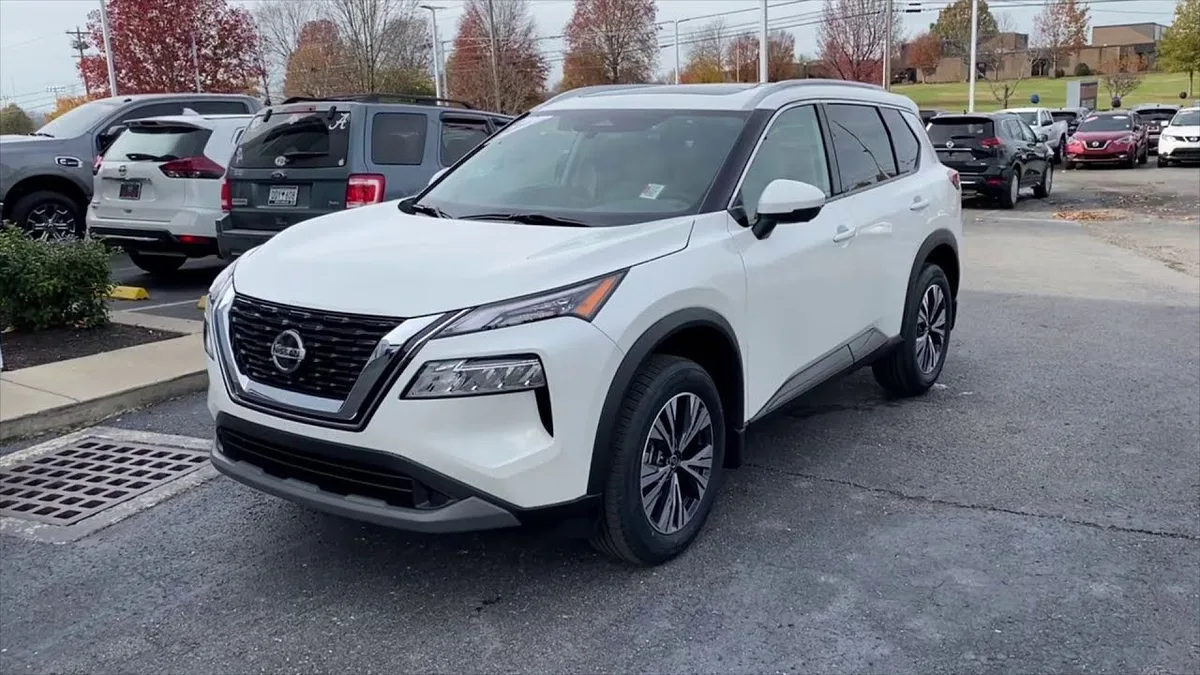
Image source: Bing (Web (fair-use with source credit))
What Specific Steering Symptoms Point to a Problem?
Not every steering complaint means the same thing. The specific sensation you feel tells a trained mechanic a lot before they even pop the hood.
49% off Today's Exclusive Deals
Limited-time Exclusive Deals. Check current discount on Amazon.
Check Price on Amazon As an Amazon Associate I earn from qualifying purchases.Identifying the Feel: Heavy Steering vs. Loose Play
Heavy steering means the wheel resists your input. You're working harder than normal, especially at low speeds or during parking. This often signals an EPS motor issue or low hydraulic fluid in older models.
Loose play feels different. You turn the wheel and there's a gap before the car responds. That slop typically points to worn tie rod ends or a failing intermediate shaft.
Critical Warning Signs You Shouldn't Ignore
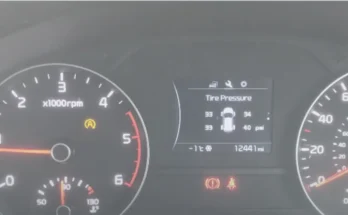
Some symptoms are urgent. A steering wheel that vibrates at highway speeds, clunks over bumps, or fails to return to center needs immediate inspection. If your tire pressure light comes on alongside steering changes, that combination suggests uneven wear from an alignment fault.
Don't wait.
49% off Today's Exclusive Deals
Limited-time Exclusive Deals. Check current discount on Amazon.
Check Price on Amazon As an Amazon Associate I earn from qualifying purchases.The First Thing to Check: Power Steering Fluid
On models with hydraulic assist, check the reservoir first. Low fluid causes whining noises and heavy steering. Top it up with the manufacturer-specified type and watch for drops.
Electric systems don't use fluid, so if your Rogue has EPS, skip straight to a diagnostic scan.
| Symptom | Likely Cause | Urgency |
|---|---|---|
| Heavy at low speed | EPS motor or fluid level | Moderate |
| Loose play or slop | Worn tie rods or intermediate shaft | High |
| Vibration at speed | Tire balance, warped rotor, or alignment | Moderate |
| Clunking on turns | Failing steering rack or ball joint | High |
| Wheel won't center | Suspension geometry or rack fault | High |
The Diagnostic Path: From Warning Light to Confirmed Fault
Getting from "something feels wrong" to a confirmed diagnosis follows a logical sequence. Rushing to the most expensive repair first is a common mistake.
A Safe, Step-by-Step At-Home Inspection
Start in your driveway. Check tire pressure on all four corners with a reliable gauge. Inspect the front tires for uneven tread wear, especially inside-edge feathering, which signals alignment trouble.
Turn the wheel lock-to-lock with the engine running and listen for clicks, groans, or grinding. If anything sounds off, schedule a professional inspection.
What a Mechanic Will Look For: Steering Rack and Tie Rods
A technician will inspect the steering rack and pinion assembly for play, leaks, and internal wear. They'll check tie rod ends by grabbing the wheel at the 9 and 3 o'clock positions and rocking it. Any detectable movement means replacement.
They'll also scan the EPS module for stored diagnostic trouble codes (DTCs) that pinpoint the exact fault.
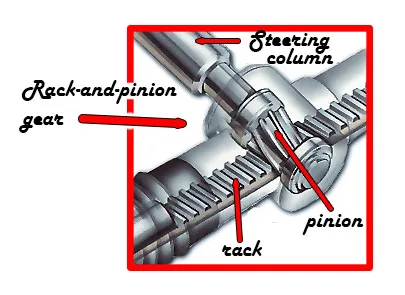
Image source: Bing (Web (fair-use with source credit))
Using NHTSA Data: Is Your Issue Part of a Recall or TSB?
Before spending money, check the National Highway Traffic Safety Administration's complaint database. The NHTSA maintains records of owner complaints, investigations, and recalls. A quick search by your model year and "steering" reveals whether your specific issue has a known pattern, a Technical Service Bulletin (TSB), or an active recall.
Your Repair Options: Dealer, Independent, or DIY?
Where you take the Rogue and who does the work matters for both cost and quality.
Dealership Service: OEM Diagnostics and Warranty Claims
Nissan dealerships have direct access to factory scan tools and the latest TSB updates. If your Rogue is still under the 3-year/36,000-mile basic warranty or the 5-year/60,000-mile powertrain coverage, the dealer is your first call. They can also process warranty extension claims if a steering-related TSB applies to your VIN.
Independent Mechanic: Cost-Effective Expertise
Independent shops with strong reputations often charge 20 to 40 percent less than dealerships. Many independent technicians formerly worked at franchise dealers and carry the same certifications. Ask for ASE-certified mechanics and confirm they have experience with Nissan steering systems.
Critical Safety Choice: OEM Parts vs. Aftermarket
This is not the place to cut corners. OEM parts are built to Nissan's exact specifications for fit, material, and performance. Aftermarket steering components vary wildly in quality.
For safety-critical parts like steering racks and tie rods, aggregate user reviews and mechanic forums consistently recommend OEM. The price difference is real, but so is the risk of a substandard aftermarket part failing at speed.
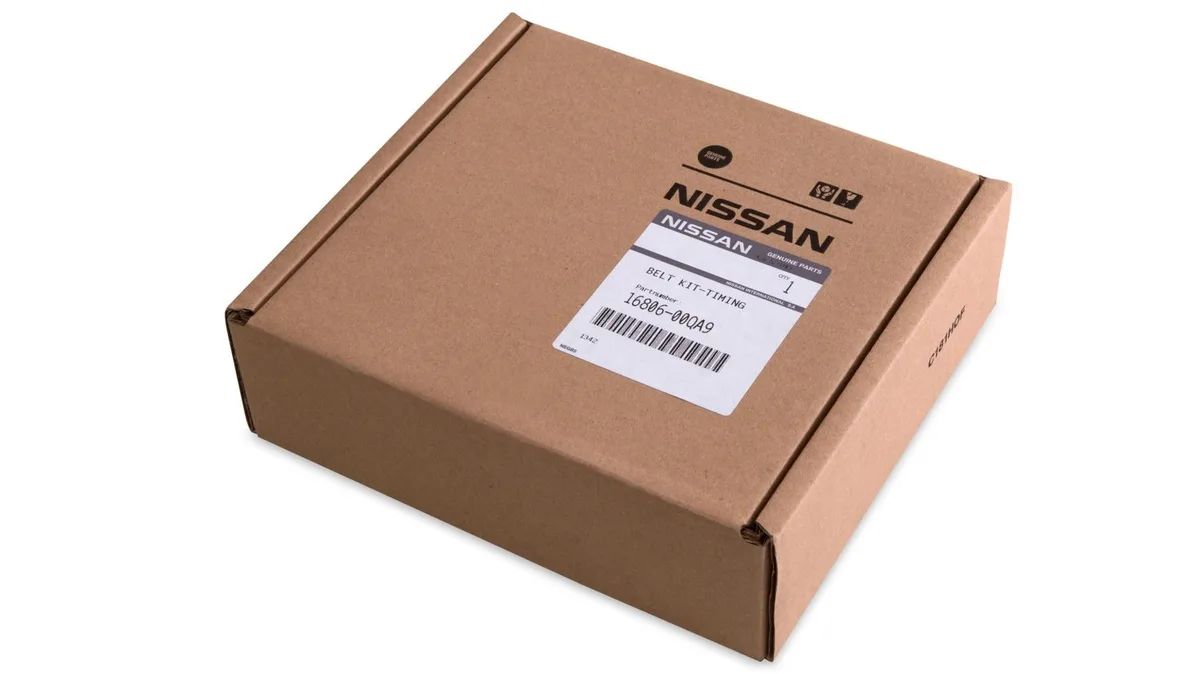
Image source: Bing (Web (fair-use with source credit))
| Option | Typical Cost Range | Warranty Support | Parts Quality |
|---|---|---|---|
| Nissan Dealership | $800 – $2,500+ | Factory warranty honored | OEM guaranteed |
| Independent Shop | $500 – $1,800 | Shop warranty varies | OEM or quality aftermarket |
| DIY (parts only) | $200 – $900 | No labor warranty | You choose |
Understanding the Costs and Your Rights
Steering repairs range from simple to expensive. Knowing the ballpark prevents sticker shock.
Breakdown of Common Repair Estimates
A tie rod end replacement typically runs $150 to $350 per side including parts and labor. A full steering rack replacement is the big one: $800 to $2,500 depending on model year and parts choice. An alignment after any steering work adds $80 to $150.
Diagnostic fees at dealerships generally fall between $150 and $250, though many apply that amount toward the repair if you authorize the work.
Warranty Coverage and Lemon Law Basics
Nissan's standard warranty covers steering components under the basic 3-year/36,000-mile plan. If you bought an extended warranty, check whether steering rack or EPS motor replacement is included. As of 2026, most states have lemon law provisions that may apply if a dealer has attempted the same steering repair three or four times without resolving it.
Document every visit and every symptom date.
Documenting the Problem for Your Case
Keep a simple log. Write down the date, driving conditions, what you felt, and any sounds. Photograph your steering wheel position when it drifts.
Save every invoice and service report. If a power window issue or door lock problem exists alongside the steering trouble, document those separately. A clear paper trail strengthens any warranty claim or lemon law filing.
Safety First: When to Stop Driving Immediately
Steering is a safety-critical system. A failure at highway speed has consequences no repair bill can undo.
Recognizing a True Steering Failure
Pull over immediately if the steering wheel becomes extremely heavy, locks up, or makes loud clunking noises during turns. A complete loss of power assist at speed is dangerous but usually still allows manual steering. The real danger is mechanical failure where the wheels no longer respond to your input.
That requires a tow truck.
The Risk of Ignoring a Minor Pull or Vibration
A slight pull might seem harmless. But it indicates uneven tire wear or a loosening component. Over weeks, a minor pull becomes a destroyed tire, a worn suspension bushing, or a tie rod end about to separate.
What costs $200 today can become a $2,000 repair next month.
Legal and Safety Implications of Continuing to Drive
Operating a vehicle you know has a steering defect creates legal exposure. If an accident occurs and you were aware of the problem, liability shifts dramatically. If you're experiencing a suspension noise alongside steering problems, that combination makes immediate inspection even more urgent.
The same applies to any braking concern. These systems work together.
Authoritative Resources You Can Trust
The right information source saves you time, money, and anxiety. Knowing where to look for official data is part of being an informed owner.
How to File a Formal NHTSA Complaint
The National Highway Traffic Safety Administration (NHTSA) is the primary federal agency for vehicle safety. Filing a complaint is straightforward. Visit their website, click "File a Complaint," and select "Vehicle" as the product type.
You'll need your VIN, model year, and a clear description of the problem. Complaints are public record and inform safety investigations.
Finding Your Vehicle's Recall and TSB Information
On the same NHTSA site, use the "Recalls & Manufacturer Communications" search. Enter your VIN to see any open recalls or TSBs specific to your Rogue. A TSB isn't a recall.
It's a notice from Nissan to dealerships about a known issue and the approved repair. Knowing a TSB exists gives you leverage when discussing the repair with your service advisor.
Manufacturer Documentation and Service Manuals
Nissan's consumer website offers owner's manuals and maintenance schedules for download. For deeper technical details, professional service manuals from Helm Inc. (the official publisher for Nissan service information) provide exact diagnostic flowcharts and torque specs.
This information helps you understand the repair being proposed.
Frequently Asked Questions
Is there a recall for Nissan Rogue steering problems?
Recall status changes. Always check the NHTSA recalls database with your VIN. As of 2026, certain model years have had recalls for EPS software updates or steering column issues.
A VIN-specific search is the only way to confirm if your vehicle is affected.
How much does it cost to fix a Rogue's steering?
Costs vary by the exact fault. A tie rod end replacement might be $200 to $400. A full steering rack replacement runs $1,000 to $2,500 with OEM parts.
Diagnostic fees at dealerships typically run $150 to $250, but are often waived if you approve the repair.
Should I take my Rogue to a dealer or an independent shop?
Choose a dealer if your vehicle is under warranty, has an open recall, or needs factory-specific programming. Choose an independent shop for post-warranty repairs to save money, provided they have strong reviews and Nissan experience.
What is the first thing I should do if my steering feels wrong?
Stop driving as soon as it is safe. Do not continue your trip. Pull into a parking lot or safe shoulder.
Check your tire pressure. If the issue is severe, like a clunking noise or a wheel that won't respond, call for a tow.
Can I drive my Rogue with a minor steering pull?
You shouldn't. A pull indicates an underlying issue like bad alignment, a worn suspension part, or uneven tire inflation. Driving with it worsens damage and creates uneven tire wear.
It also means your vehicle isn't tracking straight, which is a safety hazard.
Final Verdict: Prioritize Safety and Document Everything
A steering problem in your Nissan Rogue is a clear signal to act. It's not an inconvenience to schedule around. It's a safety-critical alert that requires a prompt response.
Your Immediate Action Plan
Determine severity first. If the wheel feels loose, clunks, or is extremely heavy, stop driving and use a tow service. Second, document symptoms with dates, times, and conditions.
Third, check the NHTSA database with your VIN. Fourth, contact a Nissan dealership or trusted independent mechanic for a diagnostic appointment.
Long-Term Vigilance for Peace of Mind
Keep your maintenance records organized. After any repair, take a careful test drive and monitor the steering for a week. If you've experienced a transmission problem or engine stalling, note that in your vehicle log.
Multiple electrical issues can sometimes share a root cause like a failing battery or ground connection. Staying informed and proactive is the best way to keep your Rogue safe and reliable.