A Kia Sportage alternator problem often starts with a single, ominous glow on your dashboard: the battery warning light. Before you panic about a dead battery or a major repair, know that this is a common issue with a logical fix. The charging system is simpler than it seems once you break it down step by step.
Your alternator's job is to keep the battery charged and power your electrical systems while driving. Manufacturer specifications indicate a healthy charging system should output between 13.5 and 14.8 volts. A reading outside this range points to a problem, and it's time to start our diagnostic workflow.

49% off Today's Exclusive Deals
Limited-time Exclusive Deals. Check current discount on Amazon.
Check Price on Amazon As an Amazon Associate I earn from qualifying purchases.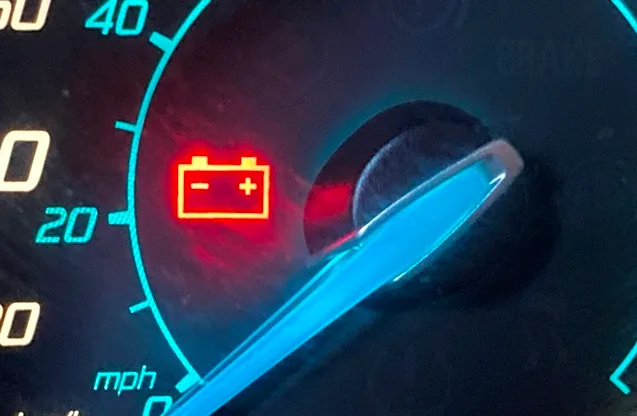
Image source: Bing (Web (fair-use with source credit))
The Charging System Warning: What It Really Means
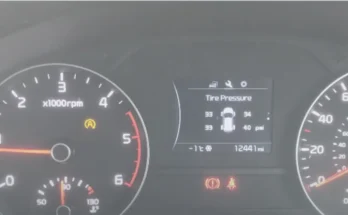
That red battery icon doesn't always mean the battery itself is dead. It's a warning that the charging system isn't working properly. This could be due to a few different culprits.
49% off Today's Exclusive Deals
Limited-time Exclusive Deals. Check current discount on Amazon.
Check Price on Amazon As an Amazon Associate I earn from qualifying purchases.The most common are a failing alternator, a worn serpentine belt, or a bad battery.
In our research, many drivers misinterpret this light. They assume the battery is the sole issue, leading to repeated dead batteries after replacement. The real root cause is often the alternator not providing enough power to recharge the battery while the engine runs.
Ignoring it can leave you stranded.
Quick Diagnosis: Test the Voltage with a Multimeter
The fastest way to confirm a problem is a simple voltage test. You'll need a basic multimeter. Start your Sportage and let it idle.
49% off Today's Exclusive Deals
Limited-time Exclusive Deals. Check current discount on Amazon.
Check Price on Amazon As an Amazon Associate I earn from qualifying purchases.Set the multimeter to DC volts and touch the red probe to the positive battery terminal and the black probe to the negative.
You're looking for a specific number. A normal reading is between 13.5 and 14.8 volts. If it's below 13 volts, the alternator isn't charging.
If it's over 15 volts, the voltage regulator is likely faulty and overcharging the battery. This quick test tells you which direction to go next.
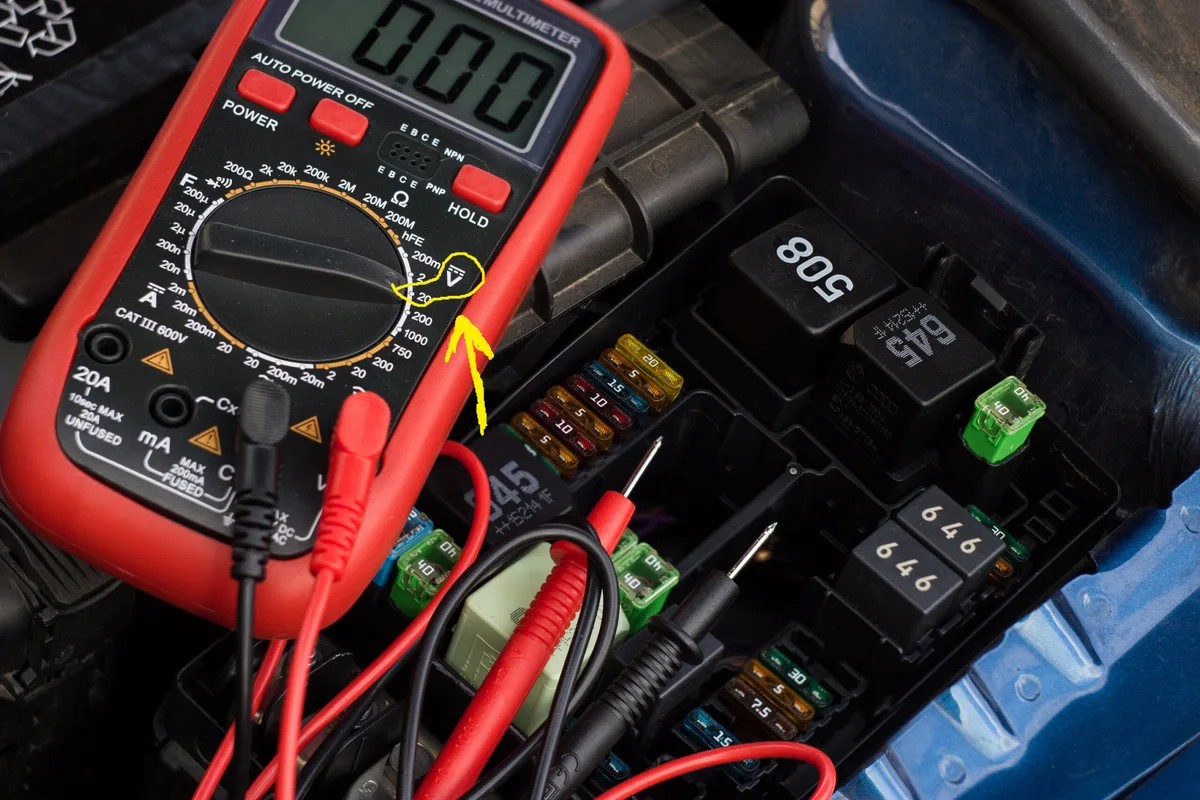
Image source: Bing (Web (fair-use with source credit))
The Diagnostic Workflow: Belt, Battery, or Alternator?
Follow this decision tree to pinpoint the exact issue. Always start with the easiest, cheapest checks first. This logical flow saves time and money.
Don't jump straight to buying an alternator.
- Visual Inspection: Open the hood and look at the serpentine belt that drives the alternator. Is it tight? Check for cracks, glazing (a shiny surface), or fraying. A loose or worn belt can slip and not spin the alternator fast enough to generate power.
- Check the Connections: Inspect the electrical connector plugged into the back of the alternator. Ensure it's firmly seated and free of corrosion. Also, check your battery terminals for white or green buildup. Corroded terminals can prevent proper charging.
- The "Wiggle" Test: With the engine running, carefully wiggle the wires at the alternator. If the battery light flickers or interior lights dim, you have a loose connection or a bad wire.
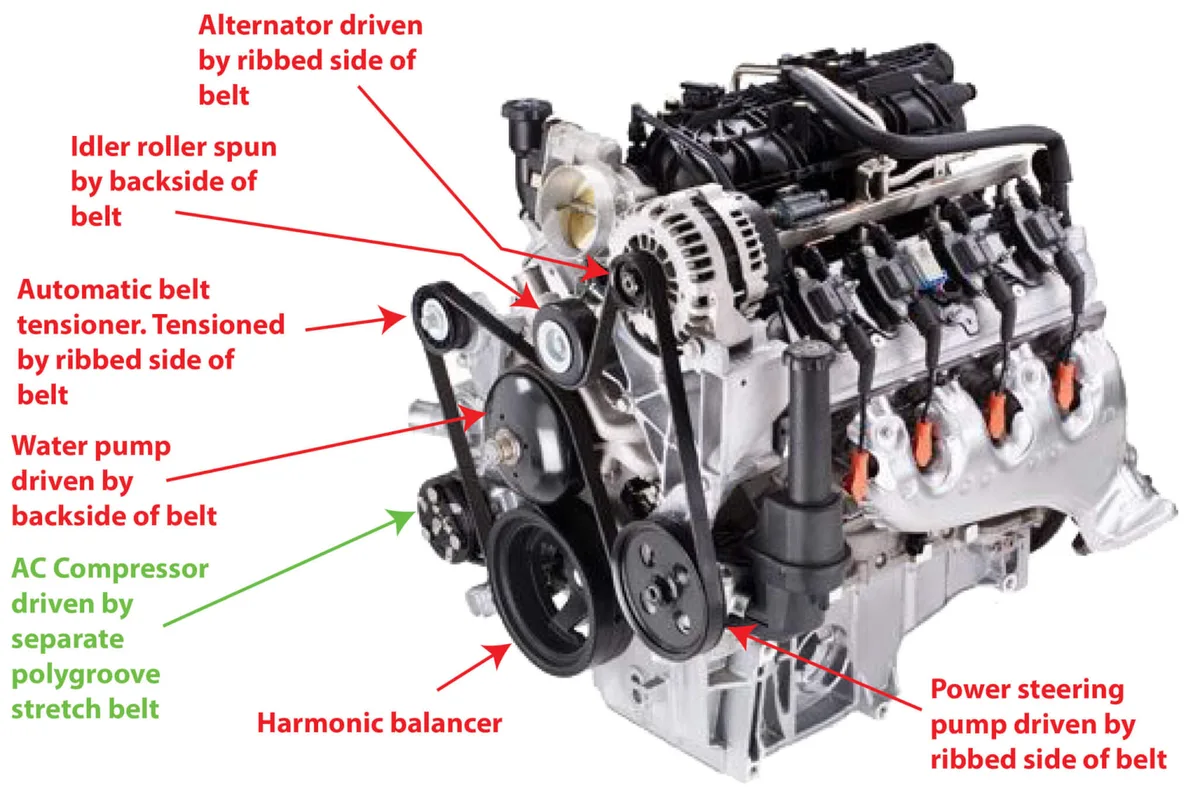
Image source: Bing (Web (fair-use with source credit))
If the belt is tight and connections are clean, the problem is likely inside the alternator itself. The internal voltage regulator or windings have failed. At this point, replacement is the standard repair.
Key Components in Your Kia Sportage's Charging System
Understanding these parts helps you talk to a mechanic or diagnose the issue yourself. The system is more than just one part. Each component plays a critical role in keeping your vehicle powered.
| Component | Function | Common Failure Sign |
|---|---|---|
| Alternator | Converts mechanical energy to electrical energy to charge the battery and power systems. | Low voltage output, whining/grinding noise, battery light on. |
| Serpentine Belt | Connects the engine's crankshaft to the alternator, water pump, and power steering pump. | Squealing noise, visible cracks, slipping, or breaking. |
| Voltage Regulator | Controls the alternator's voltage output to prevent overcharging. Often built into the alternator. | Overcharging (voltage >14.8V), undercharging, or erratic electrical behavior. |
| Battery | Stores electrical energy to start the car and provide power when the engine is off. | Dies repeatedly, won't hold a charge, or tests low after charging. |
| Wiring & Connectors | Carry electrical current between the alternator, battery, and vehicle systems. | Flickering lights, intermittent charging, damaged or corroded plugs. |
For newer Sportage models (2017 and later), the system may be a "smart" charging system. The vehicle's computer actively manages the alternator's output for efficiency. This means a standard aftermarket alternator might cause issues.
An OEM or compatible programmed part is often required.
Cost & Decision Guide: Repair, Replace, or Reconsider
Once diagnosed, you face a decision. Do you replace the part yourself, hire a pro, or potentially consider a different fix? Here’s a breakdown of your options with typical cost ranges as of 2026.
Labor costs vary by region and shop rates.
DIY Replacement
If you're handy with basic tools, this is a straightforward job on many Sportage generations. You'll need a socket set, a serpentine belt tool (for tensioner release), and a new alternator. Aftermarket parts run $150-$300.
OEM or remanufactured units cost $250-$450. This option saves you the $200-$400 in labor.
Professional Repair
Taking it to a shop is the low-hassle route. Parts and labor combined for a quality repair typically cost $500-$750. A shop will use either an aftermarket or an OEM-spec replacement.
They should also test the new system and may recommend a new battery if the old one was damaged by the failing alternator.
Cost-Saving Considerations
Before committing, consider these points. A failing alternator often damages the battery by overcharging or undercharging it. Replacing only the alternator might leave you with a weak battery that fails soon after.
Ask your mechanic to test the battery's health. Sometimes, a loose or cracked serpentine belt is the only issue, a fix that costs under $200 professionally. If your Hyundai Tucson battery keeps dying on a similar platform, the diagnostic logic is identical.
Mistakes to Avoid When Diagnosing Charging Issues
Even simple jobs can go wrong. Avoid these common errors that lead to wasted time and money.
- Assuming the Battery is the Only Problem: This is the number one mistake. If you replace a battery without fixing the underlying alternator or belt issue, the new battery will quickly fail too.
- Ignoring the Serpentine Belt: A glazed or worn belt can look okay but still slip under load. If it's over 60,000 years old, replacing it during the alternator job is smart preventive maintenance.
- Using the Wrong Replacement Part: On newer Kia models with a smart charging system, a generic aftermarket alternator may not communicate correctly with the car's computer. This can trigger warning lights or reduced performance. An OEM or correctly programmed remanufactured unit is safer.
- Forgetting to Reset the System: After certain electrical repairs on modern vehicles, some systems may need a reset or relearn procedure. A professional scan tool often handles this automatically.
- Not Testing the New System: After any repair, start the car and check the voltage at the battery again. Confirm it's now within the 13.5-14.8V range. This verifies the fix worked.



One Comment on “Kia Sportage Alternator Problem”