A Kia Sportage brake problem is more than just an annoyance. It's a critical safety concern that demands immediate attention. You might be dealing with a soft pedal, an unsettling shudder when stopping, or a warning light glowing on your dashboard.
Understanding the root cause is the first step toward a safe fix.

49% off Today's Exclusive Deals
Limited-time Exclusive Deals. Check current discount on Amazon.
Check Price on Amazon As an Amazon Associate I earn from qualifying purchases.Our research shows that brake pad thickness below 3mm (about the width of two pennies) is a universal minimum for safe operation. Delaying service can turn a simple pad swap into a costly rotor replacement. The stakes are high because modern braking systems are interconnected.
An issue with your Kia Sportage's brakes can quickly involve the Anti-lock Braking System (ABS) or Electronic Stability Control (ESC). We'll break down the most common symptoms, explain the real risks, and walk you through safe, logical steps to take.
49% off Today's Exclusive Deals
Limited-time Exclusive Deals. Check current discount on Amazon.
Check Price on Amazon As an Amazon Associate I earn from qualifying purchases.Image source: Bing (Web (fair-use with source credit))
Quick Answer: What a Kia Sportage Brake Problem Means
A Kia Sportage brake problem usually signals worn pads, a fluid issue, or a failing component. Common symptoms include squealing noises, a vibrating steering wheel, or a brake warning light. Do not ignore these signs.
Have the system inspected by a professional immediately to ensure vehicle safety.
Common Kia Sportage Brake Problems & Symptoms
Recognizing the specific symptom helps pinpoint the likely culprit. Here are the most frequently reported brake problems on Kia Sportage models, spanning the fourth generation (2017-2022) and fifth generation (2023-).
49% off Today's Exclusive Deals
Limited-time Exclusive Deals. Check current discount on Amazon.
Check Price on Amazon As an Amazon Associate I earn from qualifying purchases.- Squealing or Grinding Noises: A high-pitched squeal often means your brake pad wear indicators are exposed, signaling it's time for new pads. A grinding metal-on-metal sound is a severe warning that pads are completely worn and the rotors are being damaged.
- Brake Shudder or Vibration: If you feel a pulsing through the steering wheel or brake pedal when stopping, it typically indicates brake rotor runout (uneven rotor surface). This can be caused by warped rotors from excessive heat or uneven lug nut torque.
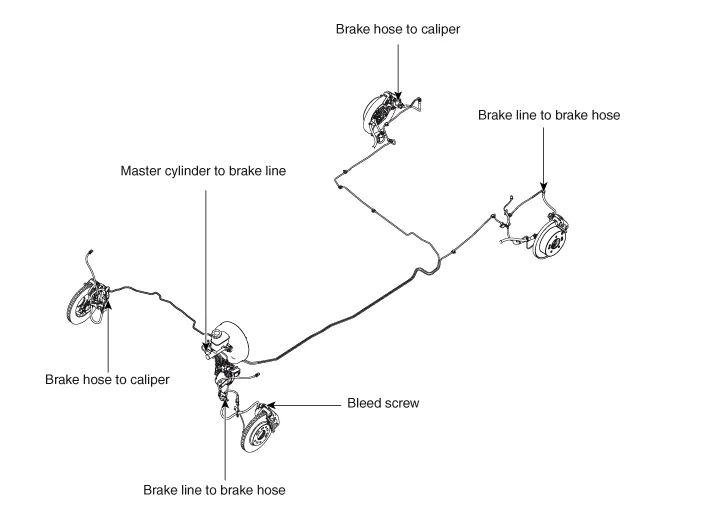
- Soft or Spongy Brake Pedal: A pedal that feels mushy and sinks toward the floor is dangerous. The most common cause is air in the brake lines, which requires a system bleed. It can also point to a failing master cylinder or a fluid leak.
- Vehicle Pulling to One Side: When braking, if your Sportage drifts left or right, it suggests uneven brake pressure. This could be a stuck caliper, a collapsed brake hose, or severely uneven pad wear.
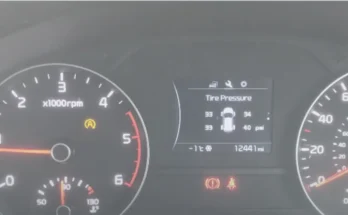
- ABS/ESC or Brake Warning Lights: A steady brake light often indicates low fluid or the parking brake is engaged. If the ABS or ESC light is on, the computer has detected a fault in the stability system. A scan tool is needed to read the diagnostic trouble codes.
If you're hearing unwanted sounds, our piece on a Hyundai Tucson brake noise covers similar symptoms on the sibling platform.
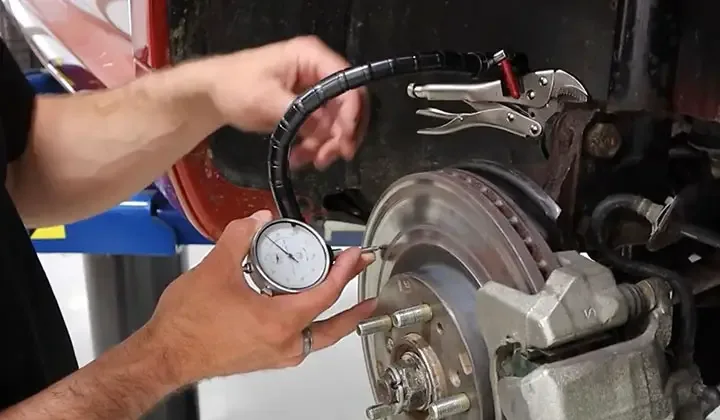
Image source: Bing (Web (fair-use with source credit))
Key Risks: What You Should Never Ignore
Ignoring brake symptoms isn't just risky. It can lead to catastrophic failure and serious accidents. The National Highway Traffic Safety Administration (NHTSA) consistently lists braking-related defects among the top causes for vehicle recalls.
Here's what's truly at stake:
- Increased Stopping Distance: Worn pads and glazed rotors dramatically reduce friction. Manufacturer specifications show that a worn system can increase stopping distance from 60 mph by 20 feet or more. That's the length of a large truck.
- Secondary Component Damage: Continuing to drive with grinding pads will score the rotors beyond the point of resurfacing, forcing a more expensive rotor replacement.
- Total Brake Fade: In extreme cases, like repeated hard braking on a steep downhill grade, overheated brakes can fade completely, causing a temporary loss of braking ability.
- Loss of Vehicle Control: A stuck caliper or severe fluid leak can cause the vehicle to pull violently during an emergency stop, potentially leading to a loss of control.
If your brake pedal feels unusually soft, you see brake fluid leaking (often clear to dark brown near the wheel), or you hear grinding, you should stop driving the vehicle if at all possible. For related platform issues, you might find insights on a Hyundai Tucson brake problem or a Hyundai Tucson brake pedal soft, but always address your specific vehicle's symptoms.
Safe First Steps: How to Assess the Issue
Your first priority is safety. Never work under a vehicle supported only by a jack. Always use jack stands on a solid, level surface.
If you're not completely confident, a flatbed tow to a shop is the safest choice.
If you proceed with a preliminary check, here's a simplified decision workflow based on the symptom:
IF the brake warning light is on AND the pedal feels normal:
- Then check the brake fluid level in the reservoir under the hood. If low, top it off with the correct DOT 4 fluid and monitor for leaks.
IF you hear a squeal when braking AND the pedal feels firm:
- Then a visual inspection is next. Safely look through the wheel spokes to see brake pad thickness. If the pad material is less than 1/4 inch, replacement is likely needed soon.
IF you feel a vibration or the car pulls to one side:
- Then a professional diagnosis is strongly recommended. These symptoms point to rotors, calipers, or hydraulics that require specialized tools to measure and fix.
Always begin with a visual check of each wheel for fluid leaks, cracked hoses, or obvious damage. For a similar diagnostic philosophy applied to a different system, check our guide on a Hyundai Tucson key fob not working.
When to Stop Driving and See a Professional
You need to transition from assessment to professional service immediately if these conditions exist.
| Symptom | Urgency | Why It's Critical |
|---|---|---|
| Grinding noise when braking | DO NOT DRIVE | Metal-on-metal means no pad material left. Risk of rotor seizure. |
| Brake pedal sinks to the floor | DO NOT DRIVE | Major hydraulic failure (fluid leak or master cylinder fault). |
| Significant brake fluid leak | DO NOT DRIVE | Visible puddles or wet components mean the system is losing pressure. |
| ABS/ESC light ON with poor braking | DRIVE TO SHOP ONLY | Stability systems are compromised. Braking is manual but degraded. |
| Severe vibration pulling the car | INSPECTION SOON | Warped rotors or suspension issues affecting stability. |
When in doubt, tow it. The cost of a tow is trivial compared to the risk. For comparison on another urgent drivetrain issue, see our article on a Hyundai Tucson engine overheating.
Kia Dealership vs. Independent Mechanic: Your Options
Both are valid choices, but they serve different needs.
Kia Dealership Service:
- Best for: Warranty work, complex ABS/ESC diagnostics, and Kia Genuine Parts. Technicians are factory-trained on your specific model year.
- Considerations: Labor rates are typically higher. Ensure they aren't recommending unnecessary services.
Certified Independent Mechanic (ASE Certified):
- Best for: Cost-effective maintenance, routine pad and rotor replacements, and building a long-term service relationship.
- Considerations: Verify they have experience with Kia or Hyundai platforms. Ask if they use quality aftermarket parts and offer a warranty on their work.
Get a written estimate that breaks down parts and labor. Ask them to show you the worn parts upon completion. This transparency is your best tool.
For another example of choosing repair options wisely, our piece on a Hyundai Tucson transmission problem lays out similar criteria.
Critical Warnings & Maintenance Must-Knows
These details separate a safe brake system from a ticking time bomb.
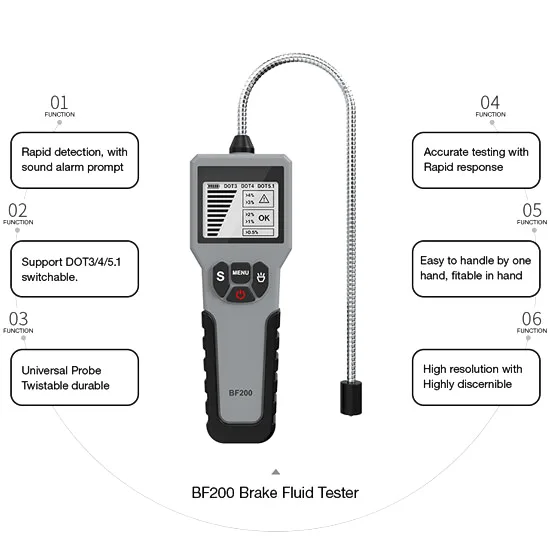
Image source: Bing (Web (fair-use with source credit))
Brake fluid matters more than you think. Kia specifies DOT 4 brake fluid for most Sportage models. Old, moisture-saturated fluid lowers the boiling point dramatically, which can cause vapor lock during hard braking. Most manufacturers recommend flushing brake fluid every two years or 30,000 miles, regardless of how the pedals feel.
A brake fluid test kit can measure moisture content in minutes.
Always replace pads and rotors in axle pairs. Replacing only one side creates uneven clamping force, which pulls the vehicle during stops. Both front rotors should be measured for minimum thickness, typically stamped on the rotor hat. Kia Sportage front rotors generally have a minimum spec around 24mm, but always verify for your exact year and trim.
Never ignore the parking brake. The Electronic Parking Brake (EPB) on newer Sportage models requires a special service mode before you can retract the calipers for pad replacement. Forcing the piston back without entering this mode can destroy the EPB motor, turning a $200 brake job into a $600 one.
Bedding in new brakes is not optional. After replacing pads and rotors, perform 6 to 10 moderate stops from 35 mph, followed by 2 to 3 firm stops from 40 mph. Avoid coming to a complete stop during this process. This transfers an even layer of pad material onto the rotor surface and prevents the judder that plagues many new brake jobs.
For another "small thing that becomes expensive if ignored" scenario, see our guide on a Hyundai Tucson coolant leak.
Frequently Asked Questions
Why does my Kia Sportage brake pedal feel soft?
A soft or spongy pedal almost always means air has entered the brake lines, often from low fluid or a recent service. The brake system is hydraulic, and air compresses where fluid doesn't. A professional brake bleed is the fix.
Don't drive around with this issue.
How much does a Kia Sportage brake job cost?
Aggregate pricing data from repair shops as of 2026 shows front pad and rotor replacement typically runs between $300 and $600 per axle, parts and labor included. Rear brakes cost slightly less. Dealership pricing trends higher.
Always request a breakdown before approving work.
Can I drive with the ABS light on?
You can technically drive, but your anti-lock braking system is disabled. In wet or emergency braking situations, your wheels can lock up and cause a skid. Treat an illuminated ABS light as a priority repair.
A scan tool reading the fault codes speeds up diagnosis.
What causes brake rotor warping on a Kia Sportage?
Warped rotors, technically called lateral runout, typically result from excessive heat cycles or uneven lug nut torque. Aggressive downhill braking and stopping while rotors are extremely hot are common culprits. Always torque lug nuts to specification using a torque wrench, never an impact gun.
Should I use OEM or aftermarket brake parts?
OEM parts guarantee exact fit and matching friction characteristics. Quality aftermarket brands like Akebono, Bosch, or Centric often perform equally well at a lower price. For ABS sensors and electronic components, stick with OEM.
For pads and rotors, quality aftermarket is a sound choice.