Your Jeep's temperature needle is creeping past the middle mark, and your stomach is doing the same. Jeep Wrangler engine overheating is one of the most common issues owners face, whether you drive a JK, a JL, or an older TJ. Overheating rarely happens without a reason, and most causes follow a predictable pattern you can trace at home.
A Wrangler's cooling system should hold pressure around 13 to 16 psi and keep coolant temperatures between 195°F and 210°F under normal driving. When your gauge climbs past that range, something has failed, blocked, or leaked. Let's diagnose it safely and identify what to fix first.

49% off Today's Exclusive Deals
Limited-time Exclusive Deals. Check current discount on Amazon.
Check Price on Amazon As an Amazon Associate I earn from qualifying purchases.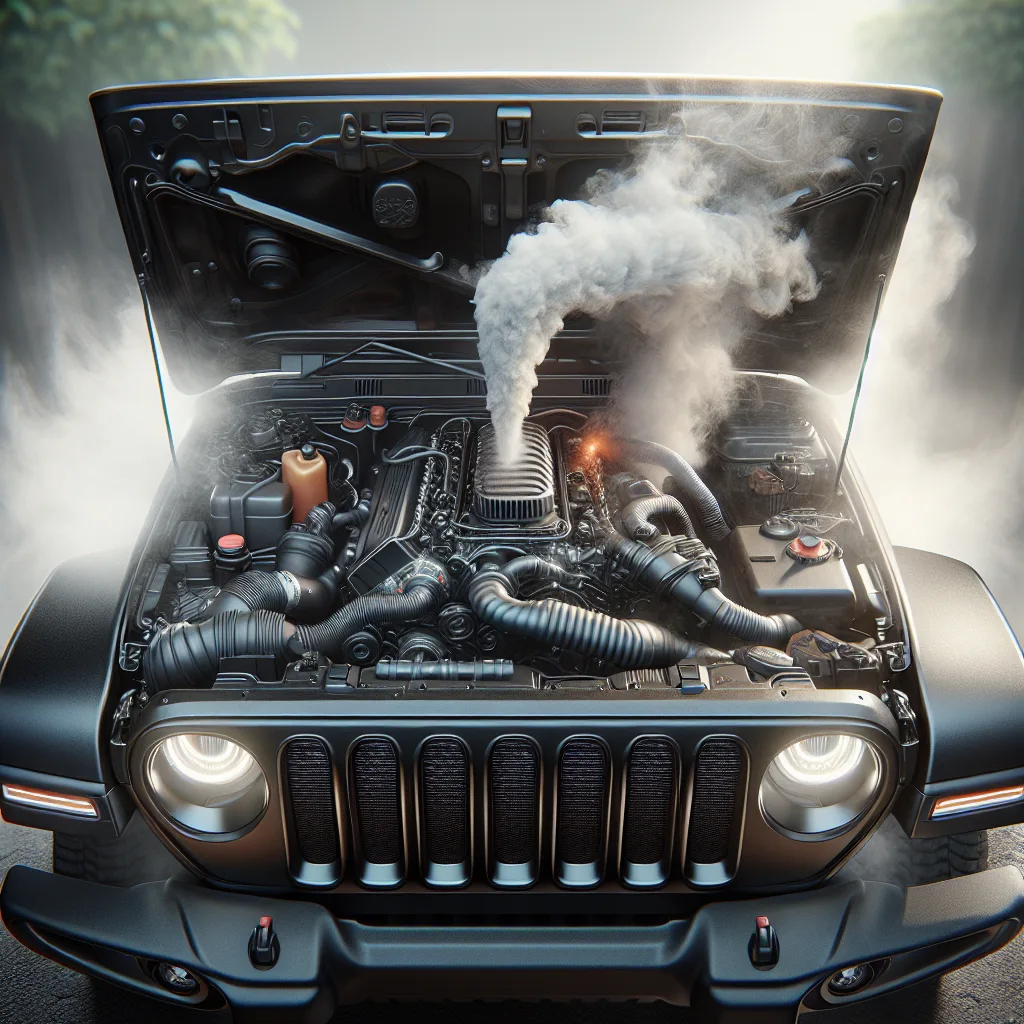
Image source: Bing (Web (fair-use with source credit))
Quick Answer
Jeep Wrangler engine overheating usually comes from a stuck thermostat, a failing water pump, a clogged radiator, or a fan that isn't pulling enough air. Check the coolant level first. Then identify when the overheating happens.
49% off Today's Exclusive Deals
Limited-time Exclusive Deals. Check current discount on Amazon.
Check Price on Amazon As an Amazon Associate I earn from qualifying purchases.Idle overheating points to the fan. Highway overheating points to airflow or a blocked radiator. Off-road overheating often means a coolant leak or air pocket.
Fix the root cause, not the symptom.
What Actually Counts as Overheating in a Wrangler?
A momentary needle spike on a hot day isn't always a crisis. Your Wrangler's cooling system has a designed operating window, and brief fluctuations can happen during heavy load or extreme heat. The problem starts when the temperature stays elevated or climbs steadily past the normal range.
The factory temperature gauge has a normal band, and the needle sits in the middle when everything works. When the needle pushes past the center mark and keeps climbing, you're in dangerous territory.
49% off Today's Exclusive Deals
Limited-time Exclusive Deals. Check current discount on Amazon.
Check Price on Amazon As an Amazon Associate I earn from qualifying purchases.Sustained operation above roughly 240°F can warp cylinder heads, blow head gaskets, and crack engine blocks.
Watch for secondary signs like steam under the hood, a sweet coolant smell, or a sudden power drop. If the gauge spikes and you smell coolant, pull over immediately.
Low coolant is the most common cause. A clogged radiator or stuck thermostat comes second.
The temperature at which the needle holds steady tells you a lot. If it sits high but stable, you have a flow or airflow problem. If it climbs continuously, you have a circulation failure or a serious leak.
The 5-Minute Safety Check Before You Pop the Hood
Before you touch anything, cool the engine down. Opening a hot radiator cap is how people end up with steam burns. Park on level ground, turn the engine off, and wait at least 30 to 45 minutes.
The cooling system needs to drop below its pressure threshold before it's safe to inspect.
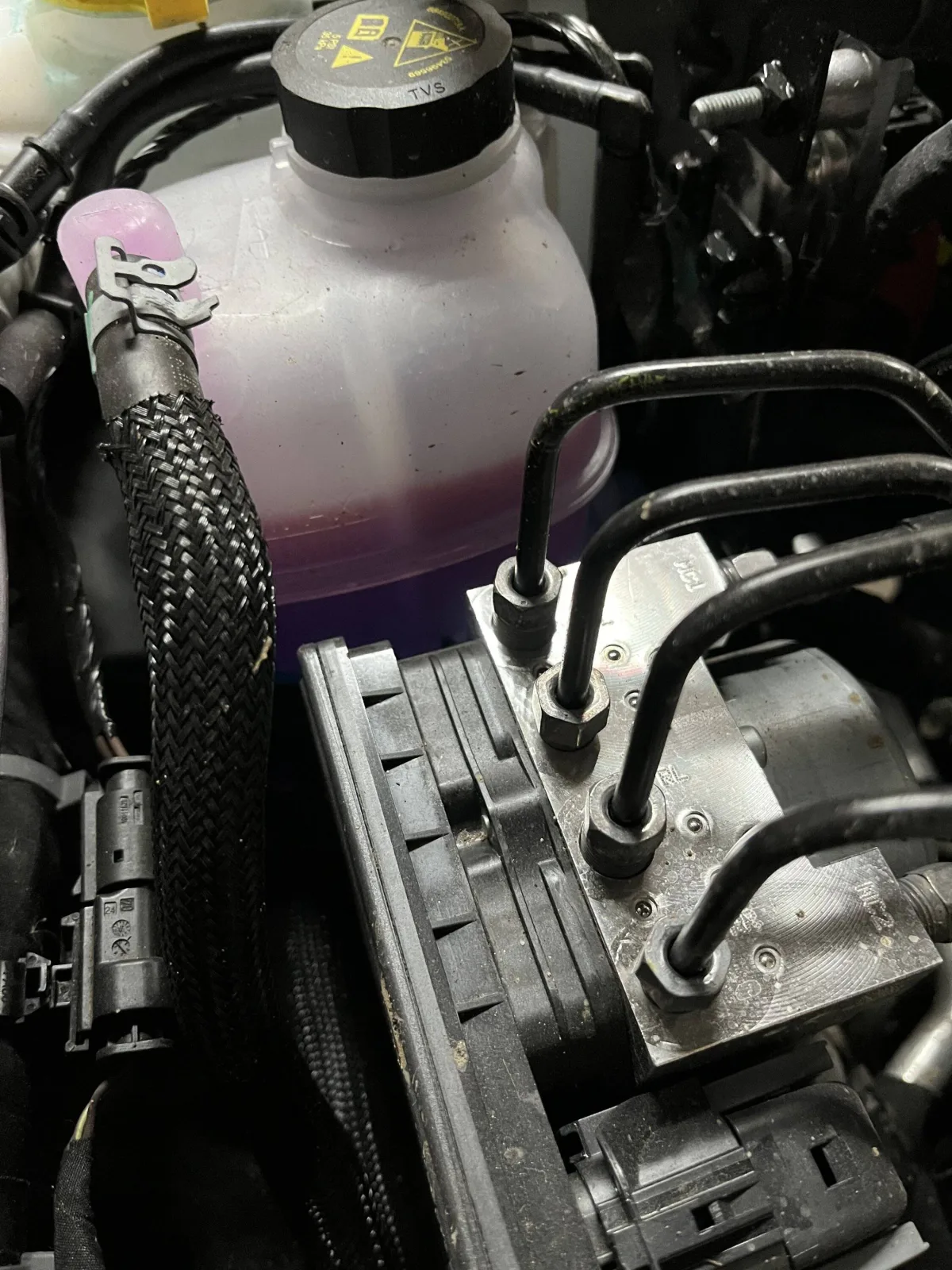
Image source: Bing (Web (fair-use with source credit))
Once the engine is cold, check the coolant reservoir first. It's a translucent plastic tank, usually near the radiator. The side has minimum and maximum fill level markings.
If the reservoir is empty or below the minimum mark, that's your first clue. Top it up with the correct coolant type for your engine and recheck it after the next drive.
Next, look at the radiator itself. Check the fins for mud, bugs, bent sections, or debris blocking airflow. Off-road Wranglers are notorious for packing mud into the radiator core.
Even a thin layer of dried mud can cut cooling efficiency dramatically.
Inspect the lower radiator hose for collapse. A soft or collapsed lower hose at higher RPMs restricts coolant flow exactly when the engine needs it most. Squeeze the hose while the engine is cool.
It should feel firm, not spongy.
Check the water pump weep hole. It's a small vent underneath the water pump pulley. If you see dried coolant residue or fresh streaks, the pump seal is failing and coolant is escaping.
This is a classic Wrangler failure point that leads to gradual overheating and coolant loss.
The Big Decision Tree: When Does It Overheat?
The single most useful diagnostic question is: when does the temperature spike happen? The answer splits your diagnosis into different branches. Match the symptom to the likely cause.
Overheating at Idle or in Traffic
If the temperature climbs while you're sitting still but drops when you start moving, the issue is almost always airflow. At speed, air rushes through the radiator. At a standstill, the fan has to pull that air.
Check the electric fan first. On many Wranglers, the fan should kick in when coolant temperature exceeds roughly 220°F. If it never turns on, test the fan relay, fuse, temperature sensor, and the fan motor itself.
A common culprit is a failed fan relay or a dead fan motor.
On older Wranglers with a mechanical fan clutch, listen for a loud roar when the engine is hot. A working fan clutch spins freely when cold and locks up when hot. If you can spin the fan easily with the engine off and hot, the clutch is worn out.
Overheating at Highway Speeds
When the needle climbs at highway speed, airflow isn't the problem. The issue is either coolant flow or heat transfer.
A stuck thermostat is the most common cause. If it won't open fully, coolant stays trapped in the engine and heats up rapidly.
A clogged radiator core also causes highway overheating. The internal tubes are blocked with scale, rust, or old coolant deposits. This is common if the previous owner used the wrong coolant or never flushed the system.
A radiator with blocked internal passages will not cool, no matter how much air flows through.
A collapsed lower radiator hose can also restrict flow at higher RPMs. The hose looks fine sitting still, but under suction, the inner lining collapses and cuts off circulation.
Overheating Off-Road, Towing, or on Steep Climbs
Off-road and heavy-load overheating have a different character. Slow-speed crawling puts a load on the engine while the radiator barely gets airflow. Towing adds heat from the transmission and raises the overall load.
Steep climbs shift the coolant in the system and expose air pockets that hide in the highest points of the engine.
For off-road and towing scenarios, the fan system and radiator condition are the twin priorities. Ensure your fan actually engages before you head out. Consider an auxiliary transmission cooler if you tow regularly.
Steep climbs often cause an air pocket in the heater core or the top of the engine block. This air pocket blocks coolant flow and makes the gauge spike. Bleeding the cooling system after a flush or repair is mandatory.
Use the factory bleed procedure for your model.
Overheating After You Shut It Off
Heat soak is where the temperature needle climbs after you turn off a hot engine. The coolant stops circulating, the fan shuts down, and heat from the engine block radiates into the coolant and sensor. A small spike after shutdown is normal.
What matters is how high it climbs and how long it stays elevated. A brief bump of 10 to 15 degrees that falls quickly is fine. A sustained climb that keeps rising points to excess heat retention, low coolant, or a cooling fan that should be running.
Some aftermarket fan controllers run the fan for a few minutes after shutdown to prevent this. If your Wrangler overheats severely after every drive, investigate the coolant level first, then the radiator cap pressure rating.
Follow the Branch: What Each Overheating Pattern Tells You
Once you identify when the overheating occurs, you can narrow the diagnosis to a specific component. Each branch points to likely failures.
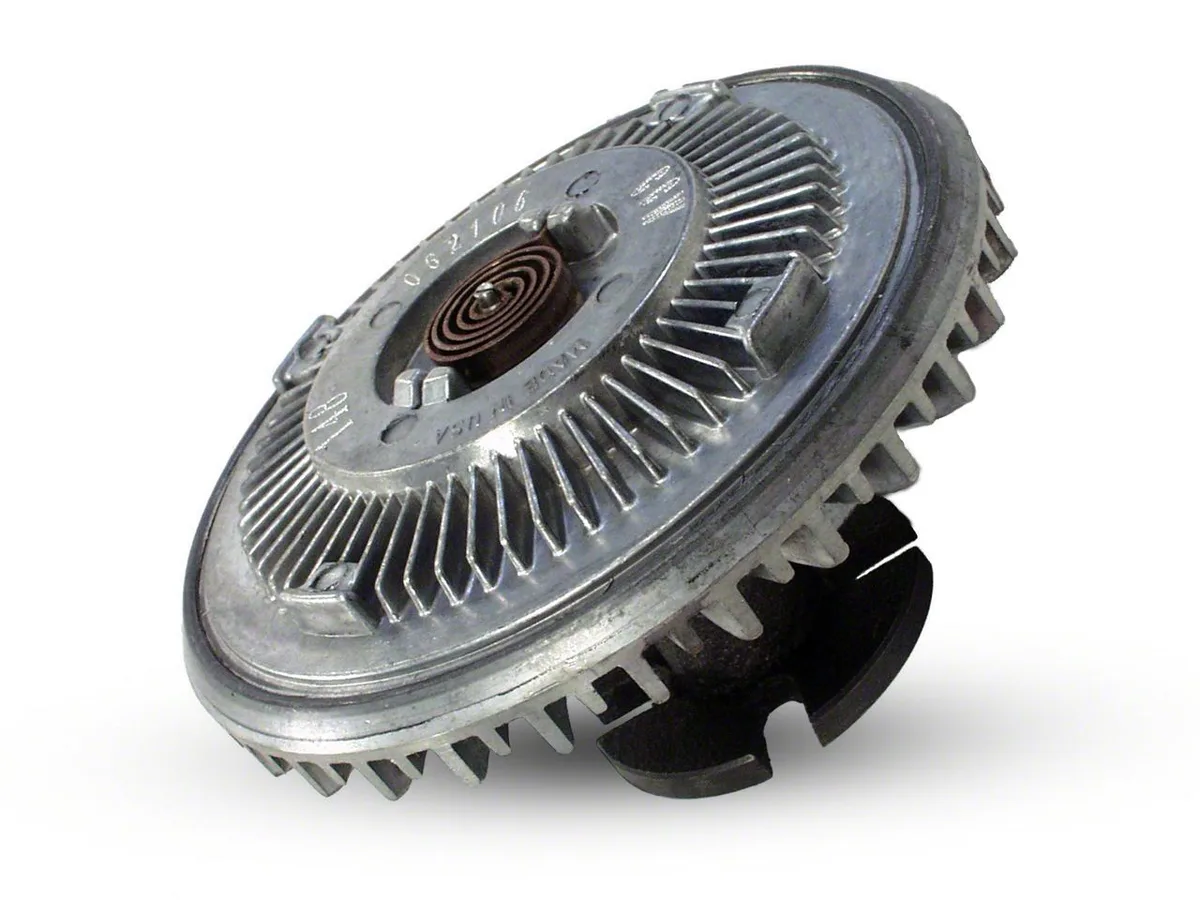
Image source: Bing (Web (fair-use with source credit))
Fan Problems: Clutch, Electric Motor, Relay, or Shroud
The fan system pulls air through the radiator when the vehicle isn't moving fast enough. If overheating happens at idle or in traffic, test the fan engagement first. For electric fans, use a scan tool or jumper wire to force the fan on.
If it doesn't spin, test the relay by swapping it with an identical one in the fuse box. If the fan runs with a known-good relay but not on its own, the temperature sensor or wiring is at fault.
On mechanical fan clutch systems, the test is physical. With the engine off and cool, spin the fan blade by hand. It should rotate with some resistance.
If it free-spins, the clutch is worn. With the engine warm, the clutch should be firm. A roaring fan right after startup followed by a quick idle-down is a sign the clutch is working.
Missing or damaged fan shrouds also matter. The shroud directs airflow through the radiator. If the shroud is cracked, broken, or removed, the fan moves less air than designed.
Replacing a broken shroud is cheap and often fixes idle overheating.
Thermostat Stuck Closed
A thermostat stuck closed prevents coolant from flowing from the engine into the radiator. The result is rapid overheating, often within minutes of startup. The upper radiator hose stays cool while the engine boils.
This is one of the easiest problems to diagnose.
Start the engine cold and let it idle. Watch the upper radiator hose. After a few minutes, the hose should suddenly get warm as the thermostat opens.
If the hose stays cold while the engine temperature gauge climbs, the thermostat is stuck closed. The fix is a new thermostat, a new gasket, and fresh coolant. A thermostat costs between $20 and $50, and the job takes about an hour.
Water Pump Failure and Coolant Leaks
The water pump keeps coolant circulating. A failing pump leaks from the weep hole, makes a whining noise, or moves less coolant because the impeller has eroded. This is common if the previous owner used the wrong coolant or ran the engine low on fluid repeatedly.
Look for dried coolant residue on the front of the engine below the pump. A serious leak will leave green or orange streaks. If the pump is noisy on a cold start and the noise fades as the engine warms, the bearing is failing.
Replacing a water pump varies in cost depending on the engine. The 3.6L Pentastar is straightforward. The older 4.0L is also a manageable DIY job.
Coolant leaks elsewhere behave similarly. A leaking heater core fills the cabin with a sweet smell and causes fogging on the windshield. A leaking radiator shows drips near the bottom tank.
A cracked overflow tank lets coolant escape invisibly as pressure builds. Any leak that drops coolant level will eventually cause overheating, so a pressure test is worth doing if you can't find the leak visually.
Radiator Flow Problems and a Clogged Core
The radiator is the heat exchanger. If the internal tubes are blocked, the coolant can't transfer heat. If the external fins are clogged with mud or debris, airflow can't pull the heat away.
Internal blockage usually causes overheating at all speeds, especially under load. An infrared thermometer can confirm this. Point it at the radiator inlet and outlet hoses once the engine is warm.
The inlet should be significantly hotter than the outlet. If both sides are nearly the same temperature, the radiator isn't cooling. A professional flush may help, but a badly scaled radiator needs replacement.
External blockage is more common for off-roaders. Dried mud between the fins acts like insulation. A thorough cleaning with low-pressure water, applied from the engine side backward, usually restores airflow.
Be careful with high-pressure washers. They bend the delicate fins and crush the airflow path.
Head Gasket and Crossover Pipe Warning Signs
If you've checked everything above and the overheating persists, you may be facing internal engine damage. A blown head gasket allows combustion gases to enter the cooling system. This pushes coolant out of the overflow tank and causes chronic overheating.
The classic signs are white smoke from the tailpipe, milky oil under the oil cap, or coolant bubbling inside the reservoir while the engine runs.
On 3.6L Pentastar engines, there's an additional known failure point: the coolant crossover pipe. This plastic pipe sits on top of the engine and can crack, leaking coolant down the back of the block. It's worth inspecting if you have a 2012 or newer Wrangler with unexplained coolant loss.
If you suspect a head gasket failure, stop driving the vehicle immediately. Running it risks catastrophic engine damage. A compression test or a chemical block test kit can confirm the diagnosis.
A head gasket replacement can cost $1,500 to $3,000 or more depending on the shop. Get a professional diagnosis before you commit.
Emergency Overheating: What to Do Right Now
If the temperature needle pegs and steam starts pouring from under the hood, what you do next determines whether this is a $100 repair or a $3,000 engine replacement.
Pull over safely as soon as possible. Turn off the engine immediately. Do not keep driving.
Every mile you drive while overheating pushes coolant out, heats metal parts beyond design limits, and risks warping the cylinder head.
Do not open the hood right away. The cooling system is under pressure, and the coolant is boiling. Wait until the engine cools down, which can take 30 to 60 minutes.
If you must move the vehicle before it cools completely, turn the heater on full blast. The heater core acts as a mini radiator, pulling heat out of the engine and into the cabin. It's miserable in summer, but it can buy you enough time to reach a safe spot.
Do not use this trick as a long-term solution.
Adding coolant or even plain water can get you moving again if the leak is small. But this only masks the problem. You need to find the root cause.
If the vehicle overheats again within a few miles, stop driving and have it towed. Towing is far cheaper than a new engine.
The Bottom Line: Fix It Yourself or Hand It to a Pro
If you traced the problem to a stuck thermostat, a failed fan relay, or low coolant, you can fix this at home with hand tools. Once you've confirmed the radiator fan is actually the culprit, the fix is often just a relay or sensor swap. Those repairs run $20 to $150 in parts and take an afternoon.
Some jobs belong in a shop. Head gasket failures, cracked crossover pipes, and internal blockages need diagnostic tools and precision. A $150 diagnosis beats a $2,500 engine replacement.
Chasing a hidden coolant leak before it ruins the engine is always worth the effort.
If you're handy with a socket set, start with the thermostat. It's a 30-minute job on most Wranglers. A water pump runs 2 to 4 hours.
Fan swaps vary but are also doable, especially on JK and JL models.
Know your limit. A professional shop will pressure-test the system and run a combustion leak test. That takes about an hour and gives you certainty.
Compare that to replacing a water pump, still overheating, then replacing a radiator, and finally finding a hairline crack in the block. That's how small repairs become big ones.
Common Mistakes That Turn a $50 Fix Into a $2,000 Repair
This is where good intentions go to die. Here are the biggest mistakes.
- Driving through the warning. A pegged gauge isn't a suggestion. It's a meltdown in progress.
- Opening the hot cap. Steam burns are horrific. Wait 30 minutes minimum.
- Mixing coolant types. Mixing OAT with HOAT creates a gel that plugs the radiator core.
- Skipping the bleed. Air pockets cause phantom overheating right after a flush or repair.
- Reusing the old radiator cap. A $12 cap with a tired spring lowers the boiling point.
- Trusting stop-leak as a fix. It clogs heater cores and makes the final repair harder.
- Over-tightening the thermostat housing. Cracks lead to coolant escape routes you won't spot until it's too late.
If your heat suddenly turns tepid mid-drive, that's a block sign. Weak cabin heat usually means low coolant or a clogged heater core, both of which link directly to overheating.
Dispose of drained coolant properly. The EPA disposal guidelines exist because antifreeze is toxic to pets and wildlife. Pouring it down a storm drain is illegal in most areas.
The common thread is patience. Every $200 repair came from rushing a $50 fix. Slow down, bleed the system, torque things properly, and use the right fluid.
Frequently Asked Questions
Can a bad radiator cap cause overheating?
Yes. The cap pressurizes the system and raises the coolant's boiling point. A cap that fails to hold 13 to 16 psi lets coolant boil prematurely. The result is sporadic steam-out and coolant loss. Replace it every few years. It's a $15 part that's consistently overlooked.
Why does my Jeep overheat after I turn it off?
That's heat soak. The coolant stops circulating and the fan shuts down while the engine block radiates heat. A brief 10 to 15 degree spike is normal. If it keeps climbing, check coolant level and fan operation. Low fluid makes heat soak much worse.
How do I know if my Wrangler has a blown head gasket?
White smoke from the tailpipe and milky oil on the dipstick are the classic signs. Coolant bubbling in the reservoir during idle is another strong clue. A block test kit detects combustion gases in the coolant. If the fluid turns yellow, the head gasket is done. Stop driving and get a professional confirmation.
What coolant should I use in my Jeep Wrangler?
Check your owner's manual for the exact spec. Most 2007 and newer Wranglers use an OAT coolant, usually orange or yellow. Older 4.0L models often require a HOAT formula. Never mix types unless you flush the system completely. Using the wrong one causes scale buildup and clogs.
Can I drive with an overheating engine?
No. Even a few miles on a pegged gauge can warp the cylinder head or crack the block. Pull over, shut it down, and let it cool. Then deal with the root cause or call a tow. The tow bill is nothing compared to the engine rebuild.