If you use a winch for off-roading, towing, or lifting heavy loads, you may wonder: how long does a winch actually last? You don’t want your winch to fail when you need it most. The answer isn’t simple, because winch lifespan depends on many factors—usage, environment, maintenance, and build quality. This guide will help you understand what affects winch longevity, how to spot early signs of trouble, and how to make your winch last as long as possible. Whether you’re a weekend adventurer or a commercial operator, you’ll find clear advice and practical tips you can trust.
What Is A Winch And Why Lifespan Matters
A winch is a mechanical device that pulls, lifts, or moves heavy objects. Most winches use a spool (drum) with a cable or rope, powered by a motor or manual crank. You see winches on trucks, ATVs, boats, and cranes. They are critical for recovery, construction, and many industrial jobs.

49% off Today's Exclusive Deals
Limited-time Exclusive Deals. Check current discount on Amazon.
Check Price on Amazon As an Amazon Associate I earn from qualifying purchases.If a winch fails, it can lead to expensive delays, safety risks, or even dangerous situations. Imagine being stuck in mud, snow, or on a remote trail with a broken winch. For business owners, downtime means lost money and unhappy clients. That’s why understanding winch lifespan is so important.
How Long Does A Winch Typically Last?
Most electric winches last 8–15 years with moderate use and care. Some heavy-duty models can go longer, while cheaper models may fail sooner. Manual winches often last even longer, because they have fewer moving parts.
But there’s no universal number. A winch’s life depends on:
49% off Today's Exclusive Deals
Limited-time Exclusive Deals. Check current discount on Amazon.
Check Price on Amazon As an Amazon Associate I earn from qualifying purchases.- Usage frequency (daily, weekly, rarely)
- Type of loads (light, heavy, extreme)
- Environment (mud, water, salt, heat, cold)
- Maintenance (regular, occasional, none)
- Build quality (brand, materials, warranty)
Let’s break down each factor, with real-world examples and numbers.
Winch Lifespan By Usage Scenario
Here’s a typical range for different users:
| User Type | Average Lifespan | Notes |
|---|---|---|
| Off-road hobbyist | 10–15 years | Occasional use, moderate loads |
| Commercial towing | 5–8 years | Daily use, heavy loads |
| Boat owner | 8–12 years | Exposed to water and salt |
| Construction site | 5–10 years | Frequent, extreme loads |
| Manual winch (light duty) | 15–20 years | Low maintenance, fewer parts |
You can see that heavy, frequent use shortens lifespan. Environmental stress (like saltwater) also matters.
Key Factors That Affect Winch Longevity
Frequency And Type Of Use
Every time you use a winch, it wears a little. Pulling a lightweight ATV out of mud is very different from winching a loaded truck up a steep hill. Overloading the winch, or using it near its rated capacity, causes more wear.
49% off Today's Exclusive Deals
Limited-time Exclusive Deals. Check current discount on Amazon.
Check Price on Amazon As an Amazon Associate I earn from qualifying purchases.- Light, occasional use: Longer life (up to 15 years)
- Heavy, frequent use: Shorter life (as little as 5 years)
- Extreme overloads: Can break the winch in one event
Non-obvious insight: Many beginners think only the number of uses matters. But duration of pulls and the weight of loads are just as important. A winch used for short pulls may last much longer than one used for long, heavy pulls—even if both are used equally often.
Environmental Conditions
Winches that work in harsh environments—mud, water, dust, salt, or extreme temperatures—face more stress. Moisture can cause rust. Salt speeds up corrosion. Dust can clog gears and motors.
- Dry, clean environments: Winches last longer
- Wet, salty, or dirty areas: Parts wear out faster
Example: A winch on a boat trailer exposed to saltwater needs extra care. Without proper cleaning, the cable and drum may rust in a few years.
Maintenance And Care
Proper maintenance is the biggest factor you control. Regular cleaning, lubrication, and inspection keep your winch running smoothly. Neglect shortens lifespan.
- Monthly maintenance: Winch can last double as long
- No maintenance: Winch may fail within a few years
Non-obvious insight: Some users only check the cable. But neglecting the electrical connections, motor, and gearbox can cause silent failures.
Build Quality And Brand
Not all winches are made equal. Well-known brands use better materials and test their products more thoroughly.
- High-end brands: Better motors, stronger gears, longer warranties
- Cheap brands: Lower-grade steel, weaker motors, poor seals
A study by Consumer Reports found that premium winches lasted 30–40% longer in real-world testing compared to low-cost alternatives.
| Brand | Average Warranty | Reported Lifespan |
|---|---|---|
| Warn | Limited Lifetime | 12–15 years |
| Smittybilt | 2–5 years | 8–12 years |
| Generic | 1 year | 3–7 years |
If you plan to use your winch often, choosing a reputable brand pays off over time.
Mechanical Vs Electric Winches
Mechanical (manual) winches have fewer parts, so they often last longer. Electric winches depend on the quality of the motor and electrical components.
- Manual winch: Lasts up to 20 years, less maintenance
- Electric winch: Lasts 8–15 years, requires more care
Electric winches are more convenient but need more protection from moisture and corrosion.
Signs Your Winch Is Wearing Out
It’s important to spot trouble early. Here are common warning signs:
- Slow operation: Motor runs slower than usual, even with full power.
- Unusual noises: Grinding, clicking, or whining sounds mean gears or bearings may be failing.
- Cable damage: Fraying, kinks, or rust on steel cables; fraying or cuts on synthetic rope.
- Overheating: Winch gets hot after short use, or thermal protection kicks in often.
- Electrical issues: Motor stops, stalls, or runs intermittently.
- Rust or corrosion: On drum, cable, or electrical connections.
- Poor response: Controls lag or don’t work as expected.
If you notice any of these, inspect your winch before next use. Fixing a small issue now prevents major failure later.
How To Extend Winch Lifespan
You can make your winch last years longer with simple habits.
Regular Maintenance Checklist
- Clean the winch after every use, especially if exposed to mud, water, or salt.
- Lubricate moving parts (gears, bearings) monthly.
- Inspect the cable or rope for damage.
- Check electrical connections for corrosion.
- Test the remote control and switches.
- Cover the winch when not in use.
Storage Tips
Store your winch in a dry place. If mounted on a vehicle, use a winch cover. Avoid long exposure to sun, rain, or snow.
Smart Usage Habits
- Never overload the winch. Use only within rated capacity.
- Avoid shock loads (jerking or sudden pulls).
- Let the winch cool between long pulls.
- Use pulleys (snatch blocks) to reduce strain.
- Keep cable/rope spooled neatly to prevent tangling.
Upgrading Parts
Some parts wear faster than others. Replacing a damaged cable or motor can give your winch a second life.
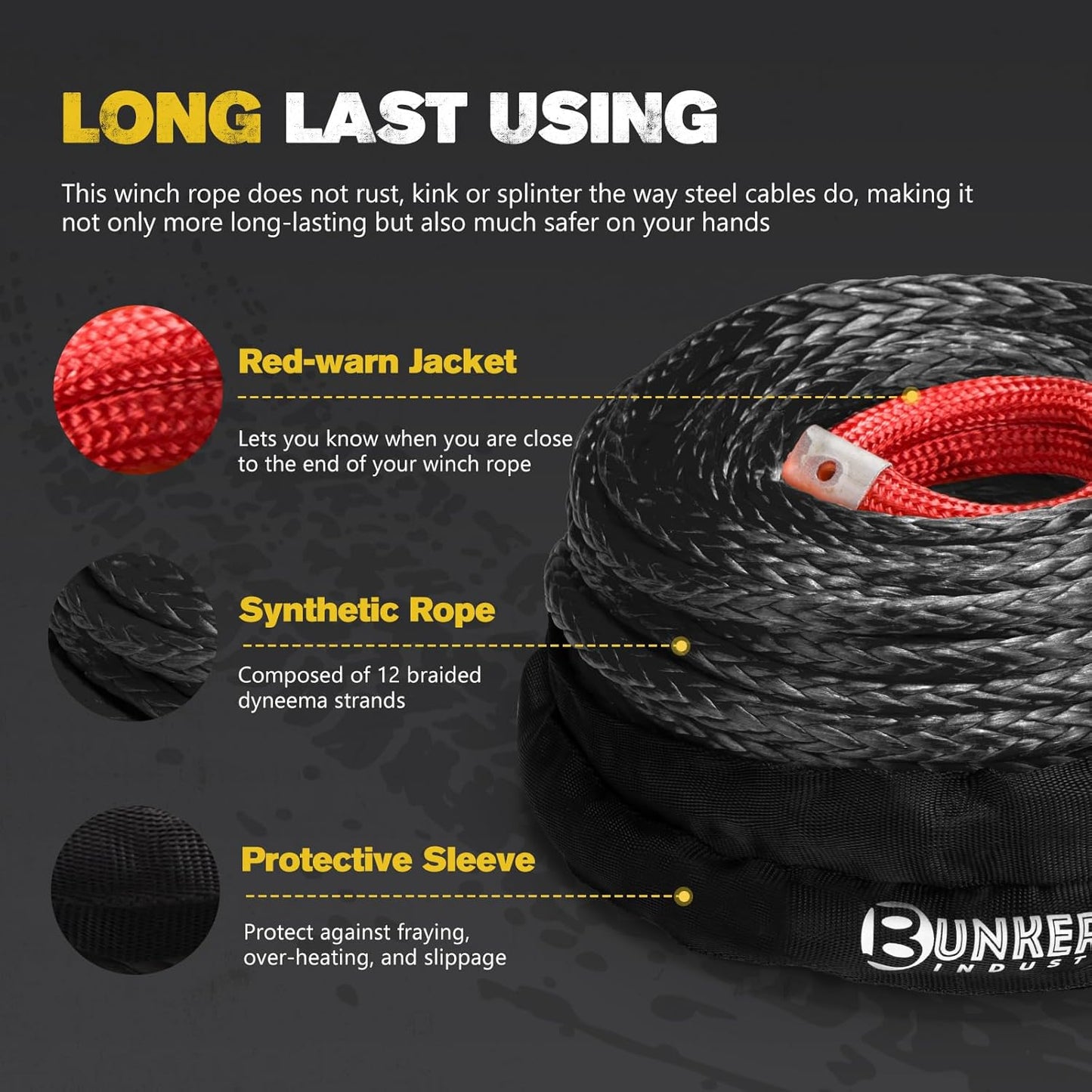
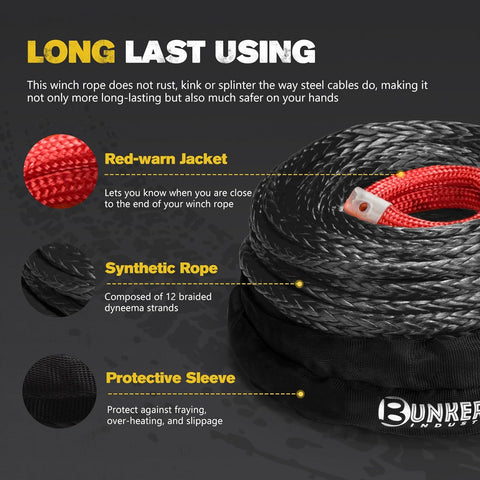
- Switch to synthetic rope if your steel cable is worn.
- Replace old bearings or brushes in the motor.
- Upgrade seals if water ingress is a problem.
What Makes Some Winches Last Longer?
There are a few hidden reasons why some winches outlast others:
- Sealed housing: Winches with sealed motors and gearboxes resist water and dust better.
- High-quality gears: Hardened steel or brass gears last longer than cheaper alloys.
- Thermal protection: Motors with built-in heat sensors prevent burnout.
- Advanced coatings: Powder-coated drums and frames resist rust.
Some buyers overlook these features. But investing in them makes a real difference, especially in tough environments.
Comparing Winch Lifespan: Electric Vs Manual, Steel Vs Synthetic Rope
Choosing the right winch type and cable can add years to your winch life. Here’s a quick comparison:
| Winch Type | Average Lifespan | Key Weakness | Best For |
|---|---|---|---|
| Electric, steel cable | 8–12 years | Cable rust, electrical failure | Heavy, frequent pulls |
| Electric, synthetic rope | 10–15 years | UV damage, rope abrasion | Off-roading, lighter loads |
| Manual, steel cable | 15–20 years | Manual fatigue, cable rust | Occasional, light duty |
| Manual, synthetic rope | 17–22 years | Rope aging | Boat trailers, light loads |
Synthetic rope lasts longer if you keep it clean and protect it from sunlight. Steel cable is tough but needs regular rust prevention.
Winch Lifespan: Real-world Examples
Let’s look at real stories:
- Off-roader in Arizona: Used a Warn winch for 12 years, pulling Jeeps from sand and mud. Regular cleaning and cable replacement—still works today.
- Commercial tow operator in New York: Smittybilt winch failed after 5 years—motor burned out after repeated heavy pulls. Upgraded to a higher-capacity model.
- Boat owner in Florida: Manual winch lasted 18 years. Switched to synthetic rope after cable rusted. Still functional after two decades.
These examples show that environment and care matter as much as brand.
When Should You Replace Your Winch?
Sometimes, repair is not enough. Here are signs it’s time to upgrade:
- Motor fails repeatedly, even after replacement.
- Gearbox is damaged or jammed.
- Frame is badly rusted or cracked.
- Cable/rope is unsafe, and replacements are expensive.
- Winch is too small for your current needs.
- Parts are discontinued or hard to find.
If your winch is over 10 years old and showing multiple symptoms, consider buying a new one. Safety and reliability matter more than saving a few dollars.
Common Winch Lifespan Myths
Many users believe things that just aren’t true. Let’s clear up a few:
- Myth 1: All winches last a lifetime. Truth: Most last 8–15 years if used moderately.
- Myth 2: Steel cable is always better than synthetic rope. Truth: Both have strengths. Synthetic rope can outlast steel if maintained.
- Myth 3: Higher capacity means longer life. Truth: Not always. Using a winch at its rated capacity is safer, but over-capacity models may be heavier and harder to maintain.
- Myth 4: Maintenance isn’t necessary. Truth: Neglect causes early failure. Regular care can double lifespan.
Don’t rely on rumors. Trust facts and real data.
Professional Maintenance Vs Diy
Should you service your winch yourself or hire a pro? Here’s a quick comparison.
| Service Type | Cost | Pros | Cons |
|---|---|---|---|
| DIY | Low (just parts) | Save money, learn skills | Time-consuming, risk of mistakes |
| Professional | High ($100–$300 per service) | Expert care, warranty | Higher cost, less control |
For basic cleaning and cable replacement, DIY works well. For electrical or gearbox repairs, a pro is often safer.
How Warranty And Support Affect Lifespan
Warranty isn’t just for new winches. Good support means easier access to parts, advice, and upgrades. Brands with lifetime warranties and strong customer service make repairs and maintenance easier.
Check your brand’s warranty before buying. Some cover only the frame, not the motor or cable. Others give full coverage for years.
Expert Tips To Maximize Winch Lifespan
Here are proven tips from industry experts:
- Use a winch damper: Reduces cable snap risk and protects the winch.
- Avoid water submersion: Even “waterproof” winches suffer if submerged often.
- Replace cable or rope every 5 years: Prevents sudden failure.
- Test winch monthly: Even if not used, run it to check operation.
- Keep a log: Record every use and maintenance. Helps spot patterns.
Following these steps can add years to your winch’s life.
Comparing Winch Lifespan To Other Recovery Tools
For context, here’s how winches stack up against other recovery tools:
- Tow straps: Last 3–5 years, can fail suddenly.
- Come-alongs: Last 10–15 years, limited capacity.
- Hi-lift jacks: Last 10–20 years, but not for pulling.
A winch is the most reliable tool for heavy recovery, if cared for properly.
Frequently Asked Questions
How Can I Tell If My Winch Needs Maintenance?
Look for slow operation, unusual noises, cable damage, or overheating. If controls don’t respond well or you see rust, it’s time for maintenance.
Should I Choose Steel Cable Or Synthetic Rope For Longer Winch Life?
Both have pros and cons. Steel cable is strong and durable, but prone to rust. Synthetic rope is lighter and easier to handle but needs protection from UV and abrasion. Choose based on your environment and usage.
Can I Repair A Winch Myself, Or Do I Need A Professional?
Basic tasks like cleaning, cable replacement, and lubrication can be done yourself. For electrical or gearbox issues, a professional is safer. Always follow the manufacturer’s instructions.
What Is The Most Common Cause Of Winch Failure?
Most failures happen due to lack of maintenance and overloading. Electrical problems and cable damage are also frequent, especially in wet or dirty environments.
Does Warranty Length Mean A Winch Will Last Longer?
Not always. Warranty covers repairs, but winch lifespan depends on usage and maintenance. However, a longer warranty usually means better build quality and support.
Final Thoughts
A winch is a vital tool for recovery, towing, and lifting. With proper care, most winches last 8–15 years—sometimes longer. The key factors are how often you use it, the conditions you use it in, and how well you maintain it. Choose a reputable brand, follow smart usage habits, and keep up with regular maintenance. If your winch shows signs of wear, don’t wait to act. A reliable winch means safety, confidence, and less stress on every adventure or job.
For more technical details and industry standards, check resources like Wikipedia. By knowing what affects winch lifespan and how to care for your equipment, you’ll get the most value—and peace of mind—from your investment.