A winch motor is one of those tools that quietly makes tough jobs much easier. You see them on trucks, boats, off-road vehicles, and even in factories. But how does a winch motor actually work? What’s inside it, and what happens when you press that button or flip that switch?
Whether you’re new to winches or want a deeper understanding, this article will break down the mechanics, types, and applications of winch motors using clear, simple English. By the end, you’ll know exactly what powers a winch, how it pulls heavy loads, and what makes each kind unique.

49% off Today's Exclusive Deals
Limited-time Exclusive Deals. Check current discount on Amazon.
Check Price on Amazon As an Amazon Associate I earn from qualifying purchases.If you want to use, repair, or buy a winch motor, this guide will help you make smarter choices and avoid beginner mistakes.
What Is A Winch Motor?
A winch motor is the heart of a winch system. It’s the part that creates the power to pull, lift, or move objects by winding a cable or rope around a drum. This can be for vehicles stuck in mud, boats docking, or lifting heavy items in construction.
The motor converts electrical or mechanical energy into rotational force (torque). This force turns the drum, which pulls in or lets out the cable. Without the motor, a winch would just be a spool with no power.
49% off Today's Exclusive Deals
Limited-time Exclusive Deals. Check current discount on Amazon.
Check Price on Amazon As an Amazon Associate I earn from qualifying purchases.Core Components
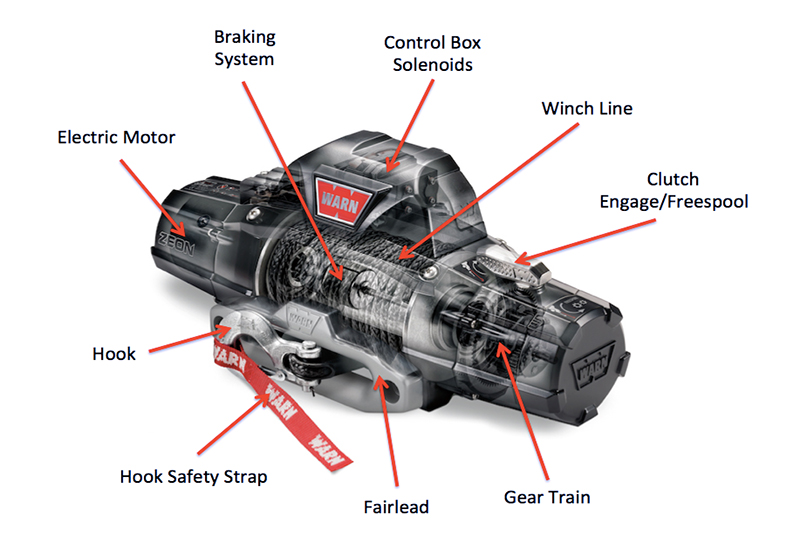
To understand how a winch motor works, you need to know its main parts:
- Motor: Generates power, usually electrical or hydraulic.
- Drum: The cylinder where the cable wraps.
- Gearbox: Increases torque and reduces speed.
- Brake system: Holds the load when the motor stops.
- Remote control: Lets the user operate the winch from a safe distance.
Each part must work together smoothly to move heavy loads safely and efficiently.
Types Of Winch Motors
The way a winch motor works depends on its type. There are several designs, each with their own strengths and weaknesses. Let’s look at the main types.
Electric Winch Motors
Most common for vehicles and light industrial use, electric winch motors run on battery power. They are easy to install and operate.
49% off Today's Exclusive Deals
Limited-time Exclusive Deals. Check current discount on Amazon.
Check Price on Amazon As an Amazon Associate I earn from qualifying purchases.Main Features
- Powered by 12V or 24V batteries
- Push-button controls
- Portable and flexible
- Good for short, quick pulls
How They Work
An electric winch motor uses an electric current to create a magnetic field inside the motor. This turns a shaft, which spins the drum. The gearbox multiplies torque, making it strong enough to pull heavy loads.
Example
A typical Jeep winch uses a 12V electric motor, drawing 50-100 amps under load, and can pull up to 12,000 pounds.
Hydraulic Winch Motors
Hydraulic winch motors use fluid pressure to generate power. They are mostly found in heavy-duty settings like tow trucks and ships.
Main Features
- Powered by hydraulic pumps (often from vehicle engines)
- Handle continuous or very heavy loads
- Reliable under extreme conditions
How They Work
A hydraulic pump pushes fluid through hoses into the motor. The fluid pressure turns the motor’s shaft, which spins the drum. Hydraulic motors can run for hours without overheating, unlike electric motors.
Example
A tow truck’s hydraulic winch might pull 20,000 pounds and run for hours, powered by the truck’s engine-driven pump.
Pneumatic Winch Motors
Less common, pneumatic winch motors use compressed air for power. They are used in areas with high fire risk, like mines.
Main Features
- Powered by air compressors
- Safe in explosive environments
- Lower pulling power compared to hydraulic
How They Work
Compressed air enters the motor, spinning its shaft and turning the drum. Pneumatic winches are often chosen for safety, not power.
Manual Winch Motors
A manual winch uses human effort instead of a motor. These are simple crank-style devices for light loads.
Main Features
- No motor—just a hand crank
- For small tasks (boats, trailers)
- Portable and affordable
How They Work
Turning the crank spins the drum. Gears help multiply force, but the speed and strength depend on your effort.
How Does A Winch Motor Work? Step By Step
Now, let’s break down the process inside a typical electric winch motor. Understanding the steps makes it clear why winches are so effective.
1. Power Input
You supply power (usually electricity or hydraulic fluid). For electric models, you press a switch or button, sending current from the battery to the motor.
2. Motor Activation
The motor receives energy and begins to turn. For electric motors, the current creates a magnetic field that spins the shaft. For hydraulic motors, fluid pressure spins the shaft.
3. Gearbox Multiplication
The rotating shaft enters a gearbox. This set of gears slows the shaft but increases torque. More torque means the winch can pull heavier loads.
4. Drum Rotation
The shaft (now with higher torque) turns the drum. As the drum spins, the cable wraps around it, pulling the attached object.
5. Controlled Pull
The winch is controlled by a remote or switch. You can stop, reverse, or slow the movement. The brake system holds the load when you stop the motor.
6. Safety Features
Modern winches include safety features:
- Automatic brakes hold the load if power fails.
- Thermal protection prevents overheating.
- Overload sensors shut down if the load is too heavy.
Example Process
Imagine you’re using an electric winch to pull your stuck truck:
- Connect the winch to your battery.
- Attach the cable to a tree or anchor point.
- Press the control switch.
- The motor spins, pulling the cable and moving your truck.
- Release the switch to stop. The brake holds the truck in place.
Key Physics Behind Winch Motors
Understanding the physics helps explain why winches are so powerful for their size.
Torque And Force
Torque is the twisting force a motor creates. More torque means more pulling power. The gearbox multiplies torque so the winch can move heavy objects with a small motor.
Power And Efficiency
Electric winch motors convert electrical energy into mechanical energy. Not all energy is used efficiently—some becomes heat. Hydraulic motors use fluid pressure, often more efficiently for long pulls.
Gear Ratios
The gear ratio in a winch determines speed vs. power. Low gear ratios mean more power, less speed; high gear ratios mean faster drum rotation, but less pulling strength.
| Gear Ratio | Pulling Power | Drum Speed |
|---|---|---|
| Low (e.g., 150:1) | High | Slow |
| Medium (e.g., 75:1) | Medium | Medium |
| High (e.g., 30:1) | Low | Fast |
Most winches use a low gear ratio for heavy pulling, sacrificing speed.
Inside A Winch Motor: Anatomy And Operation
Let’s look deeper into the parts inside an electric winch motor and how they interact.
Armature
The armature is a coil of wire inside the motor. When electricity flows through it, a magnetic field is created, spinning the shaft.
Brushes
Brushes are small parts that keep electrical contact with the spinning armature. They wear out over time and need replacement.
Commutator
The commutator switches the direction of current flow, keeping the armature spinning smoothly.
Housing
The housing protects the motor parts and keeps dirt and water out.
Gearbox
The gearbox multiplies torque and slows speed, so the winch can pull heavy loads without spinning too fast.
Drum
The drum is where the cable or rope is wound. Its size affects how much cable you can use and the maximum load.
| Drum Size | Cable Length | Max Load |
|---|---|---|
| Small (2 in) | Short (30 ft) | Light (4,000 lbs) |
| Medium (4 in) | Medium (60 ft) | Medium (10,000 lbs) |
| Large (6 in) | Long (100 ft) | Heavy (20,000 lbs) |
Common Applications Of Winch Motors
Winch motors are everywhere. Here are some of the main uses:
- Off-road recovery: Pulling vehicles out of mud, sand, or snow.
- Boating: Docking, anchoring, or lifting boats.
- Construction: Lifting materials to upper floors.
- Industrial: Moving heavy equipment in factories.
- Rescue operations: Lifting people or gear during emergencies.
- Forestry: Dragging logs and trees.
- Mining: Moving equipment in hazardous areas.
Each application requires different winch motor types and strengths.

Choosing The Right Winch Motor
If you want to buy a winch motor, you need to know what matters most.
Key Factors
- Load capacity: How much weight the winch can pull.
- Power source: Electric, hydraulic, pneumatic, or manual.
- Duty cycle: How long the winch can run without overheating.
- Speed: How fast it pulls.
- Cable length and thickness: Affects reach and safety.
Example Comparison
| Motor Type | Max Pull (lbs) | Duty Cycle | Best Use |
|---|---|---|---|
| Electric | 12,000 | Short | Off-road, small boats |
| Hydraulic | 20,000 | Continuous | Tow trucks, ships |
| Pneumatic | 7,000 | Medium | Mines, hazardous areas |
| Manual | 2,000 | Unlimited | Small trailers, boats |
Common Mistakes
- Choosing too small a winch: Always pick a winch rated at least 1.5 times your maximum load.
- Ignoring duty cycle: Electric winches can overheat if used too long.
- Wrong power source: Hydraulic winches need a pump; electric winches need a strong battery.
- Poor cable choice: Thin cables can snap; thick cables are harder to handle.
Maintenance And Troubleshooting
Keeping a winch motor in good shape is simple but important.
Maintenance Tips
- Check cables: Look for fraying, rust, or kinks.
- Lubricate gears: Prevents wear and overheating.
- Inspect electrical connections: Loose wires cause power loss.
- Clean motor housing: Dirt and water can damage parts.
- Replace brushes: Worn brushes reduce motor performance.
Common Problems And Fixes
- Motor won’t start: Check battery, fuse, and wiring.
- Slow pulling: Gearbox may need lubrication or repair.
- Cable won’t wind evenly: Drum or cable may be damaged.
- Overheating: Let the motor cool; check for overload.
- Noisy operation: Gears or bearings may be worn.
Address problems early to avoid expensive repairs.

Non-obvious Insights For Beginners
Many beginners miss these important details:
- Winch motors lose power as cable layers build up: The more cable on the drum, the smaller the effective drum diameter, reducing pulling power.
- Battery voltage drop matters: An electric winch can pull less if your battery is weak or old. Use a fully charged battery for best performance.
- Hydraulic winches need engine running: If your vehicle engine is off, the hydraulic winch won’t work.
- Thermal limits: Electric motors often have thermal sensors that stop operation if they get too hot. Allow cooling time between pulls.
Understanding these can prevent frustration and equipment damage.
Real-world Example: Off-road Recovery
Let’s walk through a typical winch motor use case.
Imagine you’re off-roading and your truck gets stuck in deep mud. You have an electric winch mounted on your bumper.
- You connect the winch cable to a nearby tree using a tree strap.
- You check your battery voltage—it’s strong enough.
- You use the remote switch to start the winch.
- The winch motor spins, pulling your truck slowly out of the mud.
- You stop the winch once the truck is on solid ground.
- You check the cable and motor for any damage before storing.
If your battery was weak or the winch was too small, you might not get out. If you kept pulling without breaks, the motor could overheat and shut off.
Safety Tips For Using Winch Motors
Winch motors are strong, but they can be dangerous if used incorrectly.
- Wear gloves: Prevent injury from frayed cables.
- Stand clear: Never stand near the cable under tension.
- Double-check anchor points: Weak anchors can fail.
- Use cable dampers: Prevent recoil if the cable snaps.
- Don’t overload: Stay within the winch’s rated capacity.
Always follow manufacturer guidelines and use proper safety gear.
Frequently Asked Questions
How Much Weight Can A Winch Motor Pull?
The pulling capacity depends on the motor type, drum size, and cable strength. Electric winches for vehicles often pull 8,000 to 12,000 pounds. Hydraulic winches for trucks or ships can pull over 20,000 pounds. Always check the winch’s rating and use a winch rated at least 1.
5 times your load for safety.
What Is The Difference Between Electric And Hydraulic Winch Motors?
Electric winch motors use battery power and are quick to install, but can overheat with long pulls. Hydraulic winch motors use fluid pressure from a pump (often engine-driven), handle heavier loads, and work for longer periods without overheating. Hydraulic models are better for continuous heavy-duty jobs.
Can I Use A Winch Motor For Lifting As Well As Pulling?
Yes, winch motors can lift and pull. However, you must check if the winch is rated for vertical lifting (hoisting). Pulling on flat ground is easier; lifting requires stronger brakes and safety features. Always use a winch rated for lifting when raising loads vertically.
How Do I Know If My Winch Motor Needs Maintenance?
Look for signs like slow pulling, strange noises, cable fraying, or trouble starting. Regular checks of cables, gears, and electrical parts help prevent problems. Lubricate gears, replace worn brushes, and keep the motor clean and dry for best performance.
Where Can I Learn More About Winch Technology?
For deeper technical details and industry standards, visit the Wikipedia Winch page. It offers in-depth information, diagrams, and links to related topics.
A winch motor is more than just a powerful tool—it’s a key part of many jobs and adventures. Knowing how it works, how to choose one, and how to use it safely will help you get the most from your equipment.
Whether you’re stuck in mud or lifting a heavy load, understanding the winch motor’s operation gives you confidence and control. With regular maintenance, the right motor, and proper safety steps, you’ll be ready for any challenge.