Spotted dark puddles under your Kia Sportage? You're not alone. A Kia Sportage oil leak is one of the most common complaints across multiple generations of this SUV, and ignoring it rarely ends well.
The good news is that most oil leaks follow predictable patterns, and knowing where to look saves you real money.

49% off Today's Exclusive Deals
Limited-time Exclusive Deals. Check current discount on Amazon.
Check Price on Amazon As an Amazon Associate I earn from qualifying purchases.The Theta II 2.4-liter engine, used in Sportage models from roughly 2011 through 2021, has been linked to higher-than-average oil consumption. Per Kia's own technical service bulletins, up to one quart per 1,000 miles is considered within spec, but external leaks are a different issue entirely. Let's break down exactly where these leaks start and what you're dealing with.
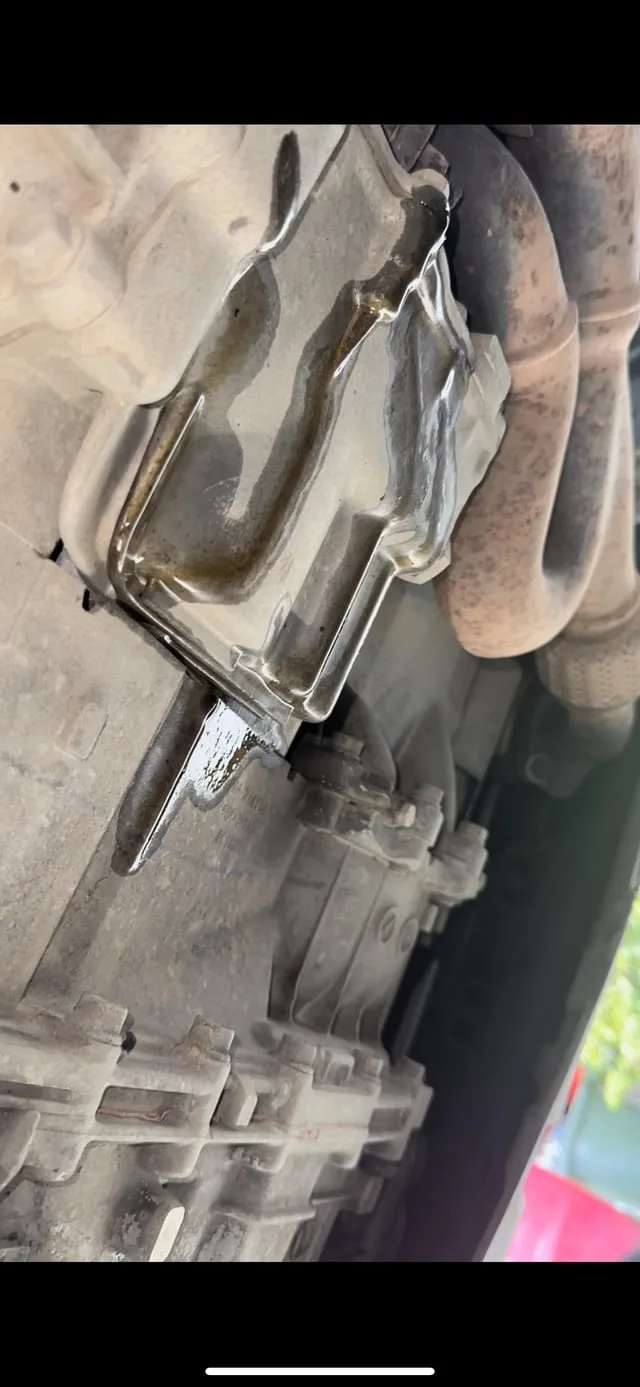
Image source: Bing (Web (fair-use with source credit))
49% off Today's Exclusive Deals
Limited-time Exclusive Deals. Check current discount on Amazon.
Check Price on Amazon As an Amazon Associate I earn from qualifying purchases.Quick Answer: Is a Kia Sportage Oil Leak Dangerous?
A Kia Sportage oil leak ranges from minor seepage to a genuine safety hazard. It depends on where the leak is and how fast it's dripping.
Small seepage from a valve cover gasket typically isn't urgent. You'll notice a thin film of oil on the engine surface. It won't leave puddles overnight, but it needs attention.
An active drip onto the exhaust manifold or catalytic converter is a fire risk. Oil on hot exhaust components can ignite. Per NHTSA recall data, certain Sportage model years have been subject to engine compartment fire recalls related to fluid leaks.
This is the scenario where you stop driving immediately.
49% off Today's Exclusive Deals
Limited-time Exclusive Deals. Check current discount on Amazon.
Check Price on Amazon As an Amazon Associate I earn from qualifying purchases.Oil pooling under the car also means your engine is losing lubrication. If the level drops far enough, you face bearing damage, seized components, or total engine failure. The cost of a gasket replacement versus an engine rebuild is night and day.
Where Your Kia Sportage Oil Leak Is Actually Coming From
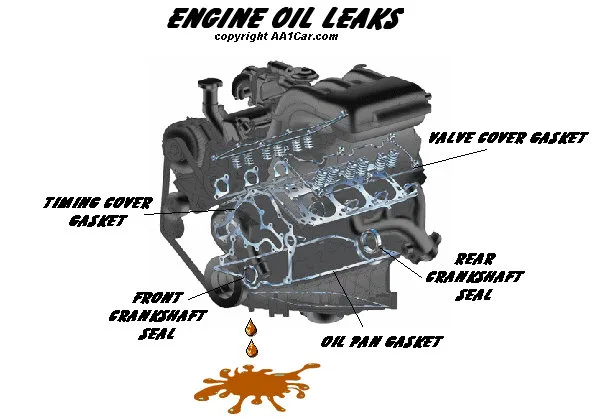
Image source: Bing (Web (fair-use with source credit))
This is the critical step. Not all oil leaks are the same, and the fix varies wildly depending on the source. Here are the most common failure points, organized from top to bottom.
Valve cover gasket. This sits on top of the engine and seals the gap between the valve cover and cylinder head. Over time, the rubber hardens and cracks. You'll typically see oil seeping down the side of the engine block, often near the spark plug wells.
This is the single most common leak on Sportage models with the 2.0L and 2.4L engines.
Oil filter housing and oil cooler seals. On models equipped with an oil cooler, common on 2017 and newer Sportages, the O-rings at the filter housing deteriorate over time. This creates a leak right at the base of the oil filter. It often gets mistaken for a loose filter, but tightening it won't solve the problem.
If you've dealt with a Hyundai Tucson oil leak from the filter area, the repair process is nearly identical on the shared platform.
Oil pan gasket. The gasket between the oil pan and engine block slowly degrades. You'll see oil accumulating on the bottom of the engine or dripping from the lowest point. The rear of the oil pan near the transmission bell housing is a frequent failure point on Sportage models.
Rear main seal. This seal sits between the engine and transmission. A leak here is tricky to diagnose because oil can drip along the bell housing and mimic a transmission fluid leak. It's one of the more expensive repairs.
Timing cover gasket. Found on the front or side of the engine, this gasket seals the timing chain cover. On Theta II engines, this is a known weak spot. Labor to reseal it is significant because surrounding components need removal.
VVT solenoid O-rings. The variable valve timing solenoids have small rubber seals that harden with heat cycling. Oil weeps around the solenoid body and runs down the valve cover. It's a cheap fix if you catch it early.
Not sure which one is yours? The diagnostic method in the next section solves that problem without a mechanic.
Why Kia Sportages Are Especially Prone to Oil Leaks
Kia Sportages share several design traits that make oil leaks more common than on some competing SUVs. Understanding why helps you prevent the next one.
The Theta II engine family. The 2.0L and 2.4L Theta II engines used across the 2011 to 2021 Sportage lineup are known for oil-related issues. Kia issued multiple technical service bulletins addressing oil consumption. External leaks are equally common.
The engine runs at relatively high operating temperatures, which accelerates gasket degradation over time.
GDI carbon buildup. Gasoline direct injection engines, which most modern Sportages use, tend to accumulate carbon on intake valves. This buildup can interfere with the PCV (positive crankcase ventilation) system. When the PCV valve sticks or the system gets blocked, crankcase pressure builds inside the engine.
That extra pressure pushes oil past gaskets and seals that would otherwise hold up fine.
Heat cycling and rubber aging. The rubber compounds in OEM gaskets have a finite lifespan. In warm climates or stop-and-go driving, the engine goes through repeated heating and cooling cycles. Over five to eight years, that rubber shrinks, hardens, and cracks.
It's not unique to Kia, but the engine bay packaging on the Sportage leaves less room for airflow, which traps heat.
Turbocharged models add complexity. The 1.6-liter turbo engine uses oil feed and return lines to the turbocharger. Every connection point is a potential leak source. The turbo oil return line gasket is a particular weak spot on higher-mileage examples.
If your Sportage also has engine overheating issues, the added thermal stress makes seal failure even more likely.
Human error during routine service. The oil drain plug and oil filter are removed every oil change. Over-tightening the drain plug warps the oil pan or damages the crush washer seal. Using the wrong filter or forgetting the crush washer creates immediate leaks.
It happens more often than you'd think.
How to Pinpoint the Exact Leak Source Without Guessing
Guessing wastes time and money. Here's a methodical approach that works in your driveway.
Step 1: Park on clean pavement overnight. Place a large piece of cardboard under the engine bay. In the morning, check the cardboard for drip locations. The pattern tells you whether the leak is front, center, or rear.
Step 2: Clean the engine bay. Use a degreaser and a rag to wipe down the areas around the valve cover, oil pan, and filter housing. A clean engine makes fresh oil visible. Old residue makes every spot look like a leak.
Step 3: Top off the oil and run the engine. After cleaning, start the car and let it idle for 10 to 15 minutes. Shut it off and inspect immediately. Look for fresh oil forming around gasket edges, the oil filter base, or along the timing cover seam.
Step 4: Use UV dye for stubborn leaks. If you can't find the source visually, add a UV dye kit to your oil. These cost about $15 to $30. Run the engine for 20 to 30 minutes, then use the included UV light to trace exactly where the oil is escaping.
This method is incredibly effective for slow seepage that doesn't produce obvious drips.
Step 5: Check from top to bottom. Always start your inspection at the top of the engine and work down. Oil flows downhill. A spot of oil on the oil pan might actually originate from a valve cover leak several feet above it.
Wipe the area clean and recheck after a short drive to narrow it down.
What the drip location means:
| Drip Location | Likely Source | Urgency |
|---|---|---|
| Under the front, near the oil filter | Oil filter housing O-ring or filter itself | Fix soon, low immediate risk |
| Under the center of the engine | Oil pan gasket | Moderate, monitor oil level closely |
| Under the rear, near the transmission | Rear main seal or rear oil pan gasket | Higher labor cost, plan ahead |
| Smoke or burning smell from the hood | Valve cover gasket dripping on exhaust | Fix immediately, fire risk |
If the leak is dripping onto your exhaust and causing smoke, stop driving until it's repaired. A check engine light can sometimes accompany oil contamination of oxygen sensors, so scan for codes while you're at it.
Repair Costs by Leak Type: Honest Numbers So You Don't Get Overcharged
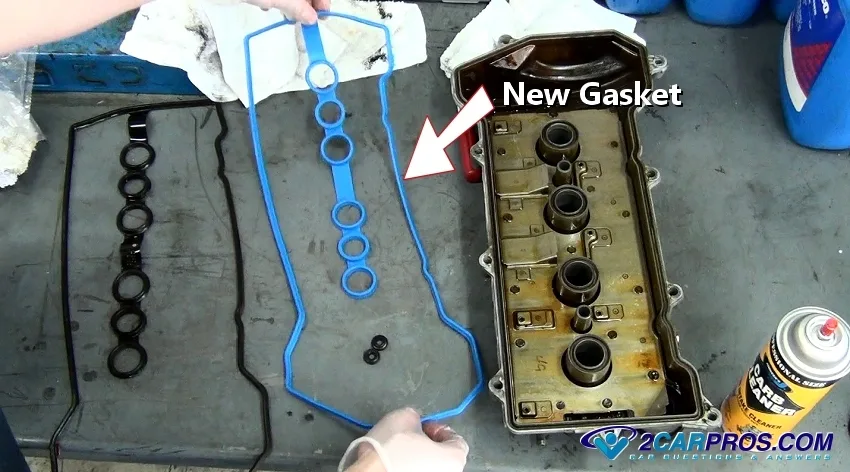
Image source: Bing (Web (fair-use with source credit))
Knowing what a repair should cost protects you from overpaying. These numbers reflect 2024 to 2026 pricing at both dealerships and independent shops across the United States.
| Repair | DIY Parts Cost | Shop Labor | Total Shop Estimate |
|---|---|---|---|
| Valve cover gasket | $20 to $60 | $150 to $300 | $170 to $360 |
| Oil filter housing seal | $10 to $25 | $80 to $200 | $90 to $225 |
| Oil pan gasket | $30 to $70 | $250 to $500 | $280 to $570 |
| Rear main seal | $25 to $50 | $400 to $800 | $425 to $850 |
| Timing cover reseal | $40 to $90 | $500 to $1,000 | $540 to $1,090 |
| VVT solenoid O-ring | $5 to $15 | $50 to $120 | $55 to $135 |
Dealer pricing tends to land at the high end of each range. Independent shops with Kia experience often do the same work for 20 to 40 percent less. The Hyundai Tucson coolant leak repair landscape is similar because the platforms overlap significantly.
The rear main seal is the wildcard. On automatic transmission models, access typically requires removing or dropping the transmission. That's where labor costs spike. Some shops recommend combining this repair with a transmission service to save on overlapping labor.
Timing cover reseal is the most expensive single job. On Theta II engines, accessing the timing cover means removing the engine mount, accessory drive components, and sometimes partial engine disassembly. Paying for experienced labor matters here. A botched reseal means doing it all over again.
DIY savings are real but limited. The valve cover gasket and VVT solenoid O-ring are both manageable for someone with basic tools and a weekend afternoon. The oil pan gasket and rear main seal are firmly in professional territory for most people. If you're also dealing with a transmission problem on a related Hyundai-Kia model, coordinating both repairs can reduce total labor time.
If you're getting quotes that seem unusually low on a rear main seal or timing cover job, ask the shop exactly what they're removing. Cutting corners on those jobs leads to repeat failures and bigger bills down the road.