A Honda Civic gear shift problem can turn your daily drive into a stressful guessing game. Suddenly, you're struggling to get into first gear, or your automatic shifter won't leave Park. This isn't just annoying.
It's a safety risk and a potential sign of expensive damage.

49% off Today's Exclusive Deals
Limited-time Exclusive Deals. Check current discount on Amazon.
Check Price on Amazon As an Amazon Associate I earn from qualifying purchases.In our research, worn shift cable bushings were a leading cause in models from 2006 to 2011, a simple $20 fix. However, internal transmission failure can cost upwards of $3,500 to repair. Knowing the difference between a cheap part and a major rebuild is everything.
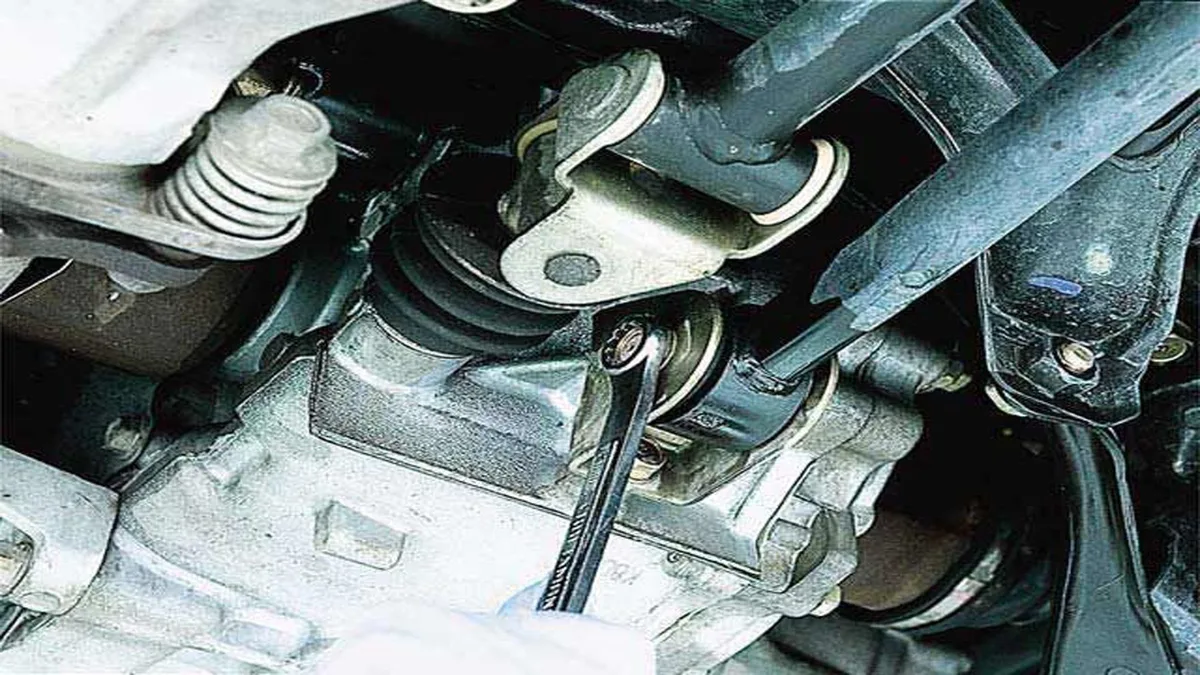
Image source: Bing (Web (fair-use with source credit))
49% off Today's Exclusive Deals
Limited-time Exclusive Deals. Check current discount on Amazon.
Check Price on Amazon As an Amazon Associate I earn from qualifying purchases.Why Getting This Diagnosis Right Matters
This is a classic "Your Money or Your Life" topic. The wrong guess can lead to two bad outcomes. One is a massive, unnecessary repair bill.
The other is driving a car that could fail you in traffic.
A symptom like "hard shifting" could mean low fluid. It could also signal a failing clutch in a manual or a dying solenoid in an automatic. If you mistake a $150 slave cylinder for a worn clutch pack, you might pay $1,200 for a repair you didn't need.
Worse, ignoring a real problem because you think it's minor can cause complete transmission loss. That's a $4,000 hit and a potential accident.
49% off Today's Exclusive Deals
Limited-time Exclusive Deals. Check current discount on Amazon.
Check Price on Amazon As an Amazon Associate I earn from qualifying purchases.The Two Systems at Play: Manual vs. Automatic Transmissions
Your Civic has one of two very different setups. The troubleshooting path depends entirely on which one you have.
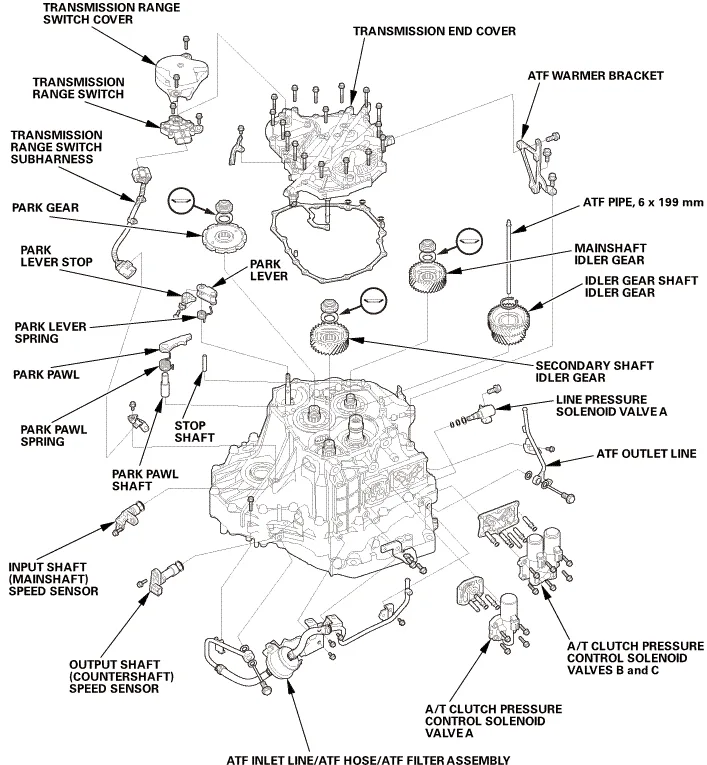
Image source: Bing (Web (fair-use with source credit))
If you shift your own gears with a clutch pedal, that's a manual transmission. If you have a standard "PRNDL" shifter, you likely have Honda's Continuously Variable Transmission (CVT). A manual system involves a clutch, shift linkage, and gears you physically select.
A CVT uses hydraulics, a belt and pulley set, and an electronic control module. A symptom pointing to worn bushings on a manual might signal a failing speed sensor on a CVT. Knowing your transmission type is the critical first branch in our diagnostic flowchart.
First Response: The Critical Safety Check
Before diagnosing anything, secure the vehicle. A gear shift problem can mean your car might not stay in Park or could lurch unexpectedly.
- Engage the Parking Brake Fully. This is your primary safety anchor. Do not rely on the shifter alone.
- Chock the Wheels. Place wheel wedges behind and in front of the tires.
- Use the Shift Lock Release. If your automatic shifter is stuck in Park, locate the small cover near the shifter base. Insert your key or a screwdriver to manually release the solenoid. You can now shift to Neutral for testing, but only with the brake applied and chocks in place.
Never work under a vehicle supported only by a jack. Always use jack stands.
Core Problem Breakdown: Symptoms Point to Specific Causes
Now we match what you're feeling to a likely culprit. Pay close attention to the exact nature of the problem.
Manual Transmission Symptoms
- Gear hard to engage, especially 1st or Reverse: Often indicates low manual transmission fluid or worn shift linkage bushings.
- Clutch pedal feels spongy or drops to the floor: Points to air in the hydraulic system or a failing clutch master or slave cylinder.
- Grinding noise when shifting: Could mean the clutch isn't fully disengaging, or synchronizers are worn.
Automatic / CVT Symptoms
- Shifter feels loose or sloppy: Almost always the shift cable or bushings connecting the lever to the transmission.
- Shifter stuck in Park: Likely a faulty shift interlock solenoid or a brake light switch failure. The solenoid won't release unless it sees a brake signal.
- Slipping, surging, or delayed engagement: Serious signs. Often linked to low CVT fluid, a failing torque converter, or internal damage. RPMs rising while speed stays flat is a major red flag.
Step-by-Step Diagnostic Guide for Your Honda Civic
Follow this logical flow. Start with the cheapest, easiest checks first.
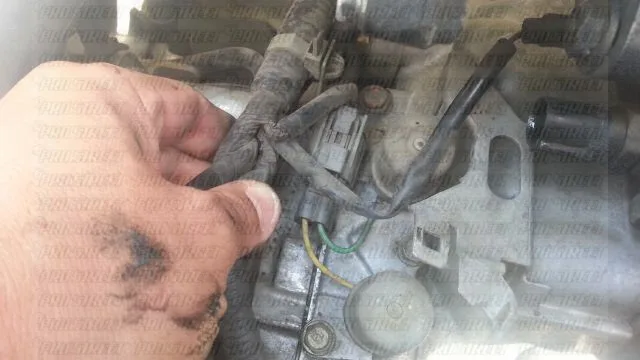
Image source: Bing (Web (fair-use with source credit))
Step 1: The Basic Visual and Fluid Check. Pop the hood. Check the transmission fluid level and condition. For a manual, look for the fill plug on the side of the gearbox.
For a CVT, use the dipstick. The fluid should be at the proper level, red or pink, and not smell burnt. Low or dirty fluid is the root of many issues.
Step 2: Scan for Diagnostic Trouble Codes. Even if the Check Engine Light isn't on, the Transmission Control Module (TCM) may have stored pending codes. Use an OBD-II scanner that can read transmission codes, not just engine codes. Codes like P0705 (Range Sensor) or P0780 (Shift Error) give you a direct starting point.
Step 3: Inspect External Components. For a manual, get under the car and inspect the shift cables and bushings where they connect to the transmission. Worn or missing rubber bushings are incredibly common. For an automatic, listen for a click from the shift interlock solenoid when you press the brake.
No click often means a bad solenoid or brake light switch.
Step 4: Isolate the System. If basic checks don't solve it, the problem is likely internal. For a manual, it may be time for a clutch hydraulic system test. For a CVT, internal repairs require specialized tools and knowledge.
At this point, a professional diagnosis is the safe and smart move.
As of 2026, diagnostic tools are more accessible than ever. But misdiagnosis remains the biggest cost driver. Accurate initial steps save thousands.
The Real Cost: Repair Estimates vs. Ignoring It
Getting a clear picture of potential costs helps you make smart decisions. Here's what aggregate repair data shows for common gear shift fixes:
| Repair Type | Typical Cost Range |
|---|---|
| Shift cable bushings (parts, DIY) | $10–$30 |
| Shift interlock solenoid (part only) | $50–$150 |
| Shift cable replacement (installed) | $150–$400 |
| Clutch master/slave cylinder | $200–$600 |
| Clutch kit replacement (manual) | $1,000–$1,800 |
| CVT fluid service with filter | $200–$400 |
| Full transmission rebuild or replacement | $2,500–$5,000+ |
The gap between a $20 bushing and a $4,000 rebuild is enormous. That's why ignoring symptoms is so expensive. A worn bushing left unaddressed can damage the shift cable, which then damages the internal shift mechanism.
Small problems snowball fast.
A common scenario: a driver notices first gear is hard to engage. They assume it's "just the synchros" and keep driving for months. Eventually, the clutch hydraulic system fails completely.
What started as a $50 bleed job becomes a $1,200 clutch replacement. The same pattern of neglect applies broadly across vehicle maintenance, just as a Kia Sportage Oil Leak left unchecked can escalate into serious engine damage.
A subtle CVT shudder at low speeds that costs nothing to diagnose with a fluid check can become a $3,000 belt and pulley replacement if ignored. Catching the problem early is almost always the cheaper path.
When It's Time to Call a Pro (and What to Tell Them)
There's a clear line between what you can handle and what needs professional hands.
You can handle it yourself if:
- The fluid level is low and you can safely top it off
- You spot a visibly worn or missing shift bushing under the car
- An OBD-II scan shows a simple sensor code you can reset after a fix
- The brake light switch is easy to access and swap
Call a professional if:
- The Check Engine Light stays on after basic fixes
- You hear grinding or whining from inside the transmission
- The car enters limp mode with limited gear range
- Shifting problems appeared after recent engine or exhaust work
- You've checked fluids and scanned for codes with no clear answer
A good independent Honda specialist saves you money over a dealership. When you call, be specific. Tell them your exact year, mileage, and transmission type.
Describe the symptom precisely. "First gear grinds when cold but shifts fine after five minutes." Mention any codes your scanner pulled.
Ask for a written diagnostic estimate before any work begins. A proper diagnosis typically takes one to two hours of labor. Also ask whether your VIN has outstanding service bulletins related to shifting.
The NHTSA database and Honda's owner portal both allow VIN-specific recall checks. That free check alone could save you hundreds. Similar diagnostic discipline helps with other common issues, like a Kia Sportage Tire Pressure Light that might signal a deeper problem.
Frequently Asked Questions on Honda Civic Gear Shift Problems
Why is my Honda Civic shifter stuck in Park?
The shift interlock solenoid isn't receiving a signal from the brake light switch. Press the brake pedal and check if your brake lights come on. If they don't, the switch has failed.
Use the shift lock release slot near the shifter base to move to Neutral temporarily while you get it repaired.
Can low transmission fluid cause shifting problems?
Yes, absolutely. Low fluid is one of the most common causes of hard shifting in both manual and automatic Civics. Check the level first.
For manuals, look for the fill plug on the transmission case. For CVTs, use the dipstick with the engine running in Park. Honda specifies HCF-2 fluid for CVT models.
How much does it cost to fix a Honda Civic gear shift problem?
It depends on the cause. Worn shift bushings cost $10 to $30 for parts. A shift cable replacement runs $150 to $400 installed.
A full clutch replacement is $1,000 to $1,800. A CVT rebuild or replacement can exceed $3,500. Early diagnosis almost always means lower costs.
Is it safe to drive with a gear shift problem?
Not always. If the shifter feels loose or gears are hard to engage, you risk losing the ability to shift at a critical moment. Delayed engagement or limp mode in traffic is genuinely dangerous.
Get a diagnosis before continuing to drive. This is similar to how a Kia Sportage Brake Problem should never be ignored either.
Does Honda have a recall for Civic transmission issues?
Some model years have had service bulletins for shift interlock and cable problems. Check your VIN on the NHTSA recall page for current recalls. Honda has also extended warranties on certain CVT components for specific model years.
Contact your local dealer with your VIN to confirm coverage.