That Honda Civic transmission problem is showing up as a shudder, a slip, or a worrisome warning light. Your stomach drops because you know transmission work is expensive. We're going to cut through the panic with a clear, step-by-step workflow to diagnose exactly what's wrong.
Aggregate repair data from transmission specialists confirms that 8th-generation Civics (2006-2011) have a well-documented issue with their 5-speed automatic transmissions. The root cause often involves clutch debris clogging the valve body. Let's figure out where your car stands.

49% off Today's Exclusive Deals
Limited-time Exclusive Deals. Check current discount on Amazon.
Check Price on Amazon As an Amazon Associate I earn from qualifying purchases.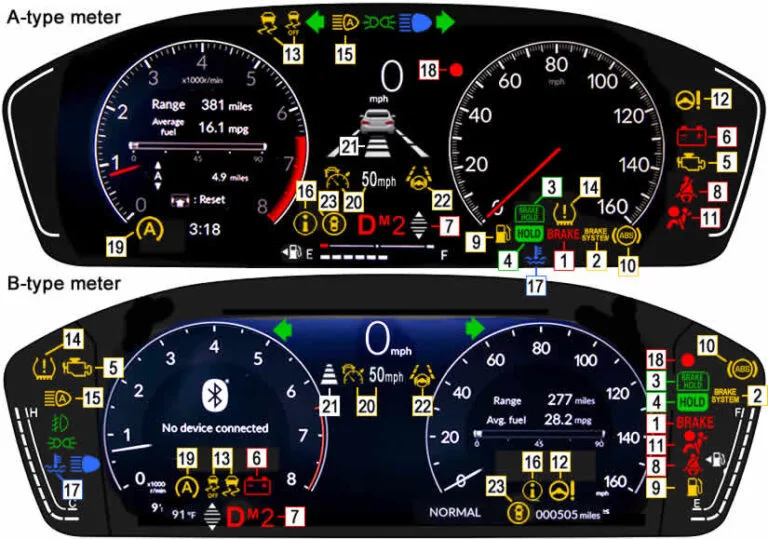
Image source: Bing (Web (fair-use with source credit))
Quick Answer
A Honda Civic transmission problem usually means one of three things: worn clutch packs causing a shudder at highway speed, low or degraded fluid causing slipping, or a valve body clogged with internal debris. The 8th-generation automatic (2006-2011) is most affected. Newer Civics with a CVT can experience software-related judder.
49% off Today's Exclusive Deals
Limited-time Exclusive Deals. Check current discount on Amazon.
Check Price on Amazon As an Amazon Associate I earn from qualifying purchases.Check your fluid level and condition first. Then scan for error codes. Finally, call a Honda dealership with your VIN to check for extended warranty coverage.
Is Your Honda Civic Transmission Failing? Key Symptoms to Check
The first step is matching your specific symptom to the most likely cause. Different symptoms point to very different problems, especially between older automatics and newer CVTs.
Shudder or vibration around 30-50 mph: This is the classic 8th-gen automatic symptom. It feels like driving over a washboard during light acceleration. Worn clutch plates release debris that clogs the valve body, causing pressure loss.
A full fluid flush can actually worsen this by dislodging more gunk into tight passages.
49% off Today's Exclusive Deals
Limited-time Exclusive Deals. Check current discount on Amazon.
Check Price on Amazon As an Amazon Associate I earn from qualifying purchases.Slipping or RPM flare between gears: The revs spike without a matching increase in speed. The transmission can't hold a gear. Check your transmission fluid level immediately.
Low fluid is one of the most common and most fixable causes of slipping.
Delayed engagement from Park to Drive: You shift, and there's a long pause before the car clunks into gear. This points to worn clutch packs or failing solenoids. A consistent delay is a strong signal that internal repair is coming.
Dashboard warning lights: A "D4" indicator, a generic "Check Engine" light, or a transmission temperature warning means the computer detected a fault. Get an OBD-II scan done. A code like P0730 (Incorrect Gear Ratio) or P0740 (Torque Converter Circuit) indicates a serious internal issue that won't fix itself.
Burnt or discolored fluid: Pull the dipstick with the engine warm and running. Healthy fluid is bright red and slightly sweet-smelling. Dark brown or black fluid with a burnt smell means the transmission has been overheating.
This changes the diagnosis from "minor fix" to "likely internal damage."
How Your Honda Civic's Transmission Actually Works
Understanding the basics helps you talk to a mechanic and makes sense of the repair costs.
The 5-speed automatic transmission (BCLA series) in many 2006-2011 Civics uses clutch packs and a hydraulic valve body to change gears. Fluid pressure engages different clutches to select a gear. When debris from worn clutch plates clogs the valve body, pressure drops.
That pressure loss causes the shudder, harsh shifts, or slipping you're feeling.
The Continuously Variable Transmission (CVT) in newer Civics uses a steel belt running between two adjustable pulleys instead of fixed gears. It can change ratio continuously for better fuel economy. CVTs have their own failure patterns, often tied to software calibration issues or, less commonly, internal belt wear that produces a noticeable judder during acceleration.
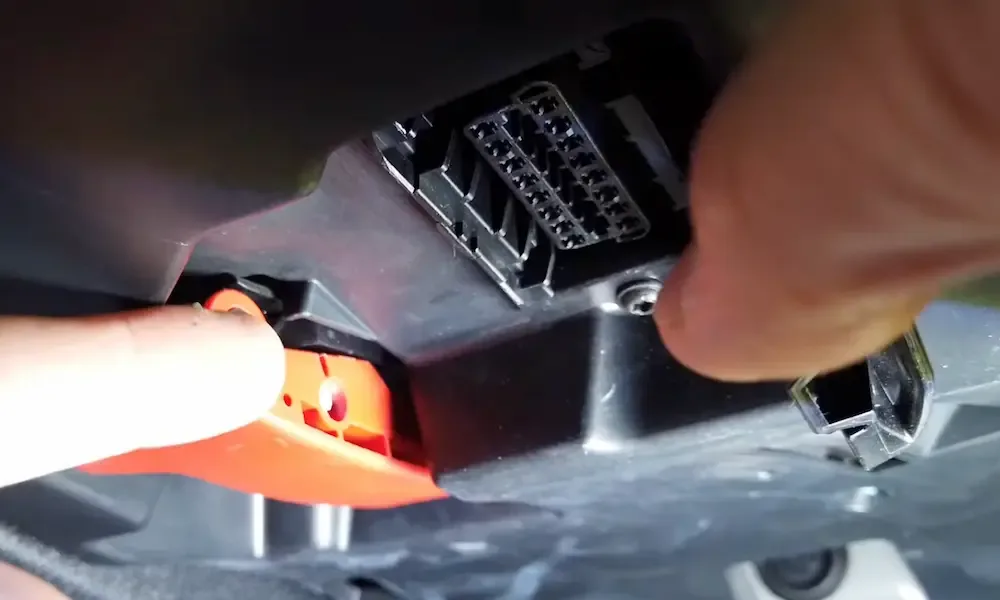
Image source: Bing (Web (fair-use with source credit))
Step-by-Step Diagnostic Guide: From Symptom to Cause
Follow this workflow in order. Skipping steps leads to misdiagnosis and wasted money.
Step 1: Check the transmission fluid. With the engine warm and running, pull the dipstick. Check both the level and the condition. Low fluid from an active leak causes slipping and harsh shifts.
Burnt, dark fluid signals internal damage. The owner's manual for each model year specifies the exact procedure. Using the wrong fluid type can make problems worse, so confirm you're using Honda DW-1 or the equivalent specified for your model.
Step 2: Retrieve and research error codes. If a warning light is on, scan with an OBD-II reader. Write down the exact code. A P0730 points to incorrect gear ratio.
A P0700 indicates a general transmission system fault. A P0845 signals a pressure sensor problem. Search the code alongside your specific model year for context.
Step 3: Check for extended warranty coverage. This step can save you thousands. Honda issued extended warranties on the transmission for specific model years and VIN ranges. The National Highway Traffic Safety Administration (NHTSA) maintains recall and service bulletin databases.
Call a Honda dealership with your VIN and ask directly whether your car has any active or extended transmission warranty campaigns. Coverage has extended to 7 years or 100,000 miles from original purchase on certain models.
Step 4: Review Technical Service Bulletins (TSBs). A TSB tells dealerships how to fix a known issue. It is not a recall, but it often means the manufacturer acknowledges a design or manufacturing problem. Your dealership or a knowledgeable independent shop can look these up using Honda's service information system.
Step 5: Get a professional road test. A good specialist will drive the car with you to experience the symptom firsthand. Be ready to describe exactly when it happens: cold start, specific speed, hard acceleration, or light cruising. The conditions under which a symptom appears are critical diagnostic clues.
Decision Guide: Dealership vs. Independent Shop vs. DIY
Where you get the repair depends on your car's age, the specific problem, and your budget.
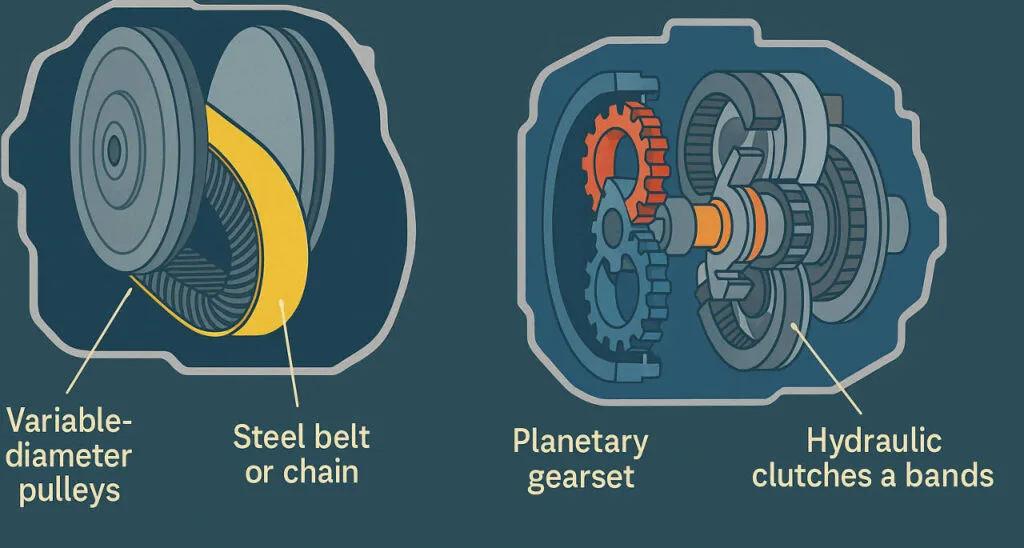
Image source: Bing (Web (fair-use with source credit))
| Repair Option | Best For | Pros | Cons |
|---|---|---|---|
| Honda Dealership | Warranty claims, CVT software updates, complex diagnostics | Access to Honda-specific technical support and software tools | Highest labor rates |
| Independent Shop | Older automatic repairs like valve body or solenoid work | Often lower labor rates than dealerships | Must verify Honda-specific experience |
| Transmission Specialist | Internal rebuilds, catastrophic failures | Deep expertise, specialized tools, rebuilt unit inventory | Expensive, narrow scope |
| DIY (fluid service only) | Preventive maintenance on a healthy transmission | Low parts cost, hands-on knowledge | Cannot fix existing shudder or slip problems |
For a 2008 Civic with the classic shudder: Start with an independent shop that has specific Honda experience. For a 2020+ Civic CVT judder, a dealership visit for a potential software update is the first move. If you're dealing with other driving concerns, like a soft brake pedal or steering vibrations, the diagnostic principle is the same: check for bulletins before assuming the worst.
Costs, Warranties, and What to Expect
Repair costs vary based on the problem, your location, and who does the work. These ranges reflect 2026 market data from independent repair databases and dealership estimates.
- Diagnostic fee: $100 to $150. Often waived if you proceed with repairs.
- Fluid change and filter service: $200 to $400. This is maintenance, not a fix for existing problems.
- Valve body replacement or solenoid work: $1,200 to $2,500. The most common fix for the 8th-gen shudder.
- Full transmission rebuild: $3,000 to $5,000+. Involves removing and disassembling the entire unit.
- New or remanufactured transmission: $4,000 to $6,500+. Includes the unit and typically a core charge for the old transmission.
Your biggest potential saving is the extended warranty. A Honda dealership can confirm coverage with your VIN in minutes. Even if the original powertrain warranty has expired, these specific transmission extensions can still apply.
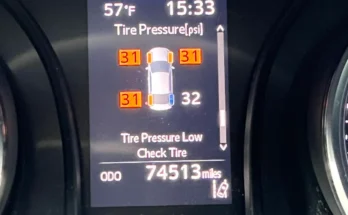
If your car has other symptoms, like a tire pressure light staying on or a door lock malfunctioning, those are separate issues but the principle of checking for recalls and bulletins before paying out of pocket applies across the board.
Critical Safety Warnings and Maintenance Must-Knows
Driving with severe transmission symptoms is dangerous. You risk complete failure on the road, which is both a safety hazard and a financial disaster. A $2,000 valve body repair can become a $6,000 replacement if you keep driving a slipping transmission. Park it and get it towed if the slipping or shuddering is constant and severe, you see smoke under the hood, the transmission temperature warning light comes on, or you find metal particles in the fluid.
Never ignore the fluid type. Honda transmissions require specific fluid. Using the wrong type can cause immediate shifting problems or accelerate internal wear. Manufacturer specifications indicate Honda DW-1 for most models.
Confirm your exact requirement in the owner's manual.
Do not flush a shuddering transmission. This is one of the most common mistakes. A high-pressure flush on an 8th-gen automatic with clutch debris can dislodge particles into tighter passages and make the shudder significantly worse. A drain-and-fill is safer, but even that should be done after a proper diagnosis.
Preventive maintenance matters. If your transmission is healthy, regular fluid checks extend its life. Many transmission specialists recommend a drain-and-fill service every 30,000 to 60,000 miles. Check your owner's manual for Honda's specific interval.
Catching low or degraded fluid early prevents the cascade of problems that leads to expensive repairs.
Honda Civic Transmission FAQs
What is the most common Honda Civic transmission problem?
The most common Honda Civic transmission problem is a shudder or vibration at 30 to 50 mph under light acceleration. It primarily affects 8th-generation models (2006-2011) with the 5-speed automatic transmission. The cause is clutch plate debris clogging the valve body and reducing hydraulic pressure.
Can I drive my Honda Civic with a slipping transmission?
You should avoid driving a car with a slipping transmission. Continued driving causes more internal damage and increases repair costs. What starts as a solenoid or fluid issue can escalate to a full rebuild or replacement.
Have the car towed to a qualified mechanic if slipping is consistent.
How much does it cost to fix a Honda Civic transmission?
Costs range from $200 for a simple fluid service to $6,500 for a full replacement. Valve body or solenoid repairs typically run $1,200 to $2,500. A complete rebuild averages $3,000 to $5,000.
Your actual cost depends on the specific problem, your model year, and labor rates in your area.
Does Honda have a transmission recall or extended warranty?
Honda has issued extended warranties on the transmission for certain model years and VIN ranges. Coverage has extended to 7 years or 100,000 miles on some vehicles. Call a Honda dealership with your VIN to check.
You can also search the NHTSA database for any active recalls or service campaigns affecting your specific car.
Should I change my Honda Civic transmission fluid if it's shuddering?
Not without a proper diagnosis. If your 8th-gen Civic has the known clutch debris issue, a full fluid flush can make the shudder worse. A trained mechanic should evaluate the fluid condition and recommend the appropriate service.
In some cases, targeted valve body work is the correct fix rather than a fluid change.