A Subaru Outback steering problem can show up as a pull, a clunk, or a heavy wheel, and it never gets better on its own. You might feel it at highway speed or notice it the moment you back out of the driveway. Either way, your first decision determines whether this is a $200 alignment fix or a $2,200 rack replacement.
Manufacturer specifications and aggregate owner reports tell us the same thing: the symptoms overlap far more than most drivers expect. A steering rack replacement is classified as a structural safety repair under FMVSS standards, so guessing is not an option. As of 2026, Outbacks with 60,000 to 120,000 miles are the most common candidates for steering complaints, according to the National Highway Traffic Safety Administration complaint database.

49% off Today's Exclusive Deals
Limited-time Exclusive Deals. Check current discount on Amazon.
Check Price on Amazon As an Amazon Associate I earn from qualifying purchases.The good news is that most issues follow a pattern. Once you learn to read it, you can save serious money without putting your family at risk.
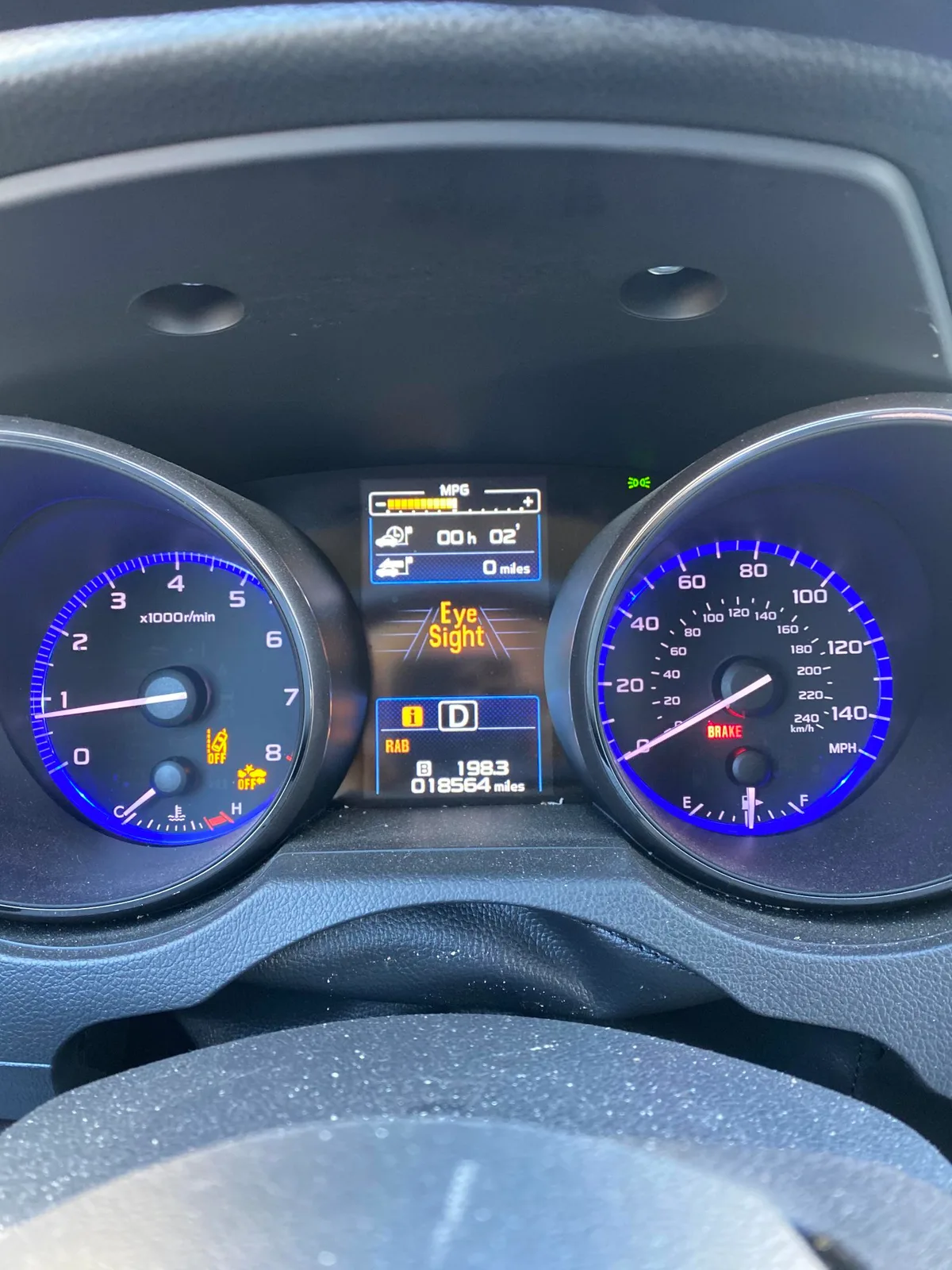
Image source: Bing (Web (fair-use with source credit))
49% off Today's Exclusive Deals
Limited-time Exclusive Deals. Check current discount on Amazon.
Check Price on Amazon As an Amazon Associate I earn from qualifying purchases.Steering Problems in the Outback: Why This Deserves Your Full Attention
Quick Answer
Subaru Outback steering problems stem from a few common failures. The electric power steering rack is the top suspect on newer models. Tie rod ends and rack bushings fail on older ones.
Get a full front-end inspection before replacing anything. Most fixes start under $200 and end under $2,200.
The steering system in an Outback does a lot more than point the front wheels. It interacts constantly with the Symmetrical All-Wheel Drive system. When one component wears, the AWD compensates by shifting torque, which can mask the problem for weeks.
That's why a mild clunk often turns into a full rack failure.
49% off Today's Exclusive Deals
Limited-time Exclusive Deals. Check current discount on Amazon.
Check Price on Amazon As an Amazon Associate I earn from qualifying purchases.This matters for a few reasons:
- Safety. Steering failure at speed leaves you no way to avoid obstacles.
- Cost variance. A bushing replacement can cost $250, while a rack runs up to $2,200.
- AWD stress. The system works harder when steering components fail.
- Resale value. Documented steering repairs protect your resale price.
Many Outback owners treat steering issues as a comfort problem. That's a mistake. A loose tie rod end or a failed EPS torque sensor can cause you to lose control completely.
Treat every symptom as a potential safety issue until you know otherwise. If you hear a metal-on-metal sound under the hood, it's the same warning you'd get from serious brake trouble.
First, Triage: Which Symptoms Mean Stop Driving Right Now
Some steering symptoms are urgent. Others can wait a week while you book a shop appointment. Learning the difference is the single most valuable skill in this guide.
| Symptom | Severity | Action |
|---|---|---|
| Sudden loss of power assist or steering lock-up | Emergency | Stop driving, call a tow |
| Metal-on-metal grinding when turning | Critical | Do not drive, immediate inspection |
| Heavy fluid leak under the front | Critical | Do not drive, check rack and pump |
| Sharp clunk followed by one-wheel wobble | Urgent | Drive only to the shop, avoid highways |
| Steering wheel vibration at highway speed | Moderate | Check tire balance first |
| Pulling to one side | Moderate | Schedule alignment and front-end check |
| Creaking or groaning at full lock | Warning | Monitor, check power steering fluid |
If the wheel suddenly loses assist and the EPS warning light glows, pull over safely and shut the engine off. A loss of power steering doesn't always mean the wheel locks, but it means the rack or torque sensor has failed. If you hear a grinding sound from the steering column, don't keep driving.
If the car drifts but you can still steer precisely, you usually have weeks of safe driving ahead. If the steering feels loose and the wheel has more than a couple of inches of free play, take it seriously but don't panic. A tie rod end replacement is straightforward if caught early.
The Main Culprits: What Your Outback Is Trying to Tell You
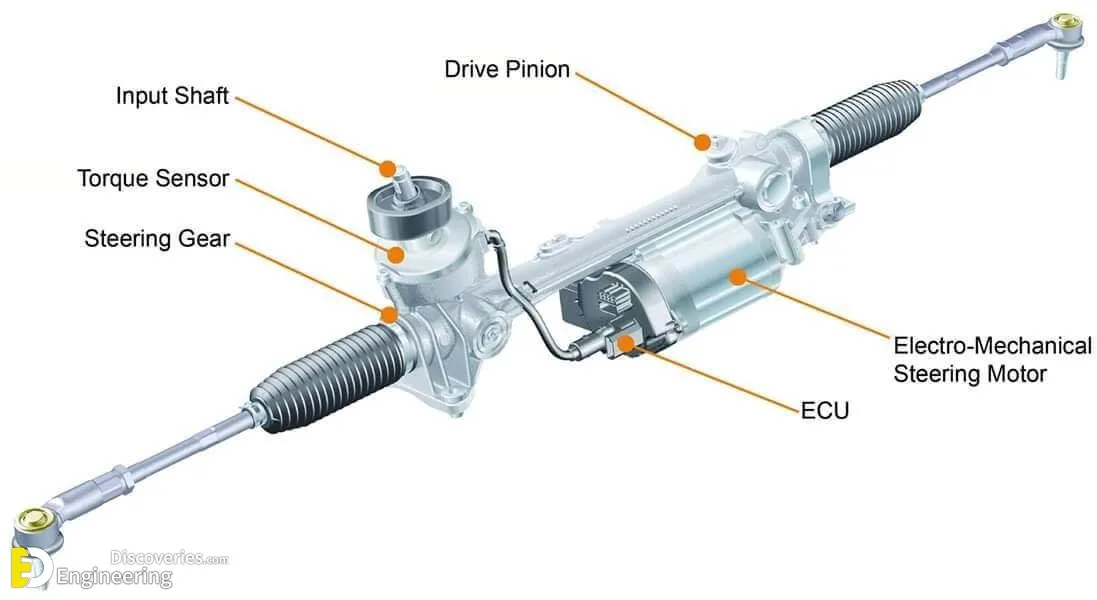
Image source: Bing (Web (fair-use with source credit))
Every steering problem you'll meet on an Outback traces back to a short list of parts. Here's what they do and why they fail.
- Electric power steering rack: The motor drives a gear that translates your steering input. On 2010 to 2024 models, the internal plastic gears wear. That produces a clicking noise or a dead spot where the wheel moves but the response feels delayed.
- EPS torque sensor: Reads how hard you're turning and tells the motor to assist. When it fails, the steering feels heavy or the EPS light appears.
- Tie rod ends: Connect the rack to the wheel hub. Worn ones cause rattling and wander. One dry ball joint can turn into a snapped rod on a rough road.
- Rack mounting bushings: Hold the rack to the subframe. Soft or cracked bushings let the rack shift side to side, creating a clunk over bumps and uneven steering.
- Power steering pump and fluid: On 2015 and older hydraulic models, low fluid causes a groan at full lock. Aeration makes the wheel feel spongy and inconsistent.
| Symptom | Most Likely Part | Second Likely Part |
|---|---|---|
| Clicking at low speed | EPS rack | Column U-joint |
| Heavy steering / EPS light | Torque sensor | Power steering motor |
| Front-end rattle on gravel | Tie rod ends | Loose rack mount |
| Clunk over driveway ramps | Rack bushings | Anti-sway bar link |
| Whine when turning | Low power steering fluid | Pump wear |
| Steering wheel off-center | Alignment | Worn tie rod |
If you're on a tight budget, start with the cheapest verifiable problem. Check the power steering fluid first. On hydraulic models, low fluid is the number one cause of steering noise.
On electric models, check the tie rod ends with the front end lifted. If the rods twist under hand pressure, replace them before anything else.
A power steering leak can be mistaken for an engine oil leak if you only glance at the driveway puddle. The fluid color matters. Power steering fluid is usually red or amber, while engine oil is brown or black.
For recall-specific questions on your model year, check the NHTSA recall database.
How to Diagnose Steering Issues Safely at Home (And When to Quit)
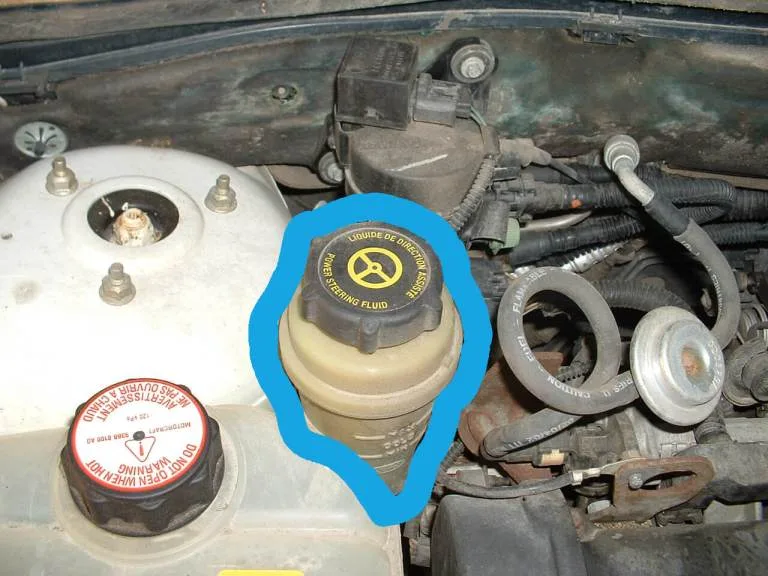
Image source: Bing (Web (fair-use with source credit))
Start with the car off, parked on a flat surface, with the parking brake set. You don't need a lift for the first three checks. You do need to know your limits.
- Check the power steering fluid level on hydraulic models. Wipe the dipstick, reinsert it, and top it to the hot mark. If the fluid smells burnt or looks dark, the pump is strained.
- Do the dry-park test. With the car off, turn the wheel lock to lock. You should feel an even, smooth resistance. Any clunk or skip means a mechanical failure.
- Raise the front wheels with a floor jack and support them on sturdy jack stands. Never work under a car held only by the factory jack.
- Grab the tie rod end next to the wheel and shake it. If it moves or clicks, the ball joint is worn.
- Check the rack bushings. Push the rack end vertically. Upward movement means the bushing is shot.
- Road test carefully. On a flat, empty road, let the wheel return to center. If it doesn't center, the alignment is off.
If any of these steps makes a sound worse or a part visibly moves, stop guessing. A failed tie rod at speed is a catastrophic event. The same risk applies to other safety-critical systems, like a slipping transmission, so don't ignore the warning signs.
Quit the DIY the moment you see sparks, spraying fluid, or significant subframe rust. If you don't own a torque wrench, quit before you replace anything. Under-torqued lock bolts cause immediate failure.
You also need good visibility to spot worn parts. Before starting, make sure you have working headlights and a flashlight for dim garage corners.
What Repairs Actually Cost: Rack, Tie Rods, Alignment, and More
Here's where real numbers help you avoid getting taken advantage of. Aggregate repair data from independent Subaru shops and verified owner reports suggest these ranges. As of 2026, expect reputable shops to charge $120 to $160 per hour for labor.
| Repair Item | Total Cost | Shop Labor Time | Notes |
|---|---|---|---|
| Wheel alignment | $80 – $150 | 30–60 min | Needed after most steering repairs |
| Tie rod end replacement, one side | $150 – $400 | 1–2 hours | Price usually includes alignment |
| Power steering fluid flush | $100 – $200 | 1 hour | Recommended during pump replacement |
| Power steering pump replacement | $400 – $800 | 2–3 hours | Hydraulic Outbacks only |
| EPS torque sensor replacement | $350 – $700 | 2–4 hours | Requires system recalibration |
| Rack mounting bushing replacement | $250 – $500 | 2 hours | Polyurethane bushings last longer |
| Steering rack replacement | $1,200 – $2,200 | 4–8 hours | OEM or quality remanufactured unit |
A full rack replacement is the big one. Labor dominates the cost, so bundling it with a fluid flush and an alignment makes sense. Some shops quote a rebuilt rack at $1,400 total.
That's fair if the rebuilt unit carries a warranty. Check the official Subaru owner's portal for model year service bulletins and fluid specifications before you approve the work.
If money is tight, consider a second opinion. Steering component replacement costs vary wildly between dealerships and independent specialists. An Indy shop that works on Subarus daily can often beat a dealer price by 30 percent without cutting corners.
Just be careful not to confuse a steering fluid leak with an engine oil leak when comparing quotes.
Expensive Mistakes That Turn a Small Fix into a Big Bill
A few common errors turn reasonable repairs into wallet-draining disasters. Here's what to avoid.
- Skipping the alignment after replacing tie rods. Your new parts will wear unevenly and pull hard.
- Replacing the rack before checking the mounting bushings. A $2,200 rack fix won't cure a $40 bushing clunk.
- Ignoring a small fluid leak. Hydraulic Outbacks fail silently. One day you lose assist mid-turn.
- Buying the cheapest aftermarket parts. Some budget racks snap internal teeth under load, especially with AWD torque transfer.
- Reusing torque-to-yield fasteners. Subaru specifies single-use bolts for steering column and rack mounts. Reusing them is a crash risk.
- Not pulling fault codes. A $30 OBD scanner can reveal EPS codes that pinpoint the torque sensor. That saves hundreds in diagnostic time.
- Letting a loud grind slide. Crunching when you turn is often a metal gear shedding fragments inside the EPS motor. More driving means more debris in the assembly.
The most expensive mistake is guessing. Outback owners who replace the rack without diagnosing the actual fault commonly spend double. A grinding steering sound carries the same urgency as squealing brake pads.
If your next step is $100 for a proper inspection, take it. That's far cheaper than a $2,200 gamble on a part you don't need.
Subaru Outback Steering FAQs
Why is my Subaru Outback steering wheel shaking at 60 mph?
A shaking wheel at highway speed is usually tire balance. If the shake appears only when braking, it's brake rotors. If it's present at all speeds and gets worse with time, suspect a worn tie rod end.
Have a tire shop do a road-force balance test before replacing steering parts.
How much does it cost to fix the electric power steering rack on a Subaru Outback?
An electric power steering rack replacement typically costs $1,200 to $2,200 including parts, labor, and alignment. The part itself runs $600 to $1,200 depending on whether you choose OEM or a quality remanufactured unit. Labor takes four to eight hours.
Can I drive my Outback with a steering rack fluid leak?
A small seep can last months. A steady drip will eventually drain the pump and cause a loss of assist. If the fluid gets low and the pump runs dry, you risk a seized pump.
Refill it weekly, keep a bottle in the car, and schedule the rack reseal right away.
Why does my Outback pull to the right after an alignment?
Most of the time this is a tire issue, not a steering issue. A worn radial belt in the front tire will pull regardless of alignment. Swap the two front tires and road-test again.
If the pull moves, the tire is damaged. If it stays, you have a dragging caliper on the right side.
Is there a recall for Subaru Outback steering problems?
Some model years, especially 2015 to 2018, have issued technical service bulletins for steering reluctance and torque sensor faults. Recalls change over time. Run your VIN through the National Highway Traffic Safety Administration recall lookup to check the latest status.
How many miles should a Subaru Outback steering rack last?
A well-maintained rack should last 150,000 miles or more. The failures you see before that come from leaking hydraulic fluid, worn tie rods, or failed EPS plastic gears. Regular fluid flushes and front-end inspections every 30,000 miles are the best prevention.
Final Verdict: Fix It Smart, Drive It Safe
A Subaru Outback steering problem almost never hides from a careful inspection. Start with the cheapest possibility, which is often a tire balance or a fluid level. Work up to the serious parts only if the symptoms point there.
When in doubt, spend the $100 on a professional front-end inspection. It beats a tow truck, a crash, or a new rack you didn't need.
Keep the AWD system in mind. The Outback channels torque through its front wheels constantly. A steering component that fails at highway speed is a genuine safety hazard.
Take every symptom seriously, and you'll keep this wagon on the road for another hundred thousand miles.