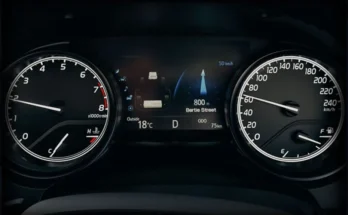
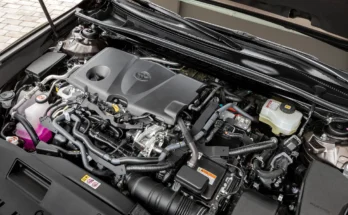
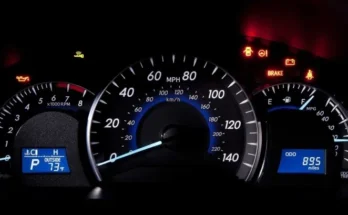
A Toyota Camry brake problem can range from a quick pad swap to a dangerous hydraulic failure. Squealing noises, a soft pedal, or a warning light could mean different things. Some are routine maintenance.
Others need immediate attention.
49% off Today's Exclusive Deals
Limited-time Exclusive Deals. Check current discount on Amazon.
Check Price on Amazon As an Amazon Associate I earn from qualifying purchases.NHTSA complaint data through 2026 confirms braking issues rank among the top defect categories for the Camry. Complaints span the XV40, XV50, and XV70 generations alike. This guide covers the most common problems, real repair costs, and the warning signs that mean you should stop driving right now.
Quick Answer
A Camry brake problem usually means worn pads, low fluid, or a bad sensor. Watch for squealing, a soft pedal, or a warning light. If the pedal sinks to the floor, pull over immediately.
A dealer inspection runs $100 to $150. Repairs range from $200 to $600 per axle.
49% off Today's Exclusive Deals
Limited-time Exclusive Deals. Check current discount on Amazon.
Check Price on Amazon As an Amazon Associate I earn from qualifying purchases.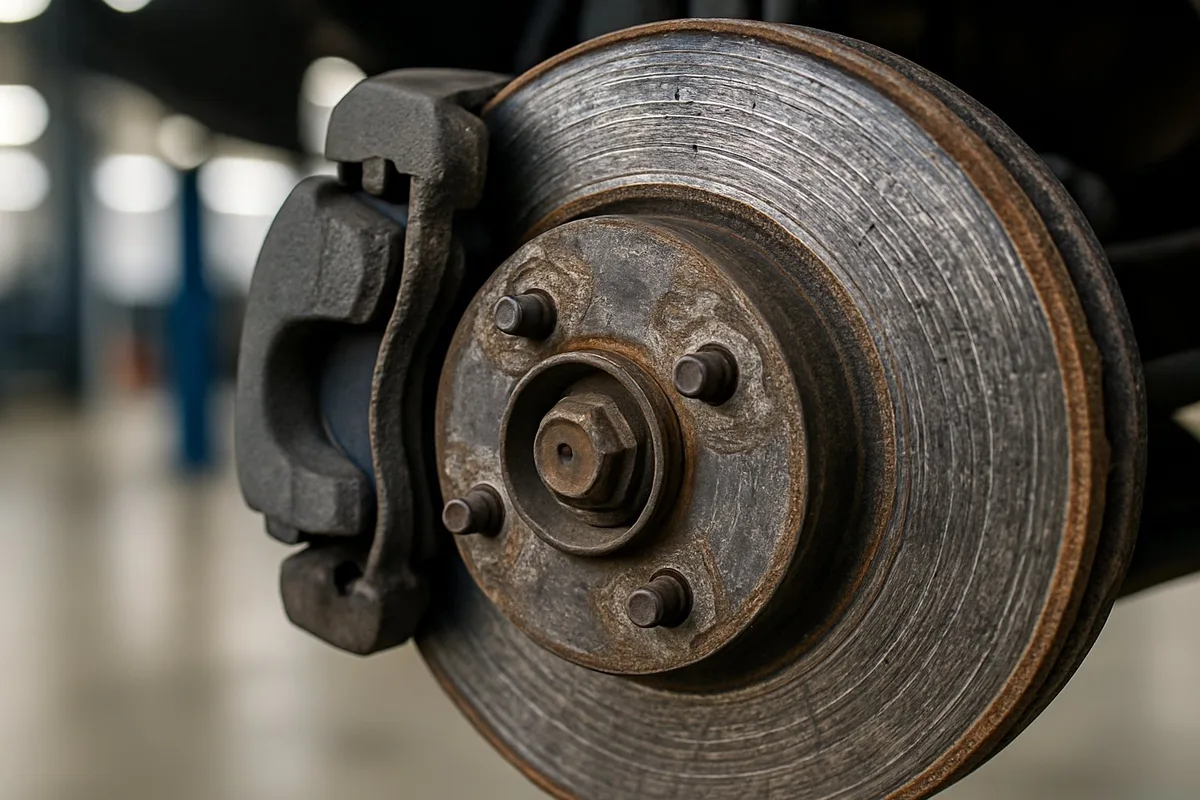
Image source: Bing (Web (fair-use with source credit))
Stop or Keep Driving? A Quick Safety Check First
Before you panic, run through a quick self-check. The right response depends on what you're experiencing. Here's a decision framework based on severity.
If your brake warning light is on but the car stops normally:
49% off Today's Exclusive Deals
Limited-time Exclusive Deals. Check current discount on Amazon.
Check Price on Amazon As an Amazon Associate I earn from qualifying purchases.You likely have low brake fluid or a minor sensor issue. You can drive cautiously to a nearby shop, but don't put it off. Low fluid usually means your pads are wearing thin.
The caliper pushes more fluid into the lines as pad material gets thinner.
If the pedal feels spongy or soft:
This is more serious. Air in the brake lines, old fluid that's absorbed moisture, or a weakening master cylinder typically causes this. Drive only if you must, at reduced speed.
Get to a mechanic the same day.
If the pedal sinks toward the floor:
Stop the car immediately. Engage your parking brake and turn on your hazard lights. This signals a hydraulic failure.
You could lose all braking ability without any further warning.
If you hear grinding metal-on-metal:
Your brake pads are completely worn through. The steel backing plate is grinding against the rotor surface. Pull over as soon as it's safe and arrange a tow.
Every additional stop makes the repair more expensive.
If the car pulls to one side during braking:
A stuck caliper or uneven pad wear is the usual cause. You can drive carefully to a shop, but your stopping distance is now unpredictable.
| Symptom | Severity | Action |
|---|---|---|
| Warning light on, normal braking | Moderate | Drive to shop same day |
| Spongy or soft pedal | High | See mechanic today |
| Pedal sinks to floor | Critical | Stop immediately, tow required |
| Grinding noise | Critical | Stop immediately, tow required |
| Car pulls to one side | Moderate to High | Get inspected within 24 hours |
When in doubt, don't drive it. A $100 tow is nothing compared to the cost of an accident caused by brake failure.
The 7 Most Common Toyota Camry Brake Problems
These seven issues come up most often across NHTSA complaints, Toyota service bulletins, and owner feedback.
1. Squealing or squeaking when braking
High-pitched noise almost always means the built-in pad wear indicator is doing its job. A small metal tab on the pad contacts the rotor when friction material gets thin. It's an early warning, not an emergency, but schedule service soon.
2. Soft or spongy brake pedal
The pedal feels less firm than normal and may travel further before the car slows. Air in the brake lines, old brake fluid, or a weakening master cylinder are common causes. This needs prompt attention.
3. Brake pedal sinks to the floor
Different from a soft pedal. Here the pedal slowly drifts downward under steady pressure. This points to a hydraulic leak or master cylinder failure.
Stop driving immediately.
4. Grinding noise
Metal-on-metal contact means the pad friction material is gone entirely. The steel backing plate is cutting into your rotors. Every mile makes the repair more expensive.
5. Brake pulsation or vibration
A vibrating pedal or steering wheel during stops indicates warped rotors. Heat cycles and uneven pad deposits warp the rotor surface over time. Resurfacing or replacing the rotors fixes this.
6. ABS warning light illuminated
The ABS light often illuminates alongside the traction control light. It can trigger from a faulty wheel speed sensor, low brake fluid, or an ABS module problem. Your regular brakes still work, but ABS protection is offline.
7. Electronic parking brake not holding (2018+ models)
The EPB on newer Camries can lose calibration. If your car rolls on a hill with the parking brake engaged, the actuator needs recalibration using a Toyota-compatible scan tool.
Not sure which category your issue falls into? Knowing how brake problems present across different vehicle models can help you compare symptoms and narrow the cause before visiting a shop.
How to Safely Diagnose Your Camry's Brake Issue at Home
You don't need a mechanic to get a clear picture of what's wrong. A few basic checks can tell you a lot before you spend money on a shop visit.
What you'll need:
- A flashlight
- A brake pad thickness gauge (a ruler works too)
- A jack and jack stands (never work under a car supported only by a jack)
- A basic OBD-II scanner
Step 1: Check the brake fluid level.
Pop the hood and locate the brake fluid reservoir near the firewall on the driver's side. The fluid should sit between the MIN and MAX lines. If it's low, your pads are likely worn thin.
As pads wear down, calipers push more fluid into the lines, dropping the reservoir level.
Step 2: Inspect the pads through the wheel spokes.
Shine your flashlight through the gaps in the wheel and look at the brake pad against the rotor. You're checking friction material thickness. Anything under 3 millimeters means replacement is due.
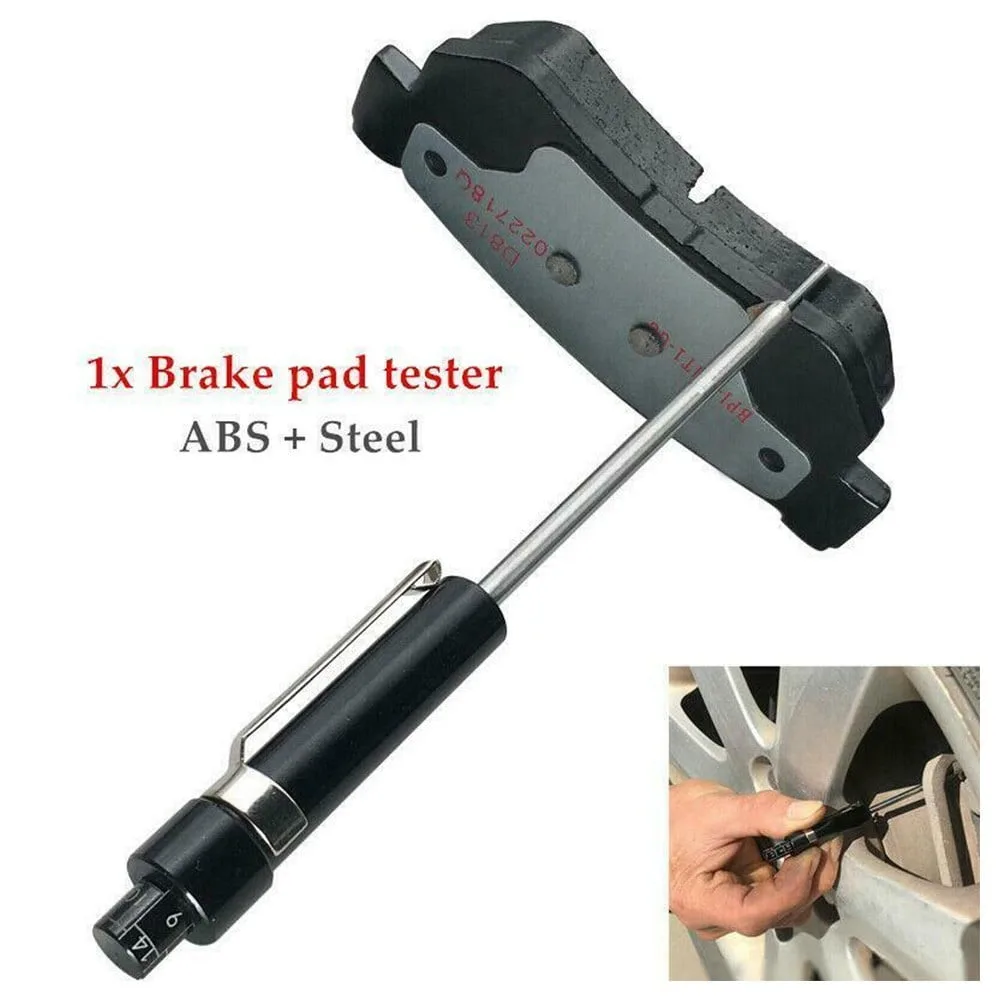
Image source: Bing (Web (fair-use with source credit))
Step 3: Look for uneven wear.
If one pad looks significantly thinner than the other on the same wheel, you likely have a stuck caliper or seized slide pin. This causes the car to pull during braking and accelerates wear on one side.
Step 4: Inspect for fluid leaks.
Check along the rubber brake lines and around each caliper. Wet spots, oily residue, or drips on the ground indicate a leak that needs immediate attention.
Step 5: Scan for trouble codes.
A basic OBD-II scanner, available for $20 to $40, can pull ABS and brake-related Diagnostic Trouble Codes. Look for codes in the C0xxx range. Common ones include C0200 for wheel speed sensor faults and C1241 for low brake fluid level.
Step 6: Test the pedal with the engine off.
Pump the brake pedal several times, then hold firm pressure. If the pedal slowly sinks, you've got a hydraulic issue. If it stays firm, the hydraulic system is holding pressure correctly.
If your scan shows unfamiliar codes, understanding how warning lights behave across different systems can help you avoid wrong conclusions. A sinking pedal is another symptom worth researching on its own. Our soft brake pedal guide covers common causes that apply across multiple vehicle brands.
For Camry-specific codes, cross-reference them on Toyota's technical information site for the correct diagnosis.
What It Actually Costs to Fix: Dealer, Shop, or DIY
Understanding costs helps you avoid getting overcharged and decide whether a do-it-yourself job makes sense.
| Service | Dealer | Independent Shop | DIY (Parts Only) |
|---|---|---|---|
| Front brake pads | $150 to $250 | $100 to $180 | $40 to $90 |
| Front pads + rotors | $350 to $600 | $250 to $400 | $100 to $220 |
| Rear brake pads | $120 to $200 | $80 to $150 | $35 to $75 |
| Rear pads + rotors | $280 to $450 | $200 to $350 | $80 to $180 |
| Brake fluid flush | $100 to $150 | $70 to $120 | $15 to $25 |
| Both axles, full service | $600 to $1,000 | $400 to $700 | $180 to $400 |
These prices reflect typical costs as of 2026 for the XV50 and XV70 generations. Your exact bill depends on trim level, local labor rates, and whether you choose OEM or aftermarket parts.
When dealer service makes sense:
If your Camry is under warranty, you'll want Toyota Genuine Parts and documented service records. Components like the ABS module or electronic parking brake should go through the dealer. Aftermarket parts sometimes don't interface correctly with the car's electronics.
When an independent shop is the sweet spot:
For standard pad and rotor replacements, a reputable independent mechanic with Toyota experience delivers the same quality at a lower price. Ask whether they use OEM-equivalent parts from manufacturers like Akebono or Centric.
When DIY works:
If you have basic mechanical skills, a jack, jack stands, and a socket set, a front brake pad swap is a straightforward weekend job. Rear pads on 2018 and newer models require a scan tool to retract the electronic parking brake, which adds real complexity.
Cost traps to watch for:
- Shops recommending rotor resurfacing when the rotor is below minimum thickness (stamped on the rotor edge). Below that spec, resurfacing is unsafe.
- Upselling performance brake packages when standard OEM-spec parts are fine for daily driving.
- Pushing a full fluid flush when the fluid is still clean and within spec.
If you're dealing with steering vibration alongside your brake issue, warped rotors are often the shared cause between pedal pulsation and steering shake.
When the Problem Is Dangerous: Red Flags That Mean Pull Over Now
Some brake issues can wait. Others absolutely cannot. Here's how to tell the difference before it costs you.
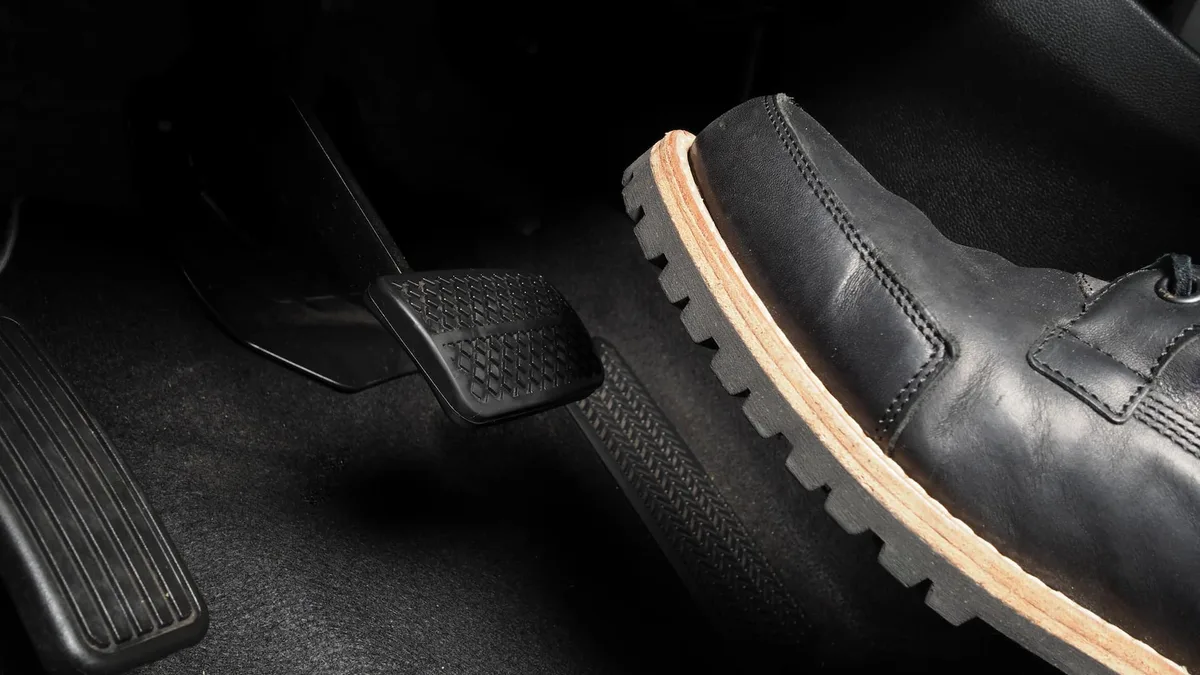
Image source: Bing (Web (fair-use with source credit))
The pedal goes to the floor.
This is the most dangerous brake failure you can experience. You press the pedal and it offers little or no resistance. The hydraulic system has lost pressure, possibly from a burst brake line or failed master cylinder.
Do not try to pump it back. Pull over immediately and call for a tow.
Both the brake warning light and ABS light come on together.
When both lights illuminate at the same time, it usually signals a serious fault rather than a simple sensor glitch. Your standard brakes may still work in a limited way, but you've likely lost ABS or brake assist. Avoid highways and get to a shop the same day.
The car pulls hard to one side under braking.
A severe pull indicates a seized caliper or a failed brake circuit. Your stopping distance is now uneven and unpredictable. Reduce speed, avoid sudden stops, and get the car inspected immediately.
You smell burning near the wheels.
A strong acrid smell after normal driving suggests a stuck caliper dragging against the rotor. This generates extreme heat and can warp the rotor. In severe cases it may ignite brake fluid.
Pull over and let the wheels cool before driving further.
Brake fluid is visibly leaking.
Check under the car after it's been parked. Any fluid near the wheels or along the frame rail is a serious concern. Brake fluid is typically clear to light amber.
If you see it pooling on the ground, do not drive the car.
The dashboard displays a red BRAKE alert with a beeping sound.
On most Camry models, this indicates critically low brake fluid or a system fault requiring immediate attention. Some 2018 and newer models display this when the electronic parking brake has malfunctioned.
Braking is the single most critical safety system in your car. Steering problems are dangerous too, as drivers who've experienced steering failures know , but brake failure leaves you with zero ability to slow down. Trust your instincts.
If something feels wrong, stop and get help.
Mistakes Camry Owners Make That Make Brake Problems Worse
Avoiding these common errors can save you hundreds of dollars and keep you safer on the road.
Ignoring the brake warning light.
Many owners drive for weeks with the light on, assuming it's a minor sensor issue. Sometimes it is. But a low fluid warning left unchecked means your pads are grinding down while you drive.
What starts as a $100 pad job becomes a $400 rotor and caliper job.
Using the wrong brake fluid.
The Camry requires Toyota-specified DOT 3 or DOT 4 brake fluid. Mixing fluid types or using an unapproved brand can degrade seals and reduce braking performance. Always check your owner's manual for the exact specification.
Skipping the break-in procedure after new pads.
New brake pads need a proper bed-in process to transfer an even layer of friction material onto the rotor surface. Skip this step and you'll get uneven deposits that cause vibration and premature wear. Toyota recommends 30 to 40 moderate stops from 35 mph during the first 100 miles.
Letting a shop resurface rotors below minimum thickness.
Every rotor has a minimum thickness spec stamped on its edge. Resurfacing below that limit weakens the rotor and increases the risk of cracking under hard braking. A good shop measures first.
If they don't ask to measure, find a different shop.
Forgetting about rear brakes.
Camry owners often focus entirely on the front brakes. Rear pads wear too, just more slowly. Ignoring them until they grind means you've also damaged the rear rotors, doubling the repair cost on that axle.
DIY work without a torque wrench.
Brake caliper bolts and lug nuts require specific torque values. Overtightening warps rotors. Undertightening lets components shift under braking.
A basic torque wrench costs $20 and prevents problems that show up hundreds of miles later.
Topping off brake fluid without checking pad thickness.
Adding fluid to a low reservoir without inspecting the pads is a temporary patch that hides the real problem. The fluid level drops because the caliper piston extends further as pads wear. Topping off just masks the wear until the pads are dangerously thin.
Expert Tips to Keep Your Camry Brakes Out of the Shop
These practices extend brake life and help you catch problems early.
Check your brake fluid every oil change.
Pop the hood and glance at the reservoir. Takes ten seconds. If the level is dropping between changes, your pads are wearing.
Catch it early and you can schedule a replacement on your own terms.
Rotate your tires regularly.
Uneven tire wear and uneven brake wear often go hand in hand. Rotating tires every 5,000 to 7,500 miles ensures even weight distribution across all four wheels, which promotes even pad wear.
Avoid riding the brakes on long descents.
Downhill driving in heavy traffic or on mountain roads tempts you to ride the brake pedal. This generates sustained heat that glazes pads and warps rotors. Use engine braking by shifting into a lower gear when possible.
Use the parking brake regularly on inclines.
Even on 2018 and newer Camries with electronic parking brakes, engaging it on hills keeps the system active and prevents the rear pad surfaces from developing rust spots from sitting unused.
Replace pads and rotors as a set on the same axle.
Putting new pads on a worn rotor creates uneven contact surfaces. The new pad material won't seat properly, and you'll get vibration and reduced stopping power. Always replace both together on each axle.
Choose quality parts over the cheapest option.
OEM-equivalent pads from brands like Akebono, Wagner, or Centric cost a few dollars more than budget options. They last longer, produce less dust, and provide more consistent stopping performance. The savings on cheap pads disappear when they wear out twice as fast.
If you own another vehicle alongside your Camry, understanding how different manufacturers approach brake maintenance helps you stay consistent across your fleet. Keeping multiple vehicles in good repair also prevents the cascade of problems that come from deferred maintenance on any single system.
Toyota Camry Brake Problem — Frequently Asked Questions
How long do Toyota Camry brakes typically last?
Most Camry brake pads last between 30,000 and 70,000 miles. City driving with frequent stops shortens lifespan. Highway commuters often get the upper end of that range.
Toyota recommends inspecting brake components every 15,000 miles or at each tire rotation.
Why is my brake warning light on but the car stops fine?
The most common cause is low brake fluid from normal pad wear. As pads thin out, the caliper piston extends further, drawing more fluid into the lines and lowering the reservoir level. Check the fluid and inspect your pads.
It's usually not an emergency, but don't ignore it for more than a day or two.
Can I drive with the ABS light on?
Yes, your standard brakes still function without ABS. However, you've lost anti-lock protection, meaning your wheels can lock up during hard braking on wet or slippery surfaces. Avoid highway driving and get the issue diagnosed promptly.
A common cause is a faulty wheel speed sensor, which is typically inexpensive to replace.
How much does a Toyota Camry brake job cost at the dealer?
Expect $350 to $600 for front pads and rotors, or $280 to $450 for the rear axle. A full brake service covering both axles runs $600 to $1,000. Dealer prices reflect OEM parts and factory-trained labor.
An independent shop can often do the same work for 25% to 35% less.
What does it mean when my brake pedal feels spongy?
A spongy pedal means air has entered the brake lines, the brake fluid is old and moisture-contaminated, or the master cylinder is failing. Brake fluid is hygroscopic, meaning it absorbs moisture from the air over time. Moisture lowers the fluid's boiling point and introduces compressible gas into the system.
A brake fluid flush every 30,000 to 40,000 miles prevents this.
Is it safe to replace brake pads without replacing rotors?
It depends on rotor condition. If the rotor surface is smooth, within its minimum thickness spec, and shows no deep scoring or warping, pad-only replacement is safe. If the rotor is below minimum thickness, warped, or has deep grooves, replacing pads alone won't fix the problem and could compromise stopping performance.