Your Hyundai Tucson won't start, and you're standing in the driveway wondering what to do next. It happens for a handful of reasons, most of them cheaper to fix than you'd think. Before you call a tow truck, you can narrow the problem down in about five minutes using nothing but your ears and eyes.
The Tucson's starting system hasn't changed much across generations. A 12-volt battery spins the starter motor, and the engine control unit checks the smart key and transmission position before allowing ignition. Most no-start cases trace back to the battery.

49% off Today's Exclusive Deals
Limited-time Exclusive Deals. Check current discount on Amazon.
Check Price on Amazon As an Amazon Associate I earn from qualifying purchases.Aggregate owner reports show a typical 12V battery lasts three to five years. Let's walk through your symptoms.
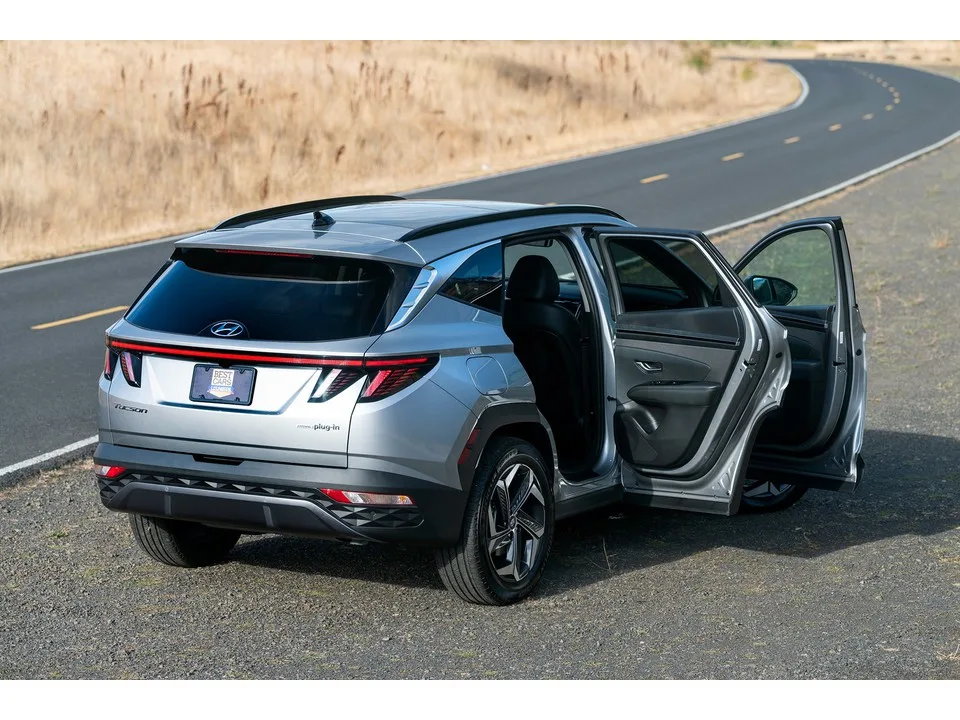
Image source: Bing (Web (fair-use with source credit))
49% off Today's Exclusive Deals
Limited-time Exclusive Deals. Check current discount on Amazon.
Check Price on Amazon As an Amazon Associate I earn from qualifying purchases.Start Here: Pick Your Symptom
If your Hyundai Tucson won't start, first check the battery. The fix depends on what you hear when you turn the key. No sound at all means a power problem.
Rapid clicking means low voltage. A cranking engine that won't fire means a fuel or spark issue.
That's the quick answer. Now match your exact symptom in the table below.
| What You Hear or See | Most Likely Cause | First Move |
|---|---|---|
| Nothing at all, no dash lights | Dead battery, corroded terminals, loose cables | Inspect and clean battery connections |
| Rapid clicking from the engine bay | Weak battery or poor connection | Jump-start, then test the battery |
| One click, then silence | Starter solenoid, starter motor, bad ground | Check voltage at the starter solenoid |
| Engine cranks but won't fire | Fuel pump, fuel relay, immobilizer | Listen for pump priming, check the security light |
Each section below matches one row. Follow the branch that fits your symptom. Don't waste time on fixes that don't apply.
49% off Today's Exclusive Deals
Limited-time Exclusive Deals. Check current discount on Amazon.
Check Price on Amazon As an Amazon Associate I earn from qualifying purchases.If your shifter feels loose, or the car won't register that it's in Park, check the shift linkage that's stuck or misaligned first. The Tucson won't engage the starter unless the transmission is fully in Park or Neutral.
No Power, No Lights, No Clicks: Dead Battery, Corroded Terminals, or a Loose Cable
You press the start button or turn the key, and you get nothing. No dash lights, no dome light, no sound from under the hood. That's the "absolutely dead" branch.
It almost always means the 12-volt battery can't deliver power to the starting circuit.
Open the hood and inspect the battery terminals first. Corrosion builds up on the posts and cable clamps, usually as a whitish or blue-green crust. That crust acts like an insulator.
You can have a fully charged battery and still see zero power through a dirty connection.
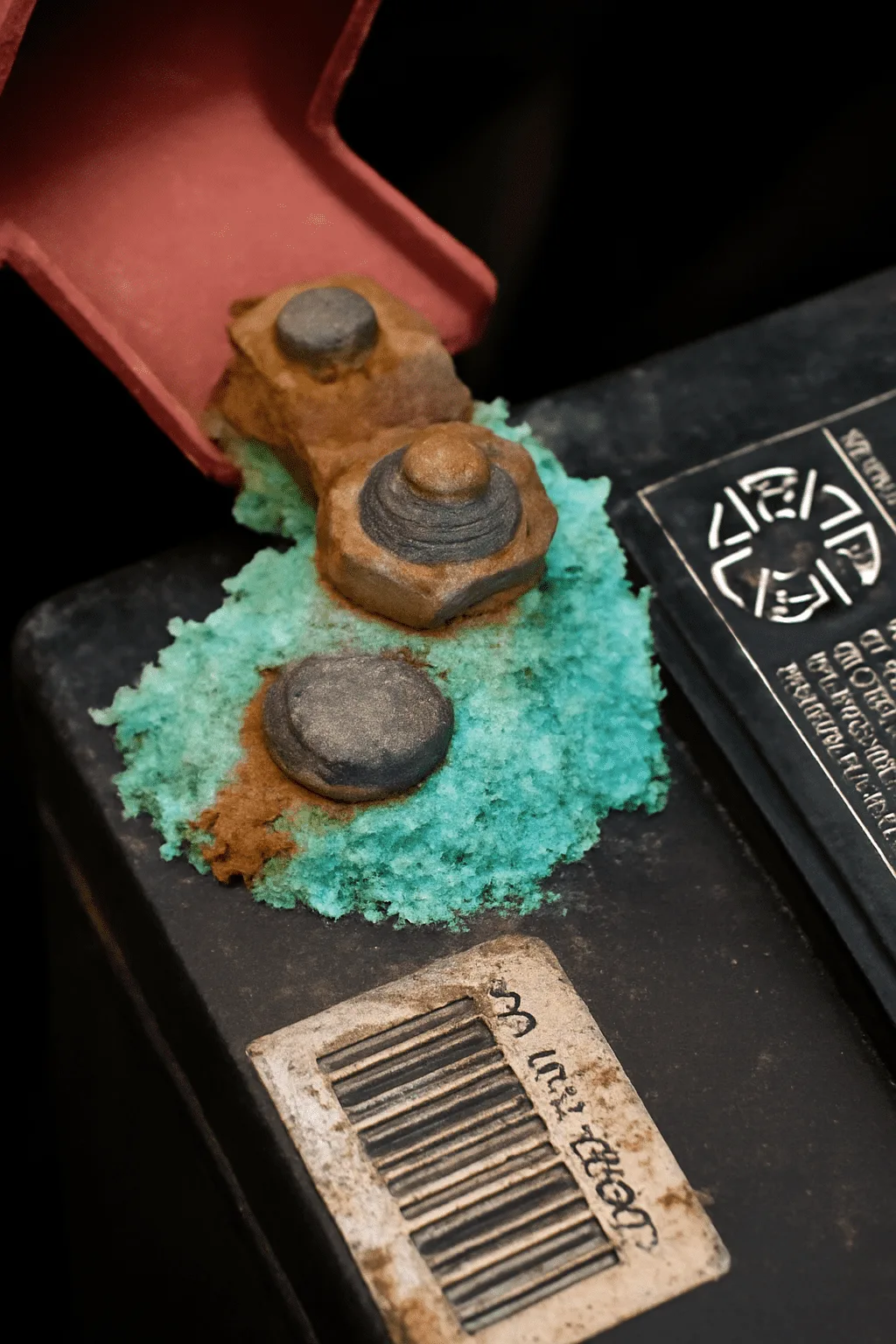
Image source: Bing (Web (fair-use with source credit))
Clean the terminals with a wire brush and a paste of baking soda and water. Reconnect everything snugly. Tighten the clamp bolts firmly, then try starting the car again.
If the connections look clean, use a multimeter to check battery voltage at the terminals. A fully charged battery reads about 12.6 volts. At 12.0 volts or lower, the battery can't crank the engine reliably.
Add in a history of dim or flickering lights, and you're likely looking at a battery that's reached the end of its life. The dim headlights symptom is a classic early warning that the charging system is struggling.
Rapid Clicking: Low Voltage and the Right Way to Jump-Start
A rapid clicking sound from the engine bay is the classic sign of low battery voltage. The starter relay pulls in, then drops out, over and over. It can't hold the circuit closed with weak voltage feeding it.
This is the best-case no-start scenario. The starter is probably fine. The battery just doesn't have enough juice to hold the relay and spin the engine.
Jump-start your Tucson the right way. Connect the red cable to the dead battery's positive terminal first. Then connect the other red end to the donor car's positive terminal.
Attach the black cable to the donor car's negative terminal. Finish by connecting the final black clamp to a bare metal ground point on the Tucson. Not the battery terminal.
Use a clean bolt or bracket on the engine block. That keeps sparks away from the battery, which can vent flammable hydrogen gas.
After the car starts, let it run for at least 15 minutes so the alternator can recharge the battery. If it clicks again next time, the battery is dead, not just drained. Check the fuse and relay checks before replacing any major components.
Single Click, Then Silence: Starter Motor, Relay, or Bad Solenoid
One clean click, then nothing. That's different from rapid clicking. The click means the starter solenoid got power and pulled in.
But the starter motor didn't turn, or the engine never cranked.
Start with the battery anyway. A battery with a bad cell can read near-normal voltage at rest, then collapse under load. Put a multimeter on the battery posts while someone tries to crank it.
If voltage drops below 9.5 volts during the attempt, the battery is the problem.
If the battery holds up, suspect the starter relay. A worn relay can pass enough current for the solenoid click but not enough for the motor. Swap the starter relay with an identical one in the fuse box.
The horn relay is usually the same part. Try again.
A poor ground connection causes the same symptom. The ground strap from the engine block to the chassis can corrode or loosen over time. Find it, clean it, and tighten the bolts.
If the car starts in Neutral but not Park, the park/neutral safety switch is the culprit. That's part of the transmission's park position sensor system. A dead starter motor gives you one click and zero rotation.
Only tap the starter housing if you can reach it safely, and only after checking everything else.
It Cranks But Won't Fire: Fuel Pump, Relay, and Immobilizer Issues
The engine spins over fine, but it won't catch. It sounds healthy. The battery and starter are doing their jobs.
The failure is on the fuel side or the spark side.
Start with the fuel pump. Turn the ignition to ON without pressing the start button. Wait for the dashboard lights to settle.
You should hear a quiet whine from the rear of the car for two to three seconds. That's the pump pressurizing the fuel rail. No whine means the pump isn't running.
A dead fuel pump relay is a common Tucson no-start cause. Find the main fuse box under the hood, locate the fuel pump relay, and swap it with an identical relay from another circuit. The horn relay usually matches.
Also check the fuel pump fuse before replacing anything. Specific fuse positions vary by model year, so read the fuse box cover diagram first.

Image source: Web (Bing) / pngall.com (Web image (fair-use with source credit))
If the pump primes, move on to the immobilizer. Look for a flashing security light on the dashboard, often a red or green key icon. Hyundai's anti-theft system cuts fuel and ignition when it doesn't recognize the key or fob.
If the light flashes rapidly, the engine control unit is locked out.
Resync the smart key by placing it directly on the push button, exactly as the owner's manual shows for emergency starts. As of 2026, this emergency sequence still matches current Hyundai owner's manual guidance. For recalls that affect your model year, search the NHTSA recall database.
You can also review your vehicle-specific manual at Hyundai's owners site.
Smart Key and Push-Button Problems: Dead Fob Battery, Brake Interlock, and the Emergency Override
If the dashboard says "Key not detected" or the car simply ignores the start button, the smart key system is at fault. The most common cause is a dead fob battery. That small CR2032 coin cell powers the proximity signal.
Replace it yourself in about a minute. Slide open the fob casing, pop out the old battery, and snap in a fresh one. Verify the orientation before closing it.
No spare battery on hand? Use the emergency override. Place the fob flat against the start button, then press the button while holding the brake pedal.
On most Tucson generations, the coil in the start switch reads the fob's chip even with a dead battery.
Another silent failure point is the brake interlock switch. Push-button models won't engage the starter unless the system detects the brake pedal pressed. If the switch wears out, the car thinks you're not braking at all.
Test it using your brake lights. Have someone stand behind the car while you press the pedal. No brake lights means the switch or its wiring needs attention.
That's the same brake light circuit that confirms your pedal press to the engine control unit.
Cheap Fixes to Try First, Common Mistakes to Avoid, and When to Call a Pro
Work through the free stuff before spending a cent on parts. Aggregate owner feedback shows most no-start repairs start with a $0 fix.
Confirm the obvious first. Check the fuel gauge. Check that the shifter sits fully in Park.
Check for an interior light left on overnight. Then test the battery with a multimeter at the terminals.
Avoid these common mistakes:
- Replacing the starter before testing battery voltage under load. A drop below 9.5 volts during cranking points to the battery, not the starter.
- Replacing the battery when the alternator is the actual failure. If the car dies every time right after a jump-start, the alternator isn't recharging.
- Cranking in short bursts over and over. Each attempt drains the battery further and heats up the starter solenoid.
Call a pro when you've worked through every branch and nothing changed. Persistent immobilizer warnings, heavy corrosion, or leaking battery acid need trained eyes. Also, if you're dealing with any brake system concerns at the same time, don't drive the car even after it starts.
Get a professional opinion first.
Frequently Asked Questions
Why won't my Hyundai Tucson start even with a new battery?
A new battery won't fix a failed starter, a dead fuel pump relay, or an immobilizer lockout. Check the security light, listen for the fuel pump prime, and confirm the starter relay clicks. One of those three is almost always the culprit when a fresh battery doesn't solve it.
How do I reset the immobilizer on a Hyundai Tucson?
Place the smart key against the push-button start, press the button once with your foot off the brake, then press it again with the brake pedal held. If the security light stops flashing, the system resynced. Disconnecting the battery for 15 minutes also clears a temporary lockout.
Why does my Tucson click but not start?
Rapid clicking means low battery voltage. A single click means the starter solenoid engaged but the motor didn't turn. Test battery voltage under load first.
If it stays above 9.5 volts, swap the starter relay and inspect the engine ground strap.
Where is the starter relay on a Hyundai Tucson?
The starter relay sits in the engine bay fuse box, labeled on the cover. The fuel pump relay sits nearby. Swap the starter relay with the horn relay to test it, since both share the same part number in most Tucson generations.
Can I jump-start a Tucson with a push-button start?
Yes. Connect the jumper cables exactly as you would on a keyed ignition. Wait a few minutes for the battery to take a charge, then press the brake pedal and tap the start button.
Once running, remove the cables in reverse order.