A noisy transmission often points to low fluid, worn parts, or internal damage that needs prompt attention.
A car transmission making noise is never something to ignore for long. From my experience, the sound is often the car’s way of asking for help before a small issue turns into a costly repair. In this guide, I’ll walk you through the most common causes, what different noises can mean, how to check the problem, and when to get professional help.

49% off Today's Exclusive Deals
Limited-time Exclusive Deals. Check current discount on Amazon.
Check Price on Amazon As an Amazon Associate I earn from qualifying purchases.
What a car transmission making noise can mean
When a car transmission making noise, the sound is usually a clue. It may come from low transmission fluid, worn bearings, damaged gears, a failing torque converter, or even a problem with the transmission mounts.
The key is to listen closely. A humming noise can mean one thing, while grinding, whining, or clunking may point to something more serious. In many real repair cases, the earlier the noise is caught, the better the outcome.
49% off Today's Exclusive Deals
Limited-time Exclusive Deals. Check current discount on Amazon.
Check Price on Amazon As an Amazon Associate I earn from qualifying purchases.Here’s a simple way to think about it: your transmission is like the middleman between the engine and the wheels. If that middleman is struggling, the whole drive feels off.
Common sounds and what they may suggest
A car transmission making noise can sound different depending on the problem. Not every noise means the same thing, so the type of sound matters.
Whining noise
A whining sound often happens when transmission fluid is low, dirty, or breaking down. It can also happen if the pump inside the transmission is wearing out.
If the sound gets louder when you accelerate, that is a clue worth taking seriously. I have seen many vehicles where a simple fluid service helped, but I have also seen whining noises turn out to be early pump failure.
49% off Today's Exclusive Deals
Limited-time Exclusive Deals. Check current discount on Amazon.
Check Price on Amazon As an Amazon Associate I earn from qualifying purchases.Grinding noise
Grinding usually suggests metal parts are rubbing the wrong way. That can mean worn gears, damaged synchronizers, or internal wear in a manual or automatic transmission.
This is one of the sounds you should not put off. If a transmission is grinding, continuing to drive can make the damage spread fast.
Clunking or banging noise
Clunking can come from worn transmission mounts, driveline issues, or hard internal shifting. It may happen when shifting into gear or when the car changes speed.
Sometimes the transmission is not the only problem. A loose mount or worn joint can make the whole system sound worse than it is.
Humming or buzzing noise
A humming noise can point to fluid problems, bearing wear, or internal component strain. It may be faint at first and become more obvious under load.
This type of sound can be easy to ignore because it may not feel dramatic. Still, it is often a sign that something is not running smoothly.
Rattling noise
A rattling sound can happen if internal parts are loose or if the heat shield, exhaust, or nearby components are vibrating near the transmission. That is why a careful inspection matters.
Not every rattling sound means the transmission itself is failing. But if the noise changes with speed or gear, the transmission needs a closer look.
Main causes of transmission noise
A car transmission making noise usually has one or more root causes. Knowing them helps you avoid guesswork and wasted repairs.
Low transmission fluid
Low fluid is one of the most common causes. Transmission fluid helps cool, lubricate, and protect moving parts.
When the level drops, parts can overheat and make noise. Fluid can leak from seals, the pan, cooler lines, or gaskets.
Dirty or worn-out transmission fluid
Even if the level is fine, old fluid can lose its protective power. Over time, it can thicken, darken, or collect debris.
That can lead to rough shifting, extra heat, and whining or humming sounds. In many cases, fresh fluid restores smoother operation if the problem is caught early.
Worn bearings
Bearings help moving parts spin smoothly. If they wear out, they can make humming, whining, or growling noises.
This is more of an internal repair issue. The sooner it is diagnosed, the better the chance of limiting damage.
Damaged gears or gear teeth
Gears can chip, wear, or lose alignment. When that happens, grinding or clicking noises may show up.
Manual transmissions are especially sensitive to gear wear if they have been driven hard or shifted poorly for a long time.
Failing torque converter
In automatic transmissions, the torque converter helps transfer engine power to the transmission. If it starts to fail, it may cause whining, shuddering, or odd noises at idle or during acceleration.
I once saw a driver think the engine was the problem, only to find the real issue was the torque converter. That is why noise diagnosis should never rely on guesswork alone.
Worn transmission mounts
Transmission mounts hold the unit in place and reduce vibration. When they wear out, the transmission can move too much and create banging or clunking.
This is one of those problems that can sound much worse than it is. Still, a bad mount should be fixed because it can lead to more stress on connected parts.
Bad bearings or bushings in related parts
Sometimes the noise is not inside the transmission itself. Bearings in the drivetrain, axle components, or related rotating parts can mimic transmission trouble.
That is why a road test and inspection are important. A good technician listens for where the sound starts and when it changes.
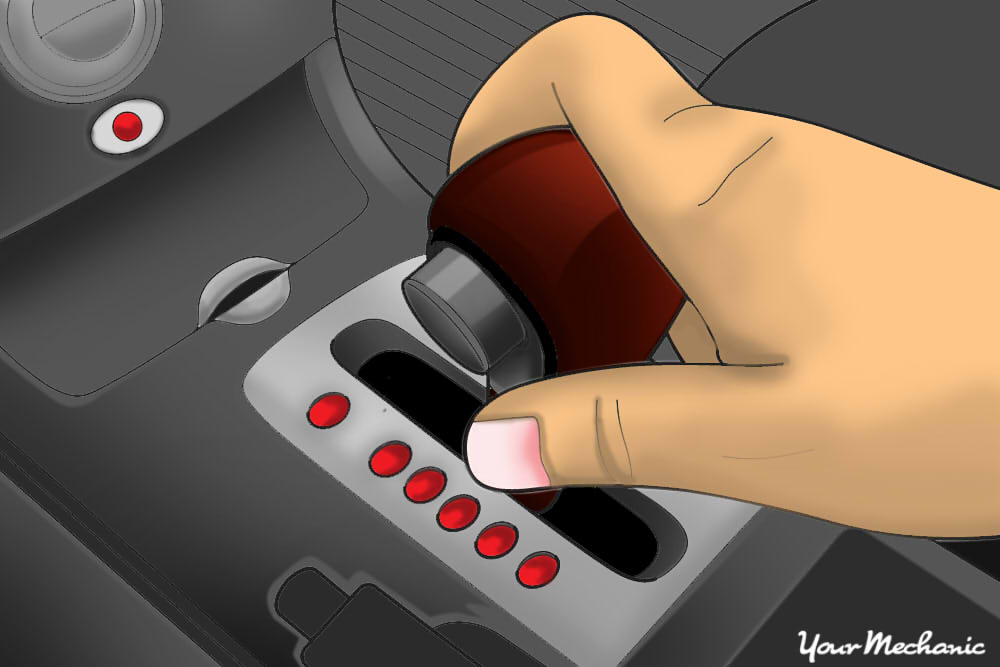
How to tell if the noise is coming from the transmission
A car transmission making noise can be confusing because engine, wheel, and exhaust sounds can blend together. You need to look at when the noise happens and how it changes.
Try to notice these details:
- Does the noise happen in park, drive, reverse, or only while moving?
- Does it change with speed or engine rpm?
- Does it happen when shifting gears?
- Does it get louder when the car is hot?
- Does the sound go away when you release the accelerator?
If the noise changes with gear selection, the transmission is more likely involved. If it only happens at a certain road speed, the issue may also involve the wheels, axle, or driveline.
What to check first when you hear transmission noise
If a car transmission making noise, do not panic. Start with the basics before assuming the worst.
Check transmission fluid level
Look at the fluid level according to your owner’s manual. Use the correct procedure, because some cars require the engine to be running and the vehicle warm.
If the fluid is low, top it up only with the correct type. Using the wrong fluid can make the problem worse.
Check the fluid condition
Healthy transmission fluid is usually reddish and has a clean smell. Dark, burnt-smelling, or dirty fluid is a warning sign.
If you see metal flakes or debris, that is more serious. It often means internal wear is already happening.
Look for leaks
Check under the car and around the transmission pan, seals, and cooler lines. Even a small leak can lead to a noisy transmission over time.
A leak is like a slow drip in a bucket. It may seem minor today, but the damage comes later.
Pay attention to shifting behavior
If the car hesitates, slips, jerks, or shifts harshly, that matters. Noise plus shifting trouble often points to a bigger transmission issue.
In my experience, noise alone can sometimes be a fluid issue. Noise plus poor shifting is much more likely to need repair.
Is it safe to keep driving?
A car transmission making noise may still move the car for a while, but that does not mean it is safe to keep driving. The risk depends on the sound, the symptoms, and how fast the problem is getting worse.
If the noise is mild and the car shifts normally, you may have time for a short drive to a shop. If the noise is grinding, the transmission slips, or the car struggles to move, stop driving as soon as you safely can.
Driving too long with a failing transmission can:
- Increase repair costs
- Cause complete transmission failure
- Leave you stranded
- Damage related components like the torque converter or differential
How professionals diagnose transmission noise
A technician usually starts with a road test and a visual inspection. That helps narrow down whether the noise comes from the transmission, the engine, or the driveline.
Common diagnostic steps include:
- Checking fluid level and condition
- Scanning for diagnostic trouble codes
- Inspecting mounts, axles, and related parts
- Listening with chassis ears or other diagnostic tools
- Testing noise at different gears and speeds
Modern vehicles also store data that can help pinpoint issues. According to common industry repair practices, a careful diagnosis saves time and prevents unnecessary part replacement.
Repair options and what they may cost
A car transmission making noise does not always mean you need a full replacement. Sometimes the fix is simple, and sometimes it is not.
Possible repair paths include:
- Fluid service or fluid top-off
- Leak repair
- Transmission mount replacement
- Solenoid replacement
- Torque converter repair or replacement
- Internal rebuild or replacement
The cost can vary a lot based on the vehicle, transmission type, and level of damage. A fluid-related issue may be affordable, while internal gear or bearing damage can become expensive fast.
One mistake I have seen people make is waiting too long because the car still “sort of works.” That often turns a manageable repair into a much larger one.
How to prevent transmission noise
The best way to deal with a car transmission making noise is to prevent it when possible. Regular care can make a big difference.
Follow fluid service intervals
Check your owner’s manual for service intervals. Some vehicles need fluid changes more often than drivers expect, especially if they tow, drive in traffic, or live in hot climates.
Use the correct transmission fluid
Different transmissions need different fluids. Even small differences can affect shifting, heat control, and wear protection.
Fix leaks early
A small leak is much easier to handle than a major repair. If you notice spots under the car or a burning smell, do not wait.
Avoid aggressive driving
Hard launches, sudden shifts, and constant stop-and-go abuse create more heat and stress. Gentle driving helps extend transmission life.
Pay attention to early warning signs
Noise, slipping, delayed shifting, and vibration should all be checked early. A quick repair now is usually cheaper than a major rebuild later.
Real-world lessons from the shop
One thing I have learned over time is that people often ignore the first faint sound because the car still drives fine. That is understandable, but transmissions rarely improve on their own.
I have also seen drivers replace parts based on guesswork and still have the same noise. The lesson there is simple: listen carefully, test properly, and fix the actual cause, not just the symptom.
If your car transmission making noise, the smartest move is to treat it like a warning light you can hear. That mindset has saved many drivers from expensive surprises.
Frequently Asked Questions
Why is my transmission making a whining noise?
A whining noise often points to low or dirty transmission fluid, a worn pump, or internal wear. If it gets louder while accelerating, it is best to have the vehicle checked soon.
Can low transmission fluid cause noise?
Yes, low transmission fluid can cause whining, humming, or even gear damage over time. The fluid helps cool and lubricate the transmission, so a drop in level can quickly create problems.
Is transmission noise always a sign of failure?
No, not always. Some noises come from fluid issues, mounts, or nearby drivetrain parts, but the sound should still be inspected because early fixes can prevent bigger damage.
What does a bad transmission sound like?
A bad transmission may make grinding, whining, clunking, buzzing, or rattling sounds. It may also shift harshly, slip, or hesitate when you drive.
Should I drive if my transmission is making noise?
If the noise is mild and the car still shifts normally, you may be able to drive a short distance to a repair shop. If there is grinding, slipping, or strong knocking, it is safer to stop driving and get help.
How much does it cost to fix a noisy transmission?
The cost depends on the cause. A fluid service or leak repair may be relatively simple, while internal damage can lead to a costly rebuild or replacement.
Conclusion
A car transmission making noise is a warning you should pay attention to early. Whether the sound is whining, grinding, clunking, or humming, it usually points to a problem that needs diagnosis before it gets worse.
The best approach is simple: check fluid, look for leaks, notice how the car shifts, and act quickly if the noise changes. If you want to protect your transmission and avoid a bigger repair bill, take the first sign seriously and get it inspected by a trusted mechanic.



3 Comments on “Car Transmission Making Noise: Causes And Fixes”