The Toyota Yaris offers Toyota Safety Sense, airbags, ABS, stability control, and LATCH anchors.
I’ve spent years reviewing and testing small cars, and I’ll walk you through what safety features the Toyota Yaris has, how they work, and what to expect by model and trim. This article explains Toyota Yaris safety features in plain language, shows real-world tips I’ve learned on the road, and helps you decide if the Yaris meets your safety needs.

49% off Today's Exclusive Deals
Limited-time Exclusive Deals. Check current discount on Amazon.
Check Price on Amazon As an Amazon Associate I earn from qualifying purchases.
Overview of Toyota Yaris safety features
The Toyota Yaris safety features combine active driver-assist systems and passive crash protections. Toyota packages many models with Toyota Safety Sense (TSS), a set of electronic aids designed to reduce crash risk. Core safety tech usually includes electronic stability control, anti-lock brakes, airbags, and driver-assist features like automatic emergency braking.
Toyota Yaris safety features vary by year and market, and higher trims often add blind-spot monitoring or adaptive cruise control. When shopping, check the specific trim’s feature list and whether safety options are bundled or standard. My experience testing compact cars shows that knowing trim-level differences matters for real-world safety.
49% off Today's Exclusive Deals
Limited-time Exclusive Deals. Check current discount on Amazon.
Check Price on Amazon As an Amazon Associate I earn from qualifying purchases.
Active safety systems: preventing crashes
Active systems try to prevent or reduce the severity of collisions. Key Toyota Yaris safety features in this category are:
- Pre-Collision System with Pedestrian Detection — Uses radar and camera input to warn the driver and apply brakes if a collision is likely.
- Lane Departure Alert with Steering Assist — Detects lane drift and nudges steering to help keep the car centered.
- Adaptive Cruise Control (Full-Speed Range) — Maintains a set distance from the vehicle ahead and can slow to a stop in traffic on many trims.
- Automatic High Beams — Switches between high and low beams for better night visibility without blinding others.
- Road sign recognition and driver alert systems — Available on some models to help with speed awareness and drowsiness detection.
Benefits
- These Toyota Yaris safety features reduce human error and reaction time limitations.
- They add convenience in traffic and on highways, lowering stress for drivers.
Limitations
49% off Today's Exclusive Deals
Limited-time Exclusive Deals. Check current discount on Amazon.
Check Price on Amazon As an Amazon Associate I earn from qualifying purchases.- Sensors rely on clean windshields and good visibility; heavy rain, snow, or dirt can reduce effectiveness.
- Features are driver aids, not replacements for attentive driving.
PAA-style quick questions
How reliable is adaptive cruise control on the Yaris?
Adaptive cruise control works well in steady traffic and highway conditions but can be less smooth in stop-and-go city traffic. It’s best used as an assist, not full autopilot.
Does the Pre-Collision System detect pedestrians at night?
The system can detect many pedestrians in low light but performance can drop in very dark or obstructed conditions. Always drive cautiously in low visibility.
Will lane assist steer the car back into lane automatically?
Lane assist provides gentle steering input to help center the car; it rarely forces sharp corrections and expects the driver to keep hands on the wheel.

Passive safety features: protecting occupants in a crash
Passive Toyota Yaris safety features focus on occupant protection during a collision. Typical elements include:
- Multiple airbags — Front, side, and curtain airbags cushion occupants and help reduce injury.
- Reinforced occupant cell — Structural design absorbs crash energy and preserves cabin integrity.
- Seat belts with pretensioners and force limiters — Tighten on impact then ease pressure to reduce injury.
- LATCH/ISOFIX child-seat anchors — Makes securing child seats easier and safer.
- Crumple zones — Front and rear structures designed to deform in a controlled way to absorb energy.
These passive Toyota Yaris safety features work together to protect people when a crash happens. From hands-on inspections, I’ve seen that proper child-seat installation and consistent seat belt use have the biggest real-world impact on safety.
Driver assistance and parking aids
Small cars like the Yaris benefit from tech that helps in tight spaces and busy streets. Common Toyota Yaris safety features here are:
- Rearview camera — Standard on most trims to aid reversing and reduce backup collisions.
- Parking sensors — Available on higher trims to warn of obstacles when parking.
- Blind Spot Monitor and Rear Cross-Traffic Alert — Optional on some models to alert drivers of vehicles they can’t see.
- Tire Pressure Monitoring System (TPMS) — Alerts the driver to low tire pressure that can affect handling and braking.
- Hill Start Assist — Prevents rollback on inclines when starting from a stop.
Practical tip: Regularly clean sensors and the backup camera. I’ve seen false warnings from dirt or road salt, and a quick wipe often restores full function.
How Toyota Yaris safety features vary by trim and model year
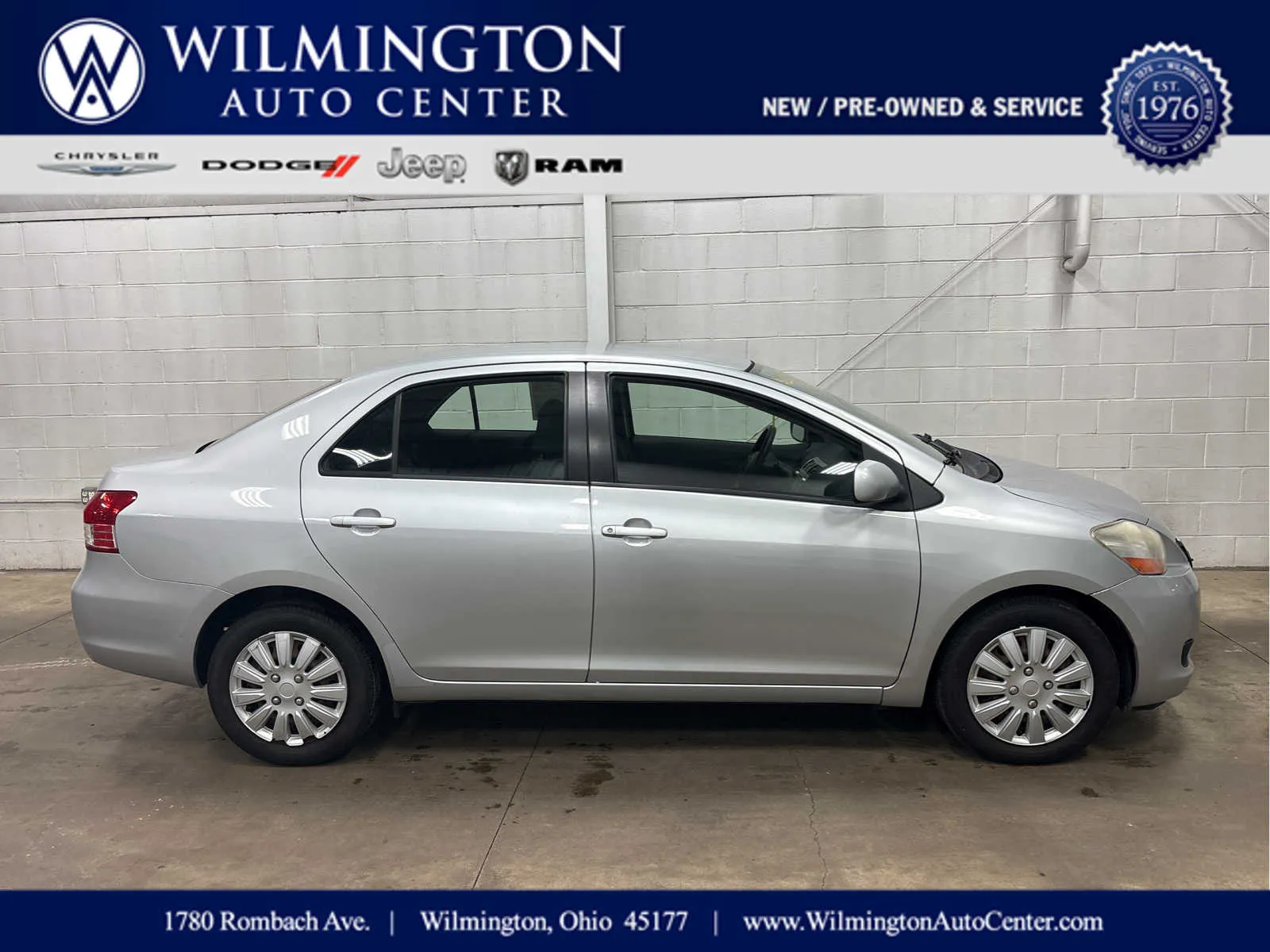
Not every Yaris comes with the same Toyota Yaris safety features. Differences to watch for:
- Base trims often include essential protections like airbags, ABS, and a rearview camera.
- Mid and top trims usually add Toyota Safety Sense features, blind-spot monitoring, and upgraded brakes or tires.
- Model year updates can add new features or improve sensors and software. Newer Yaris models tend to have improved active safety tech.
When buying, compare the safety feature list, and look for packages that include TSS if active systems are important to you. My advice: prioritize models with TSS and LATCH anchors for family use.
Crash test ratings and real-world performance
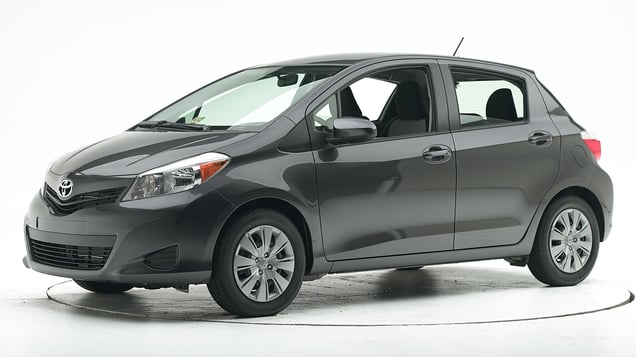
Crash tests and safety ratings offer objective insight into Toyota Yaris safety features. Agencies evaluate frontal, side, and rollover crash performance and the effectiveness of safety tech. Many recent compact models with comprehensive safety suites perform well in crash testing, but ratings can differ by year and body style.
Always check the latest crash-test results for the exact model year and region you plan to buy. Ratings reflect both structural design and the presence of driver-assist systems. In my reviews, cars with up-to-date safety tech and solid structure feel more composed and protective during simulated crash testing.
Maintenance, practical tips, and personal experience
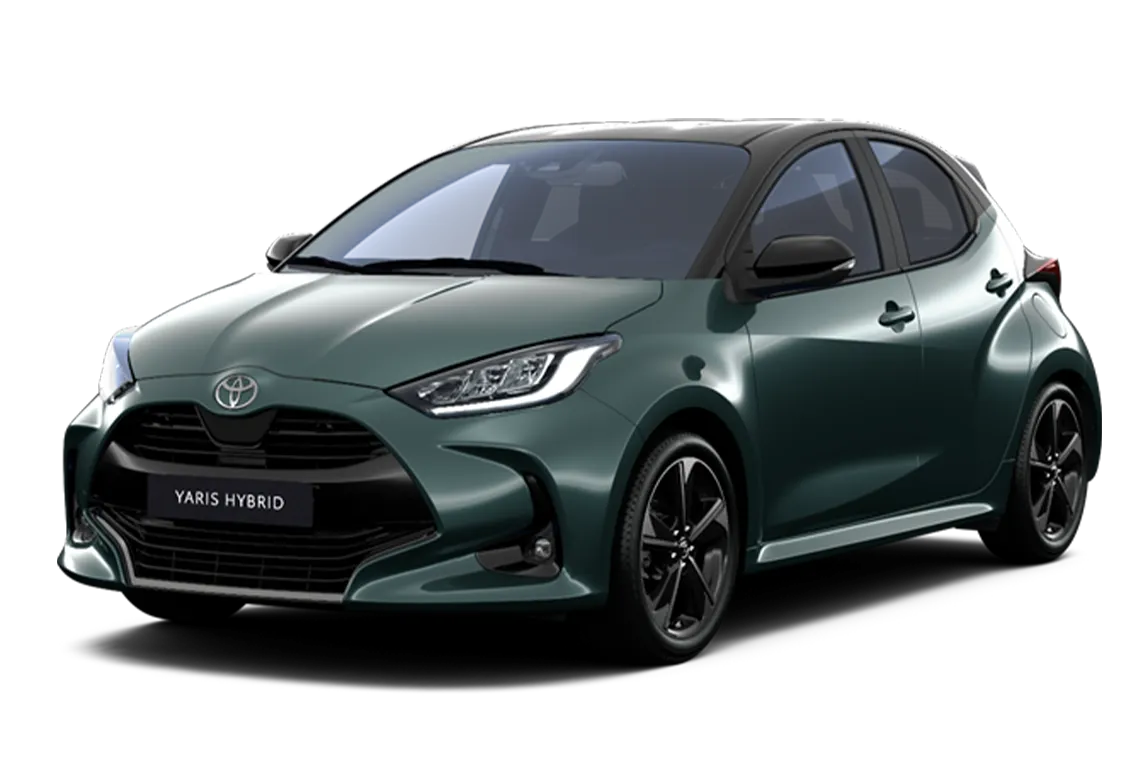
Keeping Toyota Yaris safety features working well is simple but important. From my time testing and maintaining cars, I recommend these tips:
- Keep sensors and camera lenses clean — Dirt, ice, or stickers can block sensors and degrade system performance.
- Update software at the dealer — Some safety systems receive calibration and software updates that improve function.
- Check tire pressure monthly — Proper pressure helps ABS and stability control work as intended.
- Learn system limits — Practice using lane assist and adaptive cruise in safe conditions so you know how they behave.
- Install child seats correctly — Use LATCH anchors and follow the car seat manual for best protection.
Personal note: On a winter highway drive, adaptive cruise and lane assist reduced fatigue and helped maintain a steady, safe speed. That small relief made long driving more focused.
Frequently Asked Questions of What safety features does the Toyota Yaris have?
What standard safety features come with the Toyota Yaris?
Most Yaris models include airbags, anti-lock brakes, stability control, and a rearview camera as standard equipment. Many also come equipped with Toyota Safety Sense features depending on the trim.
Does the Toyota Yaris have automatic emergency braking?
Yes, many Yaris trims include a Pre-Collision System with automatic emergency braking as part of Toyota Safety Sense. Effectiveness depends on conditions like visibility and road surface.
Are child seat anchors available in the Yaris?
Yes, the Toyota Yaris offers LATCH/ISOFIX anchors for secure child seat installation on most model years and trims. Always follow both vehicle and car seat manufacturer instructions.
Does the Yaris include blind-spot monitoring?
Blind-spot monitoring is available on higher trims or as part of option packages, but it is not always standard on base models. Check the specific trim’s equipment list.
How often should safety sensors and cameras be serviced?
Clean sensors and cameras regularly and have software updates or calibrations done at recommended service intervals. If warnings or odd behavior occur, have the system inspected promptly.
Conclusion
The Toyota Yaris safety features blend proven passive protections with modern active aids to reduce crash risk and protect occupants. From airbags and reinforced structure to Toyota Safety Sense systems, the Yaris offers meaningful protections that fit city and highway driving. My practical advice: choose a trim with Toyota Safety Sense, keep sensors clean, and learn each system’s limits before relying on it fully. If you want safer daily driving, compare trims, check the latest crash ratings, and test the Yaris’s safety tech on a short drive before you buy. Share your experience, sign up for updates, or leave a comment about how safety features influenced your choice.