Most Volkswagen Golf models with turbo engines recommend premium gasoline; some base models can run on regular.
I’ve spent years working on and writing about daily drivers and performance compacts. If you’re asking "Does the Volkswagen Golf require premium fuel?" this guide will walk you through the facts, model differences, engine reasons, cost trade-offs, and real-world tips so you can make the best choice for your car and budget. Read on to learn exactly when premium matters, when regular is fine, and how to avoid common fuel mistakes.

49% off Today's Exclusive Deals
Limited-time Exclusive Deals. Check current discount on Amazon.
Check Price on Amazon As an Amazon Associate I earn from qualifying purchases.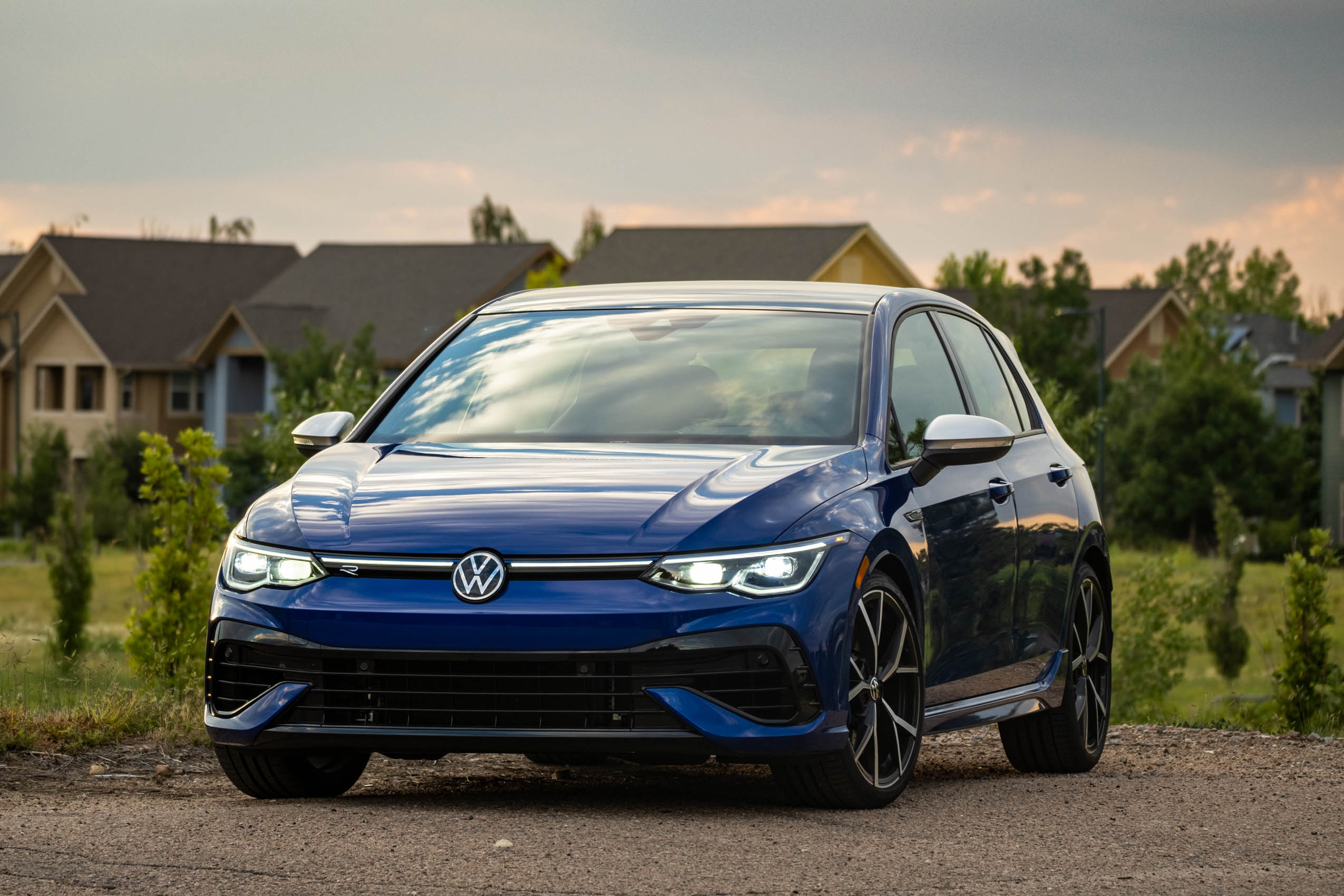
Understanding fuel requirements for Volkswagen Golf
Many drivers ask, "Does the Volkswagen Golf require premium fuel?" The short truth is that it depends on the specific Golf model and its engine. Volkswagen publishes fuel recommendations by model year and engine type. Performance engines with higher compression or turbocharging usually call for a higher octane rating to prevent knock and preserve peak power.
Why octane matters
49% off Today's Exclusive Deals
Limited-time Exclusive Deals. Check current discount on Amazon.
Check Price on Amazon As an Amazon Associate I earn from qualifying purchases.- Octane rating measures fuel resistance to pre-ignition and knock.
- Turbocharged Golf engines advance ignition timing and compress the air-fuel mix more, so they are more sensitive to low octane.
- Modern engines use knock sensors and ignition retard to protect the engine, but that lowers power and efficiency.
How manufacturers word recommendations
- Volkswagen often lists "required" or "recommended" octane on the fuel filler, in the owner’s manual, and in the technical specifications.
- When the manual says "required," use that octane. If it says "recommended," the car will run on lower octane but with reduced performance.
Does the Volkswagen Golf require premium fuel? It’s model-dependent. Check the manual and fuel cap to be sure.

Which Golf models require premium fuel?
When people ask "Does the Volkswagen Golf require premium fuel?" they usually mean specific trims. Here’s a quick breakdown by common variants.
49% off Today's Exclusive Deals
Limited-time Exclusive Deals. Check current discount on Amazon.
Check Price on Amazon As an Amazon Associate I earn from qualifying purchases.- Golf GTI
- Generally requires or strongly recommends premium gasoline for best performance.
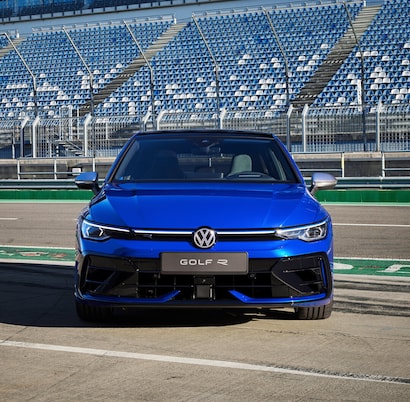
- Golf R
- High-performance model. Uses high-octane fuel to meet factory power and torque specs.
- TSI turbocharged models (varies by year)
- Many 1.8T and 2.0T engines recommend premium for optimal performance; some allow regular with reduced power.
- Naturally aspirated base engines
- Older or base non-turbo engines often run fine on regular gasoline.
- e-Golf and electric variants
- Do not use gasoline.
- TDI diesel models
- Require diesel fuel, not gasoline.
Always verify your exact year and engine by checking the owner’s manual or the label inside the fuel door. That answers the repeated question: Does the Volkswagen Golf require premium fuel? For GTI and R, yes; for base non-turbo models, usually no.

What happens if you use regular instead of recommended premium?
A common follow-up is, "Does the Volkswagen Golf require premium fuel or will it run on regular?" If your manual recommends premium and you use regular, here’s what to expect.
- Performance loss
- The engine control unit will retard timing to prevent knock. That lowers power and throttle response.
- Reduced fuel economy
- Less efficient combustion may reduce miles per gallon by a small margin.
- Potential long-term risk
- Occasional use of lower octane is usually safe due to knock control. Long-term chronic use in engines that require premium could stress components.
- Warranty and damage
- Using lower octane does not automatically void warranty. However, if damage can be linked to improper fuel, repairs could be disputed.
Does the Volkswagen Golf require premium fuel to avoid damage? For recommended models, premium preserves peak performance and helps avoid repeated detonation events under hard load.

Quick PAA-style clarifications
Will using regular fuel cause immediate damage to a Golf GTI?
Using regular once or twice typically won’t cause immediate damage because the engine trims timing. You may notice less power and some pinging under heavy load.
Can I switch fuels between tanks?
Yes. Switching from premium to regular or vice versa will change how the engine runs. The ECU adapts within a few tanks, but performance differences will be noticeable.
How to choose the right fuel for your Golf
If you still wonder "Does the Volkswagen Golf require premium fuel?" follow these steps to decide:
- Check the owner’s manual
- The manual is the definitive source for the correct octane.
- Look at the fuel door label
- Many Golfs have a sticker with the needed octane.
- Consider driving style
- Aggressive driving and high loads make premium more important.
- Use the right type for the engine
- Diesel and electric variants need their specific fuel or charging.
Personal note: I once drove a GTI for a week on regular by mistake. The car ran but felt sluggish. Fuel economy dropped slightly. The experience convinced me to always use the recommended octane in performance models.

Cost analysis: premium versus regular for Volkswagen Golf
People often ask, "Does the Volkswagen Golf require premium fuel, and is it worth the extra cost?" Here’s a simple math check.
- Example assumptions
- Premium costs $0.40 more per gallon.
- Car gets 30 mpg on regular, 31 mpg on premium (3% improvement).
- Annual driving 12,000 miles.
- Annual cost difference calculation
- Regular fuel cost: 12,000 / 30 = 400 gallons.
- Premium fuel cost: 12,000 / 31 ≈ 387 gallons.
- Extra gallons cost = 387 * $0.40 ≈ $155 more per year.
If premium preserves power or prevents problems in your engine, the extra cost can be justified. For base models where performance is unchanged, regular often makes more economic sense.

Tips for maximizing fuel efficiency and engine health
Here are practical tips whether your Golf requires premium fuel or not.
- Follow manufacturer recommendations exactly.
- Use top-tier gasoline to avoid deposits.
- Avoid frequent low-octane use in turbo engines.
- Keep tires inflated and perform routine maintenance for best mpg.
- If you suspect pinging, switch to higher octane immediately and have the engine checked.
Frequently Asked Questions of Does the Volkswagen Golf require premium fuel?
Does the Volkswagen Golf require premium fuel for all model years?
Not for all years. Many modern GTI and R models require or recommend premium, while some base non-turbo Golfs can run on regular.
Will using lower octane void my warranty?
Using lower octane does not automatically void warranty. If damage is directly linked to improper fuel use, coverage could be denied.
Can the engine adapt if I use regular instead of premium?
Yes. Modern ECUs adjust timing and boost to prevent knock. This reduces power and efficiency but protects the engine short-term.
How do I check what fuel my Golf needs?
Look in the owner’s manual and check the fuel cap or door. The manufacturer lists the required octane and fuel type there.
Is premium fuel cleaner or better for engine longevity?
Premium’s main benefit is higher octane. Some premium fuels also have better detergents. Use top-tier fuels if you want cleaner injectors and combustion.
Conclusion
Whether the Volkswagen Golf requires premium fuel depends on the model and engine. High-performance Golfs like the GTI and R generally need or strongly benefit from premium gasoline, while many base non-turbo Golfs run well on regular. Check your owner’s manual and the fuel door label, weigh the slight fuel economy gains against cost, and prioritize the manufacturer’s guidance for long-term health and performance.
Takeaway: follow the manual, use premium for performance models, and keep up with maintenance to get the most from your Golf. If this helped, leave a comment about your Golf model and fuel experience, or subscribe for more clear, practical car advice.