Yaris offers 1.0L, 1.3L and 1.5L petrols, a 1.5L hybrid, and a 1.6L GR turbo option.
I’ve tested and researched Toyota small cars for years, and I’ll walk you through exactly what engine options are available in the Toyota Yaris. This guide explains petrol and hybrid choices, real-world fuel use, performance variants, transmissions, maintenance tips, and buying advice so you can pick the right Yaris engine with confidence. Read on to learn which engine suits your driving needs and budget.

49% off Today's Exclusive Deals
Limited-time Exclusive Deals. Check current discount on Amazon.
Check Price on Amazon As an Amazon Associate I earn from qualifying purchases.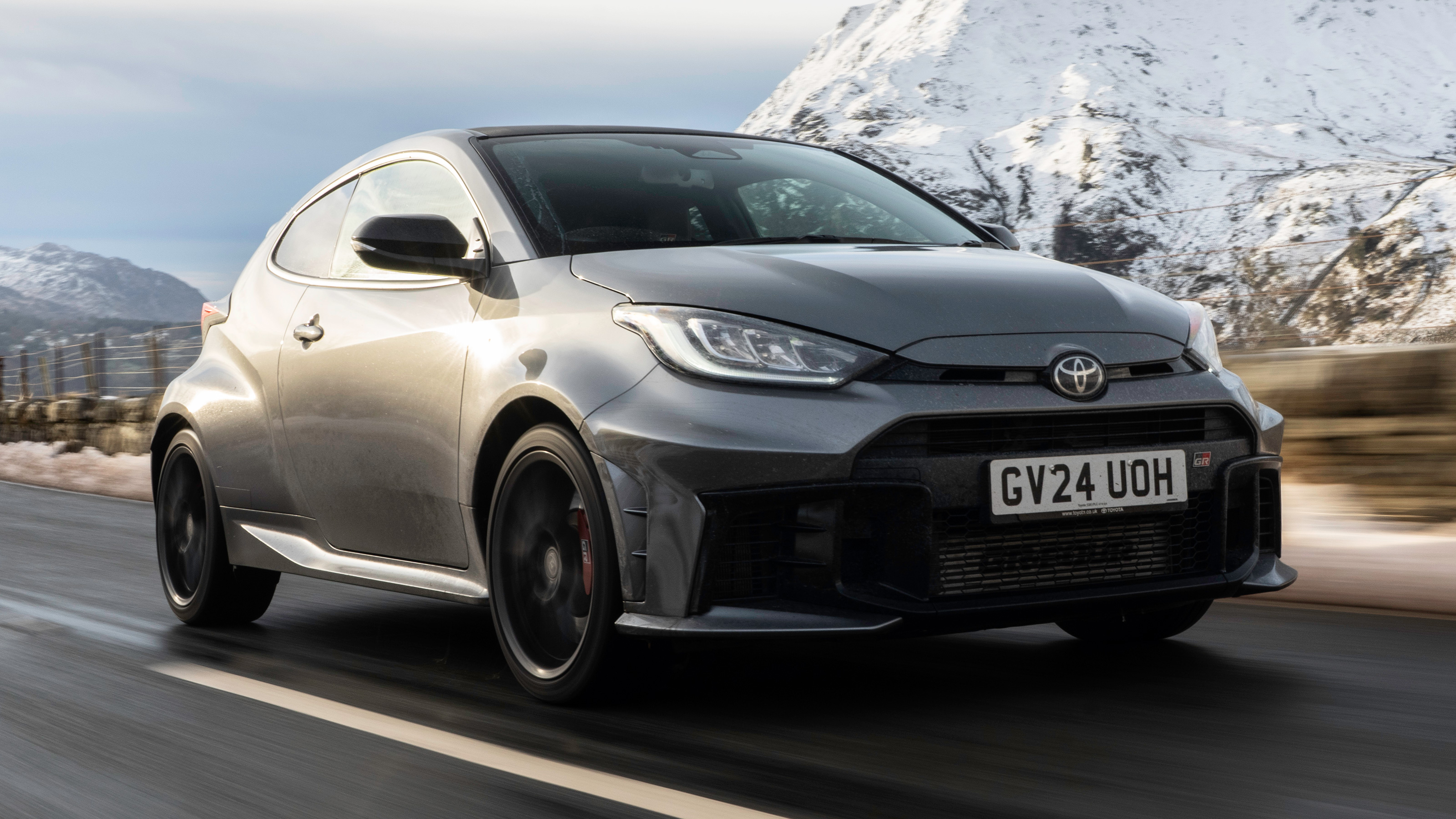
Yaris engine lineup: what to expect and why it matters
What engine options are available in the Toyota Yaris? The lineup varies by market and model year, but the common choices cover basic city petrol engines, a popular hybrid, and a high-performance GR model. Each engine is tuned for different use cases: low cost, fuel economy, or sporty driving.
Why this matters: engine choice affects fuel costs, maintenance, resale value, and driving feel. I’ll describe pros and cons for each option and share tips from hands-on experience. What engine options are available in the Toyota Yaris? Read on for a clear breakdown that helps you choose.
49% off Today's Exclusive Deals
Limited-time Exclusive Deals. Check current discount on Amazon.
Check Price on Amazon As an Amazon Associate I earn from qualifying purchases.
Petrol engine options: 1.0L, 1.3L, and 1.5L explained
Petrol engines are the most common Yaris choices. What engine options are available in the Toyota Yaris? Typically you’ll find:
-
1.0L three-cylinder naturally aspirated petrol
- Low weight and low running cost.
- Around 68–72 hp in many markets, best for city driving.
- Pros: low purchase price, great city MPG. Cons: limited power for highway overtakes.
-
1.3L four-cylinder petrol (older model years)
Deal49% off Today's Exclusive Deals
Limited-time Exclusive Deals. Check current discount on Amazon.
Check Price on Amazon As an Amazon Associate I earn from qualifying purchases.- Mid-range power around 98–100 hp.
- Good for mixed driving and light cargo.
- Pros: balanced performance and economy. Cons: less common in newest Yaris lineups.
-
1.5L three-cylinder petrol
- Higher output, typically about 100–120 hp depending on tune.
- Better for highway driving and carrying passengers.
- Pros: more versatile and stronger acceleration than 1.0L. Cons: slightly higher fuel use.
From my experience, the 1.0L is ideal if most trips are short and urban. The 1.5L is my pick for frequent highway travel because it keeps revs low and feels more stable at speed. What engine options are available in the Toyota Yaris? These petrol choices cover budget to practical daily driving needs.

Hybrid options: why the 1.5L hybrid dominates
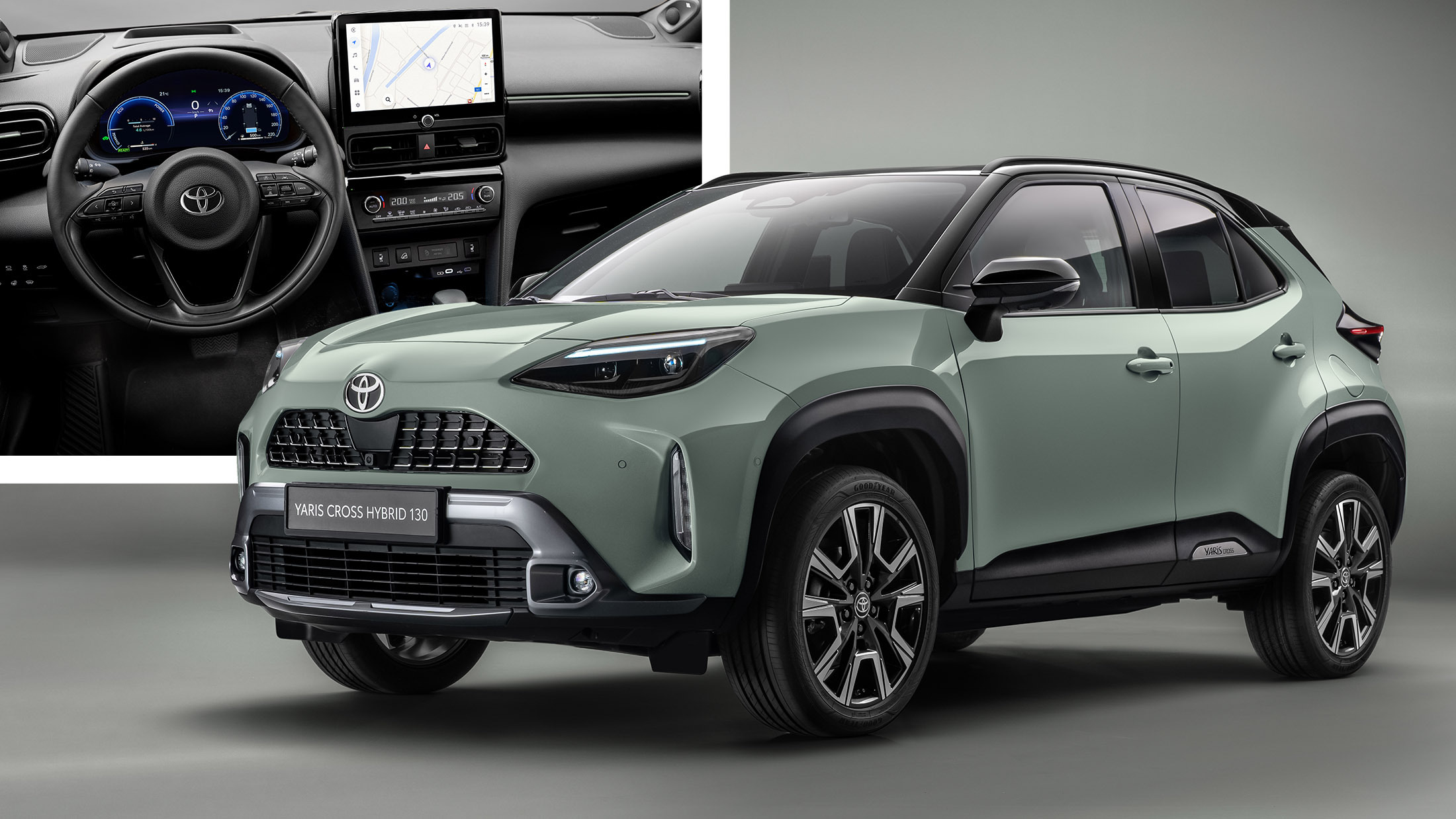
Toyota pushed hybrids hard for the Yaris. What engine options are available in the Toyota Yaris? The key hybrid option uses a 1.5L petrol engine paired with an electric motor and battery. This setup delivers a combined output typically around 114 hp.
Hybrid benefits:
- Excellent city fuel economy, often 50+ MPG (or strong equivalent in other markets).
- Smooth, quiet operation in town due to electric assist.
- Lower CO2 emissions and favorable ownership tax/insurance in some regions.
Hybrid downsides:
- Slightly higher purchase price.
- The e-CVT can feel different to drivers used to manuals.
- Battery care matters, but Toyota warranties and proven designs reduce risk.
I’ve driven the hybrid for daily commuting. It saves real money in stop-and-go traffic. If you ask “What engine options are available in the Toyota Yaris?” the hybrid often wins for economy-minded buyers.
Performance choice: the GR Yaris and its 1.6L turbo
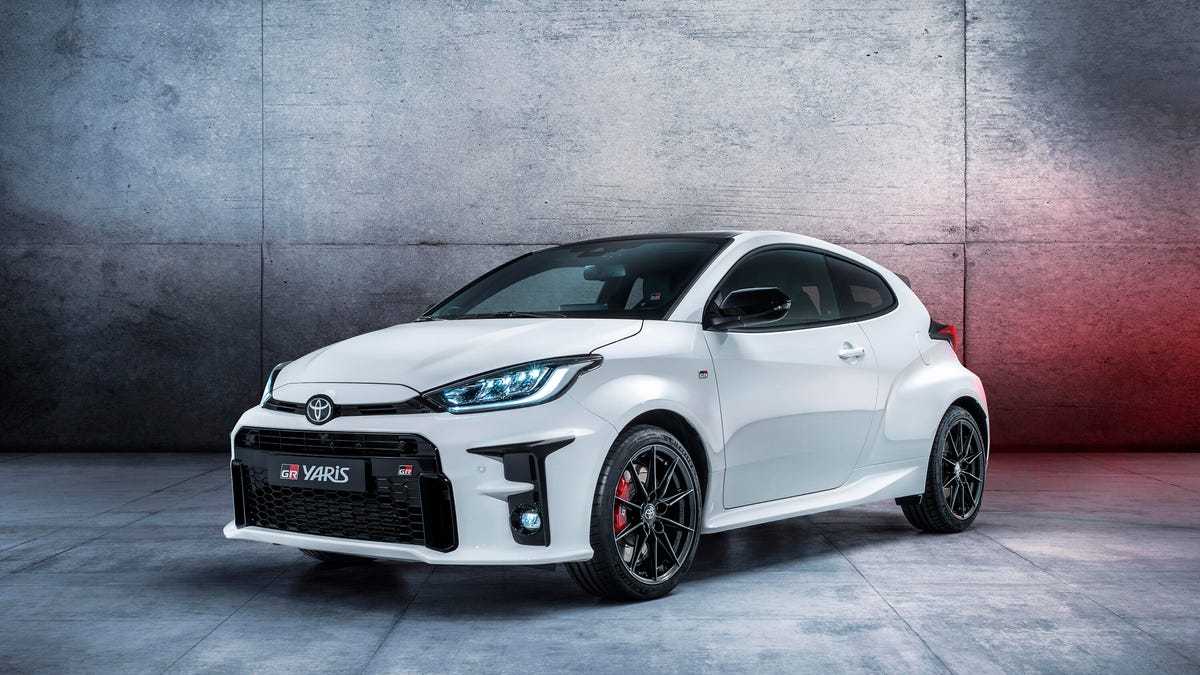
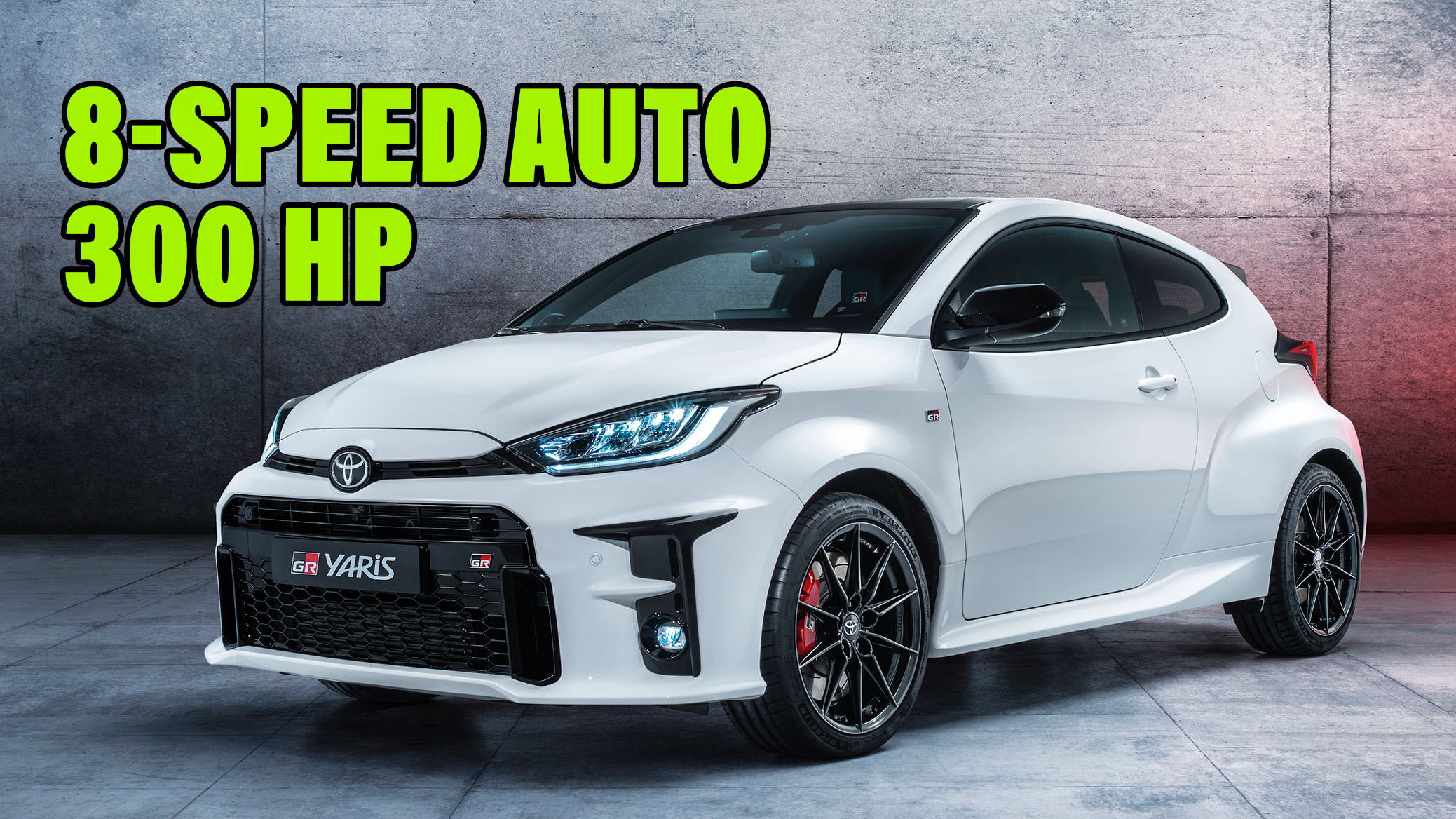
For enthusiasts, what engine options are available in the Toyota Yaris? The GR Yaris is the standout. It features a 1.6L three-cylinder turbocharged petrol engine. This engine produces high power figures (over 250 hp in many trims) and pairs with all-wheel drive.
GR Yaris highlights:
- Raw acceleration and rally-bred handling.
- Lightweight body and aggressive chassis tuning.
- Higher fuel use and ownership cost than regular Yaris models.
If you want a practical hot hatch, the GR is a specialist choice. If you need a daily commuter, the GR is likely too costly and thirsty. What engine options are available in the Toyota Yaris? The GR is the performance extreme in the lineup.
Transmissions and drivetrains: manuals, CVT, and AWD
What engine options are available in the Toyota Yaris? Transmission and drivetrain choices change how each engine feels and performs.
-
Manual transmissions
- Often available on petrol models and some performance trims.
- Pros: direct control and a more engaging drive. Cons: not as smooth in heavy traffic.
-
CVT (Continuously Variable Transmission)
- Common on petrol trims for smoothness and fuel efficiency.
- Pros: simple to use and efficient. Cons: can feel vague under hard acceleration.
-
e-CVT for hybrids
- Toyota’s hybrid control uses an e-CVT-like system for seamless blending of gas and electric power.
- Pros: excellent for economy and smooth city driving.
-
All-wheel drive (AWD)
- Standard on GR Yaris and not typical for regular Yaris models.
- Pros: better traction in poor conditions. Cons: added complexity and fuel use.
My tip: match engine with transmission for your driving. What engine options are available in the Toyota Yaris? For city-only drivers, pair the hybrid with e-CVT. For drivers who like control, choose a petrol manual.
Real-world fuel economy, maintenance, and ownership costs
What engine options are available in the Toyota Yaris? Ownership costs vary widely by engine.
Fuel economy (approximate and market-dependent):
- 1.0L petrol: best for urban, often 45–60 MPG.
- 1.3L petrol: mid-range, often 40–50 MPG.
- 1.5L petrol: 35–50 MPG depending on driving.
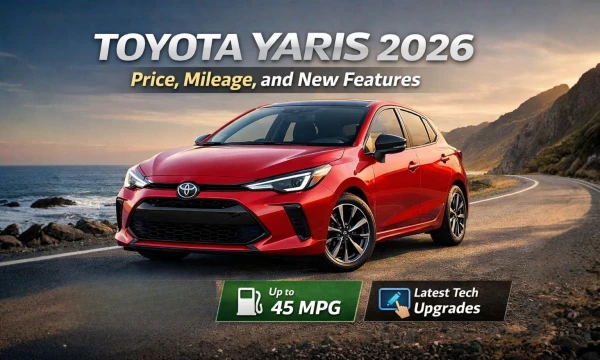
- 1.5L hybrid: typically 50–70 MPG in mixed use.
- 1.6L GR: much lower, often 25–35 MPG.
Maintenance notes:
- Hybrid battery warranty often covers 8–10 years in many markets. That reduces risk.
- Regular oil and filter changes are key for turbo models like the GR.
- Brake wear is often lower on hybrids thanks to regenerative braking.
From my experience, hybrids save money over time in city driving. Petrol engines are cheaper to buy and easier to service in some regions. When you ask “What engine options are available in the Toyota Yaris?” weigh both purchase price and running costs.
How to choose the right Yaris engine for you
To decide, ask three simple questions:
- Do you drive mostly in the city or on the highway?
- Is fuel economy or purchase price more important?
- Do you want a sporty drive or practical transport?
Recommendations:
- City commuting, low running costs: choose the 1.5L hybrid.
- Mixed driving and balanced needs: choose the 1.5L petrol.
- Tight budget and mostly short trips: 1.0L petrol will do.
- Pure performance and thrills: the GR Yaris with the 1.6L turbo.
What engine options are available in the Toyota Yaris? Use those answers to match the engine to your life, not marketing. I’ve helped friends pick Yaris models this way and it reduces buyer’s remorse.
PAA-style quick questions
What engine options are available in the Toyota Yaris? Here are short, direct answers to common user queries.
Is the Yaris available as a hybrid?
- Yes. The Yaris is widely sold with a 1.5L hybrid system offering excellent city fuel economy.
Which Yaris engine is best for highway driving?
- The 1.5L petrol generally performs best on highways, thanks to higher torque and more stable cruising.
Does the Yaris come with a manual gearbox?
- Some petrol models and certain trims offer a manual. The hybrid typically uses an e-CVT.
Is the GR Yaris the same as the regular Yaris?
- The GR Yaris is a distinct, high-performance model with a 1.6L turbo and AWD, aimed at enthusiasts.
Can the hybrid battery be expensive to replace?
- Battery replacements are rare and often covered by warranty for many years, reducing the ownership risk.
Frequently Asked Questions about What engine options are available in the Toyota Yaris?
What engine options are available in the Toyota Yaris for city commuters?
The most common option is the 1.5L hybrid, which gives excellent fuel economy and smooth low-speed driving. A 1.0L petrol is also popular for very short urban trips.
Are there high-performance engine options for the Yaris?
Yes. The GR Yaris uses a 1.6L turbocharged engine with high horsepower and all-wheel drive for sporty performance. It is a specialist, not a typical daily commuter.
Which Yaris engine is the most fuel-efficient?
The 1.5L hybrid is generally the most fuel-efficient, especially in stop-and-go traffic where electric assist saves fuel. Real gains show up in city driving.
Do Yaris petrol engines use turbochargers?
Most regular Yaris petrol engines are naturally aspirated. The notable turbo is the 1.6L unit in the GR Yaris performance model.
How do engine choices affect resale value?
Hybrids and well-maintained mid-range petrols tend to hold value better in markets that reward fuel economy. Performance models may have niche demand but can command strong prices among enthusiasts.
Conclusion
Choosing among What engine options are available in the Toyota Yaris comes down to how you drive and what you value. The 1.0L suits tight budgets and city hops, the 1.5L petrol balances everyday needs, the 1.5L hybrid saves real fuel in town, and the 1.6L GR is for drivers who crave performance. Use the guidance here to match engine, transmission, and lifestyle. If you’re still unsure, test-drive the engines you like and track fuel use for a week to see which fits best. Leave a comment with your driving needs or subscribe to get more hands-on reviews and buying tips.