Volkswagen Golf offers petrol, diesel, mild-hybrid, plug-in hybrid, and electric powertrain options.
I’ve spent years testing compact cars and working with owners. This article breaks down Volkswagen Golf engine options with clear facts, real-world tips, and buying advice. You’ll get a plain view of what each engine does, who it suits, and how to choose the right Golf powertrain for your needs. Read on to make a confident decision about Volkswagen Golf engine options based on performance, economy, and ownership reality.

49% off Today's Exclusive Deals
Limited-time Exclusive Deals. Check current discount on Amazon.
Check Price on Amazon As an Amazon Associate I earn from qualifying purchases.
Overview of Volkswagen Golf engine options
The Volkswagen Golf lineup covers a wide range of engines. You can find small turbo petrol units, efficient diesels, 48V mild-hybrids, plug-in hybrids, and fully electric variants in recent years. Models change by market and generation, but the goal is the same: offer choices for economy, comfort, or sport.
Key categories include:
49% off Today's Exclusive Deals
Limited-time Exclusive Deals. Check current discount on Amazon.
Check Price on Amazon As an Amazon Associate I earn from qualifying purchases.- Petrol turbocharged engines for daily driving and sport.
- Diesel engines for long-range efficiency.
- Mild-hybrid systems that add low-load efficiency.
- Plug-in hybrid (PHEV) models for short electric daily trips.
- Electric versions for zero-tailpipe emissions driving.
These choices mean Volkswagen Golf engine options fit many driving styles and budgets. If you care about city fuel economy, a mild-hybrid or PHEV may help. If you want fun driving, look at GTI or Golf R powertrains. Volkswagen Golf engine options give buyers flexibility across performance and efficiency.
Petrol engines: range, strengths, and best uses
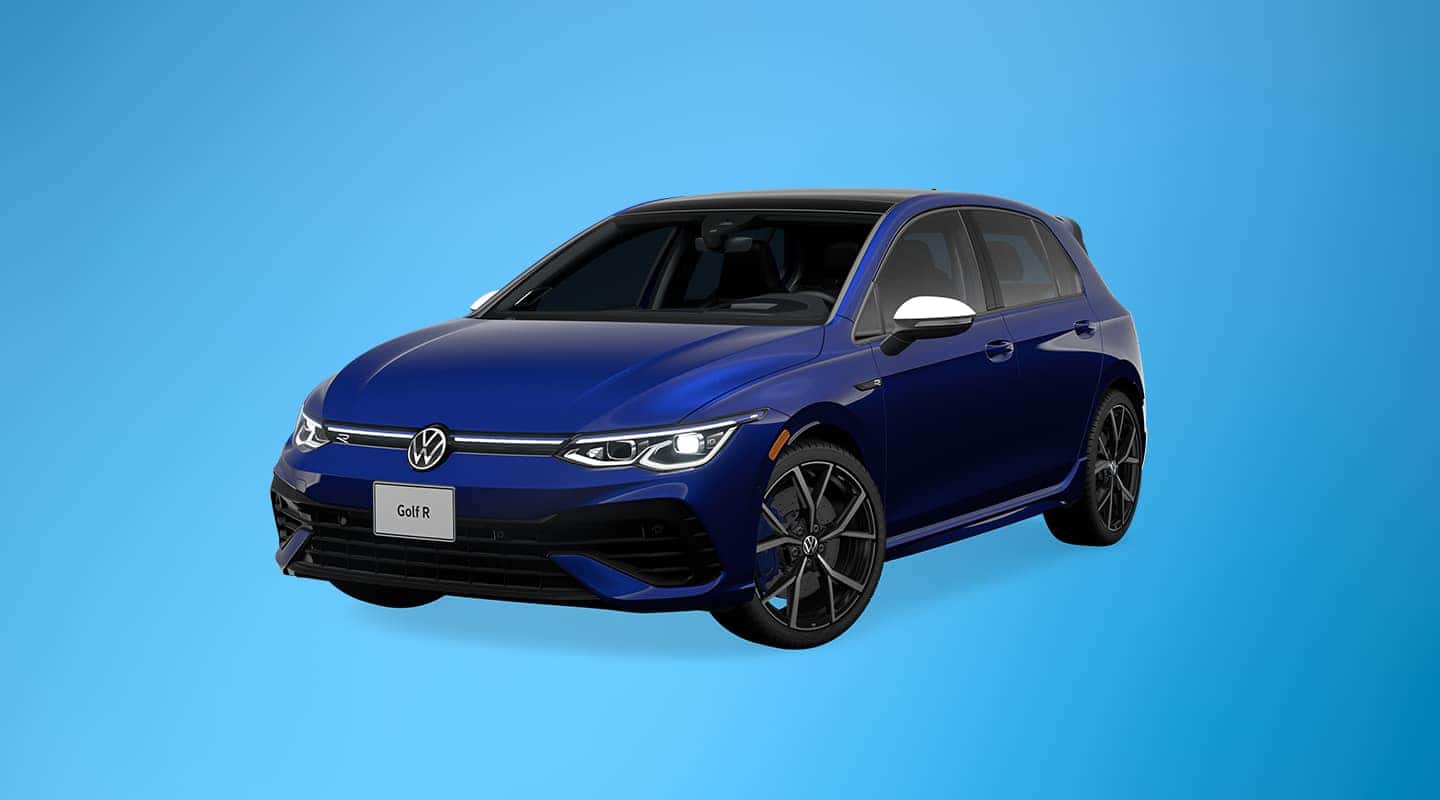
Petrol engines remain the most common Volkswagen Golf engine options. They are mostly turbocharged small-displacement units. Common engines include:
- 1.0 TSI: three-cylinder turbo, good for city use and low running costs.
- 1.5 TSI: four-cylinder with cylinder deactivation on some versions for better economy.
- 2.0 TSI: used in sporty GTI and performance models, with higher power outputs.
Benefits of petrol Golf engines:
49% off Today's Exclusive Deals
Limited-time Exclusive Deals. Check current discount on Amazon.
Check Price on Amazon As an Amazon Associate I earn from qualifying purchases.- Lively throttle response and lower vibration than many diesels.
- Broad availability and easier cold-weather starts.
- Good balance between economy and performance in the 1.5 TSI.
Limitations:
- Higher fuel cost versus diesel on long motorway runs.
- Slightly lower torque at low rpm compared to diesel, though turbocharging helps.
If you want a daily driver that is smooth and simple to maintain, petrol engines are a reliable Volkswagen Golf engine option.

Diesel engines: who should consider them
Diesel engines have been part of Volkswagen Golf engine options for years. Typical units include 1.6 TDI and 2.0 TDI engines. They offer strong low-end torque and excellent highway fuel economy.
Why choose diesel:
- Best for long commutes and frequent motorway driving.
- Stronger torque for towing or carrying heavy loads.
- Lower fuel use on steady high-speed runs.
Drawbacks and caveats:
- Diesel particulate filters (DPF) and emissions hardware can add maintenance cost if used mainly for short trips.
- Diesel availability has declined in some regions due to emissions rules and urban low-emission zones.
- Resale can vary by market as diesel demand shifts.
If your driving is mostly long-distance, diesel remains a robust Volkswagen Golf engine option. For mixed city use, consider mild-hybrid or petrol alternatives.

Hybrid and electrified Volkswagen Golf engine options
Electrified variants have expanded the Golf lineup. Key options include:
- Mild-hybrid systems (48V eTSI): add a small electric motor and battery to boost efficiency and smooth start-stop operation.
- Plug-in hybrid (Golf eHybrid / GTE): combine a petrol engine with a larger battery for all-electric urban driving and petrol for longer trips.
- Electric models (e-Golf historically): full battery-electric versions have existed, but Volkswagen’s electric family also includes ID series models.
Practical notes:
- Mild-hybrid is seamless and requires no charging. It improves fuel use in stop-and-go traffic.
- Plug-in hybrid offers short electric range suitable for daily commutes if you charge regularly. Typical electric ranges vary by model and generation, often up to around 30–60 km (about 20–37 miles) by WLTP in some Golf PHEV variants.
- Full electric Golf variants offer zero tailpipe emissions and instant torque, but charging access and range matter.
Electrified Volkswagen Golf engine options are ideal if you want fuel savings and lower urban emissions. Choose a PHEV only if you can charge often; otherwise mild-hybrid or petrol may be simpler.

Performance models: GTI and Golf R engines
For drivers who want excitement, Volkswagen Golf engine options include high-performance variants:
- GTI: traditionally powered by tuned 2.0 TSI engines. The GTI balances everyday usability with sporty power and handling.
- Golf R: uses a high-output 2.0 TSI engine with all-wheel drive. It delivers much stronger acceleration and track-capable grip.
Typical traits:
- High horsepower and torque figures compared with standard models.
- Sport-tuned suspension, brakes, and often distinct gearbox tuning.
- Higher running costs but strong resale among enthusiasts.
If you crave sporty driving, these Volkswagen Golf engine options deliver flair and performance while keeping compact practicality.

How to choose the right Volkswagen Golf engine option for you
Consider these factors when picking from Volkswagen Golf engine options:
- Commute type: city driving favors mild-hybrid or PHEV; long motorway miles favor diesel or efficient petrol.
- Fuel cost and availability: local fuel prices and access to charging change lifetime costs.
- Performance needs: choose GTI or Golf R for sport; 1.5 TSI or 1.0 TSI for everyday use.
- Running and maintenance costs: electrified systems can save fuel but may mean higher initial cost.
Practical buying tips:
- Test drive different engines back-to-back on typical roads you use.
- Check local emissions rules and tax benefits for hybrids or electric cars.
- Review service history and how previous owners drove the car if buying used.
Few quick answers people often ask:
- Which Golf engine is most fuel efficient? Typically diesel in long-range use, or a PHEV if you charge and run mostly on electric.
- Which engine is best for city use? A mild-hybrid petrol or a plug-in hybrid works well for city commutes.
- Is the GTI worth the extra cost? Yes if you prioritize sporty driving; otherwise a 1.5 TSI is more economical.
These steps make choosing from Volkswagen Golf engine options simple and focused on your needs.

Maintenance, reliability, and ownership costs
Maintenance needs differ across Volkswagen Golf engine options. Key points:
- Petrol engines tend to have lower emissions hardware and simpler maintenance.
- Diesels can be economical but need longer drives to clear DPF and maintain health.
- Hybrids and PHEVs add battery care and electric drives, which can reduce fuel costs but may raise repair complexity.
Common ownership actions:
- Keep regular oil changes and follow service intervals to protect turbochargers and timing components.
- For DSG gearboxes, check service records for fluid changes to avoid costly repairs.
- Verify battery warranty and health on plug-in hybrids and electric units before buying used.
From my experience testing many Golfs, the 1.5 TSI paired with a well-serviced DSG gives balanced costs and strong reliability. Always check service history when buying used to verify proper care.
Personal experience and practical tips
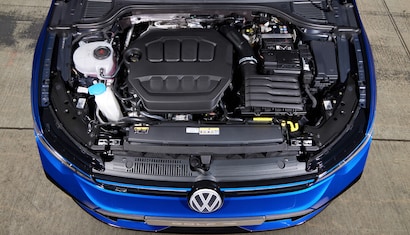
I’ve driven multiple Volkswagen Golf engine options across town and on highways. Here’s what stood out:
- The 1.5 TSI felt lively and frugal for daily driving. It rarely surprised me and felt smooth at low speeds.
- A mild-hybrid eTSI model saved fuel in stop-and-go traffic with no extra fuss.
- The Golf R showed why a compact hot hatch makes sense for someone who wants fun without a big car penalty.
Mistakes I learned to avoid:
- Don’t buy a diesel if most trips are short and local. DPF issues add expense.
- Don’t expect plug-in hybrids to save fuel if you never charge them.
- Don’t skip a test drive with cargo and passengers. Load affects engine feel and gear choices.
These lessons come from hands-on testing and owner feedback. They help match Volkswagen Golf engine options to real-life needs.

Frequently Asked Questions of What engine options are available in the Volkswagen Golf?
What petrol engines are common in the Golf?
Most recent Golfs use turbocharged 1.0 TSI and 1.5 TSI petrol engines, with a 2.0 TSI for performance variants. These provide a mix of efficiency and power for everyday driving.
Are diesel engines still available for the Golf?
Diesel engines like 1.6 TDI and 2.0 TDI have been available, mainly for long-distance driving. Availability depends on region and model year due to emissions rules.
What is a mild-hybrid in the Volkswagen Golf lineup?
A mild-hybrid uses a small 48V battery and electric motor to assist the petrol engine, improving fuel economy and smoothing start-stop function. It does not allow long electric-only driving.
How far can a Golf plug-in hybrid drive on electric power?
Golf plug-in hybrids typically offer electric ranges suited for short commutes, often in the tens of kilometers under WLTP tests. Real range depends on driving style, battery size, and climate.
Which Golf engine is best for city driving?
A mild-hybrid petrol or a plug-in hybrid that you can charge regularly is best for city driving, as they reduce fuel use in stop-and-go traffic. Small turbo petrols also handle city use well.
Conclusion
You can pick from a wide set of Volkswagen Golf engine options to match fuel economy, performance, and driving habits. Petrol units suit simple daily use, diesels favor long distances, mild-hybrids add small efficiency gains, plug-in hybrids cut fuel for short trips, and performance models deliver excitement. Use a test drive, check service history, and think about real daily miles before choosing. If you want help narrowing choices for your commute or budget, comment below or subscribe for updates and buying guides.