If you've got a Subaru Outback brake problem, you already know how unsettling it is. The pedal goes soft. The wheel shakes.
A burning smell lingers after a short drive. These symptoms demand attention, but they aren't all catastrophic.

49% off Today's Exclusive Deals
Limited-time Exclusive Deals. Check current discount on Amazon.
Check Price on Amazon As an Amazon Associate I earn from qualifying purchases.That's because the Outback's brake system works harder than most. It's a heavy wagon. The rear calipers stick.
The fluid needs changing roughly every 30,000 miles per the factory maintenance schedule. As of 2026, that maintenance gap is the root cause of most brake complaints in service data and owner reports. Let's walk through what's actually happening under the car.
49% off Today's Exclusive Deals
Limited-time Exclusive Deals. Check current discount on Amazon.
Check Price on Amazon As an Amazon Associate I earn from qualifying purchases.Image source: Bing (Web (fair-use with source credit))
Quick Answer
Subaru Outback brake problems usually come from three faults. Rear caliper drag tops the list. Old fluid causes corrosion and a soft pedal.
A failing master cylinder makes the pedal sink. If the pedal sinks to the floor, have the car towed.
Why Your Subaru Outback Brakes Feel Off
Brake problems in the Outback rarely show up as one dramatic failure. They creep up. You notice the car pulls left when you stop.
49% off Today's Exclusive Deals
Limited-time Exclusive Deals. Check current discount on Amazon.
Check Price on Amazon As an Amazon Associate I earn from qualifying purchases.Or the pedal feels like it's pushing through honey. Or a pulse comes through the seat at highway speed.
Here's what's happening under the car. The Outback is heavy. The brakes work hard.
And the rear calipers have a history of sticking. When a rear caliper hangs up, the pads never fully release. That drag creates heat and warps the rotor.
It also grinds the inner pad down to metal while the outer pad still looks healthy.
Symptoms cluster by model year. The 2010 to 2014 generation deals with master cylinder issues that cause a sinking pedal. The 2015 to 2019 models are notorious for rear brake drag and early rear pad wear.
The 2020 and newer Outbacks use an electronic parking brake. A soft pedal often shows up after a brake job because the rear calipers weren't reset properly.
| Symptom | Likely cause |
|---|---|
| Pedal sinks slowly to the floor | Failed master cylinder |
| Shudder while braking | Warped front rotors |
| Burning smell after parking | Stuck rear caliper |
| Metal scrape while rolling | Worn pads or rusted rotor |
None of this is unique to Subaru. But the way these faults interact on the Outback is its own thing. If the pedal ever hits the floor with no warning, stop driving and figure out what to do next.
The Outback-Specific Brake Faults That Matter Most
Subaru's engineers built a capable brake system for the Outback. But a few faults keep appearing in owner complaints and service records.
Rear brake drag is the big one. On 2015 to 2019 models, the rear caliper slide pins corrode or lose grease. The pads stay pressed against the rotor even when you're off the pedal.
You'll smell hot brakes after a drive. The car also resists rolling when you push it in the driveway.
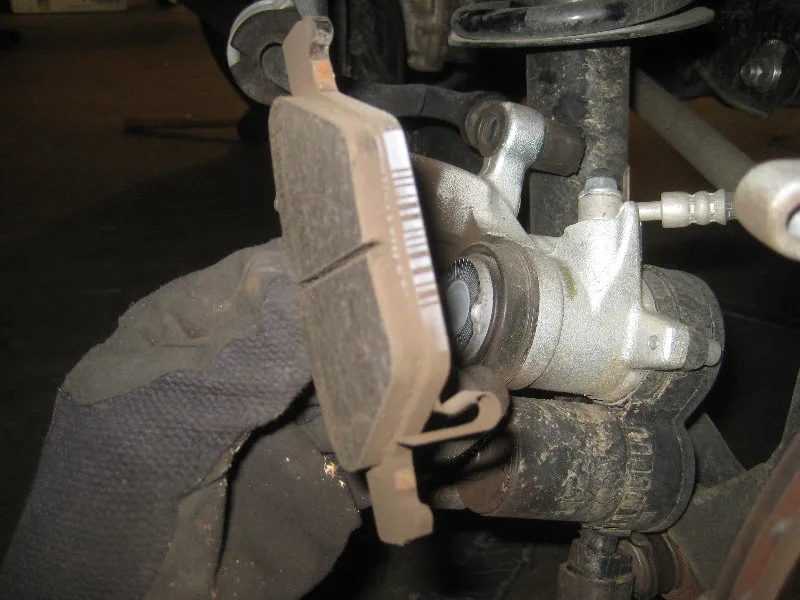
Image source: Bing (Web (fair-use with source credit))
The electronic parking brake is the second culprit on 2020 and newer cars. The actuator motor can seize, locking the rear caliper. The chime sounds, the brake light flashes, and the rear pad wears out fast.
Per NHTSA complaint data, rear brake issues show up disproportionately in Outback filings compared with the rest of the Subaru lineup. As of 2026, that pattern holds.
Corroded brake lines are the quieter problem. Steel lines rust from the outside in, especially in snow-belt states. A pinhole leak gives you a soft pedal that worsens over time without leaving a visible puddle.
One thread ties them together. Old DOT 3 brake fluid absorbs moisture, and moisture attacks everything downstream. Skip a few flushes, and you're gambling on calipers, lines, and the ABS pump.
If you hear the unmistakable scrape of metal, the pads are already past the warning indicator. That's a grinding brakes situation you shouldn't ignore.
How to Diagnose a Soft, Dragging, or Noisy Brake Pedal
Before you order any parts, run a three-step check. It takes twenty minutes and needs no special tools.
Start with the fluid. Park on level ground and open the reservoir. If the level sits below MIN, you either have a leak or heavily worn pads. If the fluid looks dark or smells burnt, it's overdue for a flush.
Next, test the pedal with the engine off. Pump it several times until it firms up, then hold steady pressure. If it sinks slowly toward the floor, the master cylinder is leaking internally. If it holds firm, move on.
Then drive and listen. A squeal only during braking means the wear indicators are touching the rotor. A constant scrape means the pads are gone entirely. Catching it early means fixing squeaky pads instead of replacing rotors. Much cheaper.
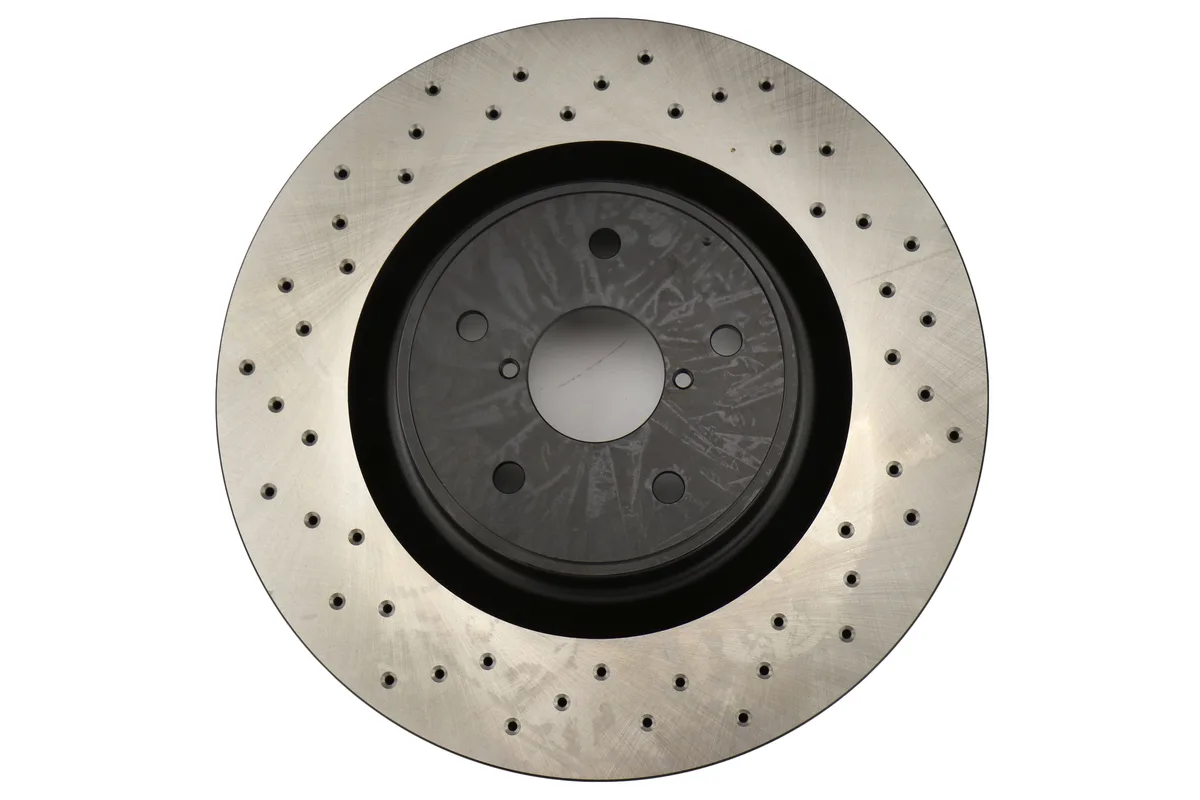
Image source: Bing (Web (fair-use with source credit))
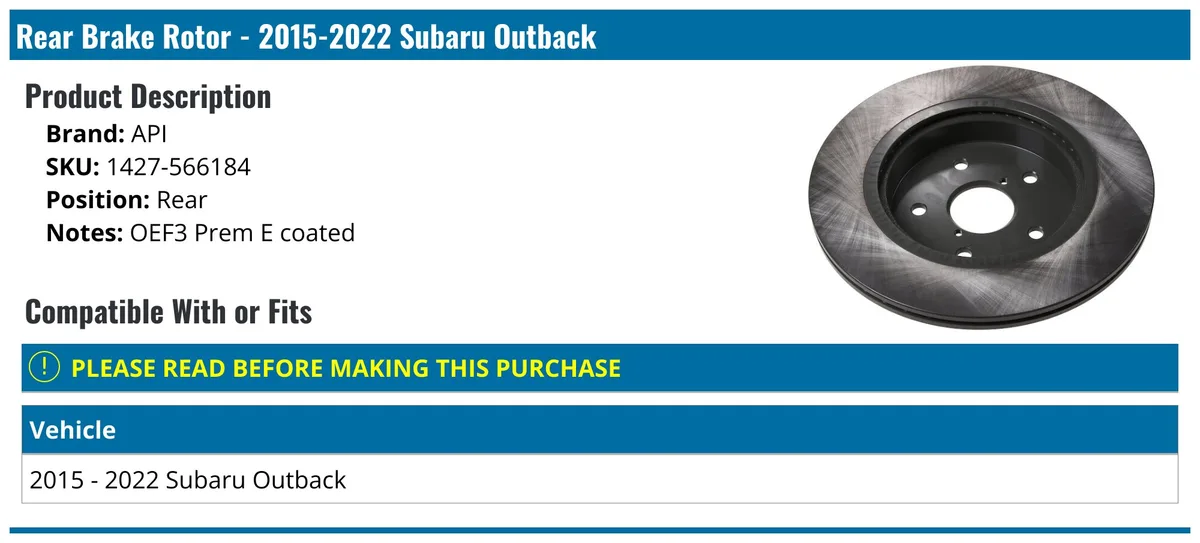
If the car pulls to one side while braking, check the caliper pins on the opposite side. A seized pin leaves one pad doing all the clamping work. The rotor pictured above shows the scoring pattern that comes from metal-on-metal contact.
Use a micrometer to measure rotor thickness. If it's below the minimum stamped on the hub, replacement is the only safe option.
Plain diagnostic logic: old fluid means flush it, a stuck caliper means rebuild it, a thin rotor means swap it. One bad part can create symptoms that feel like three different problems. Verify each one before spending money.
What Repairs Actually Cost (And What to Skip)
Prices change by region, but here's what typical independent shops charge in the U.S. as of 2026. These are mid-range estimates for parts and labor combined.
| Service | Shop cost | DIY cost |
|---|---|---|
| Pads, all four wheels | $200-$350 | $80-$140 |
| Pads and rotors, all four | $600-$1,000 | $250-$400 |
| Rear caliper replacement | $400-$600 | $150-$250 |
| Brake fluid flush | $100-$180 | $25-$45 |
| Master cylinder | $350-$600 | $120-$220 |
Now the skip list.
Skip machining rotors that are already near minimum thickness. Turning a thin rotor leaves a part that warps again within months. It's wasted labor.
Skip no-name budget pads. They stop okay when cold but fade on long descents and wear rotors faster. Ceramic pads cost a little more and hold up better for daily driving.
Skip reusing old brake fluid. A flush costs less than a single caliper. If the fluid is dark and thin, it's not protecting the system.
And don't overlook the simple stuff. A faulty brake light circuit can lock out the shift interlock and confuse the ABS module on some Outback trims. Check the basics before throwing money at big parts.
Brake Job Mistakes That Ruin a Safe Fix
Most brake jobs fail because of process errors, not bad parts. Here's where DIYers trip up the most.
Not retracting the electronic parking brake. On 2020 and newer Outbacks, you can't push the rear caliper piston back with a C-clamp. You need a scan tool to retract the electric motor. Force it, and you'll strip an internal gear and buy a new caliper.
Skipping the bedding-in procedure. New pads and rotors need heat cycles to transfer pad material evenly. Skip it, and you'll get squeal and shudder within the first hundred miles. Follow the pad maker's process.
Ignoring hub rust. If the rotor doesn't sit flat on the hub face, it wobbles. Even new parts will pulse through the pedal. Clean the hub to bare metal first.
Over-torquing lug nuts. An impact wrench can easily smash past 120 ft-lb. That force bends the rotor around the studs. Torque to 88 ft-lb in a star pattern.
Letting the reservoir run dry while bleeding. Air gets into the ABS pump, and clearing it needs a scan tool. That's a shop visit. Watch the fluid level constantly.
Reusing old caliper bolts. They stretch with heat. New ones cost a few dollars.
If the pedal goes soft again after a fix, there's still air in the system or the master cylinder is bypassing internally. Don't hope it improves. A soft pedal that returns is your cue to stop driving and get a proper diagnosis.
Keeping Your Outback's Braking System Reliable Long-Term
The cheapest brake repair is the one you prevent. Regular maintenance and a few good habits keep the Outback stopping predictably.
- Flush the brake fluid every 30,000 miles or three years. That's the factory spec. Old DOT 3 fluid absorbs moisture, and moisture attacks calipers from the inside.
- Lubricate the caliper slide pins every time you change pads. A little high-temp grease prevents the rear drag that plagues 2015 to 2019 models.
- Clean the hub faces when you install rotors. Rust and debris under the rotor cause wobble, and you'll feel it as pedal pulse.
- Use engine braking on long descents. Let the transmission hold the car back instead of riding the brake pedal.
- Inspect the rubber brake hoses once a year. A bulging hose can trap fluid and hold a caliper engaged, especially in salt-belt regions.
One more habit pays off. Don't ignore the brake warning light. It doesn't always mean the parking brake is on.
A wiring problem in the brake light circuit can trigger it and confuse the ABS module. Early catches are cheap fixes.
Quick Answers to Common Outback Brake Questions
Why is my brake pedal soft after a pad replacement?
Air usually got into the lines during the bleed. On 2020 and newer Outbacks, you also need to retract the electronic parking brake with a scan tool. If the pedal stays soft after re-bleeding, the master cylinder may be failing internally.
Can a stuck rear caliper damage other parts?
Yes. The constant drag overheats the rotor and pads. The inner pad can wear down to metal and score the rotor.
In severe cases, heat boils the brake fluid and turns the pedal soft. Fix a dragging caliper as soon as you smell burning brakes.
What brake fluid does an Outback use?
DOT 3 is the factory spec, per the owner's manual. You can use DOT 4 as an upgrade because it has a higher boiling point. Just flush the old fluid completely first.
Never use DOT 5 silicone fluid. It won't mix and can damage the ABS module.
Is it safe to drive with the brake warning light on?
Only if the pedal feels completely normal. The light can mean low fluid, worn pads, or a failing ABS sensor. If the pedal is firm and the car stops straight, drive to a mechanic.
If there's any softness or the light flashes, tow it.
The Bottom Line: When to Drive It and When to Tow It
| Symptom you're feeling | Right move |
|---|---|
| Minor squeak, normal pedal | Drive to a shop |
| Vibration under braking | Drive cautiously to a shop |
| Grinding, burning smell, or pulling | Slow drive to a shop |
| Pedal sinks to the floor | Tow it, don't drive |
| Smoke from one wheel | Tow it, don't drive |
That table is the quick mental check you need. Brake faults on the Outback are fixable and usually come from known failure points like rear caliper drag or old fluid.
Brakes are the one system where a botched repair can get dangerous. If you have any doubt about what you're seeing under the car, stop guessing and get a professional involved. A tow bill beats a crash every single time.