Your Jeep Wrangler engine stalling at a stoplight is enough to make you lose trust in the rig. It dies without warning, sometimes for days, then comes back. Most stalls aren't random.
They follow clear patterns, and each pattern points to a specific cause.

49% off Today's Exclusive Deals
Limited-time Exclusive Deals. Check current discount on Amazon.
Check Price on Amazon As an Amazon Associate I earn from qualifying purchases.Per SAE International standards, OBD-II stall faults split into air, fuel, ignition, and computer control. For Wranglers, the computer control side leads, and the throttle body and crankshaft position sensor are the usual suspects. Wiring matters just as much.
Here's how to match your symptom to the fix.
Jeep Wrangler Engine Stalling
49% off Today's Exclusive Deals
Limited-time Exclusive Deals. Check current discount on Amazon.
Check Price on Amazon As an Amazon Associate I earn from qualifying purchases.Image source: Bing (Web (fair-use with source credit))
Quick Answer
The usual culprits are a dirty throttle body, weak battery, or stuck purge valve. Scan codes first. Check battery voltage.
Clean the throttle body before replacing parts. Crank sensor failure usually sets a code.
When Your Wrangler Dies: Spot the Pattern Before You Throw Parts at It
A Wrangler stall isn't one problem. It's a family of problems. Owners often replace fuel pumps, ignition coils, and engine computers, only to find they were chasing the wrong symptom.
49% off Today's Exclusive Deals
Limited-time Exclusive Deals. Check current discount on Amazon.
Check Price on Amazon As an Amazon Associate I earn from qualifying purchases.The engine code points in a direction, not at a specific part.
The pattern is everything. Cold stalls point to sensors, battery voltage, or the stop-start system. Warm stalls at idle point to the throttle body or EVAP purge valve.
Stalls after a fuel fill point to the EVAP system. Off-road stalls after water or mud point to electrical harness damage.
Start with free checks before buying anything. Confirm the battery terminals are tight and clean. Inspect the engine ground strap where it bolts to the chassis.
Check the air filter for obvious blockage. These steps take minutes, exactly like ruling out a sudden braking system fault before rebuilding the calipers.
If your Wrangler has a manual transmission, also rule out clutch engagement problems. A worn clutch can stall the engine at launch even when everything else runs fine. Add that to your initial assessment and you avoid an entire branch of unnecessary sensor testing.
The Stalling Decision Tree: Match Your Situation to the Likely Culprit
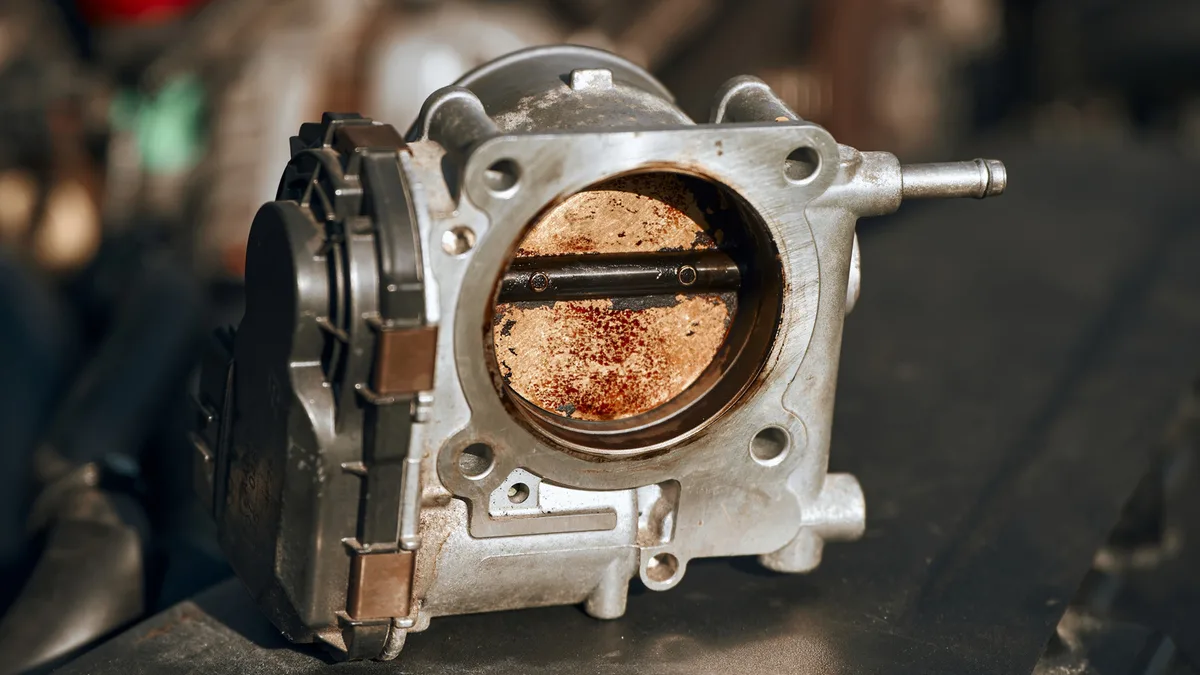
Image source: Bing (Web (fair-use with source credit))
Each branch below matches a stall scenario to the component most likely to cause it. Use the branch that fits your situation.
Stall at a Stop Sign, Engine Warm
Warm stalls at idle usually trace to the throttle body or EVAP purge valve. The engine computer loses control of the idle air path. RPM drops below the stall threshold when you take your foot off the gas.
Clean the throttle body first. If the stall continues, smoke-test the purge valve or watch fuel trims on a scan tool.
Stall on Cold Start or in Winter
Cold weather stalls on late-model Wranglers are often battery voltage issues. The stop-start system needs strong voltage to manage the restart. Low voltage confuses the engine computer's idle strategy.
Check battery voltage with the engine off. Below 12.4 volts means charge and retest. Also inspect the ground point near the battery tray for corrosion.
Stall Right After Refueling
This is the classic EVAP purge valve failure. A valve stuck open sprays fuel vapor into the intake when you restart. The mixture goes rich and the engine dies in the parking lot.
Tighten the gas cap and restart. If it stalls again, unplug the purge valve harness. A stable idle confirms the valve is at fault.
Stall Under Load, Off-Road, or After Water Crossing
Trail stalling after water or mud is almost always electrical. The crankshaft position sensor, its harness, or the engine ground strap gets wet or corroded. The computer gets a weak signal and kills the engine.
Inspect the connectors near the bellhousing for orange wire corrosion. Dry them, apply dielectric grease, and recheck. If the harness chafes against the transmission, that's your smoking gun.
Stall That Comes and Goes with No Code
Intermittent no-code stalls are the toughest to solve. Start with loose battery terminals, a failing ignition switch, or a chafed engine harness.
Tighten the terminals. Wiggle the ignition key while the engine idles. Inspect the harness where it crosses the firewall.
Drive with a scan tool connected and watch for voltage sag right before the engine dies.
Your Diagnostic Workflow: Scan, Test, Verify, Fix
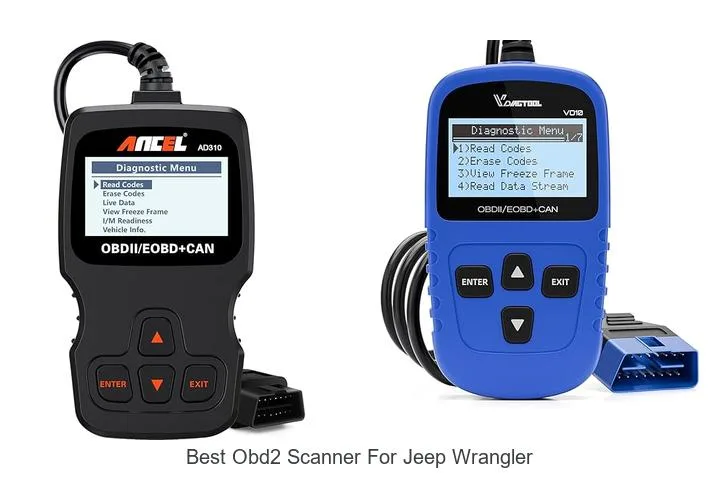
Image source: Bing (Web (fair-use with source credit))
A structured four-step workflow catches most Wrangler stalls. Work through it in order and you'll avoid the parts-chucking trap.
Step 1: Scan for trouble codes. Connect an OBD-II scanner to the port under the dash. Record every code, including pending codes. Pending codes often expose the first sensor to fail.
Step 2: Monitor live data. Watch RPM, throttle position, and battery voltage as the engine idles. A gradually falling RPM points to throttle air starvation. A sudden hard cut points to the crank sensor or a wiring fault.
Step 3: Test fuel pressure. Hook a gauge to the fuel rail. Modern returnless systems hold about 55 to 60 psi with the engine running. A reading that drops quickly after shutdown points to the pump check valve or a leaky injector.
Step 4: Verify the repair. Clear the codes. Warm the engine fully. Drive with repeated stop-and-go.
If it survives a full heat cycle without stalling, the problem is solved. For intermittent no-code stalls, repeat the drive cycle several times before calling it done.
| Step | Action | What It Rules Out |
|---|---|---|
| 1 | Scan for codes | Sensor faults, EVAP faults |
| 2 | Live data watch | Throttle body, crank sensor, wiring |
| 3 | Fuel pressure test | Fuel pump, regulator, injector leaks |
| 4 | Road test | Confirms the fix, catches intermittent faults |
Treat this workflow like an oil leak diagnosis: isolate the system, verify the failure, then confirm the repair. Jumping ahead skips evidence and usually leads to buying parts you don't need.
Common Wrangler Stall Mistakes That Waste Time and Money
The biggest mistake is parts-chucking. Owners throw in a new crank sensor, then a throttle body, then a fuel pump, without diagnosing anything. A P0335 code could mean a dead sensor, a corroded connector, or a chafed wire in the harness.
Replace the sensor first, but if the code returns, inspect the wiring before buying another one.
Ignoring battery health is mistake number two. A weak battery, especially on JL models with stop-start, creates bizarre stalling symptoms. The engine dies at stoplights, the dash goes dark, and the restart never comes.
Test the battery first. Cold cranking amps below spec mean replacement, not a new sensor.
Skipping the TSB search is third. As of 2026, Stellantis has issued multiple software updates for Wrangler stall complaints across the JK and JL generations. A quick search of the NHTSA recall database tells you whether your model year has an official fix.
That search takes five minutes and saves hours.
Fourth, don't confuse stop-start operation with a real stall. On late-model Wranglers, the ESS system shuts the engine off when you stop and restarts it when you lift off the brake. That's normal behavior.
A genuine stall drops RPM to zero and throws a warning message.
Finally, keep the symptom pattern in mind. A stall that only happens warm is different from one that happens right after a cold start. Misread the pattern and you'll fix the wrong system, like chasing a soft clutch pedal issue when the real problem lives elsewhere.
DIY Fixes vs. Dealer Work: Know Your Limit
Some Wrangler stall fixes are firmly in DIY territory. Cleaning the throttle body costs around $15 and takes about 20 minutes. Replacing a crankshaft sensor runs $60 to $120 for the part and is a driveway job on most models.
A fuel pressure test gauge costs about $40. These are safe jobs for anyone comfortable with hand tools. Other fixes demand a dealer or professional shop.
If the stall comes from a PCM software bug, a Stellantis dealer needs to reflash the computer. That's often covered under the emissions warranty when the stall relates to fuel or engine management. A corroded engine harness also calls for someone with wiring diagrams and a factory scan tool.
Know your limit. If you've worked through the four-step diagnostic workflow and still can't find the fault, hand it off. A professional's bi-directional scanner can command the throttle, actuate the purge valve, and capture waveform data a basic reader can't.
- Simple DIY jobs: Throttle body cleaning, MAF sensor cleaning, battery replacement, ground strap replacement.
- Intermediate DIY jobs: Crank sensor, cam sensor, purge valve, fuel pressure regulator.
- Dealer or pro recommended: PCM reflash, software updates, engine harness repair, active recall work.
If your Wrangler also has shifting issues or trouble staying in gear, treat those separately from the stall. Repair one system at a time. Verify the fix.
Then move on.
Wrangler Stalling FAQs
Why does my Wrangler stall when I stop at a light?
A dirty throttle body is the most common cause, especially on JK and JL models. A stuck EVAP purge valve can also flood the intake at idle. Clean the throttle body first.
If the idle still drops, test the purge valve.
Why does my Jeep stall right after I fill the gas tank?
That's a textbook EVAP purge valve failure. The valve sticks open and lets fuel vapor pour into the intake. The mixture goes rich and the engine dies.
Unplug the valve harness and restart. If it idles fine, the valve is the culprit.
Can a weak battery cause my Wrangler to stall?
Yes, particularly on JL models with stop-start. Low voltage confuses the engine computer's idle strategy. Test the battery with the engine off.
Below 12.4 volts means charge and retest. A failing ESS battery is a common trigger.
Why does my Wrangler stall after water or mud?
Water in electrical connectors, especially the crankshaft sensor harness, causes intermittent stalls. Inspect the connectors near the bellhousing for orange corrosion. Dry them and apply dielectric grease.
Also check for wiring chafe against the transmission.
Why does my Wrangler stall with no check engine light?
Intermittent faults often don't set a code. The usual triggers are loose battery terminals, a failing ignition switch, or a chafed harness. Start by tightening the terminals and wiggling the key while idling.
A heat-soaked sensor can also fail silently.
Final Verdict: Your Decision Guide to a Stall-Free Wrangler
| Symptom Pattern | Likely Culprit | First Move |
|---|---|---|
| Warm stall at stop sign | Throttle body or EVAP purge valve | Clean the throttle body |
| Cold stall in winter | Weak battery or ground corrosion | Test battery voltage |
| Stall after refueling | EVAP purge valve stuck open | Unplug and test the valve |
| Off-road stall after water | Crank sensor harness or ground strap | Dry connectors, inspect wiring |
| No-code intermittent stall | Loose terminal or ignition switch | Tighten terminals, wiggle key |
Most Wrangler stalls trace back to one of these five patterns. Work through the diagnostic steps in order, and you'll fix it without emptying your wallet. Keep that scan tool handy.
Trust the pattern.