Few things ruin a cold morning like climbing into a Jeep Wrangler with a heater that blows nothing but icy air. If you've ever typed "Jeep Wrangler heater not working" into a search bar, you already know the frustration. The good news is that most causes are straightforward, and many are cheap to fix.
Our research shows the usual culprits come down to low coolant, a stuck blend door actuator, or a failing blower motor resistor.

49% off Today's Exclusive Deals
Limited-time Exclusive Deals. Check current discount on Amazon.
Check Price on Amazon As an Amazon Associate I earn from qualifying purchases.Manufacturer specifications for the Wrangler's 3.6L Pentastar engine call for a coolant mix that keeps the cooling system between roughly 195°F and 220°F. If your engine never reaches that range, the heater core can't warm the cabin. Before we dig into fixes, let's sort out which of three main symptom buckets you're dealing with.
Quick Answer
If your Jeep Wrangler heater is blowing cold, check the coolant level first. Low coolant is the most common cause. Park on level ground with a cool engine.
Inspect the reservoir and top off with a 50/50 mix. If heat still fails, test the blend door actuator and blower motor.
49% off Today's Exclusive Deals
Limited-time Exclusive Deals. Check current discount on Amazon.
Check Price on Amazon As an Amazon Associate I earn from qualifying purchases.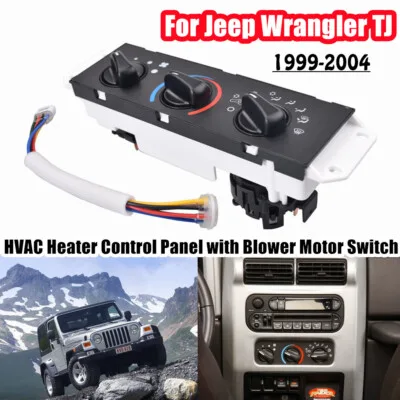
Image source: Bing (Web (fair-use with source credit))
Is It Cold, Weak, or Nothing at All?
Before you touch a wrench, answer one question: what exactly is the heater doing wrong? That single answer narrows down the diagnosis more than any code scanner. Let's look at the three most common scenarios.
Bucket 1: It blows cold all the time. If air comes out with force but stays cold, the blower motor is fine. Your problem lives in the coolant loop or the blend door. The blend door routes air over the heater core.
49% off Today's Exclusive Deals
Limited-time Exclusive Deals. Check current discount on Amazon.
Check Price on Amazon As an Amazon Associate I earn from qualifying purchases.A stuck blend door sends cold outside air past it, even when the engine is warm. Low coolant is another top culprit, because the core can't heat air without hot liquid flowing through it.
Bucket 2: Heat is weak or lukewarm. This usually means the heater core is partially clogged or the coolant level is low. It could also be a stuck-open thermostat. Technicians call this the "halfway warm" failure, and it's common on Wranglers with higher mileage.
Years of skipping coolant flushes leave scale deposits that block the core. A quick check of the reservoir and heater hose temperatures tells you which component is underperforming.
Bucket 3: Heat comes and goes, or only works on one side. That's almost always the blend door actuator. This small electric motor swings the blend door when you move the temperature knob. When it wears out, you'll hear a rapid clicking sound behind the dash.
You might also notice one vent blows warm while another blows cold. On automatic climate control models, that shows up as a mismatch between the set temperature and what the vents actually deliver.
As of 2026, blend door actuator failures top the list of Wrangler HVAC repairs. If you're new to heater systems, it's worth reviewing basic heater troubleshooting first. For now, remember these three buckets.
They map directly to the components we're about to explain.
The Anatomy of a Jeep Wrangler Heater
Understanding the heater starts with one idea: warmth in the cabin is stolen heat from the engine. The engine produces hot coolant. That coolant travels to the heater core, a small radiator mounted behind your dashboard.
A fan, called the blower motor, pushes cabin air across that core. The heated air then flows through the vents.
The heater core. It looks like a miniature radiator with a row of fins and tubes. When hot coolant flows through it, the metal heats up and warms the passing air. If the core gets clogged, airflow drops and heat gets weak.
If it leaks, you'll smell coolant inside the cabin. The coolant can even soak the passenger floor mat.
The blend door and actuator. This is the most likely failure point on a Wrangler. The blend door is a plastic flap inside the HVAC box. It decides how much air passes over the heater core versus how much bypasses it.
The actuator is the small electric motor that moves that flap. On JK and JL models, these actuators are known to strip their internal gears. That clicking sound you hear is the motor spinning against a worn gear.
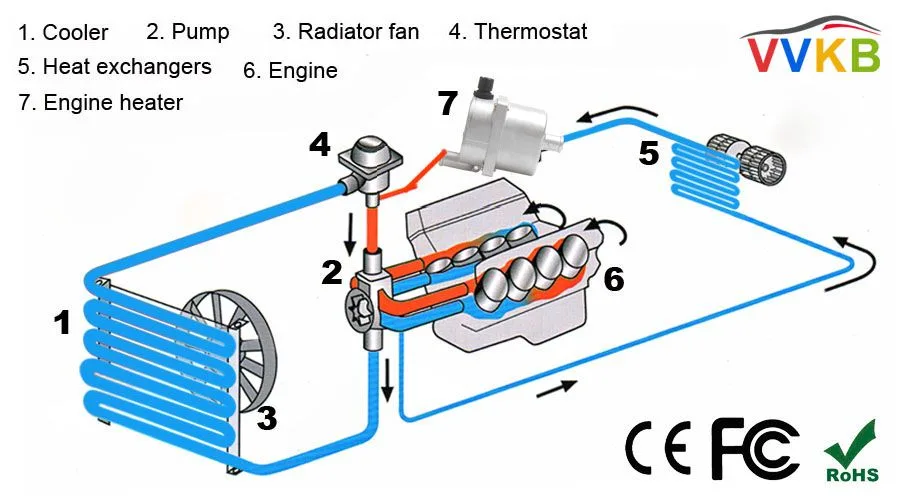
Image source: Bing (Web (fair-use with source credit))
The blower motor and resistor. The blower motor spins the fan. The resistor, or a control module on newer models, sets its speed. If you only get heat on high, the resistor is the usual suspect.
If you get no air at all, check the motor itself. A seized motor can also blow the fuse that protects the circuit. The wiring layout mirrors other cars, so common fan problems apply here too.
The thermostat. The thermostat regulates coolant temperature. If it sticks open, the engine runs cooler than normal. That means the engine never reaches the 195°F to 220°F range, so the heater core stays lukewarm.
Watch your temperature gauge. If it sits below the normal mark, the thermostat deserves attention.
The coolant loop connects all of these parts. Heater hoses feed hot coolant to the core, and the core returns it to the engine. That's why low coolant causes no heat.
It's also why a proper bleed after repairs matters so much. If you spot a puddle under the front of the Wrangler, check for coolant leaks before anything else.
Diagnose Your Wrangler's Heater in 5 Steps
Work through these five checks in order. Each one rules out a whole branch of the heater system. You'll need a flashlight, a pair of gloves, and about ten minutes.
Step 1: Check the coolant level. Park on level ground. Wait until the engine is completely cold, then open the hood. Look at the coolant reservoir.
If it's near the minimum line, top it off with a 50/50 mix of antifreeze and distilled water. Low coolant means the heater core can't get the hot liquid it needs. This single check fixes a surprising number of Wrangler heater complaints.
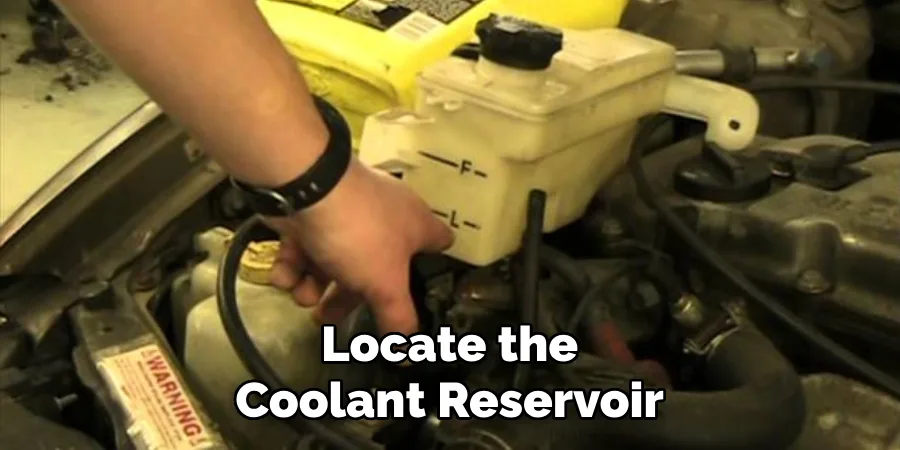
Image source: Bing (Web (fair-use with source credit))
Step 2: Feel the heater hoses. Find the two heater hoses that run into the firewall. With the engine warm and the heater set to max, both hoses should feel hot. If one is hot and the other is lukewarm, the heater core is likely clogged.
If both are cold, the thermostat may be stuck open, or the coolant isn't circulating.
Step 3: Test all blower speeds. Turn the fan from low to high. If you get heat on high but nothing on lower speeds, the blower motor resistor is failing. If the fan doesn't run at all, check the fuse first, then inspect the blower motor itself.
A seized motor can also blow that same fuse. No airflow means no heat, no matter how hot the core gets.
Step 4: Listen for the blend door actuator. Turn the ignition on without starting the engine. Set the temperature to hot, then cold, then hot again. If you hear rapid clicking under the dash, the actuator has stripped gears.
That clicking is the door trying to move and failing. On some Wranglers, you can watch the door move through the small gap around the dash.
Step 5: Scan for trouble codes. A basic OBD-II scanner can pull HVAC codes on JL models. Look for codes tied to the blend door actuator or cabin temperature sensor. On older TJ and JK Wranglers, the scanner may not show these, so rely on physical symptoms instead.
If you reach the end of these steps without a clear culprit, the next section walks through the mistakes that send owners in the wrong direction.
What Most Wrangler Owners Get Wrong
Most DIY Wrangler owners don't fail because they skip work. They fail because they chase the wrong part. Here are the most common missteps we see in repair logs and owner forums.
Mistake 1: Replacing the thermostat before checking coolant. A cold engine and no heat make it seem like the thermostat is stuck open. In reality, low coolant triggers the exact same symptom. Checking the reservoir takes thirty seconds.
A thermostat swap takes hours. Always rule out coolant first.
Mistake 2: Skipping the coolant bleed. After any coolant loss, air can get trapped in the heater core. That air pocket blocks liquid from flowing, so the core stays cold even though the system is full. Wranglers have a known burping procedure.
If you skip it, you'll think you replaced the heater core for nothing. The factory service manual specifies a bleed screw or an air-lift method depending on the model year.
Mistake 3: Ignoring the sweet smell. A syrupy smell from the vents means coolant is leaking inside the cabin. That usually means the heater core itself is failing. Some owners keep topping off coolant and drive for months.
That's risky, because a coolant leak can soak your carpets and create a slip hazard. If the core is leaking enough to fog the windshield with a greasy film, it needs replacement. Per EPA guidelines, never dump old coolant down a drain or into the street.
Antifreeze is toxic to pets and wildlife, so take the old fluid to a local hazardous waste collection point.
Mistake 4: Blaming the actuator when the door is broken. The clicking actuator is easy to diagnose, but sometimes the plastic blend door has snapped off its hinge. Replacing the actuator without checking the door does nothing. You'll hear the click return because the new motor spins against a broken flap.
It's a shared part with your AC, so the same failure shows up when the vents are blowing warm in summer.
Mistake 5: Replacing parts before checking the fuse. A dead blower motor could be a burnt fuse. It's a two-dollar part. Spend ten minutes with the owner's manual and a test light before buying a motor.
What It Costs to Fix
If you're past the simple fixes, you're probably wondering about the bill. Prices vary by region and shop, but these figures reflect average data from repair databases and parts suppliers as of 2026.
| Component | Part Cost | Shop Labor | Total Range |
|---|---|---|---|
| Blend door actuator | $40-$80 | $60-$120 | $150-$400 |
| Blower motor resistor | $25-$50 | $50-$80 | $75-$150 |
| Thermostat | $20-$40 | $80-$150 | $120-$250 |
| Heater core | $60-$120 | $600-$1,200 | $800-$1,800 |
| Coolant flush | $20 (fluid) | $100-$200 | $120-$250 |
The blend door actuator is the most common repair, and it's usually affordable if you watch a couple of videos. It requires removing the lower dash panel, but many owners finish it in an afternoon. The actuator also controls AC airflow, so the same blend door design affects both hot and cold air.
If your heat works but the AC doesn't, the actuator might still be the issue.
The heater core is where the bill explodes. On a Wrangler, reaching the core means pulling most of the dashboard. That's six to ten hours of labor at shop rates.
Some owners skip it by cutting a service hole behind the glovebox, but that comes with risks. If you cut into the HVAC box without careful sealing, you'll lose airflow.
If you're handy, the DIY savings are significant. The parts aren't the expensive part. Labor is.
A dedicated owner might spend $80 and six hours on a heater core replacement. A shop will quote you closer to $1,500.
One note on the thermostat: it's not always the whole story. A stuck-open thermostat on a Wrangler often shows up as a heater that never reaches full heat, but it rarely causes the "no air" symptom. Watch the temperature gauge.
If it sits below the 195°F mark on the dash, that's your clue. Cooling fan trouble can also push the gauge outside its normal range. If any repair involves draining the cooling system, plan an extra hour for the bubble bleed.
The factory procedure works, but it's slow.
Wrangler Generation-Specific Quirks to Know
Not all Wranglers fail the same way. The generation changes the blend door setup and the troubleshooting flow.
TJ (1997-2006). Older Wranglers use cable-operated blend doors. There's no actuator motor to fail. The cable pulls a lever directly on the HVAC box.
If the cable slips, the door stays in one position. Check the cable bracket first, since a loose clamp costs nothing to fix.
JK (2007-2018). The JK is when the electric blend door actuator became a known issue. The little motor strips its gears, making a rapid clicking noise behind the glovebox. Blower motor resistors fail often too.
Both are cheap parts, but the actuator sits behind the dash, so you'll spend an hour fishing it out.
JL (2018-Present). The JL uses automatic climate control on most trims. It still has the clicking actuator, but you might also see error codes for actuator position. A cabin air filter behind the glovebox can clog and reduce airflow, making the heater feel weak even when the blend door is fine.
For exact repair steps by generation, the official Mopar owner's site is the best reference.
Frequently Asked Questions
Why does my Wrangler heater only work on one side?
The blend door actuator is the most common cause. Each side of the dash has its own door, or one door gets stuck halfway. The driver side blows hot while the passenger side gets cold.
Replace the actuator. If the clicking started recently, the gear is stripped.
Can a bad thermostat cause a Jeep Wrangler heater to blow cold air?
Yes. If the thermostat sticks open, the engine can't reach normal operating temperature. The heater core needs hot coolant to warm the cabin.
With the coolant stuck at 160°F instead of 195°F or higher, the air stays lukewarm. Watch your temperature gauge. If it sits below normal, replace the thermostat.
Is it safe to drive with a leaking heater core?
Short-term, maybe. Long-term, no. A slow leak means you'll lose coolant, and topping it off is only a stopgap.
A major leak can steam the windows and soak the carpet. If you smell coolant or see a greasy film on the windshield, repair it soon. That means a big labor bill for the core, so plan your budget.
When should I call a mechanic for Wrangler heater problems?
If you've checked the coolant, tested the hoses, ruled out the blower motor and actuator, and still have no heat, it's time. Also call if the job requires dashboard removal. Heater core replacement on a Wrangler is a multi-hour job.
A licensed tech has the tools and the skill to do it safely.
Why does my Jeep heat up then go cold?
You have an intermittent block, not a constant failure. Low coolant sloshing away from the heater core under acceleration is common. Air pockets in the system do the same thing.
Check the coolant level and bleed the system. If the heat drops after a minute at idle, suspect the coolant pump or a partly clogged core.