If you walk out to your car and turn the key, but nothing happens, it’s a frustrating moment. For many people, the first solution is to grab a car battery charger. But can a car battery charger actually start a car? The answer is not as simple as “yes” or “no.” Understanding how battery chargers work, the types of chargers, and the differences between charging and jump starting can help you make the right choice in an emergency. In this guide, you’ll learn exactly what a charger can and can’t do, what methods work best for starting a car with a dead battery, and how to avoid common mistakes that could damage your vehicle or even put you at risk.
How A Car Battery Charger Works
A car battery charger is an electrical device that restores energy to a vehicle’s battery by sending an electric current into it. When your battery is low or dead, a charger can refill it, but the process takes time. Most chargers plug into a wall outlet and connect to your battery with clamps. The charger turns alternating current (AC) from your home into direct current (DC) that your battery can store.

49% off Today's Exclusive Deals
Limited-time Exclusive Deals. Check current discount on Amazon.
Check Price on Amazon As an Amazon Associate I earn from qualifying purchases.It’s important to know that chargers are not all the same. Some deliver a slow, steady current, while others offer a fast charge. The charger’s main job is to bring the battery back to a healthy state, not to give a quick energy boost for an immediate start.
That’s why many people find a charger won’t start their car right away.
A useful point: charging and jump starting are different actions. Charging adds energy to your battery over time. Jump starting uses another battery’s power to turn your engine at that moment. If you only use a charger and your battery is very weak, you may need to wait hours before the car will start.
49% off Today's Exclusive Deals
Limited-time Exclusive Deals. Check current discount on Amazon.
Check Price on Amazon As an Amazon Associate I earn from qualifying purchases.Types Of Car Battery Chargers
Today’s market offers several types of chargers, each with its own strengths and weaknesses. Understanding the differences can help you choose the right tool for your needs.
1. Standard Chargers
These are the most common chargers found in garages. They deliver a steady current, usually between 2 and 10 amps. Standard chargers are good for overnight charging or when you don’t need your car immediately. They are safe for the battery but can take 8 to 24 hours to bring a dead battery back to life, depending on the battery’s size and the charger’s output.
2. Smart Chargers
Smart chargers are designed with built-in electronics that monitor the battery’s condition. They adjust the flow of electricity to avoid overcharging. These chargers can switch from a fast charge to a slow “maintenance” mode automatically. While they can speed up the process, even smart chargers usually take at least an hour or two to provide enough power for starting.
3. Trickle Chargers
A trickle charger sends a very low current—usually 1 to 2 amps—into the battery. It’s perfect for long-term storage, such as for classic cars or motorcycles. However, a trickle charger is not suitable for starting a car quickly. It can take more than 24 hours to recharge a battery fully from flat.
49% off Today's Exclusive Deals
Limited-time Exclusive Deals. Check current discount on Amazon.
Check Price on Amazon As an Amazon Associate I earn from qualifying purchases.4. Fast Chargers/boosters
Some chargers come with a boost or “engine start” feature. These can deliver a high current (often 50 amps or more) for a few seconds. This can help start some cars, but not all. Fast chargers are closer to jump starters in their effect, but they still depend on the battery having at least a little charge and being in good shape.
5. Portable Jump Starters
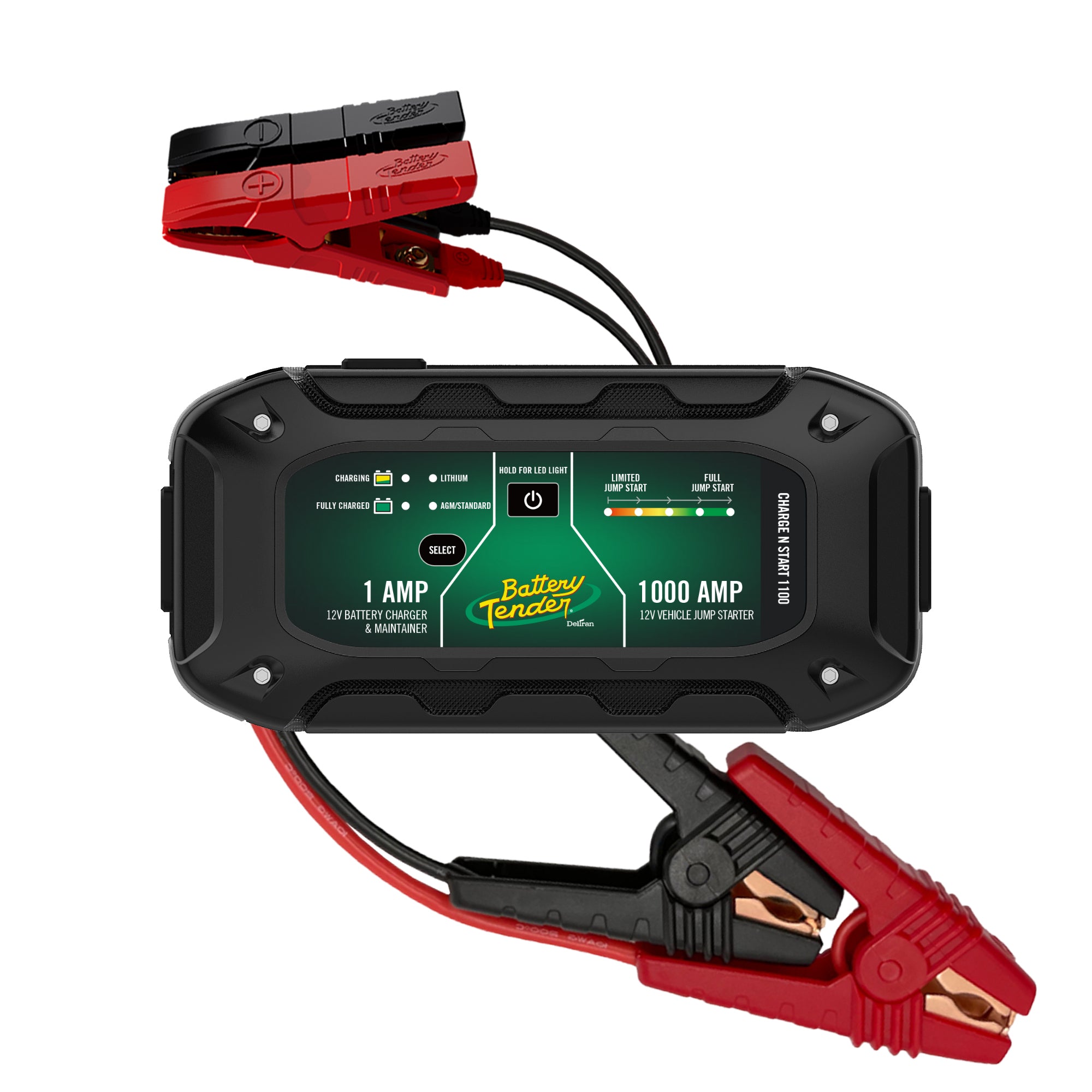
Many people confuse jump starters with chargers. A jump starter is a battery pack, not a charger. It stores energy and can deliver a short, powerful burst to start your engine. Some modern jump starters also include a charging function, but their main purpose is instant starting, not long-term charging.
Charging Vs. Jump Starting: Key Differences
Many car owners mix up charging and jump starting. Here’s what makes them different:
- Charging: Adds energy to your battery slowly. Your car can only start after enough charge is restored.
- Jump Starting: Uses another battery (from a second car or a portable jump pack) to provide a burst of power to start the engine. Once running, the car’s alternator recharges your battery.
Jump starting is immediate. Charging is gradual. That’s why a standard charger can’t usually start a car right away if the battery is very weak or dead.
Can You Start A Car Directly With A Battery Charger?
The short answer: Most car battery chargers cannot start a car instantly if the battery is dead. Here’s why:
- Standard and trickle chargers deliver low current. This is not enough to turn over the engine right away.
- Smart chargers may have a “boost” mode, but this is usually limited.
- Only fast/engine start chargers with high amp output can sometimes start a car directly, and even then, only if the battery is not fully dead or damaged.
If your battery is deeply discharged (below 11 volts), most chargers need at least 15–30 minutes to add enough energy for a start attempt. In many cases, you’ll wait an hour or more. If the battery is completely dead or defective, even the strongest charger won’t help.
Real-world Example: Starting With A Charger
Let’s say your car won’t start on a cold morning. You connect a standard 10-amp charger. After 10 minutes, you turn the key—nothing happens. Why? Because the battery needs much more energy. After an hour, you try again. This time, the engine turns slowly, but might not catch.
Only after several hours will you have enough charge to start easily.
A high-amp “engine start” charger may help sooner, but if your battery is old or sulfated, even this might fail. If you need to drive immediately, a jump start is the better option.
What Really Happens During Charging
A typical car battery holds about 48 amp-hours (Ah). If your battery is empty and you use a 10-amp charger, it takes nearly 5 hours to add 50% charge—enough for a start in many cases. If you use a 2-amp charger, you need over 12 hours for the same result.
Also, batteries charge more slowly when cold or old. Many people think “just plug in the charger and go in 10 minutes,” but that’s rarely realistic unless you’re using a high-output booster and the battery is not badly discharged.
When A Charger Might Start A Car
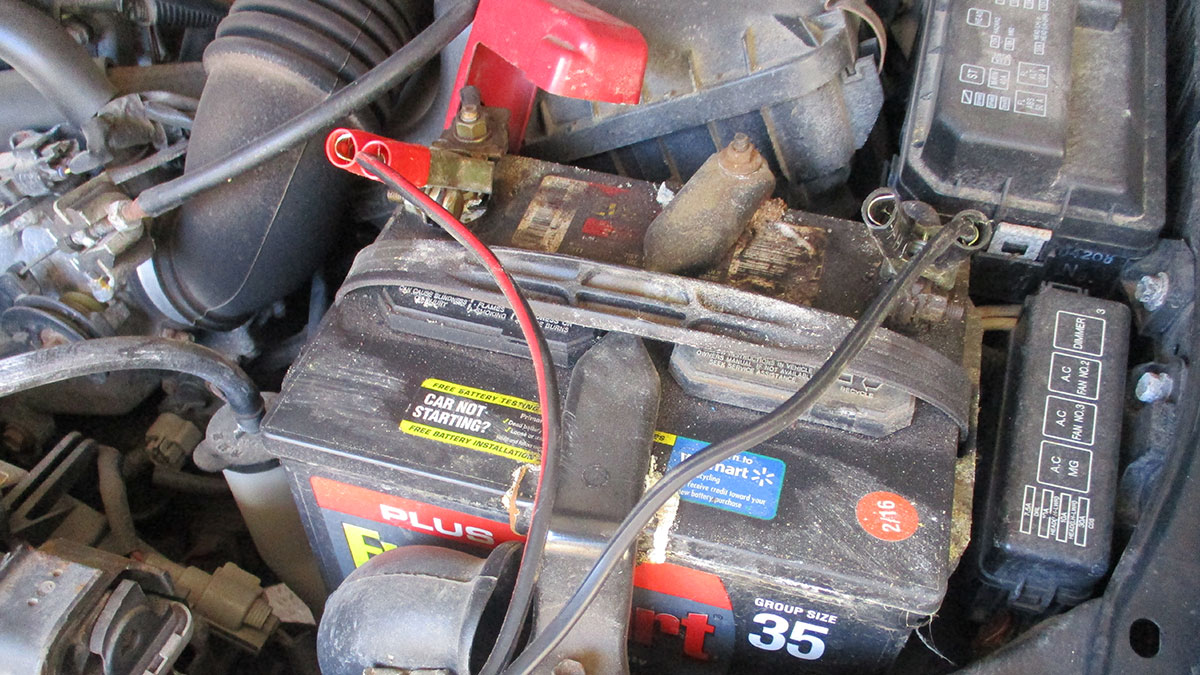
In some cases, a charger can help start a car quickly. Here’s when:
- The battery is weak but not dead: If your battery is just low, connecting a charger for 15–30 minutes may add enough charge to start.
- You use a high-amp “engine start” charger: These can deliver 50–200 amps for a few seconds, which is enough to crank most engines. But they require care—using too much current can damage the battery or electronics.
- The battery is healthy: If your battery is simply drained (for example, you left the lights on), a charger can often restore enough power in a short time.
But remember, if the battery is old, damaged, or deeply discharged, you may need hours of charging or a jump start.
When A Charger Will Not Start A Car
There are several situations when a charger simply won’t work:
- Completely dead battery: If your battery is below 10 volts, many chargers won’t even recognize it. You’ll need a jump start or a special charger with a “recovery” mode.
- Defective battery: If the battery has a bad cell or is sulfated, no charger will bring it back to life.
- Charger not powerful enough: A 2-amp trickle charger will never start your car instantly, no matter how long you wait.
- Cold weather: Batteries charge more slowly in cold temperatures. You may need much longer to get enough power for a start.
Important Safety Tips When Using A Charger
Charging a car battery is usually safe, but there are risks. Follow these safety tips every time:
- Read the manual: Every charger is different. Check the instructions for your model.
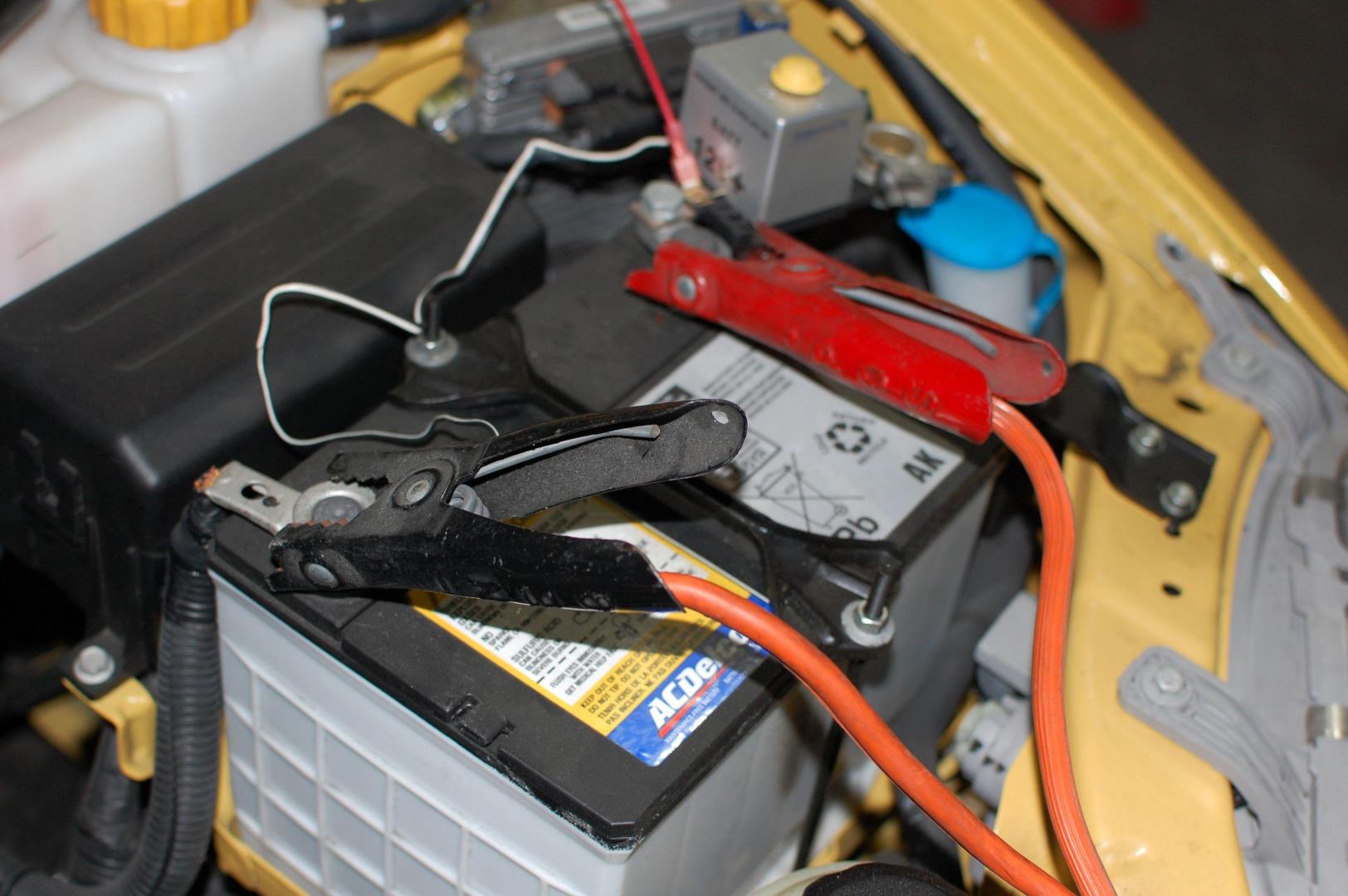
- Connect clamps in the right order: Positive (red) to positive on the battery, negative (black) to ground (a metal part on the car, not the battery’s negative terminal).
- Keep sparks away: Batteries can give off explosive gases. Never smoke or use open flames near the battery.
- Check for damage: Don’t use a charger with frayed wires or cracks.
- Unplug before removing clamps: Prevents sparks.
- Charge in a ventilated area: Avoids buildup of dangerous gases.
- Never overcharge: Some chargers won’t stop automatically—overcharging can damage the battery or cause leaks.
Common Mistakes When Trying To Start A Car With A Charger
Many beginners make the same errors. Here are a few to avoid:
- Expecting instant results: Most chargers need time. If you connect and try to start in 2 minutes, you’ll likely be disappointed.
- Using the wrong charger type: A trickle charger can’t start your car fast. A jump starter is better for emergencies.
- Ignoring battery health: If your battery is old (over 5 years), it may not hold a charge, no matter how long you wait.
- Not checking connections: Loose or corroded clamps mean poor charging.
- Forgetting to turn off the charger before disconnecting: This can cause sparks.
A non-obvious insight: Many modern cars have sensitive electronics. Using a high-amp charger incorrectly can damage control modules or sensors. Always check your car’s manual before using a charger with an “engine start” feature.
How To Use A Car Battery Charger To Start A Car (if Possible)
If you want to try starting your car with a charger, follow these steps:
- Check your battery: Is it just low, or completely dead? If dead, a charger may not help right away.
- Choose the right charger: For quick results, use a charger with an “engine start” or boost mode.
- Connect safely:
- Attach the positive (red) clamp to the battery’s positive terminal.
- Attach the negative (black) clamp to a clean, unpainted metal part of the car’s frame—away from the battery.
- Set the charger: If your charger has settings, choose “start” or “boost.” If not, set it to the highest safe amp setting.
- Wait a few minutes: Some chargers deliver a short burst; others need 5–15 minutes to add charge.
- Try to start the car: Turn the key. If it starts, leave the charger connected for a few more minutes to help recharge.
- If it doesn’t start: Wait longer, or consider a jump start.
- Disconnect safely: Turn off the charger, then remove the clamps (negative first).
The Role Of Alternators After A Jump Or Charge
A common myth is that once a car starts, the alternator will fully recharge the battery quickly. In fact, alternators are designed to maintain the battery’s charge, not to recharge a dead battery. If you drive only a short distance after a jump or fast charge, your battery may still be weak. It’s smart to use a charger at home overnight to fully recharge and keep your battery healthy.
Comparison: Charger Vs. Jump Starter
Here’s a quick side-by-side look at how chargers and jump starters differ:
| Feature | Car Battery Charger | Jump Starter |
|---|---|---|
| Purpose | Slowly recharges battery | Instantly starts car |
| Speed | Hours to recharge | Seconds to start |
| Use Case | Long-term charging | Emergency starting |
| Needs Power Outlet | Yes | No (internal battery) |
| Battery Health | Can restore weak batteries | Only helps if battery can still take a charge |
| Safety Risk | Low if used correctly | Must avoid connecting wrong polarity |
What To Do If Your Battery Won’t Start With A Charger
If you’ve tried charging but your car still won’t start, consider these steps:
- Check battery connections: Make sure they are clean and tight.
- Test the battery: Use a voltmeter; a healthy battery shows 12.4–12.6 volts at rest.
- Try a jump start: If possible, use jumper cables or a jump starter.
- Inspect for other issues: Sometimes the problem is not the battery but a bad starter, fuse, or ignition issue.
- Replace the battery: If it’s over 5 years old or won’t hold a charge, it’s probably time for a new one.
Data: How Long Different Chargers Take
To give you a better idea, here’s a table showing approximate charging times for different charger types and battery sizes:
| Charger Type | Charger Output (Amps) | Battery Size (Ah) | Time to 50% Charge | Time to 100% Charge |
|---|---|---|---|---|
| Trickle | 2 | 48 | 12 hours | 24 hours |
| Standard | 10 | 48 | 2.5 hours | 5 hours |
| Engine Start | 50+ | 48 | 5–15 min (enough to start) | Not for full charge |
Note: These times are estimates. Real results depend on battery age, temperature, and charger quality.
Key Factors That Affect Charging Success
There are several reasons why your charger might not start your car as quickly as you hope:
- State of charge: The lower the voltage, the longer it takes.
- Battery age: Old batteries charge more slowly and may not hold a charge.
- Charger output: Higher amps mean faster charging, but also more risk if used incorrectly.
- Temperature: Cold weather slows chemical reactions inside the battery.
- Battery type: AGM, gel, and flooded batteries all behave a bit differently.
A practical tip: If you live in a cold climate, keep a portable jump starter in your car for emergencies. Don’t rely solely on a charger.
Modern Vehicles: Extra Precautions
Many cars today have sensitive computers, anti-theft systems, and electronics. Using a high-amp charger or jump starting incorrectly can damage these systems. Always check your owner’s manual for guidance on charging or jump starting. Some cars even have special posts in the engine bay for safe charging, away from the battery.
A non-obvious insight: Some hybrid and electric cars have 12V batteries just for starting electronics. Charging or jump starting these vehicles is more complex—follow the car’s specific instructions carefully.
Myths About Car Battery Chargers And Starting
There are a few common myths worth clearing up:
- Myth: Any charger can start a car right away. Most chargers need time; only high-amp boosters might start a car instantly.
- Myth: Once your car starts, the battery is fully charged. It can take hours of driving to fully recharge a weak battery.
- Myth: You can’t damage your car with a charger. Using a charger incorrectly can harm electronics or even cause a fire.
- Myth: All dead batteries can be revived. If a battery is sulfated or has a bad cell, it will not recover.
Practical Alternatives If You Need To Drive Now
If your car won’t start and you don’t have hours to wait, consider:
- Jump starting: Use jumper cables with another car or a portable jump starter. This is the fastest solution.
- Calling roadside assistance: Most services can jump start your car on the spot.
- Replacing the battery: If it’s old or damaged, a new battery is the best long-term solution.
If you need to buy a new battery, check your vehicle’s requirements and choose the correct size and type. Avoid buying the cheapest model—quality matters for reliability.
Choosing The Right Charger For Your Needs
There’s no single charger that fits every situation. Here’s a quick guide:
| Need | Best Charger Type | Why |
|---|---|---|
| Overnight charging | Standard or smart charger | Safe, steady charging |
| Long-term storage | Trickle charger | Prevents battery drain |
| Emergency starting | Jump starter or high-amp booster | Instant power for starts |
| Battery maintenance | Smart charger | Prevents overcharging |
When shopping, look for chargers with built-in safety features, automatic shut-off, and compatibility with your battery type. If you’re unsure, ask an auto parts professional for advice.
For more in-depth technical details, visit the Wikipedia page on car battery chargers.
Final Thoughts
A car battery charger is a valuable tool for any driver, but it’s important to understand what it can and cannot do. Most chargers are designed to refill your battery over time, not to provide instant starts. If you need to get moving right away, a jump starter or jumper cables are your best bet.
For long-term battery health, using a charger regularly—especially if you drive infrequently—can prevent problems before they start. Always follow safety guidelines and match your charger to your needs. With the right approach, you’ll be ready for whatever the road throws your way.
Frequently Asked Questions
Can I Start My Car Immediately After Connecting A Battery Charger?
Most of the time, you cannot start your car immediately after connecting a standard charger. You need to wait for the battery to gain enough charge, which can take from 15 minutes to several hours. Only a high-amp “engine start” charger or a jump starter can provide instant starting power.
Is It Safe To Use A High-amp Charger To Start My Car?
High-amp chargers with an “engine start” feature can help start your car, but they must be used carefully. Too much current can damage your battery or sensitive electronics. Always check your car’s manual before using this feature, and never leave the charger in engine start mode for more than a few seconds.
Can A Trickle Charger Start A Dead Car Battery?
No, a trickle charger is designed for slow, long-term charging and battery maintenance. It delivers a low current (1–2 amps), which is not enough to start a dead car battery quickly.
What Should I Do If My Charger Doesn’t Recognize My Battery?
If your charger won’t start charging, the battery may be below 10 volts or have an internal problem. Try using a jump starter to bring the voltage up, or have your battery tested at an auto shop to see if it needs replacement.
How Long Should I Leave A Charger Connected To My Car Battery?
The time depends on the charger’s output and the battery’s size and condition. For a standard 10-amp charger, charging a typical car battery from flat to full can take 5–10 hours. Smart chargers usually stop automatically when the battery is full.
Always follow the manufacturer’s instructions.