Thank you for confirming your needs. Here’s a comprehensive, in-depth article fully exploring the topic: “Can You Use the Ancel AD310 While the Engine Is Running?” This article will cover safety, proper usage, technical considerations, common mistakes, user insights, and extra tips, all written for clear understanding.
—

49% off Today's Exclusive Deals
Limited-time Exclusive Deals. Check current discount on Amazon.
Check Price on Amazon As an Amazon Associate I earn from qualifying purchases.Can You Use the Ancel AD310 While the Engine Is Running?
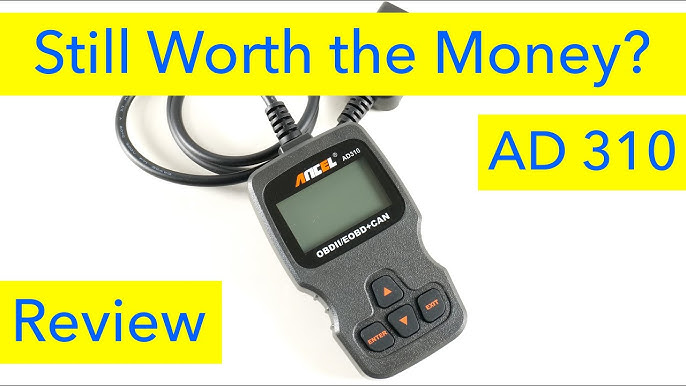
Many car owners want to understand their vehicle’s problems without visiting a mechanic every time. The Ancel AD310 is one of the most popular OBD2 code readers for this purpose. But a common question comes up: Can you use the Ancel AD310 while the engine is running? Let’s look at what this tool does, how it works, and what you should know before connecting it to your running engine.
What Is The Ancel Ad310 And How Does It Work?
The Ancel AD310 is a basic OBD2 (On-Board Diagnostics II) code reader. OBD2 is a standard system in most cars made since 1996, allowing external devices to check the car’s computer for faults. The AD310 is designed for people who want to read and erase trouble codes (the “Check Engine” light), view live engine data, and get basic information about their car’s health.
49% off Today's Exclusive Deals
Limited-time Exclusive Deals. Check current discount on Amazon.
Check Price on Amazon As an Amazon Associate I earn from qualifying purchases.When you connect the AD310 to your car’s OBD2 port, it draws power directly from the car battery. The tool communicates with the car’s engine control unit (ECU) to retrieve information. This is why it’s important to understand when and how to use the device safely.
Is It Safe to Use the AD310 While the Engine Is Running?
Yes, you can use the Ancel AD310 while the engine is running. In fact, for many diagnostic functions, the engine needs to be running or in the “ON” position (key turned but engine not started). This is because some data—like real-time engine RPM, temperature, fuel trim, and oxygen sensor readings—are only available when the engine is running.
Manufacturers design OBD2 code readers like the AD310 to connect safely to your car while the engine is operating. These tools do not interfere with the engine’s function, and they draw very little power. Mechanics and technicians use similar or more advanced tools with the engine running every day.
49% off Today's Exclusive Deals
Limited-time Exclusive Deals. Check current discount on Amazon.
Check Price on Amazon As an Amazon Associate I earn from qualifying purchases.However, there are a few things you should always keep in mind:
- Always connect or disconnect the tool gently and carefully.
- Make sure the cable and connector are not damaged.
- Do not use the tool in wet or extremely hot conditions.
- Avoid touching electrical contacts with wet hands.
Proper Steps to Using the Ancel AD310 While the Engine Is Running
Using the AD310 is simple, but following the right steps ensures safety and accurate results. Here’s a practical guide for beginners and experienced users alike.
1. Turn Off The Engine First
Before you connect the AD310, it’s a good idea to turn the engine off. This prevents any electrical surges or accidental shorts. Locate your car’s OBD2 port—usually found under the dashboard, near the driver’s seat.
2. Plug In The Ad310
Carefully insert the AD310’s connector into the OBD2 port. Make sure it fits securely, but do not force it.
3. Turn The Key To “on” (or Start The Engine)
Once connected, turn your ignition key to the “ON” position. This turns on the car’s electronics but does not start the engine. At this point, the AD310 should power up automatically. For live data readings or to diagnose running engine problems, you will need to start the engine.
4. Navigate The Menus
Use the AD310’s simple buttons to choose from options like “Read Codes,” “Erase Codes,” or “Live Data. ” If you want to view live sensor information, select “Live Data” and start the engine if you haven’t already.
5. Read And Save Results
You can now view real-time data or read codes while the engine is running. Take notes or photos of any codes or data that seem important. Some users also like to compare readings before and after repairs.
6. Finish And Disconnect
When you are done, turn off the engine, then unplug the AD310. Always disconnect the tool gently to avoid damaging the connector.
What Data Can You Get While The Engine Is Running?
The main advantage of using the AD310 with the engine running is access to live sensor data. Here are some examples of what you can view:
- Engine RPM: See how fast the engine is spinning.
- Coolant Temperature: Check if the engine is running too hot.
- Oxygen Sensor Readings: Find out if your car is running rich or lean.
- Short and Long-Term Fuel Trim: Understand how the engine computer is adjusting fuel delivery.
- Vehicle Speed: Check if the speed sensor is working correctly.
- Intake Air Temperature: See if the air entering the engine is at the right temperature.
- Throttle Position: Learn how much the throttle is open.
Reading these values while the engine is running helps you spot problems that may not appear with the engine off. For example, if your “Check Engine” light is on due to a sensor issue, you can use live data to see if the sensor is giving faulty readings only when the engine is hot.
Common Mistakes To Avoid
Even simple tools like the AD310 are often used incorrectly, especially by new users. Here are mistakes to watch out for:
- Plugging in or unplugging the tool with the engine running
While it’s generally safe, it’s best practice to plug in and unplug the AD310 with the engine off. This reduces the risk of electrical spikes or connector damage.
2. Ignoring “pending” Trouble Codes
The AD310 can show “pending” trouble codes. These are problems the car’s computer has noticed but not yet confirmed. Many people ignore these, but they can be early warnings of bigger issues.
3. Erasing Codes Without Fixing The Problem
The AD310 lets you erase codes and turn off the “Check Engine” light. But if the underlying problem is not fixed, the light will come back. Always use the tool as a guide for repairs, not just to clear warnings.
4. Forgetting To Save Data
If you erase codes or disconnect the tool without writing down what you saw, you may lose valuable information for your mechanic or for future troubleshooting.
5. Using The Tool On Unsupported Vehicles
While the AD310 works with most cars made after 1996 (in the US), some older vehicles or special models may not support all features. Always check your car’s compatibility before connecting.
Technical Details: Why the Engine Needs to Be Running for Some Functions
Modern car computers (ECUs) constantly monitor engine sensors and systems. Some sensors only send data when the engine is running—like oxygen sensors, fuel trims, and RPM. The AD310, like other code readers, can only show these values if the engine is producing them.
For example, if you want to diagnose a misfire that only happens when the engine warms up, you need live data with the engine running. Similarly, if you are troubleshooting a rough idle, real-time readings are necessary.
Some advanced functions—like “Readiness Monitors”—also require the engine to be running. Readiness monitors track whether certain pollution-control systems have completed their self-tests. If you check these with the engine off, the results may be incomplete.
When Should You NOT Use the AD310 with the Engine Running?
There are a few rare situations where you should avoid using the AD310 with the engine running:
- If you see sparks, smoke, or melted wires near the OBD2 port, do not connect any device. This may be a sign of a serious electrical problem.
- If you have just washed the car interior, or the area near the port is wet, wait until everything is dry.
- If your car’s battery is very weak or unstable, connecting or disconnecting any tool may cause problems.
- In the middle of traffic or unsafe locations, do not use the device while the engine is running. Only use it when parked safely.
Real-world Examples
Let’s look at a few situations where using the AD310 while the engine is running helps:
Case 1: Diagnosing A Rough Idle
A user notices their car shakes when stopped at a traffic light. They connect the AD310, start the engine, and check the live data. The oxygen sensor voltage is stuck low, and the short-term fuel trim is very high. This points to a vacuum leak or a bad sensor.
Without live data, they would not see these numbers.
Case 2: “check Engine” Light After Fuel Fill-up
After filling up with gas, the “Check Engine” light comes on. The AD310 shows a code for “Evaporative Emissions Leak. ” With the engine running, the live data shows normal readings except for the fuel system monitor. The user realizes the gas cap was not tightened.
After fixing it, they erase the code and the light stays off.
Case 3: Failing Emissions Test
A car fails an emissions test due to an incomplete readiness monitor. The owner uses the AD310 to check the monitor status. With the engine running, they see which systems have not completed their tests and can drive the car in a way to finish the drive cycle.
Non-obvious Insights For Beginners
- The OBD2 port always has power, even when the engine is off. But some cars will only send live data when the engine is running. If the AD310 screen is blank, check your car’s ignition position and battery health.
- Slow or confusing readings on the AD310 may be due to a poor connection or a car with a non-standard OBD2 system. Try reseating the connector, or check your car’s manual for OBD2 compatibility.
- While the AD310 is safe, always be aware of your surroundings. If you are working in a garage, keep the area ventilated when running the engine to avoid carbon monoxide buildup.
- Not all problems will trigger a code. Sometimes, the “Check Engine” light stays off, but the car runs poorly. Live data with the engine running can reveal hidden issues.
How The Ad310 Compares To Other Tools
The Ancel AD310 is a basic, affordable tool. It does not have advanced features like ABS, airbag, or transmission diagnostics. Some more expensive tools have Bluetooth, Wi-Fi, or can connect to a smartphone. But for engine codes and live data, the AD310 is reliable and easy to use.
If you want to check advanced systems or reset service lights, you will need a more advanced scanner. But for the average car owner, the AD310 covers most basic needs.
Extra Tips For Best Results
- Always start with a fully charged battery. Low battery voltage can cause false codes or incomplete data.
- If you get a code, search for its meaning online or check the car’s service manual. Some codes are model-specific.
- Try reading live data at different engine speeds—idle, light throttle, and while revving. This can reveal problems that only occur under certain conditions.
- Keep the AD310’s cable and connector clean. Dust and dirt can cause poor connections.
- For more information about OBD2 standards and codes, you can refer to the [U.S. EPA’s OBD website](https: //www.epa.gov/obd).
Frequently Asked Questions
Can the AD310 damage my car if I use it while the engine is running?
No, when used as directed, the AD310 will not damage your car. It is designed for safe operation and only reads information—it does not write or change anything in the car’s computer.
Why does my AD310 not turn on when I connect it?
Check if your car’s battery is charged and the ignition is in the “ON” position. Some vehicles require the key to be on for the OBD2 port to supply power.
Can I Use The Ad310 While Driving?
It is technically possible, but not recommended. The tool is meant for use when the car is stationary. If you want to record live data while driving, ask someone to assist you or consider a scanner that can store data for later review.
My car has a European or Asian brand—can I use the AD310?
Most non-U. S. cars made after 2001 (petrol) or 2004 (diesel) are OBD2 compliant. Check the manual or look for an OBD2 label under the hood. The AD310 works on most cars, but some features may be limited.
Do I Need Special Software Or A Computer?
No, the AD310 has its own screen and buttons. You do not need a smartphone or laptop for basic functions.
Conclusion: Using The Ancel Ad310 With The Engine Running
The Ancel AD310 is a valuable tool for car owners who want to diagnose engine problems, read codes, and view live sensor data. It is safe and effective to use while the engine is running, and in many cases, it is necessary for accurate results.
Always follow best practices: connect the device before starting the engine, use it in a safe location, and make sure your car is supported. Avoid erasing codes before understanding the problem. Use live data to get a clear picture of your car’s health.
With the right approach, the AD310 can save you time and money, help you understand your car, and give you confidence when dealing with repairs or mechanics. Whether you’re a beginner or have some experience, using the AD310 while the engine is running is a smart and practical way to keep your car in good shape.