Understanding Winch Line Tension: Practical Guide for Safe and Effective Use
Winches are essential tools for pulling, lifting, or recovering heavy objects. You might see winches on off-road vehicles, boats, construction sites, or even in rescue operations. While most people focus on the winch’s power or cable strength, one critical factor often overlooked is winch line tension. If you do not understand winch line tension, you risk damaging the equipment, hurting yourself, or failing the task. This guide explains winch line tension in simple, clear language, with practical advice and real-world examples. Whether you’re new to winching or want to improve your skills, you’ll find everything you need to use a winch safely and efficiently.

49% off Today's Exclusive Deals
Limited-time Exclusive Deals. Check current discount on Amazon.
Check Price on Amazon As an Amazon Associate I earn from qualifying purchases.What Is Winch Line Tension?
The term winch line tension describes the force applied to the winch cable (or rope) when pulling or lifting a load. This force is measured in pounds (lbs) or kilograms (kg), depending on the country. If the tension becomes too high, the cable can snap, the winch can fail, or the anchor point can break loose. If the tension is too low, the winch may not have enough grip to move the load. Understanding and controlling winch line tension is the key to safe winching.
The Role Of Tension In Winching
Winch line tension connects directly to the load you are moving. For example, if you are recovering a vehicle stuck in mud, the tension required depends on the vehicle’s weight, the resistance (like mud or slope), and the angle of pull.
Higher resistance means higher tension. In lifting operations, the tension equals the weight of the object plus any extra force needed to overcome friction or obstacles.
49% off Today's Exclusive Deals
Limited-time Exclusive Deals. Check current discount on Amazon.
Check Price on Amazon As an Amazon Associate I earn from qualifying purchases.How Tension Is Created
Tension is created when you activate the winch and the cable pulls against a load. The winch motor, gears, and drum work together to produce force. The cable transfers this force to the load. The amount of tension depends on:
- The weight of the object
- The condition of the terrain (mud, sand, rocks)
- The angle of the cable (direct pull or angled pull)
- The use of pulleys or snatch blocks (these can change tension)
- The speed of winching (faster speeds can increase tension spikes)
Measuring And Calculating Winch Line Tension
If you want to use a winch safely, you need to know how much tension is on the line. This section explains how to measure and calculate winch line tension, with practical examples.
Measuring Tension With Tools
There are several ways to measure winch line tension:
- Dynamometer: This tool attaches between the winch cable and the load. It shows real-time tension in pounds or kilograms.
- Load Cell: Similar to a dynamometer, but often used in industrial settings for accurate measurements.
- Winch’s Built-In Sensors: Some modern winches have digital readouts showing tension.
- Manual Calculation: If you do not have tools, you can estimate tension based on the load’s weight and resistance.
Calculating Tension: Practical Example
Suppose you need to recover a 4,000-pound vehicle from soft mud. The resistance from the mud adds extra force. Most experts use a simple formula:
49% off Today's Exclusive Deals
Limited-time Exclusive Deals. Check current discount on Amazon.
Check Price on Amazon As an Amazon Associate I earn from qualifying purchases.Total Tension = Vehicle Weight × Resistance Factor
- For soft mud, the resistance factor is usually 2.0
- So: 4,000 lbs × 2.0 = 8,000 lbs of tension
This means your winch line needs to handle at least 8,000 lbs of tension. If your winch or cable is rated lower, you risk equipment failure.
Comparison Table: Tension Required For Common Tasks
Here is a simple comparison of typical winching tasks and the tension required:
| Task | Load Weight (lbs) | Resistance Factor | Total Tension (lbs) |
|---|---|---|---|
| Vehicle Recovery (Soft Mud) | 4,000 | 2.0 | 8,000 |
| Boat Lifting | 2,500 | 1.2 | 3,000 |
| Log Pulling (Forest) | 1,200 | 1.5 | 1,800 |
| Construction Equipment | 6,000 | 1.3 | 7,800 |
Factors Affecting Winch Line Tension
Winch line tension is not just about the weight of the load. Several factors can increase or decrease the force on the cable. Let’s look at the main factors:
Load Weight
The heavier the object, the higher the tension. But weight alone does not tell the full story. For example, pulling a 2,000-pound car on flat ground is easier than pulling the same car uphill or out of mud.
Terrain And Resistance
Mud, sand, rocks, and hills add resistance. Resistance is a “multiplier” for tension. The harder the terrain, the higher the tension needed. Snow and ice can also increase resistance.
Pull Angle
If the winch cable pulls at an angle (not straight), extra tension is needed. Angled pulls make the winch work harder and stress the cable. Always try to pull straight, or use pulleys to correct the angle.
Use Of Pulleys And Snatch Blocks
Pulleys (also called snatch blocks) can reduce tension on the winch line by changing the direction or splitting the load. For example, using a snatch block doubles the pulling power and reduces tension on the winch.
Speed Of Winching
Pulling too fast can cause tension spikes. Sudden movements increase the risk of cable failure. Steady, slow winching keeps tension stable.
Cable Type And Condition
Steel cables and synthetic ropes behave differently. Old, damaged cables can snap under lower tension. Always check the cable for wear, rust, or fraying.
Anchor Point Strength
The anchor point (tree, vehicle, or post) must be strong enough to handle the tension. Weak anchor points can break or come loose, causing accidents.
Winch Line Tension And Safety
Safety is the most important reason to understand winch line tension. Many accidents happen because people underestimate tension or ignore safety rules.
Risks Of Excessive Tension
- Cable failure: A snapped cable can whip through the air, injuring or killing people nearby.
- Winch damage: Too much tension can break the winch motor or gears.
- Anchor failure: If the anchor point fails, the load can roll or fall.
- Personal injury: High tension puts everyone at risk.
Safe Operating Practices
- Know the limits: Check the winch and cable ratings before each use.
- Use gloves: Always wear gloves to protect your hands.
- Stand clear: Never stand close to the cable or load during winching.
- Use cable dampers: Place a damper (heavy cloth or bag) on the cable. If the cable snaps, the damper reduces whipping.
- Check all connections: Inspect hooks, shackles, and anchor points.
- Communicate: Make sure everyone knows the plan and stays clear.
Common Mistakes With Winch Line Tension
- Using a winch with too low a rating for the job
- Ignoring resistance factors (mud, hills, etc.)
- Pulling at sharp angles without pulleys
- Not inspecting the cable for damage
- Standing too close during operation
Types Of Winch Cables And Their Tension Ratings
Winch cables come in two main types: steel cable and synthetic rope. Each type has its own tension rating, advantages, and risks.
Steel Cable
- Made from braided steel wire
- Very strong, with high tension ratings (up to 12,000 lbs or more)
- Resistant to heat and abrasion
- Can store energy and whip if snapped
- Heavy, harder to handle
Synthetic Rope
- Made from strong synthetic fibers (like Dyneema)
- Lighter and easier to handle
- Tension ratings from 8,000 to 18,000 lbs (depending on size)
- Safer if it breaks (less whipping)
- Can be damaged by UV light and chemicals
Cable Size And Tension Rating
The size (diameter) of the cable affects its tension rating. Larger cables handle more tension. Here’s a simple table:
| Cable Type | Diameter (inches) | Tension Rating (lbs) |
|---|---|---|
| Steel Cable | 3/8″ | 10,000 |
| Synthetic Rope | 3/8″ | 12,000 |
| Steel Cable | 1/2″ | 15,000 |
| Synthetic Rope | 1/2″ | 18,000 |
Choosing The Right Cable
Always choose a cable with a tension rating higher than your maximum expected load. If your winch is rated for 10,000 lbs, use a cable rated for at least 12,000 lbs for extra safety.
Winch Capacity And Line Tension Relationship
Many people confuse winch capacity (the maximum load the winch can pull) with winch line tension. These are related, but not the same.
How Winch Capacity Works
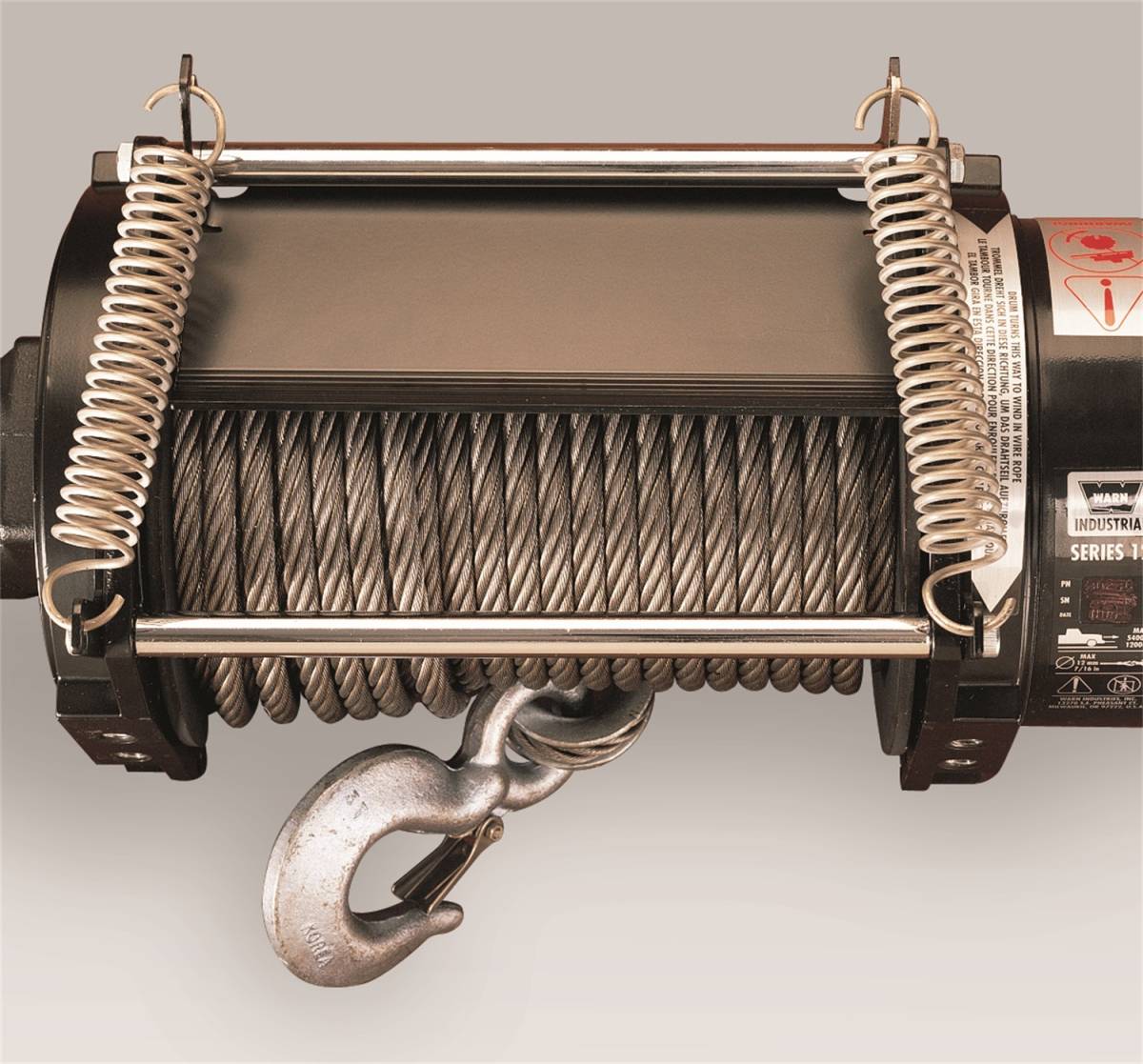
Winch capacity is the maximum force the winch can pull, usually measured on the first layer of cable on the drum. As more cable is wound onto the drum, the effective pulling power drops. This means you should use as little cable as possible for heavy pulls.
Line Tension Changes With Drum Layers
The more cable you have on the drum, the less tension the winch can produce. Here’s a comparison:
| Drum Layer | Pulling Power (%) | Example (10,000 lbs winch) |
|---|---|---|
| First Layer | 100% | 10,000 lbs |
| Second Layer | 90% | 9,000 lbs |
| Third Layer | 80% | 8,000 lbs |
| Fourth Layer | 75% | 7,500 lbs |
Practical Advice
When you need maximum tension, pull out most of the cable and use the first layer. This gives you the highest pulling power and safest operation.
Tools And Accessories For Managing Winch Line Tension
Controlling winch line tension is easier with the right tools and accessories. Here are some useful items:
Snatch Blocks And Pulleys
- Double your winch’s pulling power
- Reduce tension on the cable
- Allow angled pulls without stress
Cable Dampers
- Reduce risk if cable snaps
- Simple safety tool, often required by law
Recovery Straps And Chains
- Used for anchoring or connecting loads
- Must have tension ratings higher than the winch
Gloves And Safety Gear
- Protect your hands from frayed cables
- Essential for safe winching
Load Indicators
- Show real-time tension on the cable
- Help avoid overloading
Real-world Examples Of Winch Line Tension
Understanding theory is good, but real-world examples make it clearer. Here are practical scenarios:
Off-road Vehicle Recovery
A Jeep stuck in deep mud weighs 4,500 lbs. The mud’s resistance factor is 2. 0, making total tension 9,000 lbs. The winch is rated at 10,000 lbs, but the cable is old and has rust spots. The owner pulls too fast, causing a sudden tension spike.
The cable snaps, but luckily, a damper was used, preventing injury.
Insight: Always inspect your cable, use dampers, and pull slowly to avoid tension spikes.
Boat Lifting At A Marina
A small boat weighs 2,800 lbs. The winch uses synthetic rope rated at 12,000 lbs. The boat slides easily, with a resistance factor of 1. 1. Total tension is 3,080 lbs. The operator uses a snatch block to reduce tension further, making it safe and easy.
Insight: Using pulleys can make even heavy jobs safer and reduce tension on your equipment.
Construction Site Equipment
Pulling a skid-steer loader weighing 6,000 lbs up a ramp with a resistance factor of 1. 5 means 9,000 lbs of tension. The winch is rated at 8,000 lbs, which is too low. The operator decides to use two winches, splitting the load.
Each winch now handles 4,500 lbs, making the job safe.
Insight: If tension exceeds your equipment rating, split the load or upgrade your winch.
How To Reduce Winch Line Tension
Sometimes you need to lower tension to prevent damage or make the job safer. Here are proven ways:
- Use snatch blocks: These pulleys redirect force and split the load.
- Reduce load weight: Remove unnecessary items from the object being pulled.
- Improve terrain conditions: Clear mud or obstacles to lower resistance.
- Pull straight: Avoid angled pulls that increase tension.
- Go slow: Steady winching avoids spikes in tension.
Winch Line Tension: Non-obvious Tips
Here are two insights most beginners miss:
- Tension changes during the pull: As the object moves, resistance can drop or increase. Always monitor tension, especially near the end of the pull.
- Cable stretch affects tension: Synthetic ropes stretch more than steel cables. This can absorb shock but also change tension readings. Understand how your cable behaves.
Frequently Asked Questions
What Happens If Winch Line Tension Is Too High?
If tension is too high, the cable can break, the winch can fail, or the anchor point can come loose. This is very dangerous, and can cause serious injury or damage. Always check ratings and use safety gear.
How Do I Know My Winch Line Tension While Pulling?
You can use a dynamometer or load indicator to measure real-time tension. If you don’t have these tools, estimate tension using the load’s weight and resistance factor. Modern winches sometimes have digital displays for tension.
Is Synthetic Rope Safer Than Steel Cable For High Tension?
Synthetic rope is lighter and safer if it breaks (less whipping), but it can be damaged by sunlight or chemicals. Steel cable is strong and lasts longer in rough conditions. Choose based on your needs and keep tension within ratings.
Can I Use Multiple Winches To Reduce Tension?
Yes, using two winches or a pulley system can split the load and reduce tension on each cable. Make sure both winches and cables are rated for the split load.
Where Can I Find More Information About Winch Line Tension?
For technical details and safety guidelines, visit the Wikipedia Winch page. It covers winch types, operation, and safety.
Winch line tension is the key to safe, successful winching. Knowing how to measure, control, and reduce tension protects you, your equipment, and your job. With practical examples, data, and tips, you can use your winch confidently in any situation.
Always check ratings, use safety gear, and stay alert to changes in tension. Winching is powerful—but only if you respect the force on the line.