If you’ve spent time around off-road vehicles, boats, or heavy machinery, you’ve probably seen a winch in action. Winches pull, lift, or move heavy objects using a cable or rope. But there’s a small part that plays a big role in this process: the fairlead. Many beginners overlook the fairlead, yet it’s essential for the safety, efficiency, and longevity of both the winch and the cable. Understanding what a fairlead is—and how it works—can help you make better decisions when choosing or using a winch. Let’s explore this often-misunderstood device, from its purpose to its types, installation, maintenance, and real-world uses.
The Role Of A Fairlead In Winching
A fairlead is a guiding device fitted to a winch or anchor system. Its main job is to direct the cable, rope, or wire rope onto the winch drum in a straight, smooth path. Without a fairlead, the cable can rub against sharp edges, get tangled, or damage itself and the winch.
49% off Today's Exclusive Deals
Limited-time Exclusive Deals. Check current discount on Amazon.
Check Price on Amazon As an Amazon Associate I earn from qualifying purchases.Fairleads are most common on off-road winches, boat winches, and industrial lifting equipment. They help prevent fraying, kinking, and uneven winding, all of which can cause costly repairs or unsafe situations.
Why Fairleads Matter
- Cable Protection: They reduce friction and wear, helping your cable last longer.
- Winch Efficiency: Proper alignment means smoother operation and less strain on the winch motor.
- Safety: Prevents the cable from slipping off or snapping due to stress or damage.
- Precision: Keeps pulls straight, especially when angles change.
A fairlead is not just a “nice to have”—it’s a must-have for anyone using a winch regularly.
Types Of Fairleads
Fairleads come in several designs, each suited for specific winch setups and cable types. Choosing the right fairlead depends on your needs, environment, and equipment.
49% off Today's Exclusive Deals
Limited-time Exclusive Deals. Check current discount on Amazon.
Check Price on Amazon As an Amazon Associate I earn from qualifying purchases.Roller Fairlead
Roller fairleads are made of four rollers—two vertical and two horizontal—mounted in a rectangular frame. Each roller spins to guide the cable smoothly as it enters or leaves the winch drum.
- Best for: Steel wire ropes, heavy-duty winches
- Main benefit: Great for angled pulls, reduces cable abrasion
- Drawback: Heavier and bulkier; can trap mud and debris
Hawse Fairlead
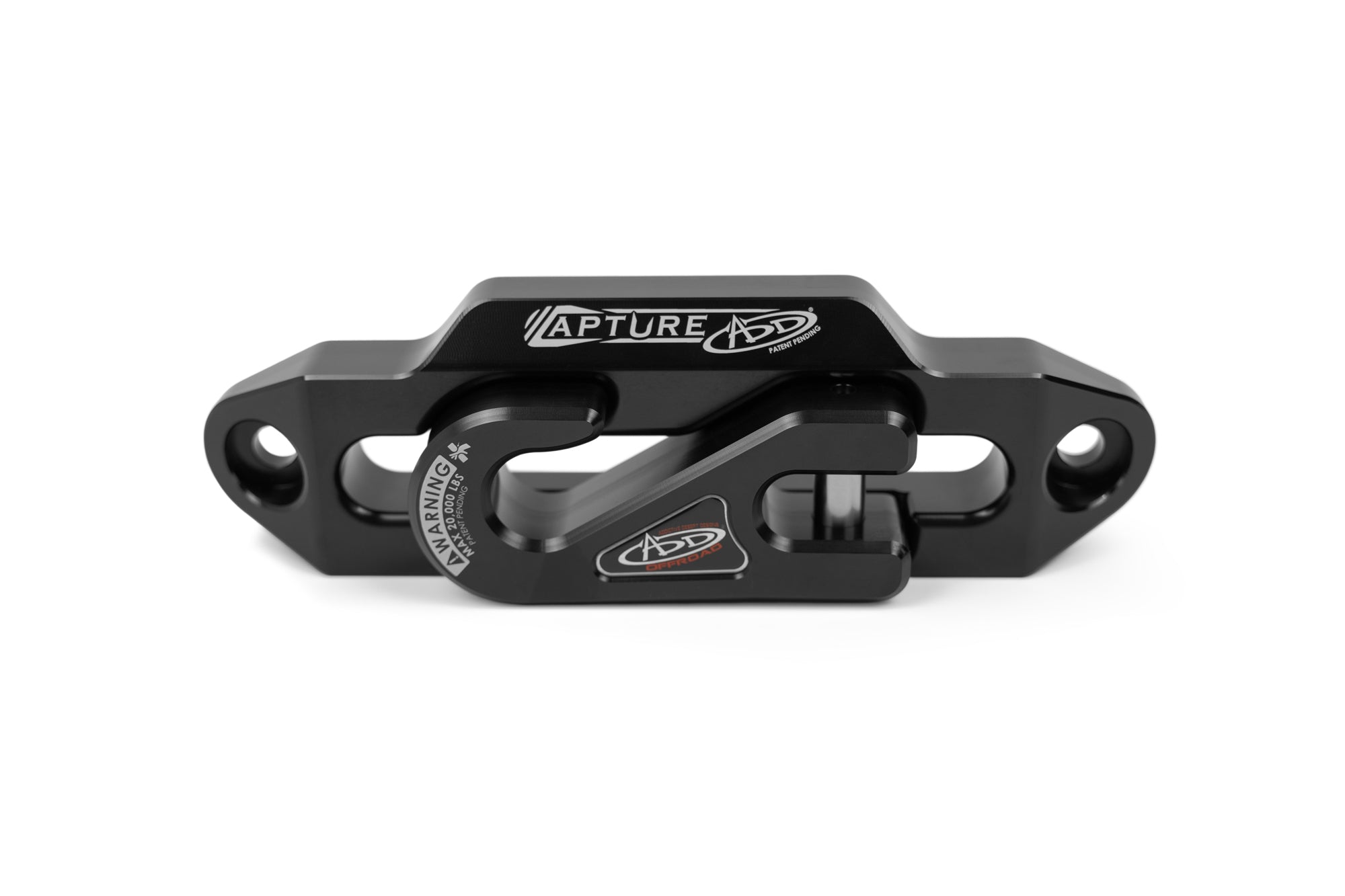
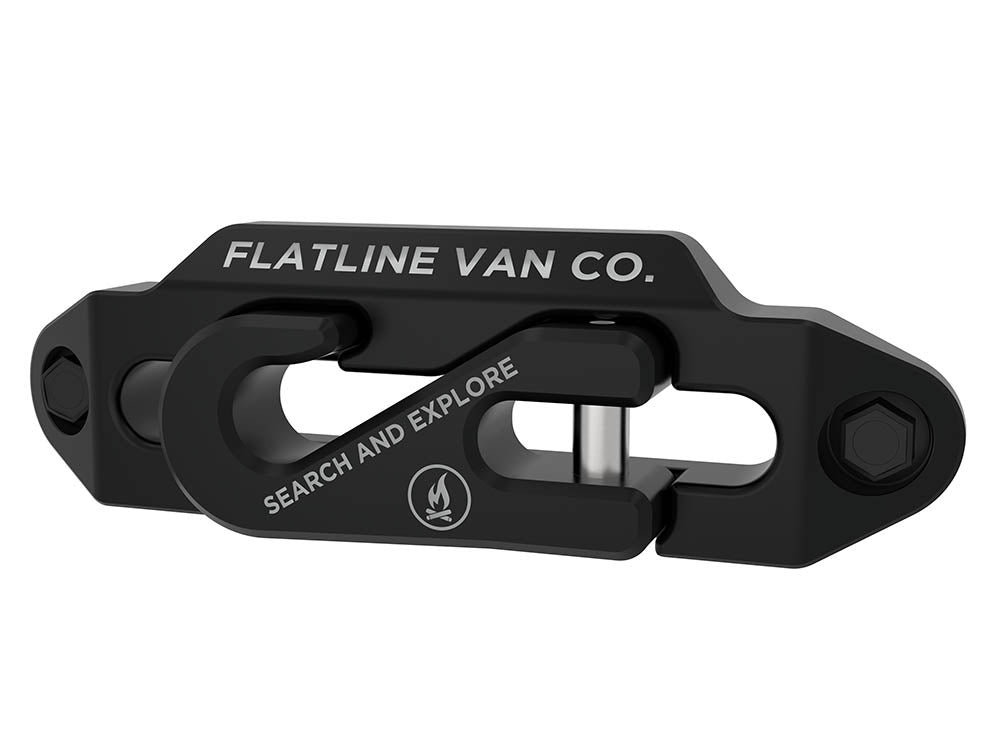
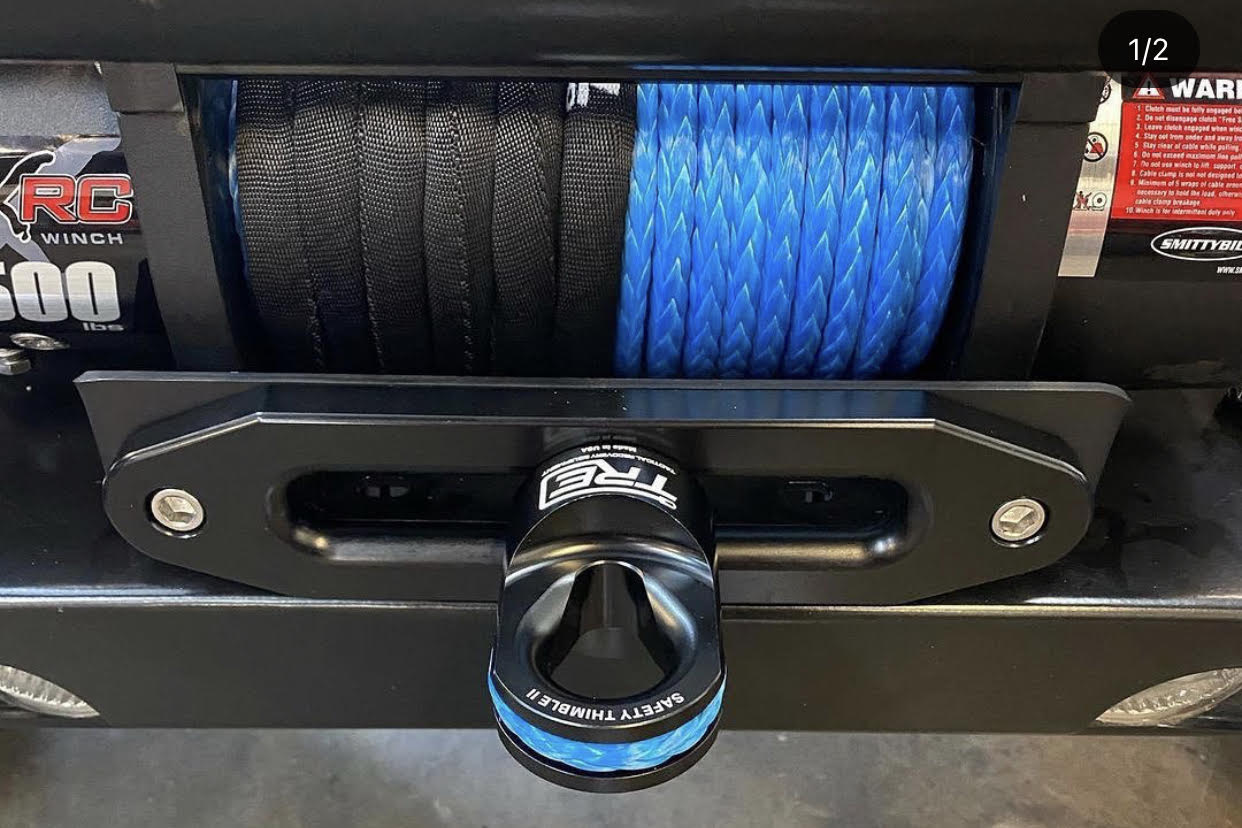
Hawse fairleads have a solid, rounded opening (usually aluminum) with smooth edges. The cable slides through this oval-shaped hole.
- Best for: Synthetic ropes, lighter winches
- Main benefit: Lightweight, simple design, less risk of snagging
- Drawback: Not ideal for extreme angled pulls; can wear out faster with steel cables
Specialty Fairleads
Some winching setups use custom fairleads for unique applications, such as vertical lifts or high-speed cable movement. These may include:
- Multiple rollers for added guidance
- Ceramic inserts for heat resistance
- Oversized openings for thick ropes or cables
Each type has its pros and cons, but most people use either roller or hawse fairleads. Picking the right one is about matching your cable material and winch style.
49% off Today's Exclusive Deals
Limited-time Exclusive Deals. Check current discount on Amazon.
Check Price on Amazon As an Amazon Associate I earn from qualifying purchases.Fairlead Comparison
Here’s a quick comparison of the main fairlead types:
| Type | Best For | Material | Durability | Weight | Pull Angle Support |
|---|---|---|---|---|---|
| Roller | Steel wire rope | Steel | High | Heavy | Excellent |
| Hawse | Synthetic rope | Aluminum | Medium | Light | Moderate |
| Specialty | Custom setups | Varies | Varies | Varies | Varies |
How A Fairlead Works
The basic job of a fairlead is to guide the cable and reduce friction. When the winch pulls a load, the cable can move at different angles. The fairlead keeps the cable centered and prevents it from rubbing against rough surfaces.
Step-by-step Process
- Cable exits the winch drum
- Fairlead receives the cable: Whether it’s a roller or hawse, the fairlead directs the cable into a smooth path.
- Rollers (if present) spin: On a roller fairlead, the rollers turn as the cable moves, reducing wear.
- Hawse fairlead slides: On a hawse, the cable slides along the rounded edge.
- Cable stays aligned: The fairlead prevents the cable from drifting sideways or tangling.
This process might sound simple, but it’s critical for safety and performance.
Real-world Example
Imagine pulling your off-road vehicle out of a ditch with a winch. If the cable pulls at an angle, the fairlead keeps it from scraping the bumper or frame. Over dozens of uses, this saves your cable from fraying—and saves you money.
Choosing The Right Fairlead
Picking the right fairlead is about understanding your winch, cable, and intended use.
Key Factors
- Cable Type: Steel wire ropes need roller fairleads; synthetic ropes prefer hawse fairleads.
- Winch Size: Heavy-duty winches often need robust roller fairleads.
- Pull Angle: If you often pull at extreme angles, rollers are better.
- Environment: Muddy, sandy, or marine conditions may need corrosion-resistant fairleads.
- Mounting Compatibility: Not all fairleads fit every winch or bumper.
Common Mistakes
- Using a hawse fairlead with steel cable: This can wear out both the fairlead and the cable quickly.
- Ignoring mounting holes: Fairleads must match your winch’s bolt pattern.
- Buying cheap materials: Low-quality fairleads can crack or corrode, risking cable failure.
Practical Example
Suppose you have a synthetic rope winch for your ATV. A lightweight aluminum hawse fairlead is best. But if you upgrade to a steel wire rope, you’ll need to switch to a roller fairlead for safety.
Installation Guide For Fairleads
Installing a fairlead is usually straightforward, but there are important steps to follow.
Tools Needed
- Wrenches or socket set
- Mounting bolts (usually included)
- Screwdriver (sometimes needed)
- Safety gloves
Step-by-step Instructions
- Remove old fairlead: Unscrew the existing fairlead from the winch mount.
- Clean the area: Wipe away dirt, rust, or debris.
- Align new fairlead: Place the new fairlead over the mounting holes.
- Insert bolts: Use the proper bolts and washers for your fairlead.
- Tighten bolts: Secure evenly, but don’t overtighten (risk of cracking).
- Check alignment: Make sure the fairlead is centered with the winch drum.
- Test cable movement: Run the cable through the fairlead and check for smooth operation.
Installation Table
Here’s a quick reference for installation steps and estimated times:
| Step | Action | Estimated Time | Tip |
|---|---|---|---|
| 1 | Remove old fairlead | 5 min | Wear gloves |
| 2 | Clean area | 3 min | Check for rust |
| 3 | Align new fairlead | 2 min | Use correct holes |
| 4 | Insert bolts | 4 min | Use washers |
| 5 | Tighten bolts | 3 min | Don’t overtighten |
| 6 | Check alignment | 2 min | Center with drum |
| 7 | Test cable | 2 min | Look for snags |
Non-obvious Tip
Always check the bolt pattern before buying a fairlead. Some bumpers and winches use unique spacing, and mismatched holes can lead to unsafe mounting.
Maintenance And Safety Tips
A fairlead needs regular care to keep your winch running smoothly and safely.
Maintenance Checklist
- Inspect for cracks: Look at the fairlead’s surface and check for chips or cracks.
- Clean rollers or openings: Remove mud, sand, or salt that can cause corrosion.
- Lubricate rollers: If you have a roller fairlead, use light grease on the rollers.
- Check cable condition: Inspect for fraying, kinks, or broken strands.
- Tighten bolts: Check mounting bolts every few months.
Safety Practices
- Never stand close: Stay clear when winching—cables can snap.
- Use gloves: Protect hands from cable splinters or sharp edges.
- Don’t overload: Never pull more than your winch’s rated capacity.
- Replace damaged fairleads: A cracked fairlead can fail suddenly.
Hidden Insight
Saltwater environments, like boat winches, require marine-grade fairleads. Standard steel fairleads can rust quickly, so choose stainless steel or coated aluminum for long life.
Real-life Applications And Examples
Fairleads are used in many industries and situations. Here are a few practical examples:
Off-road Recovery
When a vehicle is stuck in mud or snow, a winch pulls it free. The fairlead keeps the cable from rubbing against the bumper or frame, preventing damage.
Marine Winching
Boat winches raise anchors or pull boats onto trailers. Fairleads here must handle saltwater, heavy loads, and changing angles.
Industrial Lifting
Construction sites use winches to lift beams or equipment. Fairleads keep steel cables from kinking or breaking, improving safety.
Utility Work
Power and telecom companies use winches to string wires. Fairleads guide the wire rope and prevent accidents.
Data: Fairlead Lifespan And Failure Rates
Many users wonder how long a fairlead lasts. Data shows:
- Roller fairleads: Last 5–10 years with regular use and maintenance
- Hawse fairleads: Last 3–7 years, especially with synthetic rope
- Common failure causes: Corrosion, physical impact, and cable abrasion
Studies from off-road forums reveal that improper fairlead use increases cable replacement rates by up to 40%.
Fairlead Vs. Other Winch Accessories
Fairleads are not the only accessory for winches. Here’s a comparison with other common parts:
| Accessory | Main Function | Used With | Impact on Safety |
|---|---|---|---|
| Fairlead | Guide cable | All winches | High |
| Snatch Block | Change direction, increase power | Heavy-duty winches | Moderate |
| Winch Hook | Attach cable to load | All winches | Medium |
| Remote Control | Operate winch from distance | Most winches | Medium |
Fairleads are unique because they work every time the winch operates, making them a key part of the system.
Upgrading Your Fairlead: When And Why
Many users stick with the fairlead that comes with their winch. But upgrading can improve performance and safety.
Signs You Need An Upgrade
- Switching from steel to synthetic rope: Hawse fairlead required
- Corrosion or cracks: Replace immediately
- Frequent angled pulls: Consider heavy-duty roller fairleads
- Changing winch bumper: New bolt pattern may require a compatible fairlead
Upgrade Benefits
- Longer cable life
- Smoother operation
- Better safety
Example
A Jeep owner switches to synthetic rope for weight savings. Upgrading to an aluminum hawse fairlead prevents damage and makes off-road recovery safer.
Common Questions And Misconceptions
Many beginners believe fairleads are optional or interchangeable. Here are two insights that are often missed:
- Fairleads are not universal: The wrong type can cause cable damage or mounting issues.
- Fairleads affect winch performance: Poor alignment increases motor strain and risk of cable failure.
Frequently Asked Questions
What Is The Main Purpose Of A Fairlead On A Winch?
A fairlead’s main purpose is to guide the cable onto the winch drum and keep it aligned. It prevents the cable from rubbing against the winch mount or bumper, reducing wear and increasing safety.
Can I Use A Roller Fairlead With Synthetic Rope?
It’s not recommended. Roller fairleads are designed for steel wire rope. Synthetic ropes can catch or wear on the rollers, especially if there are sharp edges or rust. For synthetic rope, a hawse fairlead is safer.
How Often Should I Replace My Fairlead?
Replace your fairlead when you notice cracks, corrosion, or excessive wear. With regular maintenance, most fairleads last several years. Inspect your fairlead every few months, especially after heavy use.
Is It Possible To Winch Without A Fairlead?
You can technically winch without a fairlead, but it’s unsafe. The cable can rub against metal edges, fray, tangle, or snap. Using a fairlead is always recommended for both safety and performance.
What Materials Are Best For Fairleads In Marine Environments?
In marine environments, stainless steel or coated aluminum fairleads are best. They resist saltwater corrosion and last longer than regular steel. Always clean and inspect after exposure to water.
Final Thoughts
A fairlead is a small part with a big impact on winch operation. Whether you’re off-roading, boating, or lifting heavy equipment, using the right fairlead keeps your cable safe, your winch efficient, and your pulls precise. Regular maintenance and choosing the right material for your environment can prevent costly repairs and accidents. Beginners often overlook the importance of fairleads, but understanding their role and function is essential for anyone working with winches. If you need more technical details or want to see advanced fairlead designs, you can check out resources from Wikipedia for deeper information. Remember, a well-chosen fairlead isn’t just a detail—it’s a cornerstone of safe and effective winching.