How Much Weight Can A Winch Pull
Choosing the right winch is important for anyone working with vehicles, off-road adventures, or heavy equipment. If you’re new to winches, you might wonder: how much weight can a winch pull? The answer is not as simple as looking at the number on the box. There are many factors that decide a winch’s pulling power, and understanding them can help you avoid mistakes, accidents, and wasted money.
This article explains winch pulling capacity in clear, simple language. You’ll learn about the main factors that affect winch strength, how to calculate what you need, and what happens if you overload a winch. We’ll explore real-world examples and compare popular winch sizes.

49% off Today's Exclusive Deals
Limited-time Exclusive Deals. Check current discount on Amazon.
Check Price on Amazon As an Amazon Associate I earn from qualifying purchases.By the end, you’ll know exactly what to look for and how to choose the right winch for your needs.
Understanding Winch Pulling Capacity
A winch’s pulling power is usually measured in pounds (lbs) or kilograms (kg). The number you see—like “9,500 lbs”—shows the maximum load the winch can pull under ideal conditions. But real-world situations are rarely perfect. You must consider factors like cable length, angle, and the condition of the load.
Rated Line Pull
The rated line pull is the maximum force a winch can safely pull. This number is tested by manufacturers using a single layer of cable wrapped around the winch drum. It’s important to know:
49% off Today's Exclusive Deals
Limited-time Exclusive Deals. Check current discount on Amazon.
Check Price on Amazon As an Amazon Associate I earn from qualifying purchases.- More cable layers reduce pulling power.
- The rated line pull is usually measured with a fully charged battery (for electric winches).
- The winch must be mounted securely to handle this force.
Why The Number Is Not Enough
Many beginners think the rated line pull is all they need to check. But real situations—like pulling a stuck truck out of mud—require more power than the weight alone. Friction, incline, and resistance can double or even triple the force needed.
For example: If your SUV weighs 4,000 lbs, and it’s deep in mud, you may need a winch with a pulling power of 8,000 lbs or more.
Key Terms
- Line Pull: The force the winch applies to the cable.
- Working Load Limit (WLL): The safe maximum weight for repeated use.
- Breaking Strength: The point where the cable, hook, or winch fails.
Factors That Affect Winch Pulling Power
Winches are not just about the motor or the number on the label. Here are the main factors that affect how much weight a winch can pull:
- Winch Type: Electric, hydraulic, hand, or PTO (power take-off) winches have different strengths.
- Cable Layers: More layers on the drum reduce pulling power. Each extra layer can cut capacity by 10–15%.
- Cable Type: Steel cables are strong but heavy. Synthetic ropes are lighter and safer but may stretch.
- Mounting Strength: Weak mounts can break before the winch does.
- Power Source: Electric winches depend on battery and alternator power. Weak batteries mean less pulling force.
- Angle of Pull: Pulling straight is easier than pulling at an angle.
- Friction and Resistance: Mud, sand, snow, or rough terrain increase the load.
- Incline: Steep hills add extra weight. Pulling up a slope is much harder than on flat ground.
Real-world Example
Imagine you want to pull a 3,500 lb Jeep out of a ditch. The Jeep is stuck in mud, and the winch cable is wrapped three times around the drum. The winch is rated at 8,000 lbs. Because of cable layering and resistance, the actual pulling power may drop to 6,000 lbs or less.
49% off Today's Exclusive Deals
Limited-time Exclusive Deals. Check current discount on Amazon.
Check Price on Amazon As an Amazon Associate I earn from qualifying purchases.If the Jeep is deep in mud, resistance can double the load, requiring a winch with at least 7,000–8,000 lbs capacity.
How To Calculate The Right Winch Size
Choosing the correct winch is not about guessing. There’s a simple formula many experts use:
Winch Size = Vehicle Weight × 1.5
This means if your vehicle weighs 5,000 lbs, you should look for a winch rated at 7,500 lbs or more.
Steps To Calculate
- Find the Gross Vehicle Weight (GVW): Check your vehicle’s manual or the label inside the door.
- Multiply by 1.5: This covers extra resistance from mud, sand, or hills.
- Round Up: Always choose the next higher winch size, not lower.
Example Calculation
- Truck GVW: 6,000 lbs
- Calculation: 6,000 × 1.5 = 9,000 lbs
- Choose: 9,500 lb winch (always round up)
Practical Tips
- Never use a winch rated lower than your vehicle’s weight.
- If you carry heavy gear, add that to your calculation.
- Overestimating is safer than underestimating.
Comparing Popular Winch Sizes
Let’s compare common winch sizes, their typical uses, and the vehicles they fit best. This helps you understand how much weight each winch can pull and which is right for you.
| Winch Size (lbs) | Typical Vehicle | Best Use |
|---|---|---|
| 2,000–3,000 | ATVs, UTVs, small trailers | Light pulling, recovery |
| 4,500–6,000 | Small SUVs, mid-size trucks | Light to medium recovery |
| 8,000–10,000 | Full-size SUVs, pickup trucks | Heavy recovery, off-road use |
| 12,000–15,000 | Large trucks, RVs, commercial vehicles | Very heavy loads, industrial |
Winch Size Vs Real Load
Some beginners think a bigger winch is always better. But oversized winches are heavier, more expensive, and may strain your vehicle’s battery. Always match the winch to your needs.

Winch Types And Their Pulling Power
Different winch types have different strengths and weaknesses. Here’s a comparison:
| Type | Max Pull (lbs) | Main Features |
|---|---|---|
| Electric | Up to 18,000 | Easy to use, fast, depends on battery |
| Hydraulic | Up to 30,000 | Continuous use, needs vehicle engine |
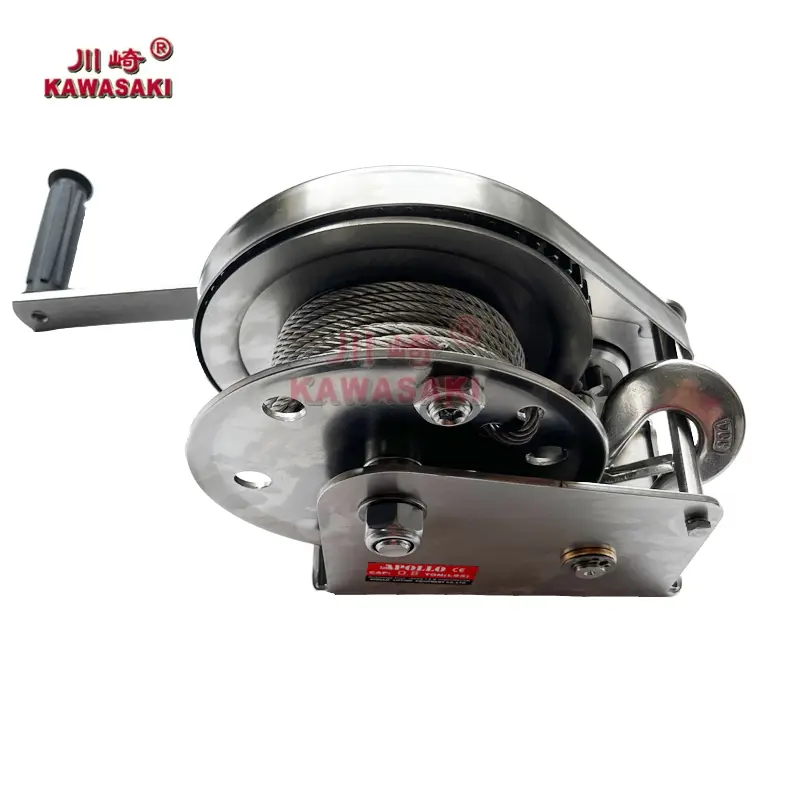
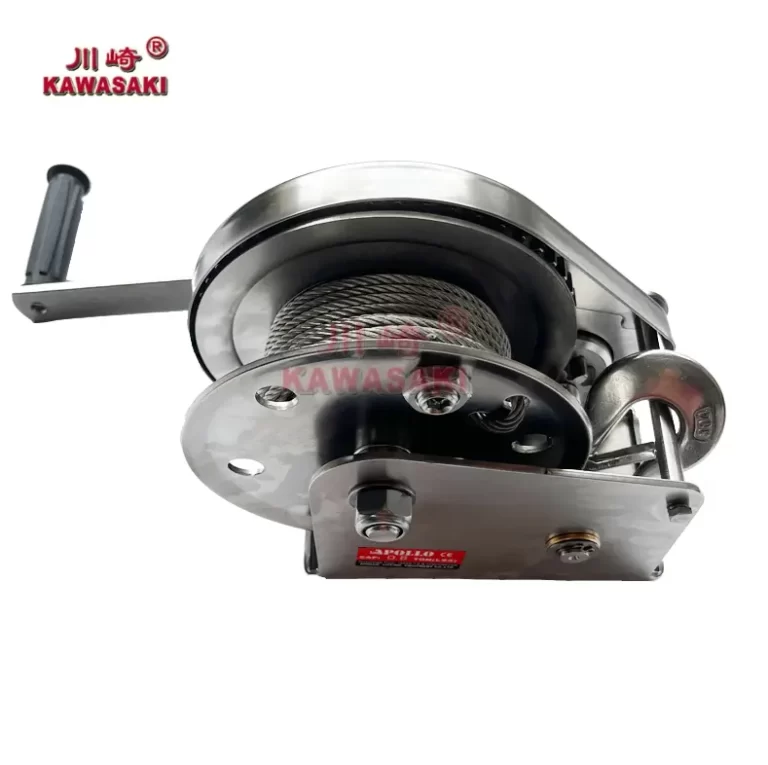
| Hand Winch | Up to 4,000 | Portable, manual, slow, limited power |
| PTO Winch | Up to 30,000 | Uses vehicle transmission, heavy-duty |
Non-obvious Insight
Electric winches are popular, but their real pulling power drops fast if your battery is weak or the cable is layered. Hydraulic winches can pull for hours, but only if your engine runs. Hand winches are good for small jobs but not for heavy vehicles.
Cable Type And Pulling Power
The winch cable or rope is a key factor. There are two main types:
- Steel Cable: Strong, lasts long, handles rough surfaces, but heavy and can snap dangerously.
- Synthetic Rope: Lightweight, easy to handle, safer if it breaks, but can wear out faster and needs protection from sharp objects.
Cable Layering Effect
Each extra layer of cable wrapped around the drum reduces the winch’s pulling power. Here’s a comparison:
| Layer | Pulled Weight (%) |
|---|---|
| First | 100% |
| Second | 90% |
| Third | 80% |
| Fourth | 70% |
Tip: Always use the shortest possible cable length for maximum pulling power.
Common Mistakes When Choosing A Winch
Many people make mistakes when buying a winch. Here are some you should avoid:
- Underestimating Vehicle Weight: Always use the GVW, not just the empty vehicle weight.
- Ignoring Resistance: Mud, sand, and slopes can double the force needed.
- Buying Too Small: A winch too small will fail, break, or overheat.
- Poor Mounting: Weak mounts will bend or snap under heavy loads.
- Wrong Cable Type: Using a cable that’s too thin or old can cause accidents.
- Not Checking Battery Power: Electric winches need strong batteries.
- Skipping Safety Gear: Gloves, dampers, and snatch blocks are vital.
Experience-based Insight
Many beginners overlook the mounting point. The winch is only as strong as its mount. Always check your bumper or mounting plate can handle the winch’s maximum force.
Practical Tips For Safe Winching
Winching can be dangerous if not done safely. Here are some practical tips:
- Check All Gear: Inspect cable, hooks, and mounts before use.
- Wear Gloves: Protect your hands from sharp cables or rope.
- Use a Winch Damper: Place a damper on the cable to reduce snapback risk if it breaks.
- Keep People Back: No one should stand near the cable while winching.
- Use Snatch Blocks: These can double your winch’s pulling power by reducing strain.
Snatch Block Example
A snatch block is a pulley that lets you change the direction of pull and increase force. If you use a snatch block, you can double your winch’s pulling power—so a 9,000 lb winch can pull up to 18,000 lbs (but only for short periods).
Real-life Scenarios: How Much Weight Can A Winch Pull?
Let’s look at some real examples:
- ATV Recovery: An ATV weighs 700 lbs, but stuck in mud, you may need a 2,000 lb winch.
- Jeep in Sand: A 4,000 lb Jeep, stuck deep, needs at least a 6,000–8,000 lb winch.
- Pickup Truck on Hill: A 6,000 lb truck on a steep hill may require a 12,000 lb winch.
- Heavy Equipment: Industrial winches can pull 20,000 lbs or more, but need special mounts and safety gear.
Not-so-obvious Insight
Winches are affected by heat and battery drain. If you winch for too long, the motor can overheat and lose power. Always let the winch cool between pulls, and keep your battery charged.
What Happens If You Overload A Winch?
Overloading a winch is risky. Here’s what can happen:
- Motor Failure: The winch motor can burn out or stop working.
- Cable Snap: The cable or rope can break, causing injuries.
- Mount Failure: The mounting plate or bumper can bend or snap.
- Battery Drain: For electric winches, your battery may die quickly.
How To Avoid Overload
- Always use a winch rated higher than your maximum expected load.
- Use snatch blocks and pulleys for heavy loads.
- Check all gear before each use.
How To Maintain Your Winch For Maximum Pulling Power
Proper maintenance keeps your winch working safely and at full strength. Here’s what to do:
- Clean and Oil: Keep the drum, cable, and gears clean and lightly oiled.
- Inspect Regularly: Check for wear, rust, or damage.
- Replace Old Cables: If the cable is frayed or kinked, replace it.
- Test Battery: For electric winches, make sure your battery is strong.
- Store Safely: Keep the winch covered when not in use.
Winch Ratings And Standards
Manufacturers test winches to industry standards. Look for:
- SAE J706: This is a common winch testing standard.
- CE Mark: For European safety standards.
- Manufacturer’s Warranty: Shows confidence in their product.
External Resource
For more detailed technical specifications and standards, you can visit the Wikipedia page about winches.
Frequently Asked Questions
What Is The Rated Line Pull Of A Winch?
The rated line pull is the maximum force a winch can safely pull with a single layer of cable wrapped around the drum. It is tested under ideal conditions and shows the winch’s peak performance.
Can A Winch Pull More Than Its Rated Capacity?
No, you should never try to pull more than the rated capacity. Overloading can damage the winch, break the cable, or cause injury. For heavy loads, use a snatch block to increase pulling power safely.
How Does Cable Length Affect Winch Pulling Power?
More cable wrapped around the drum reduces pulling power. Each extra layer can cut capacity by 10–15%. Use the shortest cable possible for maximum strength.
Is It Better To Use A Steel Cable Or Synthetic Rope?
Both have pros and cons. Steel cable is strong and lasts longer but is heavier and can snap dangerously. Synthetic rope is lighter and safer but wears out faster and needs careful handling.
What Happens If My Winch Motor Overheats?
If the winch motor overheats, it can lose power or stop working. Always let the winch cool between pulls, and avoid continuous winching for long periods.
Wrapping Up
Knowing how much weight a winch can pull is more than just checking the label. Real-world conditions can change the force needed, and safety is always key. By understanding rated line pull, cable types, mounting strength, and the effects of friction and resistance, you can choose the right winch and use it safely.
Always calculate your needs carefully, consider the worst-case scenario, and never overload your winch. Regular maintenance and safe practices keep your winch working at its best. With this knowledge, you can tackle tough jobs with confidence and avoid common mistakes that frustrate beginners.


