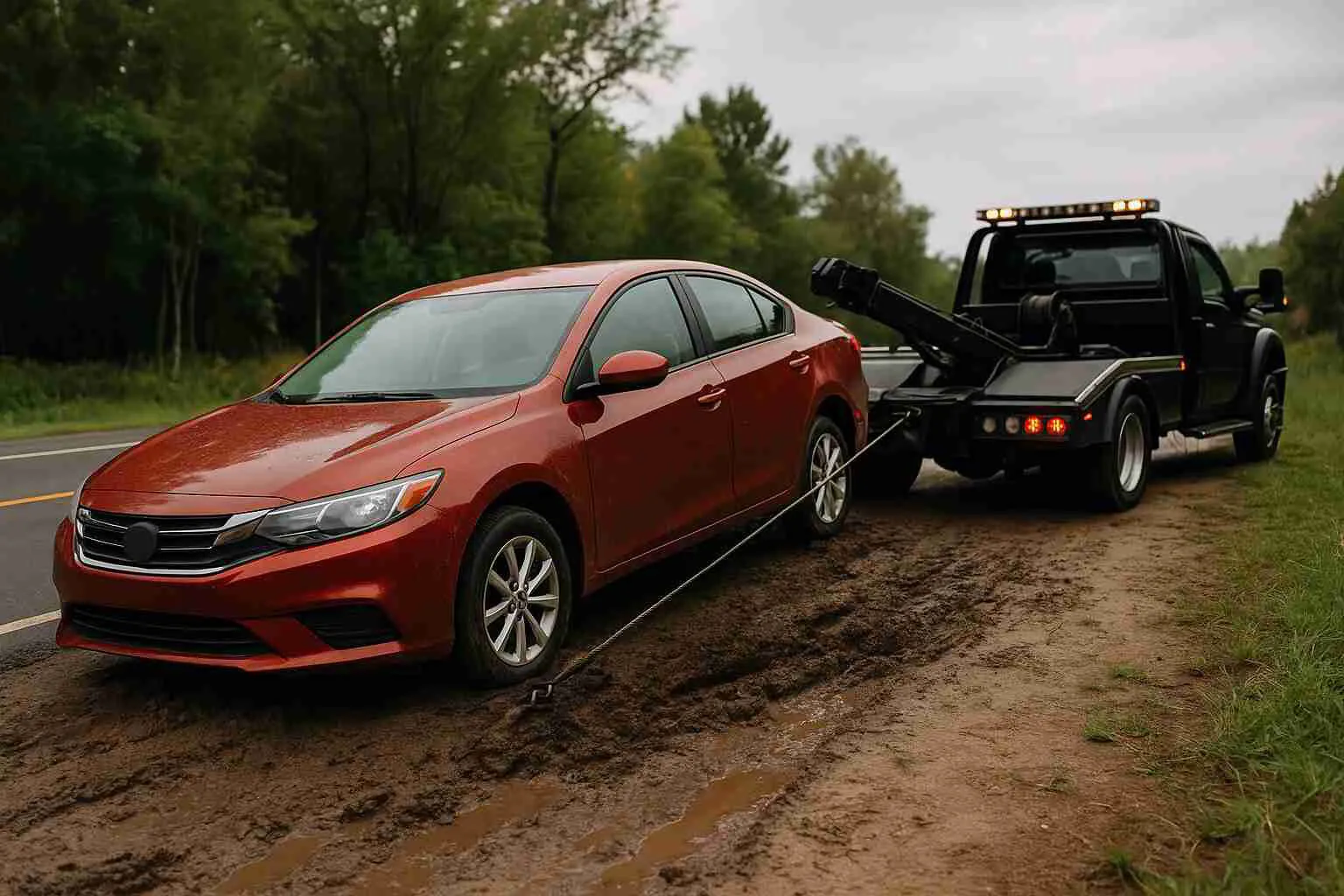
When your vehicle gets stuck—whether in mud, sand, snow, or a ditch—frustration is normal. But with the right skills and tools, you can turn a stressful moment into a safe recovery. One of the most effective ways to free a stuck vehicle is using a winch.
But proper winching is more than just hooking up a cable and pressing a button. It involves careful planning, safety precautions, and some practical know-how. In this guide, you’ll learn step-by-step how to recover a stuck vehicle with a winch, including safety advice, choosing the right anchor, and avoiding rookie mistakes.

49% off Today's Exclusive Deals
Limited-time Exclusive Deals. Check current discount on Amazon.
Check Price on Amazon As an Amazon Associate I earn from qualifying purchases.Whether you drive off-road for adventure or need to be prepared for emergencies, these techniques can help you handle tough situations confidently.
Understanding Winches And Their Role In Recovery
A winch is a mechanical device designed to pull or lift heavy objects. In vehicle recovery, it’s usually mounted on the front bumper and powered by the vehicle’s battery. The winch uses a strong cable or synthetic rope, a motor, and a drum to wind the cable. When you activate the winch, it pulls the cable, helping move your vehicle toward the anchor point.
Winches come in different types and ratings. The most common for off-road recovery is the electric winch, which is easy to use and fits many vehicles. The winch’s pulling capacity matters—most experts recommend a winch rated at least 1.5 times your vehicle’s weight. For example, if your SUV weighs 4,000 pounds, choose a winch rated for at least 6,000 pounds. This ensures you have enough power to overcome resistance from mud or sand.
49% off Today's Exclusive Deals
Limited-time Exclusive Deals. Check current discount on Amazon.
Check Price on Amazon As an Amazon Associate I earn from qualifying purchases.Safety First: Essential Precautions
Winching can be dangerous if done incorrectly. Here are key safety steps:
- Wear gloves: Always use heavy-duty gloves to protect your hands from frayed cables.
- Keep bystanders away: Make sure people are at least 1.5 times the length of the winch cable away from the vehicle.
- Inspect the winch and cable: Look for damage, rust, or broken strands before starting. Replace damaged parts.
- Use a winch damper: Place a heavy blanket or winch damper on the cable. If the cable snaps, the damper helps absorb energy and reduce risk.
- Check your anchor point: Make sure the tree, rock, or vehicle you use as an anchor is strong enough to handle the load.
Overlooking safety is a common mistake. Many beginners rush the process, which increases the chance of injury or equipment failure.
Assessing The Situation: What Type Of Stuck Are You?
Before you start winching, figure out why and how your vehicle is stuck. The recovery method depends on the situation:
- Mud: The tires may be spinning but not gripping. Mud creates suction under the wheels, making recovery harder.
- Sand: Soft sand can bury tires quickly. Digging before winching often helps.
- Snow: Packed snow can freeze tires. You may need to clear ice before recovery.
- Ditch or slope: The vehicle may be at an angle, requiring careful anchoring.
Always check for obstacles in front or behind your vehicle. If you see rocks, logs, or other hazards, remove them if possible. This reduces resistance and makes winching easier.
49% off Today's Exclusive Deals
Limited-time Exclusive Deals. Check current discount on Amazon.
Check Price on Amazon As an Amazon Associate I earn from qualifying purchases.Choosing The Right Winch And Accessories
Not all winches are equal. Here’s what to look for:
- Pulling capacity: As mentioned, aim for 1.5 times your vehicle’s weight.
- Cable type: Steel cable is durable but heavy and can fray. Synthetic rope is lighter, easier to handle, and safer if it snaps.
- Remote control: Wireless remotes let you operate the winch from a safe distance.
- Recovery gear: Essential accessories include shackles, tree straps, snatch blocks, gloves, and winch dampers.
To compare winch types, see the table below:
| Type | Durability | Safety | Weight | Cost |
|---|---|---|---|---|
| Steel Cable | High | Medium | Heavy | Lower |
| Synthetic Rope | Medium | High | Light | Higher |
Most off-roaders prefer synthetic rope for its ease of use and safety. However, steel cable is better for frequent winching in rough environments.

Preparing For Recovery: Setting Up Your Winch
Preparation makes a big difference. Follow these steps:
- Clear the area: Remove loose debris, rocks, or branches near your vehicle and anchor point.
- Select a strong anchor: The anchor must be solid. Common anchors are trees, rocks, or another vehicle. For trees, use a tree strap to avoid damaging the trunk.
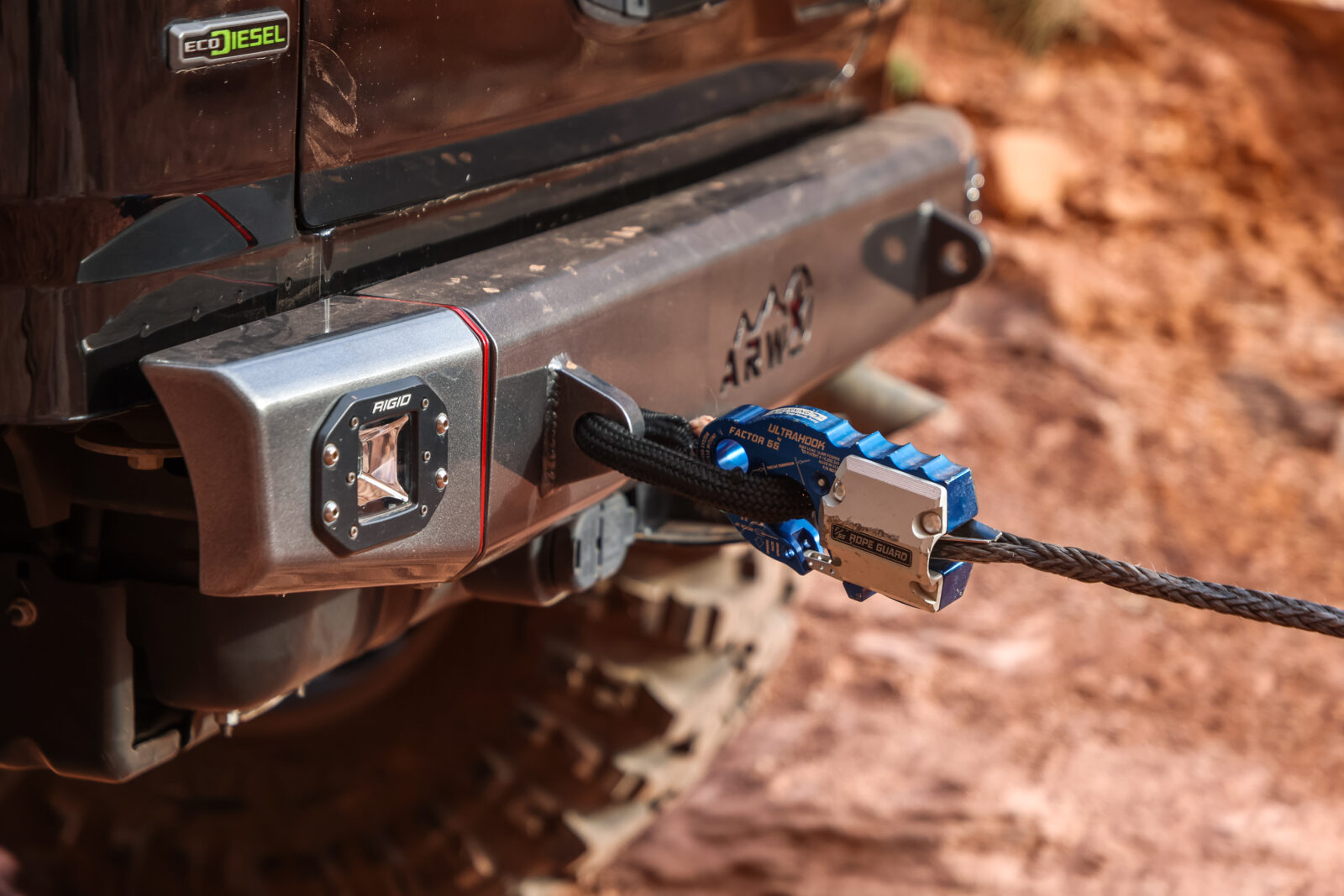
- Attach the winch cable: Use a D-shackle or recovery hook to connect the cable to the anchor. Make sure all connections are tight and secure.
- Place a winch damper: Lay it over the cable in the middle.
- Check the winch gear: Ensure gloves, snatch blocks, and remotes are ready.
Many beginners forget to clear obstacles or choose weak anchors, which can cause failure. Take a few extra minutes to check everything.
Step-by-step Winching Process
Here’s how to recover your vehicle with a winch:
1. Position The Vehicle
If possible, straighten the wheels and aim the vehicle toward the anchor. This reduces side load and helps the winch work efficiently.
2. Connect The Cable
Pull the winch cable or rope to the anchor. If the anchor is far, use extension straps. Connect the cable using a shackle or hook. Make sure the hook’s opening faces up, not down—this prevents accidental release.
3. Check The Winch Controls
Use the remote to engage the winch. Most winches have two modes: free spool (lets you pull the cable out easily) and power in (pulls the cable in). Make sure you’re in the right mode.
4. Apply Winch Tension
Stand clear of the cable path. Start pulling slowly. Keep an eye on the cable and anchor. If the cable slips or the anchor moves, stop immediately.
5. Assist The Winch
If the vehicle is moving, gently apply throttle. Don’t spin the wheels—this can increase resistance. Let the winch do most of the work.
6. Monitor Progress
Watch for changes. If the vehicle isn’t moving, check for obstacles or adjust the winch angle. Sometimes, using a snatch block (pulley) can double your winch’s pulling power.
7. Secure The Vehicle
Once free, stop the winch. Put the vehicle in park and apply the brakes. Remove the cable and gear. Store everything properly.
This process works for most situations, but some recoveries need extra steps. For example, in deep mud, you might need to dig out tires or use boards for traction.
Using Snatch Blocks For Extra Power
A snatch block is a pulley that lets you change the direction of the cable and multiply pulling power. It’s helpful when the winch struggles or the anchor isn’t directly in front.
Here’s how to use a snatch block:
- Open the snatch block and feed the winch cable through.
- Attach the snatch block to your anchor with a shackle.
- Run the cable back to your vehicle or another anchor.
Using a snatch block can double your winch’s capacity and help avoid cable overheating.
| Without Snatch Block | With Snatch Block |
|---|---|
| Pulling Power = Winch Rating | Pulling Power = 2x Winch Rating |
| Direct Line | Changed Direction Possible |
| Higher Cable Stress | Lower Cable Stress |
Many beginners don’t use snatch blocks, missing out on extra power and flexibility.
Choosing And Using Anchor Points
The anchor point is critical. Here’s a comparison of common anchors:
| Anchor Type | Strength | Availability | Risk |
|---|---|---|---|
| Tree | High (if healthy) | Common | Can damage tree |
| Rock | Medium | Rare | Can slip |
| Other Vehicle | High | Variable | Can move/shock load |
| Ground Anchor | Medium | Special gear needed | May fail in soft soil |
Always test the anchor before winching. If you use a tree, wrap a tree strap around the base and connect it with a shackle. Never wrap the cable directly around the tree—it can cause damage and reduce holding strength.
Common Mistakes To Avoid
Recovering a stuck vehicle isn’t just about technique; it’s also about avoiding errors that can make the situation worse.
- Using a damaged winch cable: Frayed or rusty cables can snap under load.
- Choosing a weak anchor: If the anchor breaks, you risk injury or further trouble.
- Standing in the cable’s path: Always stay clear—if the cable fails, it can whip dangerously.
- Rushing the process: Take your time. Hurrying increases mistakes.
- Not using a damper: If the cable snaps, a damper reduces risk.
- Applying too much throttle: Let the winch work. Spinning tires just digs deeper.
- Improper snatch block use: Make sure the cable is seated correctly.
Many beginners overlook winch maintenance. After every use, inspect the cable, motor, and connections. Clean mud and debris from the winch to prevent wear.
Real-world Examples Of Winch Recovery
Let’s look at practical scenarios:
- Mud recovery: A Jeep Wrangler stuck in deep mud used a tree anchor and synthetic rope. The driver first dug around the tires and laid boards for traction. The winch pulled the vehicle slowly while the driver applied gentle throttle.
- Sand recovery: An SUV on a beach used a ground anchor. The winch cable was attached to the anchor, and a snatch block doubled the pulling power. The vehicle was freed without spinning tires.
- Snow recovery: A pickup trapped in a snowbank used another vehicle as an anchor. The winch cable was connected with a shackle, and a damper was used. The winch pulled the truck free after clearing ice from the tires.
Each recovery required careful setup and patience. The key is to adapt your strategy to the situation.
Maintenance And Care For Your Winch
A winch is an investment. Regular care ensures it works when you need it most.
- Clean after use: Wash mud, sand, or salt off the winch, cable, and accessories.
- Inspect cables: Look for fraying, rust, or broken strands. Replace if needed.
- Check electrical connections: Loose wires can cause power loss.
- Lubricate moving parts: Use recommended grease for the drum and gears.
- Store gear properly: Keep cables and straps dry and untangled.
Winch manufacturers suggest yearly maintenance and inspection. If you use your winch often, check it more frequently.
Upgrading Your Recovery Skills
Winching is just one part of vehicle recovery. To become more skilled:
- Take an off-road recovery course: Many organizations offer hands-on training.
- Practice in safe conditions: Try winching in mild mud or sand before tackling tough situations.
- Learn about recovery boards, jacks, and other tools: Sometimes, combining tools works best.
- Read the winch manual: Every model is different—know your equipment.
A good resource for further learning is Tread Magazine, which covers winching basics and advanced techniques.
Frequently Asked Questions
How Do I Know My Winch Is Strong Enough For My Vehicle?
Choose a winch rated at least 1.5 times your vehicle’s weight. For example, if your vehicle weighs 5,000 pounds, select a winch rated for 7,500 pounds or more. This ensures you have enough power for tough conditions.
Is Synthetic Rope Safer Than Steel Cable?
Yes, synthetic rope is lighter and safer. If it snaps, it doesn’t whip as dangerously as steel cable. However, synthetic rope is more sensitive to heat and abrasion, so inspect it regularly.
What Is A Winch Damper, And Why Do I Need It?
A winch damper is a heavy blanket or bag placed on the cable. If the cable breaks, the damper absorbs energy and reduces the risk of injury. It’s a simple but vital safety tool.
Can I Use Another Vehicle As An Anchor?
You can use another vehicle as an anchor if it’s heavy enough and parked securely. Make sure it’s in park, with brakes on and wheels chocked. Communicate with the other driver and check all connections.
What Are Signs Of Winch Cable Damage?
Look for frayed strands, rust, broken wires, or kinks. If you see damage, don’t use the cable—replace it. Damaged cables can snap under load, creating danger.
Final Thoughts
Recovering a stuck vehicle with a winch takes knowledge, preparation, and care. By following the steps above, you can handle most situations safely and efficiently. Remember to focus on safety first, choose solid anchor points, and use the right accessories.
Maintenance and practice make a big difference—don’t wait until you’re in trouble to learn these skills. With these winching techniques, you’ll be ready for whatever the trail throws your way.