A winch is a powerful tool, often essential for off-roading, construction, boating, or rescue operations. When you press the button and nothing happens, frustration sets in quickly. A winch that refuses to work can stop your adventure, delay your job, or even create dangerous situations.
But why does this happen? What can you do to find the cause, and even better, prevent it from happening again? This guide will help you understand the most common reasons your winch might not work. It also offers practical solutions, tips, and expert insights to get your winch running reliably.

49% off Today's Exclusive Deals
Limited-time Exclusive Deals. Check current discount on Amazon.
Check Price on Amazon As an Amazon Associate I earn from qualifying purchases.Understanding How A Winch Works
Before you start troubleshooting, it’s important to know the basic parts of a winch and how they work together. A standard electric winch has a motor, solenoid/relay, drum, cable or rope, controller (wired or wireless remote), and a battery. Hydraulic winches rely on fluid pressure instead of electricity. Each component has a specific role, and a problem with any one of them can stop your winch from working.
Here’s a simple breakdown:
- The motor powers the winch, turning the drum to reel in or let out the cable.
- The solenoid acts as a switch to direct power from the battery to the motor.
- The controller tells the winch when to operate.
- The drum holds the cable or synthetic rope.
- The battery supplies the electrical power.
Understanding these basics makes troubleshooting much easier.
49% off Today's Exclusive Deals
Limited-time Exclusive Deals. Check current discount on Amazon.
Check Price on Amazon As an Amazon Associate I earn from qualifying purchases.Common Reasons Your Winch Is Not Working
Several things can prevent your winch from operating. Some are simple, like a dead battery, while others may involve damaged internal parts. Let’s look at the main causes and how to check them.
1. Power Supply Problems
A winch needs a strong, steady supply of electricity. If the battery or wiring is faulty, the winch will not work or may run weakly.
Battery Issues
- Low charge: Winches draw a lot of current—sometimes over 400 amps. If your battery is weak, the winch won’t have enough power.
- Bad connections: Corroded or loose terminals can block electricity.
- Damaged battery: Old or faulty batteries may show 12 volts but cannot deliver enough current.
To check the battery:
- Use a multimeter to test voltage (should be at least 12.4V when idle).
- Check terminals for corrosion—clean with a wire brush.
- Make sure connections are tight.
Wiring And Cables
Wiring must be thick enough to handle high current. If cables are too thin, old, or damaged, the winch might struggle or not work at all.
49% off Today's Exclusive Deals
Limited-time Exclusive Deals. Check current discount on Amazon.
Check Price on Amazon As an Amazon Associate I earn from qualifying purchases.Things to check:
- Inspect for cracked, burnt, or frayed wires.
- Look for signs of overheating or melting.
- Ensure all connections are secure.
Example Table: Battery Health Signs
| Symptom | Possible Cause |
|---|---|
| Winch clicks but does not turn | Low battery or bad connection |
| Winch works only when engine is running | Weak battery |
| No response at all | Dead battery or blown fuse |
2. Faulty Controller Or Remote
The remote control sends signals to operate the winch. Problems here can be easy to overlook.
- Dead batteries (wireless remotes)
- Broken wires (wired remotes)
- Loose connectors
- Water damage
Try these steps:
- Replace batteries in a wireless remote.
- Plug in a backup remote if you have one.
- Inspect the plug and cable for damage.
- Test with another remote (if possible).
Non-obvious insight: Some wireless remotes require re-pairing after a battery change or power loss. Check your manual for pairing steps.
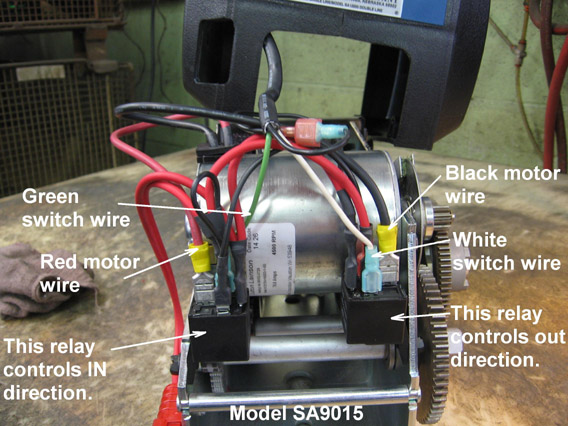
3. Solenoid Or Relay Failure
A solenoid is an electrical switch that directs high current to the winch motor. If this part fails, you may hear clicking, but the winch will not move.
- Clicking noise: Usually a sign the solenoid is trying to work but failing.
- No sound: Power may not be reaching the solenoid at all.
To test:
- Use a test light or multimeter to check for voltage at the solenoid when you press the remote.
- Bridge the two large terminals on the solenoid with an insulated tool (cautiously! )—if the winch runs, the solenoid is bad.
Practical tip: Always disconnect the battery before replacing a solenoid to avoid sparks or injury.
4. Motor Issues
The winch motor is the heart of the system. Motors can burn out or become damaged from overheating, water intrusion, or simply age.
Signs of a motor problem:
- Motor runs but winch drum doesn’t turn
- Motor is very hot or smells burnt
- No response even though solenoid clicks
Water inside the motor can cause corrosion or shorts. Dirt and mud can clog vents and overheat the motor.
Example: If your winch was submerged during a river crossing, moisture inside the motor may stop it from working—even if everything else seems fine.
Non-obvious insight: Some winches have a small drain hole at the bottom of the motor. Make sure it’s clear so water can escape.
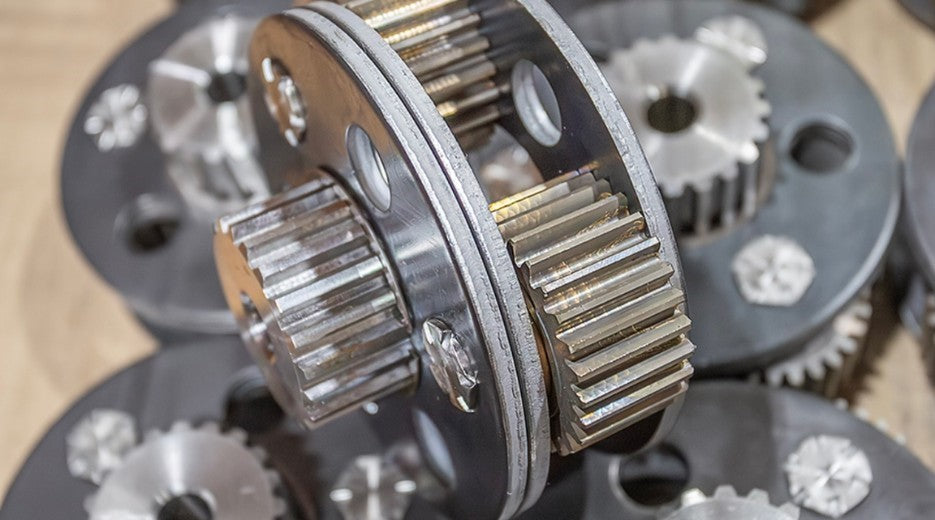
5. Damaged Or Jammed Gear Train
Inside the winch, gears multiply the motor’s power. If these gears are stripped, broken, or jammed, the winch won’t move the cable, even if the motor is spinning.
Common causes:
- Overloading the winch past its rated capacity
- Sudden shock loads (jerking)
- Lack of lubrication
Symptoms:
- Grinding noises
- Motor spins but drum does not
- Drum stuck, won’t turn even in free spool
Tip: Never exceed the winch’s rated line pull. Overloading is a frequent cause of gear damage.
6. Drum Or Cable/rope Problems
The drum can sometimes seize or bind if the cable is wound unevenly or tangled.
- Birdnesting: Cable piles up on one side and jams the drum.
- Crushed cable: Using wire rope, a pull that’s too heavy can flatten or crush the cable, making it hard to move.
- Damaged rope: Frayed or knotted synthetic rope can snag and stop winching.
To prevent:
- Spool cable evenly across the drum.
- Inspect the full length of cable for damage.
- Never allow the cable to run out completely—leave at least 5 wraps on the drum.
7. Mechanical Brake Or Clutch Fault
Many winches have a brake to hold the load and a clutch to switch between power and free spool. If either is stuck or damaged:
- Winch will not hold the load (if brake fails)
- Drum will not engage (if clutch fails)
- Drum will not move in or out
Try moving the clutch handle—if it’s stuck, do not force it. Lubricate or service as needed.
8. Blown Fuses Or Circuit Breakers
Some winches have built-in fuses or circuit breakers to protect against overloads.
- If the fuse blows, you may have no power at all.
- Circuit breakers may reset automatically after cooling.
Locate the fuse or breaker (often near the battery or winch) and check for continuity.
9. Environmental And Usage Factors
Weather and how you use your winch play a role. Mud, water, salt, and temperature extremes can all affect performance.
- Corrosion: Saltwater or road salt can eat away at terminals and wires.
- Mud and sand: Can clog moving parts.
- Extreme cold: Thickens grease and can slow or stop the winch.
Pro tip: After any exposure to harsh conditions, clean your winch and apply lubricant to moving parts.

Troubleshooting Steps For A Winch That Won’t Work
Now that you know the main causes, here’s a simple guide to help you troubleshoot.
Step 1: Check The Basics
- Is the battery fully charged?
- Are all connections clean and tight?
- Is the winch turned on (if it has a power switch)?
- Is the remote working (try a backup or new batteries)?
Step 2: Listen And Observe
- Do you hear clicks when you press the remote?
- Does the drum try to move or stay still?
- Any unusual sounds (grinding, buzzing, silence)?
Step 3: Isolate The Problem
- Try powering the winch with the vehicle running (for extra voltage).
- Test the solenoid by bridging terminals.
- Inspect the cable and drum for jams.
Step 4: Check For Damage
- Look for burnt wires, melted insulation, or a hot motor.
- Smell for burnt odors (sign of a fried motor or wiring).
- Inspect the solenoid for corrosion or swelling.
Step 5: Use A Multimeter
- Test voltage at the battery, solenoid, and winch motor.
- Check continuity of the remote and wiring.
Step 6: Rule Out The Small Stuff
- Make sure the winch’s clutch is fully engaged.
- Look for tripped fuses or circuit breakers.
- Inspect the ground connection (often overlooked).
Example Troubleshooting Table
| Winch Symptom | Likely Problem | Quick Fix |
|---|---|---|
| No sound or movement | Dead battery, blown fuse, broken remote | Charge battery, replace fuse, try backup remote |
| Clicks but no movement | Bad solenoid or low battery | Test/replace solenoid, recharge battery |
| Motor runs, drum doesn’t turn | Broken gears or clutch issue | Service or replace gears/clutch |
| Drum stuck, cable won’t move | Jammed cable, brake problem | Free and respool cable, check brake |
Preventing Winch Problems
Prevention is better than repair. Here’s how to keep your winch working reliably:
- Regular inspection: Check your winch before and after every big use.
- Battery care: Keep your battery charged and replace it if it struggles.
- Clean and lubricate: Wash off mud and dirt, and add grease to gears and clutch.
- Protect connections: Use dielectric grease on terminals to prevent corrosion.
- Spool cable correctly: Always keep cable tight and evenly wound.
- Avoid overloading: Know your winch’s rated capacity and never exceed it.
- Store remotes safely: Keep them dry and away from rough handling.
- Test before trips: Give your winch a test run at home, especially before off-road adventures.
Non-obvious tip: If you rarely use your winch, cycle it under light load every few months to keep parts moving and prevent corrosion.
When To Seek Professional Help
Sometimes, the problem is too complex or dangerous to fix yourself. Get professional help if:
- You smell burning or see smoke from the winch.
- The winch makes loud grinding or clanking noises.
- Water has entered the motor or gearbox.
- You are not comfortable working with high-current electrical parts.
A certified technician can safely open, test, and repair your winch.
Upgrading Or Replacing Your Winch
If your winch fails often, it may be time for an upgrade. Consider these factors:
- Capacity: Make sure your winch is rated at least 1.5 times your vehicle’s weight.
- Type: Electric winches are easy to install, while hydraulic winches offer more power for heavy-duty use.
- Line material: Synthetic rope is lighter and safer than steel cable but needs more care.
- Warranty and support: Choose brands with good customer service and available parts.
Real-world example: Many off-roaders upgrade from a 9,000 lb winch to a 12,000 lb model as they add gear and weight to their vehicle.
Cost Comparison: Repairing Vs. Replacing A Winch
Understanding the cost can help you decide whether to fix your winch or buy a new one.
| Repair/Upgrade | Typical Cost (USD) | When to Choose |
|---|---|---|
| Replace solenoid | $30–$80 | Solenoid clicks but winch doesn’t move |
| New remote | $20–$60 | Remote damaged or lost |
| Replace motor | $80–$250 | Motor burned out, rest of winch in good shape |
| New cable/rope | $50–$200 | Cable frayed, crushed, or jammed |
| Buy new winch | $300–$1,500+ | Multiple failures or old, unreliable winch |
Tip: If the repair cost is more than half the price of a new winch, replacement is usually the smarter option.
Real-world Scenarios And Solutions
Let’s look at some examples that highlight what can go wrong and how owners fixed the problem.
Scenario 1: Winch Dead After Mud Run
After a muddy off-road trip, the winch is silent. Owner finds thick mud caked around the solenoid. Cleaning and drying the solenoid brings the winch back to life.
Lesson: Clean your winch thoroughly after every adventure.
Scenario 2: Winch Runs Only With Engine On
The winch pulls fine when the engine is running but won’t work with the engine off. Testing reveals an old battery that can’t supply enough amps.
Lesson: Winches need strong batteries—replace old ones before they strand you.
Scenario 3: Drum Spins, Cable Doesn’t Move
Motor runs, but the cable is stuck. Inspection shows the clutch is not fully engaged. After adjusting the clutch lever, the winch works as normal.
Lesson: Always check the clutch position before suspecting bigger problems.
Scenario 4: Wireless Remote Stops Working
Wireless remote is dead. Owner replaces batteries, but still nothing. Re-pairing the remote to the winch following manufacturer steps restores operation.
Lesson: Some wireless remotes need to be re-synced after a battery change.
Frequently Asked Questions
Why Does My Winch Only Work In One Direction?
This usually points to a solenoid problem or a damaged controller. Solenoids direct power for both in and out functions. If one fails, the winch may only work in one direction. Check wiring and try swapping solenoids (if possible) to confirm.
Can I Use Jumper Cables To Power My Winch?
It’s not recommended. Jumper cables are not designed for the high current a winch needs. They can overheat and even cause a fire. Always use cables specified by the manufacturer.
How Often Should I Service My Winch?
At least once a year for moderate use, or after every heavy use or water crossing. Service includes cleaning, inspecting, lubricating, and testing all functions.
What Size Battery Do I Need For My Winch?
Most standard winches require a 12V battery with at least 650 cold cranking amps (CCA). Bigger winches may need more. Always check your winch manual for minimum requirements.
Where Can I Find More Information On Winch Troubleshooting?
A good source is the official Wikipedia page on winches, which covers types, mechanisms, and troubleshooting basics.
A winch is a vital tool, but only if it works when you need it. By understanding how winches operate, recognizing common problems, and using these troubleshooting tips, you can keep your winch reliable for years. Regular care, prompt repairs, and smart upgrades will ensure you’re always ready for the next challenge—on the trail, at work, or in an emergency.


