When you’re stuck in mud, snow, or a tough spot off-road, your winch is your best friend. But sometimes, even a powerful winch struggles to pull a heavy vehicle or object. If you’ve ever watched your winch slow down, overheat, or stop pulling, you know how important winch pulling power really is. Boosting your winch’s performance isn’t just about buying a bigger model; it’s about using smart techniques, proper gear, and understanding the physics behind winching. This guide will show you how to increase winch pulling power in real-world situations, so you can recover safely and efficiently when it matters most.
Understanding Winch Pulling Power
Before learning how to increase pulling power, it helps to know how winches work. Winch pulling power refers to the maximum force a winch can exert to pull a load. This is usually measured in pounds (lbs) or kilograms (kg). The rated pulling power is often based on the first layer of cable on the drum, but as more cable winds onto the drum, the pulling force drops.

49% off Today's Exclusive Deals
Limited-time Exclusive Deals. Check current discount on Amazon.
Check Price on Amazon As an Amazon Associate I earn from qualifying purchases.For example, a winch rated for 12,000 lbs on the first layer might only pull 8,000 lbs on the fourth layer. Friction, cable angle, battery strength, and other factors also affect real pulling power. Understanding these basics helps you make better decisions to boost performance.
Key Factors Affecting Pulling Power
- Cable layers: More layers reduce pulling power due to increased drum diameter.
- Electrical system: Weak batteries or poor wiring limit motor output.
- Friction: Stuck wheels or rough terrain can double the force needed.
- Winch condition: Worn gears or dirty contacts decrease efficiency.
Knowing these factors helps you choose the right techniques and upgrades.
Use A Snatch Block For Mechanical Advantage
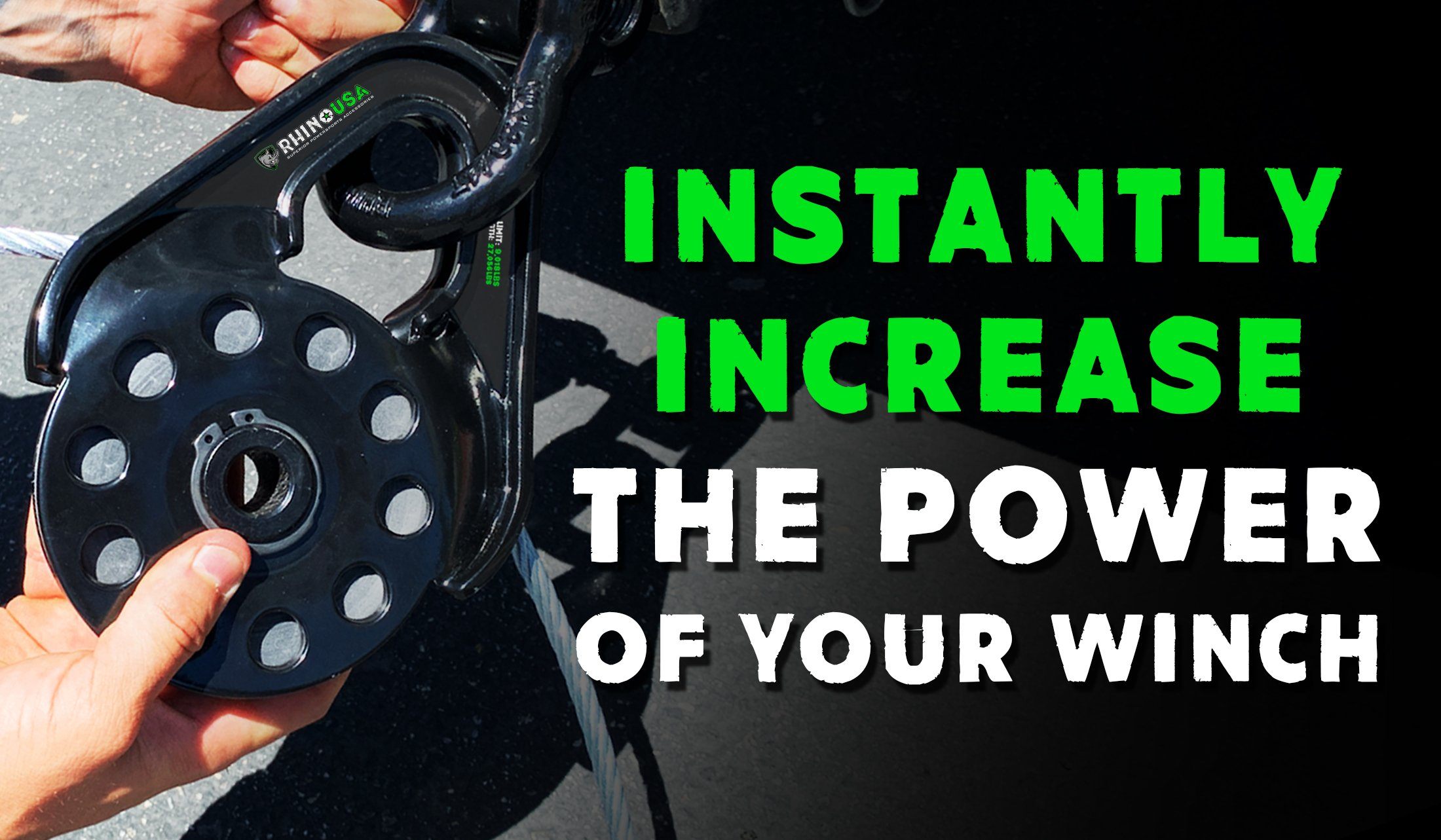
One of the most powerful ways to increase winch pulling power is using a snatch block. A snatch block is a heavy-duty pulley you attach to an anchor point, then run the winch cable through it before connecting to your load. This simple tool can double your winch’s pulling force, but there are a few details to get right.
49% off Today's Exclusive Deals
Limited-time Exclusive Deals. Check current discount on Amazon.
Check Price on Amazon As an Amazon Associate I earn from qualifying purchases.How A Snatch Block Works
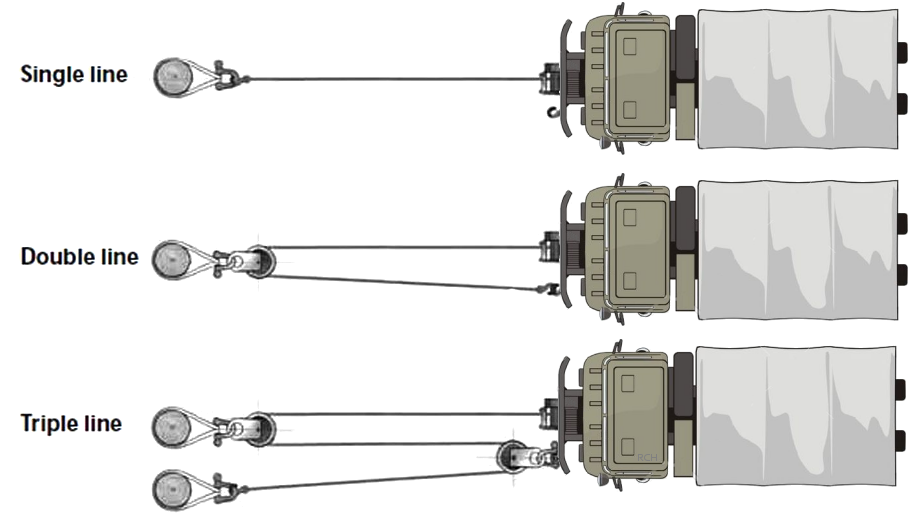
A snatch block creates a mechanical advantage by splitting the load between two parts of the cable. This means your winch only needs to pull half the force, allowing it to move heavier loads or reduce strain on the winch.
Example:
- If your winch is rated at 10,000 lbs, using a snatch block allows it to pull up to 20,000 lbs (in ideal conditions).
- The trade-off is you must pull twice as much cable, so recovery takes longer.
Proper Setup
- Attach the snatch block to a solid anchor (tree, rock, another vehicle).
- Run the winch line through the pulley.
- Connect the cable end to your vehicle or load.
- Keep the cable as straight as possible to avoid side loading.
Common Mistakes
- Using a weak or worn snatch block that can fail under load.
- Incorrectly anchoring the snatch block, leading to dangerous situations.
- Letting the cable rub on the ground or sharp objects, which can damage it.
When To Use
- Recovering very heavy vehicles.
- Winching up steep slopes.
- When your winch seems to be straining.
Minimize Cable Layers On The Drum
The more winch cable you have wrapped around the drum, the less pulling power you get. This happens because as cable builds up, the effective drum diameter increases, reducing the mechanical advantage.
Why Fewer Layers Help
Winches are rated for maximum pulling power with just the first layer of cable. Each additional layer reduces pulling force by about 10-13%.
Data Example:
| Layer | Pound Rating | Percentage of Max |
|---|---|---|
| 1st | 12,000 lbs | 100% |
| 2nd | 10,800 lbs | 90% |
| 3rd | 9,600 lbs | 80% |
| 4th | 8,400 lbs | 70% |
How To Reduce Cable Layers
- Spool out as much cable as possible before winching, leaving at least five wraps on the drum for safety.
- Use a winch extension strap if you need more reach.
- Plan your anchor points to maximize the amount of line you can pull out.
Pro Tip
Always check your manual for the minimum wraps required for safety. Most brands recommend keeping at least 5–10 wraps on the drum to prevent the cable from slipping.
49% off Today's Exclusive Deals
Limited-time Exclusive Deals. Check current discount on Amazon.
Check Price on Amazon As an Amazon Associate I earn from qualifying purchases.Upgrade Your Battery And Electrical System
A winch draws a lot of power, especially under heavy loads. If your battery can’t keep up, your winch will slow down or stop. The electrical system is often the weakest link in real-world winching.
The Role Of Battery Power
Winches can draw 300–500 amps under heavy load. A weak or old battery can’t deliver this, especially in cold weather. Upgrading your battery and cables can give your winch more pulling power.
Battery Comparison:
| Battery Type | Cold Cranking Amps (CCA) | Reserve Capacity (minutes) | Best For |
|---|---|---|---|
| Stock Car Battery | 500–700 | 80–100 | Light winching |
| Deep Cycle AGM | 750–950 | 120–180 | Frequent winching |
| Dual Battery Setup | 1,200+ | 200+ | Heavy-duty use |
What To Upgrade
- Battery: Use a high-capacity AGM or deep-cycle battery.
- Wiring: Upgrade to thicker (lower gauge) power cables to reduce voltage drop.
- Alternator: A high-output alternator keeps the battery charged during long winching jobs.
- Connections: Clean and tighten all terminals to prevent resistance.
Insights
- Many winch failures are actually battery or wiring issues, not the winch itself.
- Consider a dual-battery system if you do a lot of winching or overlanding.
Reduce Friction And Resistance
Sometimes, the problem isn’t the winch—it’s the load. Mud, sand, deep snow, or stuck wheels can double or triple the force required to pull a vehicle. Reducing resistance helps your winch do more with the same pulling power.
Techniques To Reduce Resistance
- Dig around tires: Remove mud or snow from in front of wheels.
- Add traction aids: Use recovery boards, rocks, or sand ladders.
- Deflate tires: Lowering tire pressure increases surface area and reduces sinkage.
- Rock the vehicle: Shift between forward and reverse to help break suction.
- Clear obstacles: Remove any branches or debris blocking movement.
Example
If a 4×4 is stuck in deep mud, the force needed to pull it can be two to three times its weight. By digging and adding boards, you might cut that resistance in half, making your winch much more effective.
Non-obvious Tip
Wet mud can create a “vacuum” under tires. Sometimes, a quick jolt (short winch pull) works better than a long, slow pull to break the seal.
Anchor Smart: Positioning And Multiple Anchors
Choosing the right anchor point makes a huge difference in winching power and safety. The best anchor is straight ahead of the stuck vehicle. Angled pulls reduce efficiency and can damage winch or cable.
Optimizing Anchor Points
- Direct Line: Whenever possible, anchor in a straight line with your winch.
- Strong Anchor: Use trees, rocks, or other vehicles. Always use a tree protector strap to avoid damaging live trees.
- Multiple Anchors: If no single anchor is strong enough, use multiple anchor points and a winch line extension.
Using Multiple Anchors
- Double line pull: Use a snatch block to connect to two trees.
- Redirect pulls: Use extra pulleys to change the direction of pull safely.
Anchor Strength Table
| Anchor Type | Estimated Strength | Best Uses |
|---|---|---|
| Large Tree (12”+ diameter) | 12,000 lbs+ | Heavy vehicle recovery |
| Medium Rock | 6,000–10,000 lbs | Light to medium loads |
| Vehicle as Anchor | Varies (vehicle weight) | Team recovery |
| Ground Anchor Device | Varies by soil | No natural anchors |
Pro Insight
If you need to change direction, use snatch blocks to avoid side-loading the winch, which can reduce pulling power and increase wear.
Maintain Your Winch And Gear
A winch is only as strong as its weakest part. Keeping your winch and gear in top condition is essential for getting maximum pulling power when you need it.
Regular Maintenance Checklist
- Clean the winch: Remove mud, dirt, and sand after every use.
- Lubricate moving parts: Use the recommended grease for gears and bearings.
- Inspect cables: Look for frayed wires or kinks in steel cables, or cuts in synthetic ropes.
- Check connections: Tighten all bolts, terminals, and electrical contacts.
- Test the winch: Run it under no load every few months to keep internals moving.
Common Gear Issues
- Damaged hooks or shackles: Replace worn or bent hardware immediately.
- Dirty or rusty snatch blocks: Clean and oil to prevent seizing.
- Worn cables: Replace if more than 10% of wire strands are broken.
Non-obvious Tip
Store your winch controller in a dry, easy-to-access place. Many recoveries fail because the controller is lost or damaged.
Choose The Right Winch For Your Needs
No amount of technique can fully compensate for a winch that’s too small for your vehicle. The general rule is to choose a winch rated at 1.5 times your vehicle’s gross weight.
Sizing Example
- Vehicle weight: 5,000 lbs
- Minimum winch rating: 7,500 lbs
This gives you enough reserve power for tough situations.
Additional Features To Consider
- Line speed: Faster winches save time but may draw more power.
- Waterproofing: Useful for frequent water crossings or mud.
- Synthetic vs. steel cable: Synthetic is lighter and safer, but requires more care.
Common Mistake
Many people buy the cheapest winch, only to find it can’t handle real-world loads, especially with added gear or when stuck deep.
Upgrade To Synthetic Rope Or High-performance Cable
The type of winch line you use can affect pulling power and safety. Synthetic rope is lighter and easier to handle, while steel cable is more durable under abrasion.
Synthetic Rope Advantages
- Weighs less, so easier on the winch and easier to handle.
- Floats on water—good for mud and river recoveries.
- Safer if it breaks (no whiplash).
Steel Cable Advantages
- More resistant to heat and abrasion.
- Lasts longer in rocky environments.
Performance Table
| Line Type | Weight (per 100 ft) | Breaking Strength | Best For |
|---|---|---|---|
| Synthetic Rope | 5–6 lbs | 15,000 lbs | General off-roading, safety |
| Steel Cable | 25–30 lbs | 15,000 lbs | Industrial, rocky terrain |
Upgrade Tips
- If switching to synthetic, use a compatible fairlead (aluminum hawse).
- Always check for UV damage or abrasion before each use.
Use Proper Winching Technique
Technique matters as much as gear. The way you pull can mean the difference between a quick recovery and a damaged winch.
Smart Winching Steps
- Plan the pull: Look for the best anchor, path, and route.
- Spool out cable: Use as much line as possible for maximum power.
- Keep cable straight: Avoid side pulls, which can jam the winch.
- Pull in stages: Use short, controlled pulls with pauses to avoid overheating.
- Monitor temperature: If the winch gets hot, stop and let it cool.
- Use gloves: Protect your hands from frayed wires or rope burns.
Non-obvious Insight
Let the winch rest every few minutes. Continuous pulling can quickly overheat electric motors, reducing pulling power and risking damage.

Work As A Team For Complex Recoveries
Some recoveries require more than one vehicle or winch. In these cases, teamwork and communication are crucial.
Multi-vehicle Techniques
- Double winching: Two winches pulling together on the same vehicle.
- Tandem pull: One vehicle assists by driving while being winched.
- Redirected pulls: Use snatch blocks to share load and change direction.
Safety Note
Always agree on signals and roles before starting. Keep bystanders clear of all cables and anchor points.
Learn From Real-world Recovery Scenarios
Experience is the best teacher. Here are a few real examples:
- Deep mud pit: A 4×4 stuck to its axles was freed using two snatch blocks, a synthetic rope, and a dual battery system. The key was minimizing cable layers and using traction boards.
- Steep hill climb: A heavy SUV with an undersized winch succeeded only after digging out tires, using a snatch block, and switching to a stronger anchor.
- River crossing: Steel cable was swapped for synthetic rope, which floated and avoided snagging on rocks, making the recovery smoother and safer.
These examples show that smart use of gear, good planning, and teamwork can make even tough recoveries possible.
Frequently Asked Questions
How Much Can A Snatch Block Increase My Winch’s Pulling Power?
A snatch block can double your winch’s pulling power by creating a mechanical advantage. For example, a 10,000 lb winch with a snatch block can pull up to 20,000 lbs, but you must pull twice as much cable, so recovery takes longer.
Is Synthetic Rope Better Than Steel Cable For Increasing Pulling Power?
Synthetic rope does not increase winch pulling power, but it makes recoveries safer and easier to handle. It’s lighter and easier to spool out, so you can use more line and get closer to your winch’s rated capacity.
How Many Wraps Of Cable Should I Leave On The Drum?
Always leave at least five wraps on the winch drum for safety. Spooling out more cable increases pulling power, but too few wraps can cause the cable to slip or break free.
What Is The Best Way To Reduce Resistance During Winching?
Digging around stuck tires, using traction boards, and lowering tire pressure are effective ways to reduce resistance. This lets your winch pull more easily and protects your gear from overload.
Should I Upgrade My Battery For Better Winching Performance?
Yes. Upgrading to a high-capacity AGM or deep-cycle battery, or even adding a dual battery system, gives your winch more consistent power. Weak batteries are a common cause of winch problems.
Maximizing winch pulling power is about more than just having a strong winch. It’s about smart techniques, the right gear, teamwork, and understanding the forces at play. By combining these strategies—using snatch blocks, reducing cable layers, upgrading your electrical system, and minimizing resistance—you can tackle tough recoveries with confidence and safety. For more technical details and winching tips, visit the official WARN Industries blog. With good preparation and practice, you’ll be ready for whatever the trail throws your way.


