If you are thinking about installing a winch on your vehicle, you have probably heard about winch mounting plates. But do you really need one? Many people are unsure, especially if they are new to off-roading or vehicle recovery. This guide explores the topic in depth, explaining what a winch mounting plate is, why it matters, and how to decide if it is essential for your setup. Whether you drive a Jeep, truck, or ATV, you will find clear answers and advice here. By the end, you will know exactly what to do.
What Is A Winch Mounting Plate?
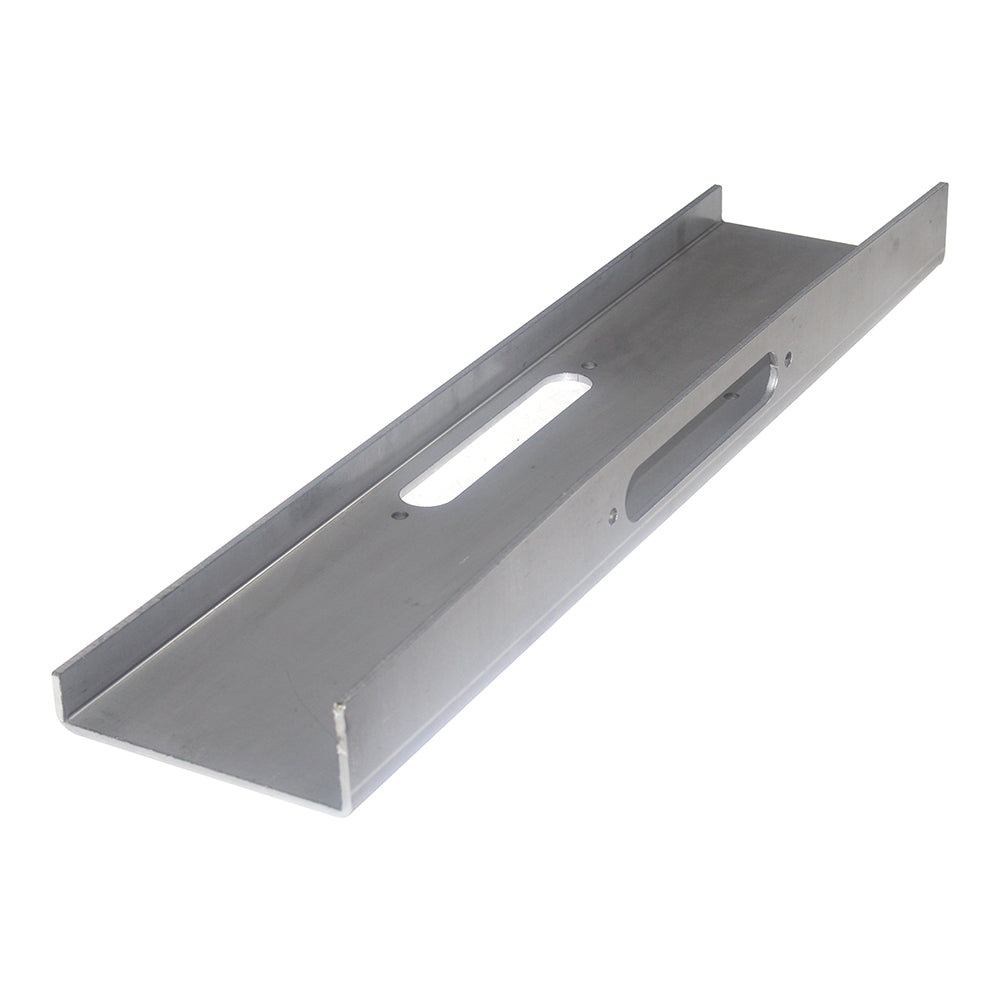
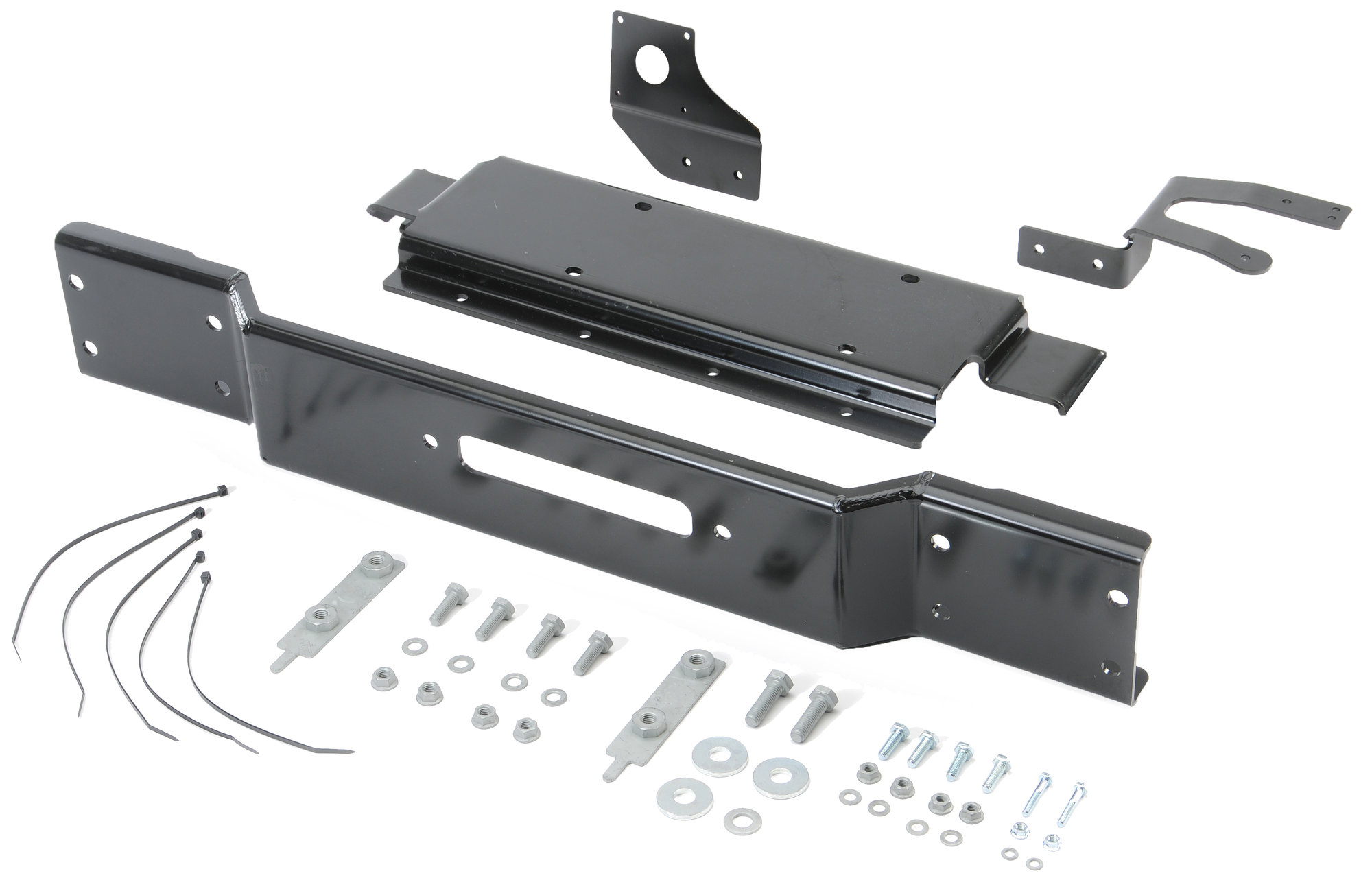
A winch mounting plate is a metal platform that bolts onto your vehicle, providing a secure base for your winch. The plate is usually made of steel or aluminum, designed to handle heavy pulling forces. It acts as a bridge between the winch and the vehicle’s frame, distributing the load during winching.
Without a proper mounting plate, your winch can shift, fail, or even damage the vehicle. The plate is engineered to match the bolt pattern of common winches and is shaped for specific vehicle types. Some plates are universal, while others are custom-fit.
Often, these plates come with pre-drilled holes that align with most winches on the market. This makes installation easier and ensures a secure fit, which is especially important when using the winch in tough conditions. Some plates even have welded brackets or reinforcement ribs for extra strength, helping to spread the pulling force more evenly.
Key Functions
- Load distribution: Spreads the force across the vehicle’s frame, preventing damage.
- Stability: Keeps the winch firmly in place, even under extreme tension.
- Safety: Reduces risk of bolts tearing out or winch detaching during use.
A mounting plate is not just a flat piece of metal. Many are designed with raised edges, extra mounting points, or specific contours to match vehicle frames. These details help keep the winch and cable in the correct position, which is important for safe and efficient use.
Example
Imagine you are stuck in mud and use your winch to pull your truck out. The winch creates several thousand pounds of force. If it is not mounted correctly, the pressure can bend the bumper or rip the bolts out.
The mounting plate ensures all that force is absorbed safely.
If you have ever seen a winch mount fail, you know it is not just a minor inconvenience. The winch can break free or damage the front end of your vehicle, leading to costly repairs and even dangerous situations. That’s why the mounting plate is considered a must-have by most off-roaders.
Why Is A Mounting Plate Necessary?
Many people wonder if they can bolt the winch directly to the bumper or another metal part. In most cases, this is not recommended. Let’s look at the reasons.
Strength And Reliability
Most bumpers are not built to handle high pulling forces. A winch can exert 6,000 to 12,000 pounds of force or more. Standard bumpers may flex, crack, or fail. Mounting plates are engineered for this stress. They are thicker, reinforced, and designed for the load.
For example, a typical stock bumper might be made from thin steel or even plastic with a small internal bracket. Even if the bumper feels sturdy by hand, it is not designed to handle the dynamic forces of a winch pull.
In contrast, a proper plate made from 1/4-inch steel will handle repeated use without flexing or bending.
Compatibility
Winch mounting plates have bolt patterns that match popular winches (like Warn, Smittybilt, or Superwinch). This ensures the winch fits perfectly and stays secure. Custom or universal plates come with multiple hole patterns.
Another benefit is that the plate often includes mounting locations for other recovery accessories, like fairleads or shackles. This makes your recovery setup more organized and reliable.
Safety Considerations
Using the wrong mounting surface can be dangerous. If the winch pulls loose, it can cause injury or damage. The mounting plate ensures a safe connection, protecting people and vehicles.
What many people do not realize is that the sudden release of force from a failed winch mount can send parts flying. This has led to serious injuries in real-world situations. The mounting plate is a small investment that greatly reduces this risk.
Insurance And Warranty
Some vehicle warranties and insurance policies require a proper mounting plate for recovery equipment. Installing a winch without one could void coverage.
If there’s an accident and the insurance company finds out the winch was not properly mounted, they may refuse to pay for damages. This is especially important if you have a newer vehicle or a financed truck, where coverage is essential.
Types Of Winch Mounting Plates
There are several types of mounting plates. Choosing the right one is important for safety and performance.
| Type | Material | Vehicle Compatibility | Typical Price Range |
|---|---|---|---|
| Universal Plate | Steel, Aluminum | Most trucks/ATVs | $40–$100 |
| Custom-Fit Plate | Steel | Specific models | $80–$200 |
| Bumper-Integrated Plate | Steel | Off-road bumpers | $200–$600 |
| Hidden Plate | Steel | OEM/stock bumpers | $150–$400 |
Universal Plates
These fit a wide range of winches and vehicles. They are ideal if you want flexibility or have a less common vehicle.
Universal plates are also a good choice if you plan to move your winch between vehicles. For example, some people use a removable winch setup that can be shared between a truck and an SUV.
Custom-fit Plates
Designed for specific models, these plates offer the best fit and performance. They often match the shape of your frame or bumper.
A custom-fit plate usually comes with hardware and instructions made for your vehicle, making installation faster and eliminating guesswork. This is helpful if you want a clean, factory-style appearance.
Bumper-integrated Plates
Some aftermarket bumpers come with built-in mounting plates. This saves installation time and improves appearance.
If you plan to upgrade both your bumper and add a winch, getting an integrated setup can save money in the long run. These bumpers are made for off-road use, so the plate is already in the strongest position.
Hidden Plates
These install behind the factory bumper, keeping your vehicle’s look unchanged. Ideal for those who prefer a clean appearance.
Hidden plates are popular for daily drivers who do not want a visible winch all the time. They are also useful in areas where local laws restrict exterior modifications.
How To Choose The Right Plate
Selecting the correct mounting plate is essential. Here is a practical approach:
- Check winch capacity. Your plate must handle the rated pull of your winch.
- Match bolt pattern. Look for plates compatible with your winch’s mounting holes.
- Fit to vehicle. Make sure the plate suits your frame or bumper.
- Material strength. Prefer thick steel (1/4-inch or more) for heavy winches.
- Finish. Powder coating or galvanization resists rust.
- Installation method. Some plates require drilling, others bolt onto existing holes.
Before buying, measure the space on your vehicle and compare it with the plate’s dimensions. A plate that is too large or small can be difficult to install or may not position the winch correctly.
Common Mistakes
- Using a plate that is too thin or weak
- Buying a plate with the wrong bolt pattern
- Not securing the plate to the frame (mounting to bumper only)
- Ignoring rust or corrosion resistance
Many first-time buyers choose the cheapest option, but this can lead to problems. A high-quality plate will last the lifetime of your vehicle and may even transfer to your next vehicle if you upgrade.
Winch Mounting Plate Vs. Direct Mounting
Some people try to mount their winch directly to a bumper or frame. Is this safe or recommended?
Direct Mounting Risks
- Structural damage: Most bumpers are not strong enough.
- Poor alignment: Winch may not pull straight, leading to cable damage.
- Bolt failure: Bolts can tear out under load.
Sometimes, direct mounting seems to work for light loads or short pulls, but the risk increases with repeated use or heavy winching. Even if it looks secure, hidden cracks or stretched bolts can fail without warning.
Plate Advantages
- Designed for pulling forces
- Bolt patterns match winches
- Distributes load safely
A quality mounting plate not only protects your vehicle but also helps your winch last longer. By keeping the winch aligned and secure, you reduce wear on the cable and motor.
Comparison Table
| Aspect | Mounting Plate | Direct Mounting |
|---|---|---|
| Strength | High | Low to Medium |
| Safety | Reliable | Risky |
| Ease of Installation | Moderate | Easy (but unsafe) |
| Warranty Support | Yes | No |
| Resale Value | Higher | Lower |
Installation Process
Mounting a winch plate is not difficult, but it does require careful work. Here’s a step-by-step guide:
Step 1: Preparation
- Gather tools: Wrenches, socket set, drill (if needed), bolts, and safety gear.
- Read your vehicle and winch manual for bolt sizes and torque settings.
Also, lay out all parts and hardware before you begin. Checking that nothing is missing will save you time and frustration during installation.
Step 2: Positioning
- Place the mounting plate on the frame or bumper area.
- Align bolt holes. If holes do not match, mark and drill carefully.
It’s smart to use a helper to hold the plate in place while you check alignment. Some plates are heavy or awkward, and an extra set of hands can prevent mistakes or injuries.
Step 3: Securing The Plate
- Use grade 8 bolts for strength.
- Tighten bolts to recommended torque.
- Check for movement or play.
High-strength bolts are critical. Lower grade bolts can stretch or break under load, which is a common cause of failures. Always use washers to spread the load.
Step 4: Mounting The Winch
- Attach the winch to the plate using the correct bolt pattern.
- Tighten bolts evenly.
Uneven tightening can twist the winch or create weak points. Use a crisscross pattern when tightening bolts, similar to changing a tire.
Step 5: Final Checks
- Inspect for clearance issues.
- Test winch operation without load.
- Recheck bolts after first use.
Some users forget to check for cable alignment—make sure the cable feeds smoothly onto the drum. If it rubs against the bumper or plate, adjust as needed.
Practical Tips
- Use anti-seize compound on bolts to prevent rust.
- Re-check installation after heavy use.
- If unsure, ask a professional to install.
If you plan to use your winch in water or mud, spray the mounting plate with rust inhibitor after installation. This extends the life of the plate and bolts.
Real-world Examples
Let’s look at a few scenarios.
Off-road Truck
A driver installs a 12,000 lb winch on his Ford F-150. He uses a steel mounting plate, bolted to the frame. During recovery, the winch pulls the vehicle out without flexing the bumper. Without a plate, the bumper would have bent, and the winch could have failed.
In one case, a user tried to pull out a stuck vehicle using only a bumper-mounted winch. The bumper tore away from the frame, damaging the body and leaving the vehicle stranded. After switching to a proper mounting plate, he had no further problems.
Atv
An ATV owner mounts a smaller winch (3,500 lb) using a universal plate. The plate fits the frame and distributes force during winching. Direct mounting would have cracked the plastic bumper.
Many ATV users choose lightweight aluminum plates. These are strong enough for the lower forces involved but still offer much better safety and reliability than mounting directly to plastic or thin metal parts.
Jeep Wrangler
A Jeep owner buys an aftermarket bumper with an integrated plate. The installation is easier and looks neat. The winch works safely, and the resale value of the vehicle is higher.
This owner later sold the Jeep to another off-roader, who was impressed by the professional installation. This made the sale faster and brought a higher price compared to similar Jeeps with poorly mounted winches.
Common Questions And Misconceptions
Many people have doubts about winch mounting plates. Here are some clarifications.
“can I Use My Stock Bumper?”
Most factory bumpers are not designed for winch loads. Using them without a plate is risky.
Even if your bumper feels solid, the internal brackets or mounting points may not be strong enough. Over time, repeated winching can bend or crack the bumper, leading to expensive repairs.
“are Aluminum Plates Strong Enough?”
Aluminum plates are lighter but usually suitable for small winches (under 6,000 lb). For heavy-duty use, steel is better.
If you want to save weight on an ATV or UTV, aluminum is a good choice. For trucks or Jeeps, go with steel for maximum safety.
“do I Need To Drill My Frame?”
Some plates fit existing holes. Others require drilling. Always follow the manufacturer’s instructions.
Drilling should be done carefully and only as a last resort. Use rust-resistant paint on any new holes to prevent corrosion.
“can I Hide The Plate?”
Hidden plates are available for many vehicles. They mount behind the bumper and are almost invisible.
This option is popular for people who want the benefits of a winch but prefer a factory look. Just make sure the plate is rated for your winch’s capacity.
“is Installation Expensive?”
Professional installation costs $100–$400. DIY installation is cheaper if you have the tools.
If you lack experience or tools, it’s worth paying for professional help. A poor installation can be more costly in the long run.
Signs You Need A Mounting Plate
Here are clear signs you need a plate:
- Winch rating over 3,000 lb
- Vehicle used for off-roading or recovery
- No existing winch-ready bumper
- Frame does not have winch bolt holes
- Manufacturer instructions recommend a plate
If you plan to use your winch for emergency recovery or in tough conditions, a proper plate is essential. Even occasional use can stress weak mounting points.
Technical Details And Stats
A winch can pull with extreme force. For example:
- A 10,000 lb winch exerts about 1,000 psi on mounting bolts.
- Standard bumpers are often 1/8-inch steel or thinner.
- Mounting plates are usually 1/4-inch steel or thicker.
- Over 60% of winch failures are due to poor mounting (industry surveys).
Another technical detail: A winch plate must also resist twisting and bending forces from side pulls, not just straight pulls. Cheap or thin plates can flex, causing the cable to wind unevenly or jump off the drum.

Comparison: Aftermarket Vs. Stock Mounting Plates
Some vehicles come with stock mounting plates, others require aftermarket solutions. Here’s a quick comparison.
| Feature | Stock Plate | Aftermarket Plate |
|---|---|---|
| Fit | Perfect | May need adjustment |
| Strength | Medium | High |
| Finish | OEM finish | Powder coated/galvanized |
| Cost | Included | $40–$600 |
| Availability | Limited models | Wide range |
Stock plates are convenient if your vehicle has one, but they may not be strong enough for heavy-duty use. If you plan to use a large winch or do frequent recoveries, an aftermarket plate is often the better choice.
Expert Advice
If you use your winch for serious recovery, always use a mounting plate. Even for small winches, the plate adds safety and reliability. It is not worth risking your vehicle or safety to save a few dollars.
Non-obvious Insights
- Winch plates can improve resale value. Buyers prefer vehicles with professionally installed winches and plates.
- A plate can prevent frame damage. Without a plate, repeated winching can crack or bend your vehicle’s frame, leading to expensive repairs.
Another tip: If you plan to upgrade your winch in the future, choose a plate that can handle higher-rated winches. This gives you flexibility and saves money down the road.
Do I Need A Winch Mounting Plate? Final Decision
Ask yourself these questions:
- Is your winch rated over 3,000 lb?
- Does your bumper/frame have winch-ready holes?
- Will you use the winch for recovery, not just light pulling?
- Do you value safety and durability?
If you answered yes to most, you need a mounting plate. It is a small investment compared to the cost of vehicle damage or injury.
A winch plate is not just about following instructions—it is about protecting your vehicle, your investment, and the people around you. Even if you think you will never need your winch, emergencies happen when you least expect them.
Frequently Asked Questions
Can I Mount A Winch Without A Plate?
It is possible but not recommended. Most bumpers and frames are not strong enough. You risk damaging your vehicle and voiding warranties.
What Material Is Best For A Mounting Plate?
Steel is the best for strength and durability. Aluminum is lighter but only suitable for small winches.
How Much Does A Mounting Plate Cost?
Prices range from $40 to $600 depending on type, material, and vehicle. Custom-fit plates are more expensive.
Are Mounting Plates Universal?
Some plates are universal, but custom-fit plates offer better performance and safety. Always check compatibility.
Where Can I Find More Information?
For more technical details, visit WARN’s official site.
Final Thoughts
A winch mounting plate is not just a metal accessory—it is a critical safety part. Using one means your winch works reliably, your vehicle stays safe, and you avoid costly repairs. Whether you are an off-roader, a work truck owner, or an ATV enthusiast, a mounting plate is almost always the smart choice.
Take the time to choose the right plate, install it carefully, and enjoy worry-free recovery. Never underestimate the importance of proper mounting—your vehicle and safety depend on it.