Replacing a winch cable is a task that can seem intimidating at first, especially if you have never worked with a winch before. Whether you use your winch for off-roading, boat launching, or industrial work, a damaged cable can put your equipment—and your safety—at risk.
Knowing how to replace a winch cable not only saves money but also helps prevent accidents. With clear guidance, practical tips, and a few non-obvious tricks, even beginners can tackle this job confidently and get their winch back in action.

49% off Today's Exclusive Deals
Limited-time Exclusive Deals. Check current discount on Amazon.
Check Price on Amazon As an Amazon Associate I earn from qualifying purchases.Why Replace A Winch Cable?
A winch cable is under constant stress. Over time, cables can fray, kink, or break, especially after heavy use or exposure to harsh conditions. Using a damaged cable is dangerous—it can snap, causing injuries or equipment damage. Replacing your winch cable is necessary when you notice:
- Fraying wires
- Visible kinks or bends
- Broken strands
- Severe rust or corrosion
- Flat spots
Modern winches often use either steel cables or synthetic ropes. Each material has its pros and cons. For example, steel cables are strong and durable but can cause injury if they break. Synthetic ropes are lighter and safer but may wear out faster in UV light or abrasion.
Tools And Materials Needed
Before starting, gather these essential items:
49% off Today's Exclusive Deals
Limited-time Exclusive Deals. Check current discount on Amazon.
Check Price on Amazon As an Amazon Associate I earn from qualifying purchases.- Replacement winch cable or rope (check the length and diameter required for your winch)
- Gloves (protect your hands from sharp wires)
- Safety glasses
- Socket set or wrench
- Screwdriver
- Pliers
- Allen key (sometimes needed for set screws)
- Cable clamps (if required)
- Winch manual (for reference)
- Lubricant (for steel cables)
- Cable stopper (optional for safety)
Having everything ready saves time and reduces the risk of mistakes.
Choosing The Right Winch Cable
Selecting the correct winch cable is crucial. The wrong cable may not fit your winch or could break under load. Here are key factors to consider:
| Feature | Steel Cable | Synthetic Rope |
|---|---|---|
| Strength | High (up to 12,000 lbs) | High (similar ratings) |
| Weight | Heavy | Light |
| Safety | Can recoil dangerously | Safer if snapped |
| Durability | Resistant to UV | Vulnerable to UV |
| Maintenance | Needs lubrication | Easy to clean |
Steel cables are best for heavy-duty work, while synthetic ropes are ideal for recreational use and safety. Always check your winch’s manual for recommended sizes and types. Using a cable that’s too thin or too short can lead to failure.
Safety Precautions
Replacing a winch cable requires attention to safety. Many beginners ignore basic steps, which can lead to injury. Here are some safety tips:
49% off Today's Exclusive Deals
Limited-time Exclusive Deals. Check current discount on Amazon.
Check Price on Amazon As an Amazon Associate I earn from qualifying purchases.- Wear gloves to avoid cuts from frayed wires
- Disconnect the winch from power before working
- Work on a flat surface
- Keep bystanders away
- Inspect the drum and other parts for damage
If your winch has been exposed to saltwater or chemicals, clean the drum thoroughly before installing the new cable.
Removing The Old Winch Cable
The first real step is removing the old cable. Follow these practical instructions:
- Disconnect the winch power. Remove the battery cables or unplug the winch.
- Release cable tension. Use the winch’s free-spool mode to unwind the cable.
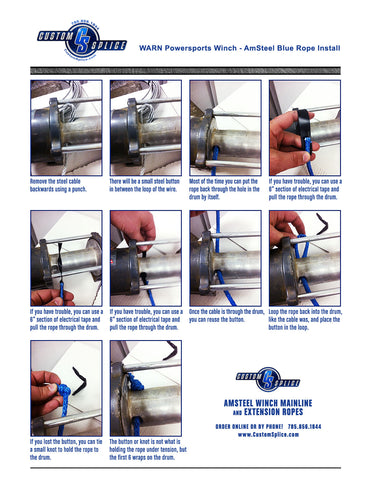
- Remove cable from drum. Look for a retaining bolt or set screw at the drum. Use a socket set or screwdriver to loosen it.
- Pull out cable. Carefully pull the cable out, wearing gloves to protect your hands.
- Inspect the drum. Check for rust, debris, or damage. Clean as needed.
Some winches have a cable clamp instead of a bolt. In such cases, loosen the clamp with pliers or a wrench. If the cable is stuck, use penetrating oil and let it sit for a few minutes.
Installing The New Winch Cable
Installing a new winch cable requires patience and accuracy. Here’s a step-by-step guide:
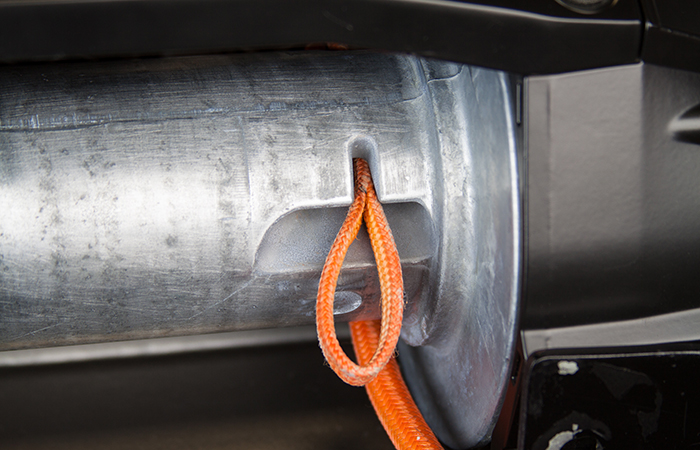
- Attach cable to drum. Slide the cable’s end into the drum hole. Secure it with the bolt, set screw, or clamp. Make sure it’s tight.
- Pre-tension the cable. Pull the cable straight with no slack, then turn the drum by hand.
- Wind the cable. Use the winch’s slowest speed to wind the cable. Keep tension on the cable so it wraps tightly and evenly.
- Guide the cable. Wear gloves and guide the cable into the drum’s grooves to avoid overlapping or tangling.
- Check for alignment. The cable should wind smoothly with no kinks or bunching.
- Install cable stopper (optional). This protects the winch hook and drum.
For synthetic ropes, make sure the rope is clean and dry. Avoid winding wet or muddy rope onto the drum, as it can cause slipping.

Common Mistakes To Avoid
Many people make errors that lead to cable failure or unsafe winch operation. Here are some mistakes to watch out for:
- Winding cable with slack. Loose winding creates uneven tension and can cause tangling.
- Using the wrong cable size. Always check your winch’s manual for the correct diameter and length.
- Ignoring drum alignment. Poor alignment leads to uneven winding and cable damage.
- Not cleaning the drum. Dirt and rust can weaken new cables.
- Over-tightening bolts. This can strip threads or damage the drum.
- Skipping safety gear. Never work without gloves and eye protection.
A non-obvious tip: If you switch from steel cable to synthetic rope, replace the fairlead with a hawse fairlead (smooth aluminum) instead of a roller fairlead, which can damage synthetic rope.
Winch Cable Maintenance
After installation, proper maintenance keeps your cable in good shape and extends its life. Here are some practical steps:
- Inspect regularly for fraying, kinks, or broken strands
- Lubricate steel cables every few months using a light oil
- Clean synthetic rope with fresh water after muddy or salty use
- Keep cable dry to prevent rust or mold
- Store winch indoors if possible
| Maintenance Task | Steel Cable | Synthetic Rope |
|---|---|---|
| Inspection | Monthly | Monthly |
| Cleaning | Wipe with oil | Wash with water |
| Lubrication | Light oil | Not needed |
| UV Protection | Not required | Store out of sun |
A non-obvious insight: Always unwind your cable fully at least once a year, lay it flat, and inspect every inch. Many beginners only check the visible part, missing hidden damage deeper in the drum.
When To Upgrade Your Winch Cable
Sometimes, replacing your cable is not enough—you may need an upgrade. Here are signs you should consider a better cable:
- Frequently winching heavy loads
- Extreme weather exposure
- Visible wear after short use
- Switching from steel to synthetic for safety
- Need for faster winching
Upgrading to a synthetic rope can make winching safer and easier. If you do, remember to change your fairlead and check for compatibility with your winch drum.
Troubleshooting Winch Cable Issues
Even after replacement, problems can arise. Here are some common issues and how to fix them:
Cable Slipping
If the cable slips during winching, check the drum attachment. Tighten the set screw or clamp. For synthetic rope, make sure the knot or eyelet is secure.
Uneven Winding
Uneven winding happens if you do not maintain tension. Always keep the cable tight and guide it by hand. If you notice bunching, unwind and rewind carefully.
Cable Binding
Binding occurs when the cable overlaps or gets stuck. Unwind the cable, straighten it, and wind again. If it keeps happening, check the drum for damage or replace the cable.
Noisy Operation
A noisy winch may indicate a dry drum or loose cable. Lubricate steel cables and check all bolts.
Real-world Example: Off-road Recovery
Imagine you are off-roading and your vehicle is stuck in mud. You reach for your winch, but the cable is frayed. Replacing the cable quickly is critical. Here’s how an experienced off-roader does it:
- Carries a spare cable and tools on every trip
- Uses gloves and keeps bystanders away
- Removes the damaged cable on-site
- Attaches a new synthetic rope for faster, safer recovery
- Checks drum alignment and tension
- Inspects the entire winch before use
Many off-roaders prefer synthetic ropes for quick repairs and reduced injury risk. This practical approach can save time and prevent further trouble.
Data: Winch Cable Lifespan
According to industry studies, the average lifespan of a steel winch cable is 3–5 years with moderate use. Synthetic ropes last 2–4 years but may degrade faster in sunlight. Overloading, poor maintenance, and rough environments reduce lifespan by up to 40%.
| Winch Cable Type | Average Lifespan | Common Failure Cause |
|---|---|---|
| Steel Cable | 3–5 years | Fraying, rust |
| Synthetic Rope | 2–4 years | UV, abrasion |
Regular inspection and proper care can extend these numbers by up to 20%. Beginners often ignore maintenance, leading to early replacement.
Environmental Considerations
Steel cables are recyclable, but synthetic ropes are not always eco-friendly. If you replace a cable, dispose of it properly. Some local recycling centers accept steel winch cables. Synthetic ropes should be cut and discarded to prevent misuse.
Where To Find Quality Winch Cables
Quality matters when buying a replacement cable. Look for reputable brands and suppliers. Avoid cheap, unbranded cables—they may fail under load. Check for:
- Load rating (matches your winch)
- Correct length and diameter
- Manufacturer warranty
- Customer reviews
Many top brands offer cables with safety certifications. For detailed specs, visit the Warn Industries website, a trusted source in the winch industry.
Cost Of Replacing A Winch Cable
The price of a winch cable varies based on material and length. Steel cables usually cost $40–$120, while synthetic ropes range from $80–$200. Labor costs for professional replacement are $50–$100. Doing it yourself saves money, but always invest in quality tools and safety gear.
Expert Tips For Beginners
- Read your winch manual before starting
- Take photos during removal to remember attachment points
- Double-check cable attachment before winding
- Do not rush—patience prevents mistakes
- Test the winch with a light load after installation
An often-missed detail: After installation, run the winch for a few feet under load, then re-tighten all bolts. Cables can settle after the first use.
Frequently Asked Questions
How Often Should I Replace My Winch Cable?
Most winch cables last 3–5 years with normal use. Replace immediately if you see fraying, kinks, or broken wires. Regular inspection helps catch problems early.
Can I Switch From Steel Cable To Synthetic Rope?
Yes, you can switch. Make sure your winch drum is compatible and replace the fairlead with a hawse fairlead. Synthetic rope is safer and lighter but needs more care in sunlight.
What Is The Best Way To Dispose Of An Old Winch Cable?
Steel cables can be recycled at local centers. Synthetic ropes should be cut into short lengths and thrown away to prevent misuse. Always follow local regulations.
Do I Need To Lubricate Synthetic Winch Rope?
No, synthetic rope does not need lubrication. Wash it with water after muddy or salty use. Keep it dry and store out of direct sunlight.
Is Professional Installation Worth It?
If you are unsure or do not have tools, professional installation is safer. Experts can check your winch for hidden issues and ensure correct cable tension. If you are confident, DIY is a good option.
Replacing your winch cable is not just a maintenance task—it is an essential skill for anyone who relies on a winch. With the right tools, proper safety steps, and careful installation, you can keep your winch running reliably and safely.
Remember to check your cable often, choose quality replacements, and never ignore signs of wear. Whether you are working on an off-road vehicle, a boat trailer, or industrial equipment, knowing how to replace a winch cable gives you confidence and peace of mind.