Are you curious about how diesel engines work? You might have wondered if they use spark plugs like gasoline engines do.
Understanding this can clear up common misconceptions and help you take better care of your vehicle. Keep reading to discover the truth about diesel engines and why they operate differently from what you might expect. This knowledge could change the way you think about your engine’s performance and maintenance.

49% off Today's Exclusive Deals
Limited-time Exclusive Deals. Check current discount on Amazon.
Check Price on Amazon As an Amazon Associate I earn from qualifying purchases.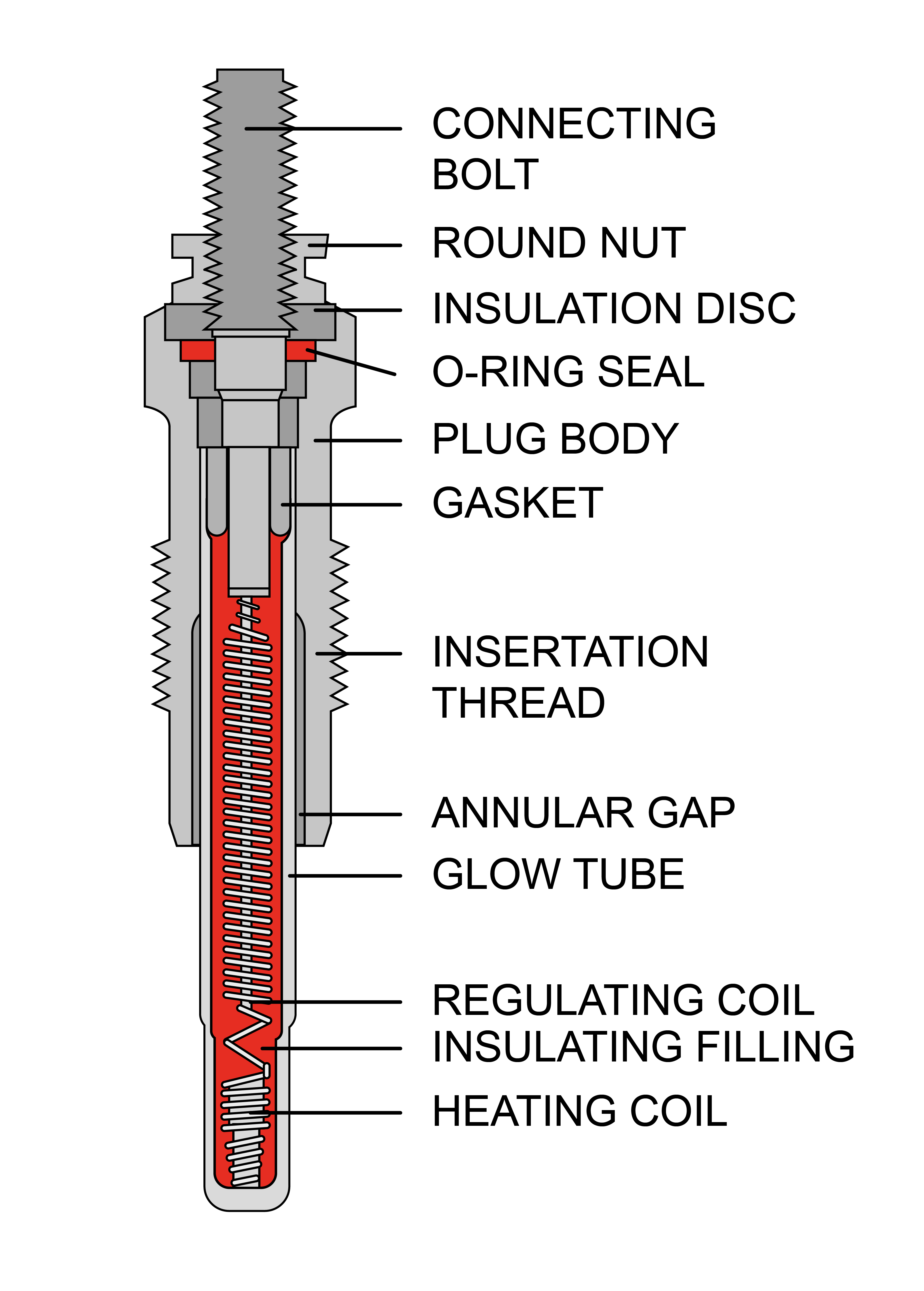
How Diesel Engines Work
Diesel engines work differently from gasoline engines. They do not use spark plugs to start the combustion process. Instead, they rely on high compression to ignite the fuel. This makes diesel engines more efficient and powerful for many heavy-duty tasks.
Compression Ignition Basics
Diesel engines compress air inside the cylinder to very high pressure. This compression raises the air temperature to a point hot enough to ignite fuel. When diesel fuel is injected, it catches fire due to the heat. No spark is needed to start the engine.
This process is called compression ignition. It allows diesel engines to run on heavier fuel. It also creates more torque, which is useful for trucks and machines.
49% off Today's Exclusive Deals
Limited-time Exclusive Deals. Check current discount on Amazon.
Check Price on Amazon As an Amazon Associate I earn from qualifying purchases.Fuel Injection Process
Fuel injection is a key part of how diesel engines work. Diesel fuel is injected directly into the combustion chamber. The fuel spray mixes with the hot air and ignites immediately.
The timing and pressure of injection control how well the engine runs. Modern diesel engines use advanced injectors for better fuel delivery. This helps improve power and reduce emissions.
Role Of Spark Plugs In Engines
Spark plugs play a key role in many engines. They create the spark needed to start the engine’s combustion process. Without spark plugs, some engines cannot run at all. They deliver electricity to ignite the fuel-air mix inside the engine’s cylinders.
This ignition is crucial for the engine to produce power. Spark plugs must work precisely and reliably. Their design and function affect engine efficiency, performance, and emissions.
49% off Today's Exclusive Deals
Limited-time Exclusive Deals. Check current discount on Amazon.
Check Price on Amazon As an Amazon Associate I earn from qualifying purchases.Function In Gasoline Engines
Gasoline engines need spark plugs to ignite the fuel mixture. The spark plug sends a spark at the right time to start combustion. This controlled explosion pushes the piston down, creating power.
Each cylinder in a gasoline engine usually has one spark plug. The spark plug must handle heat, pressure, and electricity. It also helps burn fuel efficiently to reduce waste and pollution.
Why Spark Plugs Are Needed
Spark plugs are needed for starting the combustion in gasoline engines. They produce a spark to ignite the fuel-air mix. Without a spark, the fuel cannot burn properly.
This ignition creates the power that moves the vehicle. Spark plugs also support smooth engine running. They help maintain engine performance and fuel economy.
Do Diesel Engines Use Spark Plugs?
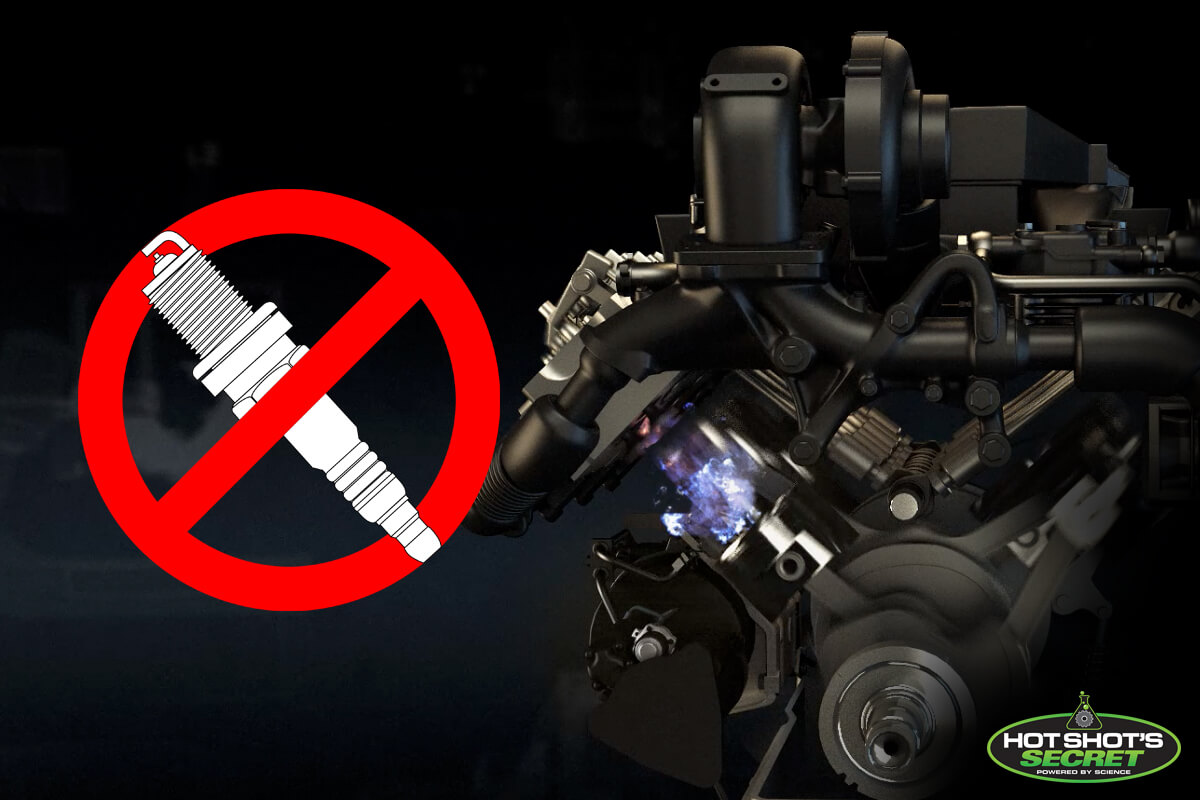
Many people wonder if diesel engines use spark plugs like gasoline engines do. The simple answer is no. Diesel engines do not need spark plugs to start or run. They use a different method to ignite the fuel inside the engine.
Common Misconceptions
Some believe diesel engines have spark plugs because both types burn fuel to create power. This is not true. Diesel engines rely on heat from compressed air to ignite the fuel. They do not use any electrical spark for ignition. This misunderstanding leads to confusion about how diesel engines work.
Differences Between Diesel And Gasoline Engines
Gasoline engines use spark plugs to ignite the air-fuel mix. Diesel engines compress air to very high pressures, making it hot enough to ignite fuel. This process is called compression ignition. Diesel engines have glow plugs, not spark plugs. Glow plugs help start the engine in cold weather by warming the air in the cylinder.
Glow Plugs Vs Spark Plugs
Diesel engines and gasoline engines work differently. One key difference is how they ignite fuel. Gasoline engines use spark plugs to start combustion. Diesel engines do not have spark plugs. Instead, they use glow plugs. Glow plugs and spark plugs serve different roles. Understanding these roles helps explain how diesel engines start and run.
Purpose Of Glow Plugs
Glow plugs heat the air inside the diesel engine’s cylinder. Diesel engines rely on high temperature to ignite fuel. Glow plugs create this heat when the engine is cold. They help the engine start smoothly in cold weather. Without glow plugs, diesel engines struggle to start in low temperatures.
How Glow Plugs Assist Diesel Engines
Glow plugs warm the air before fuel injection. This heat helps diesel fuel ignite quickly. Glow plugs stay on for a short time after starting. They keep the engine running until it reaches normal temperature. This process reduces smoke and rough running. Glow plugs improve engine efficiency and reduce emissions during startup.
Benefits Of Diesel Engine Design
Diesel engines have a unique design that sets them apart from gasoline engines. This design offers several benefits that many drivers appreciate. Understanding these benefits helps explain why diesel engines remain popular in many vehicles and machines.
From saving fuel to lasting longer, diesel engines provide strong advantages. Their design plays a big role in how they perform and why they are preferred for heavy-duty tasks.
Fuel Efficiency
Diesel engines use fuel more efficiently than gasoline engines. They extract more energy from each drop of fuel. This means diesel vehicles often travel farther on less fuel. The higher compression ratio in diesel engines helps burn fuel completely. This efficient burning reduces fuel waste and lowers costs for drivers.
Durability And Performance
Diesel engines are built tough to handle high pressure. Their strong parts last longer under heavy use. This makes them ideal for trucks, buses, and industrial machines. Diesel engines deliver high torque at low speeds. This power helps move heavy loads and climb steep hills easily. Their durable design means fewer repairs and longer engine life.
Common Diesel Engine Issues
Diesel engines are strong and reliable, but they can have some common problems. Knowing these issues helps keep the engine running well. Some problems may seem small but can cause big trouble if ignored.
Many diesel engine issues relate to starting and heating parts. These parts are crucial for good engine performance, especially in cold weather. Below, we explain two main problems diesel engines face.
Glow Plug Problems
Diesel engines do not use spark plugs. Instead, they use glow plugs to start. Glow plugs heat the engine’s cylinders. This heat helps the fuel burn properly. When glow plugs fail, the engine may struggle to start. You might notice rough idling or smoke from the exhaust. Glow plugs can wear out or get dirty. Checking and replacing them keeps the engine healthy.
Cold Start Challenges
Starting a diesel engine in cold weather is hard. Diesel fuel thickens in low temperatures. Thick fuel moves slower through the engine. This makes ignition difficult without enough heat. Cold air can also cool the engine block too fast. Glow plugs work harder in the cold. Weak glow plugs cause longer start times or no start at all. Using the right fuel and warming the engine helps solve this issue.
Maintaining Diesel Engines
Diesel engines need regular care to run smoothly and last longer. Proper maintenance helps avoid costly repairs and keeps the engine efficient. Simple checks and timely care can make a big difference in engine performance.
Glow Plug Maintenance Tips
Glow plugs help start diesel engines in cold weather. Check glow plugs for signs of wear or damage. Replace faulty glow plugs to ensure easy starts. Clean the plugs gently to remove dirt and carbon buildup. Test the plugs regularly using a multimeter for proper function.
Regular Engine Checks
Check engine oil levels often to keep the engine lubricated. Replace oil and filters according to the manufacturer’s schedule. Inspect air filters and clean or replace them if clogged. Look for leaks or unusual noises that might signal problems. Monitor coolant levels to prevent overheating and engine damage.

Frequently Asked Questions
Do Diesel Engines Require Spark Plugs To Start?
No, diesel engines do not need spark plugs. They ignite fuel through compression heat, not a spark.
How Do Diesel Engines Ignite Fuel Without Spark Plugs?
Diesel engines compress air to create high heat. This heat then ignites the injected fuel automatically.
What Replaces Spark Plugs In Diesel Engines?
Diesel engines use glow plugs instead. Glow plugs help start the engine by heating the combustion chamber.
Can A Diesel Engine Run With Faulty Glow Plugs?
A diesel engine can run with bad glow plugs, but it will be hard to start, especially in cold weather.
Conclusion
Diesel engines do not use spark plugs to start. They rely on heat from compressed air to ignite fuel. This difference makes diesel engines more efficient and durable. Knowing this helps understand how diesel vehicles work. It also explains why diesel and gasoline engines need different parts.
Remember, spark plugs are only in gasoline engines. Diesel engines use glow plugs for cold starts instead. This basic fact clears up common engine confusion. Understanding it helps with vehicle care and repairs. Diesel engines run without sparks, using pressure and heat instead.


