Yes — electrical issues do show up regularly across many BMW 5 Series model years.
I’ve spent years working on late-model European cars and helping owners diagnose tricky faults. This guide explains whether Are electrical issues common in the BMW 5 Series? and why they happen. Read on for clear causes, real examples, step-by-step checks, and repair tips you can use today.

49% off Today's Exclusive Deals
Limited-time Exclusive Deals. Check current discount on Amazon.
Check Price on Amazon As an Amazon Associate I earn from qualifying purchases.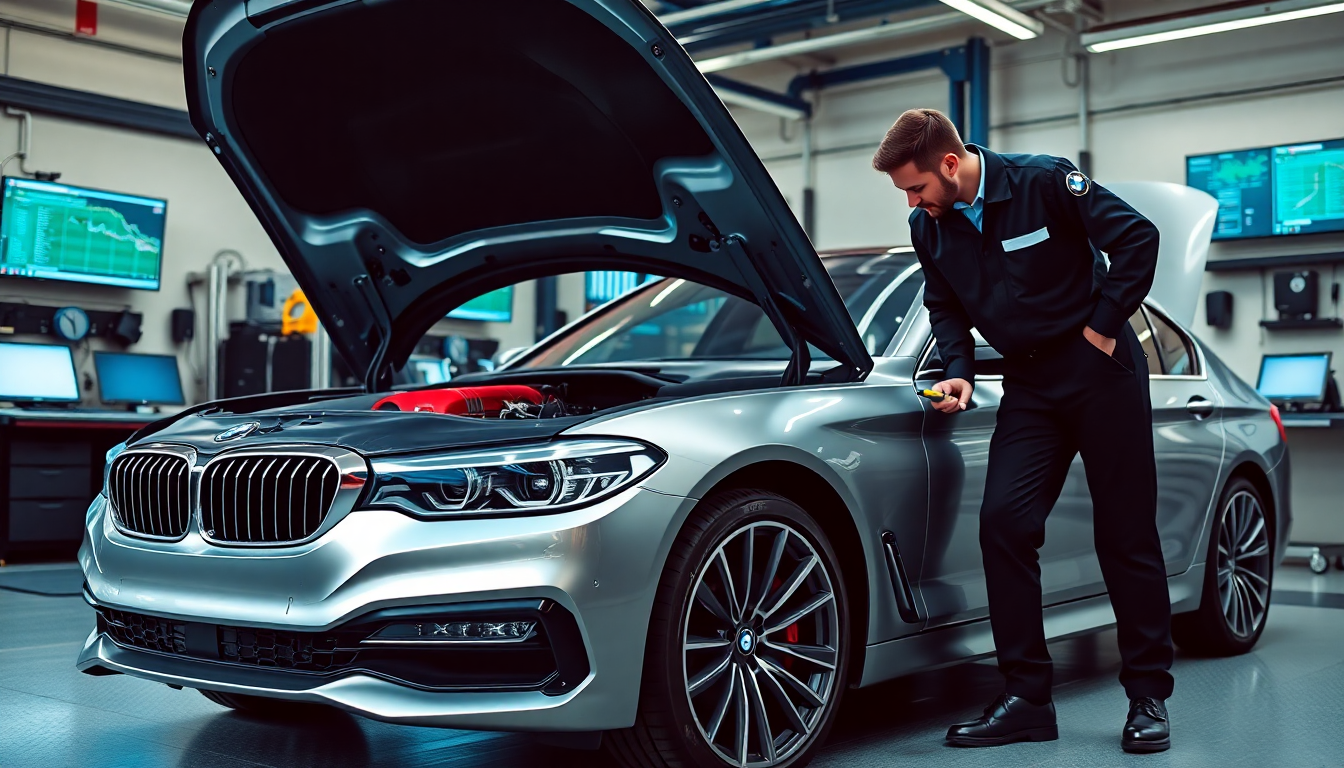
Are electrical issues common in the BMW 5 Series?
Short answer: yes, some BMW 5 Series generations have more electrical gremlins than others. The mix of advanced electronics, many control modules, and complex wiring makes certain 5 Series cars more prone to faults. When you ask Are electrical issues common in the BMW 5 Series? expect nuance: frequency depends on model year, how the car was used, and maintenance history.
Typical electrical trouble includes battery drain, warning lights, faulty window motors, iDrive glitches, and control module failures. Knowing common failure points helps you find problems fast and cut repair costs. Below I break down the causes, symptoms, diagnostics, and practical fixes I learned from years in the shop.
49% off Today's Exclusive Deals
Limited-time Exclusive Deals. Check current discount on Amazon.
Check Price on Amazon As an Amazon Associate I earn from qualifying purchases.
Common electrical issues you’ll see in the BMW 5 Series
BMW 5 Series cars use many electronic modules. That brings convenience and complexity. Here are the top issues and what they look like.
Battery and charging system faults
- Battery drain overnight or a dead battery in the morning.
Causes include parasitic draw from modules, weak battery, or poor alternator output. - Dim headlights or flickering dash lights.
These show alternator or battery problems and can be checked with a multimeter.
iDrive and infotainment glitches
- Frozen screens, random reboots, or lost navigation data.
Software bugs or failing head units often cause this. - Bluetooth and phone pairing failures.
These are usually software or module communication faults.
Door modules, window regulators, and central locking
- Windows that move slowly or stop mid-travel.
Motor wear, regulator failure, or wiring issues are common causes. - Central locking not responding or intermittent lock behavior.
Module faults, water ingress, or bad fuses are typical.
Body control modules and CAN bus communication
- Random warning lights and odd faults that come and go.
Communication errors between modules on the CAN bus cause many tricky symptoms. - Module wake-sleep issues leading to battery drain.
Software updates or module replacement may be needed.
Sensors and driver aids
- False traction control or ABS warnings.
Faulty wheel speed sensors, ABS module faults, or wiring problems appear here. - Parking sensors or camera failures.
Connector corrosion or module faults often cause these issues.
Key fob, immobilizer, and start/stop problems
- Key not recognized or car won’t start.
Key battery, antenna ring around the ignition, or immobilizer faults are likely. - Start/stop system disabled messages.
These can be caused by battery health, BMS software, or sensor issues.
Which BMW 5 Series model years are most affected?
Not all model years behave the same. Here’s a simple breakdown from my experience and repair data.
49% off Today's Exclusive Deals
Limited-time Exclusive Deals. Check current discount on Amazon.
Check Price on Amazon As an Amazon Associate I earn from qualifying purchases.- E39 (1996–2003): Classic mechanical car. Fewer electronics but some wiring age issues.
- E60 (2003–2010): Higher reports of iDrive, module, and electrical gremlins. This generation often shows that Are electrical issues common in the BMW 5 Series? applies strongly.
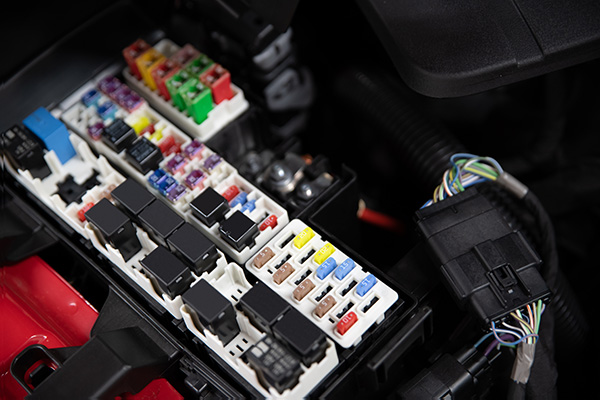
- F10 (2010–2016): Improved reliability, but still occasional software and module faults.
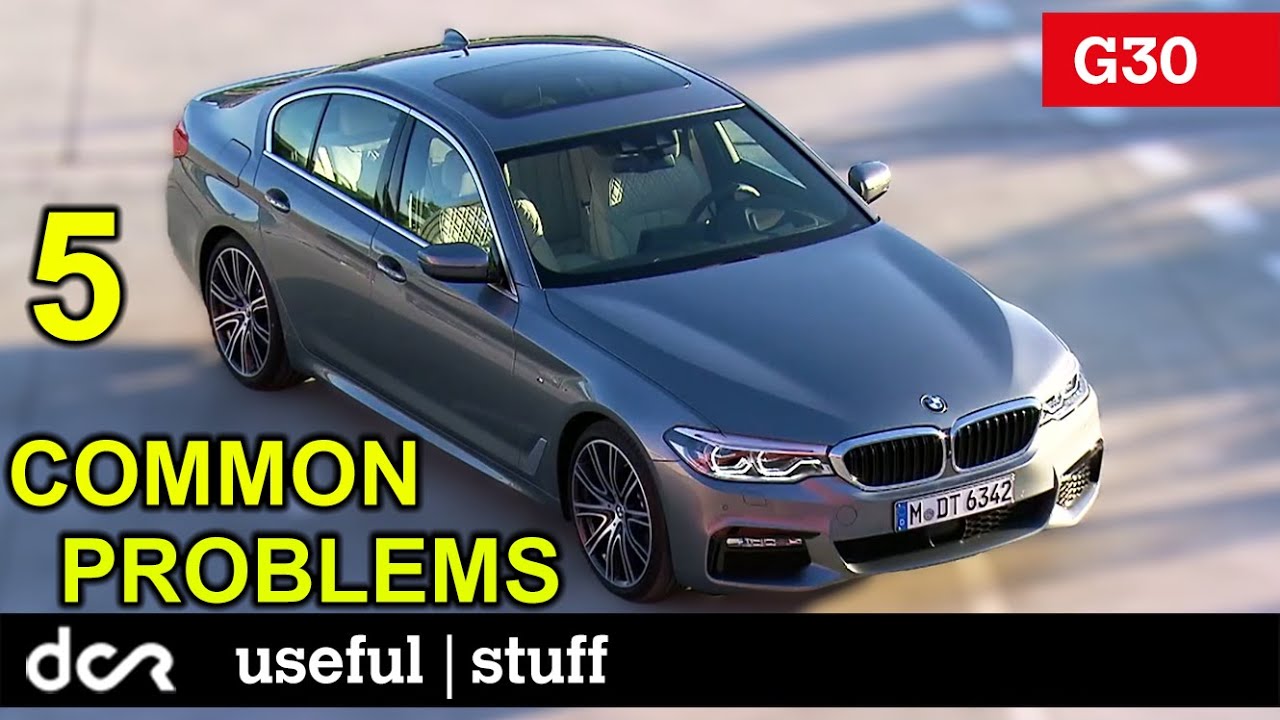
- G30 (2017+): Lots of software features. Newer features mean software bugs and network-related faults appear, but hardware reliability is better.
Older cars suffer from wear and corrosion. Newer ones rely heavily on software. Both lead to electrical issues in different ways.

How to diagnose electrical problems (step-by-step)
A clear diagnostic path saves time and money. Follow these steps before replacing parts.
-
Check basics first
- Inspect battery terminals and ground straps for corrosion or looseness.
- Test battery voltage at rest and with engine running.
-
Scan for fault codes
- Use a diagnostic scanner to read module errors and freeze frame data.
- Note both permanent and pending codes.
-
Look for parasitic drain
- Measure current draw with everything off.
- Pull fuses one by one to see which circuit draws power.
-
Visual and physical checks
- Inspect harnesses for rodent damage, pin corrosion, and water ingress.
- Wiggle connectors and move components to reproduce faults.
-
Update software and reset modules
- Check for available software updates or technical service bulletins.
- Perform module resets or coding only when needed.
-
When to hand to a pro
- If codes point to CAN bus errors, multiple module faults, or ECU replacements, get a specialist. Dealers or BMW specialists often have advanced tools and coding access.
These steps will answer Are electrical issues common in the BMW 5 Series? by isolating whether the problem is simple or deep.

Repair costs and when to see a specialist
Costs vary a lot. Here are rough ranges from shop experience.
- Battery replacement: $150 to $400.
- Alternator replacement: $300 to $900.
- iDrive head unit repair or replacement: $400 to $2,000 depending on model and labor.
- Door module or window motor: $150 to $700 per door.
- ECU or module replacement and coding: $500 to $2,500+.
Choose a specialist when:
- Multiple modules show communication errors.
- The fix needs coding or programming.
- Dealer-level diagnostic tools are required.
- You want warranty backed work.
If you ask Are electrical issues common in the BMW 5 Series? remember that costs grow when software and module coding are involved.

Maintenance and prevention: keep electrical faults at bay
Good habits reduce risk. Try these preventive steps.
-
Replace the main battery every 4–6 years.
A weak battery stresses alternators and modules. -
Keep terminals and grounds clean and tight.
Poor grounds cause strange faults. -
Avoid cheap aftermarket electronics.
Poor installs cause wiring faults and drain. -
Update software when recommended.
Many electrical bugs are fixed with updates. -
Protect against water and rodents.
Clean drains and use wire looms where cables are exposed.
Following these tips lowers the chance you’ll ask Are electrical issues common in the BMW 5 Series? for your car.

Personal experience: lessons from the shop
I once repaired an F10 with a phantom battery drain. The scan showed no clear fault. I measured current draw and found a module never sleeping. A software reflash resolved it. Total cost was modest and the owner was relieved.
Another time an E60 arrived with an unreliable window and many unrelated lights. The real problem was a corroded ground in the door harness. One repair fixed many symptoms at once.
Lessons I learned:
- Start with simple checks.
- Scans without context can mislead.
- Software updates often help.
- Trust your senses: smells, sounds, and visual clues matter.
These hands-on experiences shape a realistic answer to Are electrical issues common in the BMW 5 Series? Yes, they are, but many are preventable and fixable.
Practical tips when buying a used BMW 5 Series
If you plan to buy, follow this checklist.
-
Test all electronics during a test drive.
Check windows, seats, infotainment, lights, and sensors. -
Ask for service history showing battery, alternator, and software updates.
A record reduces risk. -
Have a pre-purchase diagnostic scan.
It reveals pending or stored faults. -
Prefer cars with known maintenance and single ownership.
Cars with regular service are less likely to have hidden electrical faults.
These steps lower the odds you’ll face “Are electrical issues common in the BMW 5 Series?” surprises after purchase.
Frequently Asked Questions of Are electrical issues common in the BMW 5 Series?
What are the most common electrical faults in a BMW 5 Series?
Common faults are battery drain, iDrive glitches, window and door module failures, faulty sensors, and occasional CAN bus communication errors. These stem from software bugs, worn components, or wiring issues.
How much does it cost to fix electrical problems on a BMW 5 Series?
Repair costs range widely from $150 for a battery to $2,500+ for ECU replacement and coding. Software updates and proper diagnosis often cut unnecessary parts costs.
Can I diagnose electrical issues myself on a BMW 5 Series?
You can do basic checks like battery tests, fuse inspection, and visual wiring checks. For module communication errors or coding, a professional scanner and experience are recommended.
Do newer BMW 5 Series models have fewer electrical issues?
Newer models often have better hardware but more software features. This reduces some hardware failures but introduces software-related faults. Both types are possible.
Will regular maintenance prevent electrical problems in a BMW 5 Series?
Good maintenance lowers risk. Battery replacement, clean connections, software updates, and avoiding poor aftermarket installs help prevent many common faults.
Conclusion
Electrical issues in the BMW 5 Series do occur. Frequency depends on model year, care, and features. Many faults are simple to diagnose and fix. Others need dealer tools and coding. Keep batteries healthy, update software, and do visual checks to reduce risk.
Takeaway: be proactive. Use a pre-purchase scan, follow maintenance tips, and seek a specialist when modules or coding are involved. If this article helped, leave a comment or subscribe for more practical car repair guides.