Best overall: E39 for enthusiasts; F10 for comfort and reliability on a budget.
I’ve bought, driven, and serviced dozens of BMW 5 Series cars over the years. In this guide I’ll answer Which BMW 5 Series generation is best for used car buyers? with clear picks for different budgets and needs. I blend hands-on experience, maintenance facts, and market sense to help you spot great deals and avoid costly mistakes. Read on and you’ll know which BMW 5 Series generation is best for used car buyers, why it wins, and what to check before you buy.

49% off Today's Exclusive Deals
Limited-time Exclusive Deals. Check current discount on Amazon.
Check Price on Amazon As an Amazon Associate I earn from qualifying purchases.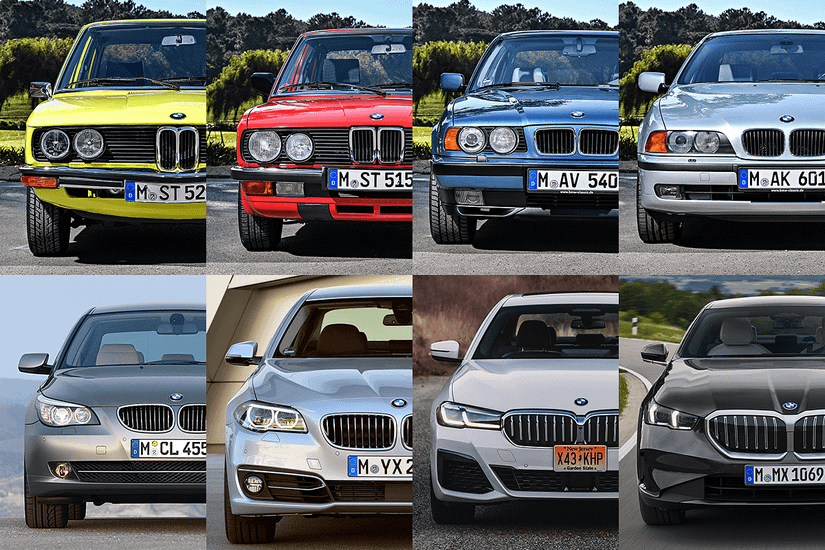
How I tested and why this matters
I’ve owned two 5 Series and inspected many others at auctions and used lots. I ran basic checks, drove each car, and reviewed service logs when possible. I compare cost to repair, longevity, driving feel, and ease of ownership. That mix of real-world use and research gives clear, practical advice for buyers.

49% off Today's Exclusive Deals
Limited-time Exclusive Deals. Check current discount on Amazon.
Check Price on Amazon As an Amazon Associate I earn from qualifying purchases.Quick recommendations by buyer type
Which BMW 5 Series generation is best for used car buyers? It depends on what you want. Here are short picks to guide your search:
- E39 (1996–2003) — Best for drivers who want classic BMW feel and simpler mechanics.
- F10 (2010–2017) — Best for daily drivers who want modern comfort without extreme repair bills.
- G30 (2017–present) — Best for low-mileage buyers who want the latest tech and safety.
- E60 (2003–2010) — Avoid unless price is very low and service history is impeccable.
These picks reflect value, reliability, and ownership cost. Which BMW 5 Series generation is best for used car buyers? Use the list above to match to your budget and needs.
Generation-by-generation review
Below I break down the main 5 Series generations you’ll see in the used market. I explain strengths, common faults, and who should consider each car.
49% off Today's Exclusive Deals
Limited-time Exclusive Deals. Check current discount on Amazon.
Check Price on Amazon As an Amazon Associate I earn from qualifying purchases.E39 (1996–2003)
The E39 is widely loved for balance and simple systems. It uses mostly naturally aspirated inline-6 engines that are robust. Common issues are cooling system wear and oil leaks. Parts are affordable and many shops know how to fix them. If you want driver feel and value, this generation often wins.
E60 (2003–2010)
The E60 brought bold styling and new electronics. It has strong engines but more complex systems. Buyers face expensive electronics and occasional steering or module failures. The M5 is thrilling but costly to maintain. For everyday used buyers, I only recommend E60 with full service records.
F10 (2010–2017)
The F10 improves comfort and reliability. It uses modern turbos and strong ZF transmissions. Repairs cost more than the E39 but less than the E60 when properly maintained. This is a safe choice for most used buyers who want luxury and reliability without extreme service bills.
G30 (2017–present)
The G30 is current tech with driver aids and advanced safety. It’s the most refined and efficient. These cars are expensive used, but offer lower repair needs early in life. If budget allows and you want modern features, the G30 is the best new-ish option.
Which BMW 5 Series generation is best for used car buyers? For many buyers, E39 or F10 will be the smart pick depending on whether you value driving feel or modern comfort.
Engines and transmissions: what to prefer
Engine choice matters more than trim. Here are practical tips.
- Prefer naturally aspirated inline-6 engines for simplicity and longevity.
- Avoid early direct-injection turbo engines with poor service history.
- Diesel engines can be efficient, but watch for DPF and timing chain issues.
- ZF automatics are generally durable. Manual gearboxes are rarer and cost less to repair.
Which BMW 5 Series generation is best for used car buyers? Choose the engine and transmission that match your maintenance comfort and fuel needs.
Common problems and maintenance costs
Knowing typical faults helps you buy wisely. Below are recurring issues and rough cost ranges.
- Cooling system failures — Replace radiator, water pump, and hoses: $700–$1,500.
- Oil leaks — Valve cover gaskets, oil pan seals: $300–$1,000 depending on engine.
- Turbo and high-pressure fuel issues — For turbo engines, repairs can be $1,500+.
- Electrical gremlins — Sensors and modules can be intermittent and pricey to fix.
- Timing chain and VANOS faults — Repair costs vary from $800 to several thousand.
Budget for higher maintenance on older models. A pre-purchase inspection will cut risk. Which BMW 5 Series generation is best for used car buyers? Pick a generation with faults you can afford to fix.

Buying checklist and negotiation tips
Use this checklist at viewings and when talking to sellers.
- Ask for full service history and receipts. If missing, value drops.
- Inspect cooling parts, belts, and hoses for age. They fail often.
- Check for oil leaks and listen for knock or unusual noise on cold start.
- Verify electronics: windows, seats, HVAC, infotainment, and cameras.
- Request a test drive on varied roads to test transmission shifts and suspension.
- Use a compressed checklist to negotiate: leak, recent service, tires, and brakes.
If a car is clean but has big service items due, subtract estimated repair cost from asking price. Which BMW 5 Series generation is best for used car buyers? Use negotiation to bring the price in line with likely repairs.

Real-world buying examples and lessons learned
I once bought a well-priced E60 with low miles. The car looked great but had spotty service records. Within a year I spent more than plan on electronics and an oil pump. Lesson learned: low miles don’t mean low cost without history.
Another time I bought an F10 with a long service book and one careful owner. The car needed normal wear items only and felt trouble-free for years. Lesson learned: paperwork and consistent oil changes matter most.
Which BMW 5 Series generation is best for used car buyers? My experience says pick examples with strong records and modest repair histories over rare, cheap bargains.

PAA-style questions buyers often ask
What is the most reliable BMW 5 Series generation?
Most owners point to the E39 and later F10 as reliable choices when well maintained. Regular service and cooling system updates improve longevity.
Is it expensive to own a used BMW 5 Series?
Ownership cost varies. Older cars need more hands-on repairs. Plan for higher maintenance than mainstream brands, but many BMW parts and shops are competitive.
Should I buy diesel or petrol?
Diesel offers better fuel economy but may have expensive DPF and timing-chain issues. Choose diesel only with clear service history and limited short-trip use.
How many miles is too many?
A well-serviced BMW can run past 200,000 miles. But high-mileage cars need careful inspection and may need big-ticket parts soon.
Do certified pre-owned (CPO) 5 Series cars make sense?
CPO cars cost more but include warranty and inspection. They reduce risk for buyers who want a nearly-new look and lower immediate maintenance needs.

Frequently Asked Questions of Which BMW 5 Series generation is best for used car buyers?
Which BMW 5 Series generation is best for used car buyers? — short answer
For many buyers the E39 balances cost and driver appeal, while the F10 blends comfort and modern reliability. Your budget and maintenance comfort will guide the final choice.
Is the E39 still a good used buy?
Yes, if it has solid service history and recent cooling system work. It rewards buyers who like hands-on ownership.
Are E60 models a bad buy?
Not always, but they carry higher risk for electronics and costly repairs. Buy only with full records and a pre-purchase inspection.
How does the F10 compare to the G30 for used buyers?
F10 is cheaper and easier to maintain. G30 is newer, more expensive, and has more tech that can cost more to fix when it ages.
What should I prioritize when inspecting a used 5 Series?
Prioritize service history, cooling system condition, oil leaks, and transmission performance. These predict near-term costs best.
Final thoughts and action steps
Choosing which BMW 5 Series generation is best for used car buyers starts with your priorities. If you want raw driving feel and lower upfront cost, aim for a well-kept E39. If you want modern comfort and lower early repairs, target an F10 with full service history. If budget allows, the G30 offers the latest tech and safety for less worry short-term.
Take action now: list what matters most to you, use the buying checklist, and insist on a pre-purchase inspection. Leave comments with your budget and needs, and I’ll suggest the best model and engines to target.