Yes — the Ford Explorer handles towing well for light to medium trailers when properly equipped.
I’ve tested and researched the Explorer for years, and I can tell you when it shines and when to be careful. This article digs into towing specs, real-world experience, safety tips, payload limits, and upgrades so you can decide if the Ford Explorer is right for your towing and heavy-load needs. Read on to learn how the Explorer performs on the road, what models tow best, and practical steps to safely haul heavier loads.
49% off Today's Exclusive Deals
Limited-time Exclusive Deals. Check current discount on Amazon.
Check Price on Amazon As an Amazon Associate I earn from qualifying purchases.
Quick overview: towing capacity, engines, and trims
The short answer to "Is the Ford Explorer good for towing and heavy loads?" depends on the model year, engine, and Options. Modern Explorers offer towing capacities that range from roughly 2,000 to 5,600 pounds in stock form. Higher towing numbers come with the turbocharged V6 and the factory tow package. The SUV uses features like trailer sway control and upgraded cooling to help with towing.
- Towing range by typical engine setups
- Base turbo four-cylinder: around 2,000 to 3,500 pounds.
- Turbocharged V6 (available): up to about 5,600 pounds with tow package.
- Hybrid variants: lower towing capacity due to battery weight and cooling limits.

49% off Today's Exclusive Deals
Limited-time Exclusive Deals. Check current discount on Amazon.
Check Price on Amazon As an Amazon Associate I earn from qualifying purchases.How towing capacity and payload differ
People often confuse towing capacity with payload. Towing capacity is the max weight the Explorer can pull behind it. Payload is how much weight you can put inside the vehicle. Both matter when you haul heavy loads.
- Key differences
- Towing capacity affects trailers, boats, and campers.
- Payload affects passengers, cargo in the cabin, and tongue weight.
- Exceeding either can harm handling, brakes, and drivetrain life.
Safety systems and towing tech on the Explorer
The Explorer comes with electronics that help with towing and heavy loads. These systems improve control and reduce driver stress.
- Common towing features
- Trailer sway control helps stabilize the trailer during crosswinds or sudden steering.
- Tow/Haul mode adjusts transmission shift points for better power under load.
- Integrated trailer brake controller is available on some trims for smoother braking.
- Heavy-duty cooling and upgraded hitch receivers on tow packages support sustained towing.
49% off Today's Exclusive Deals
Limited-time Exclusive Deals. Check current discount on Amazon.
Check Price on Amazon As an Amazon Associate I earn from qualifying purchases.Real-world performance and personal experience
I’ve towed mid-size boats and cargo trailers with an Explorer for short road trips and work runs. With the V6 and tow package, acceleration on grades felt confident. Without the tow package, some long climbs made the engine work hard and temperatures rise.
- Observations from use
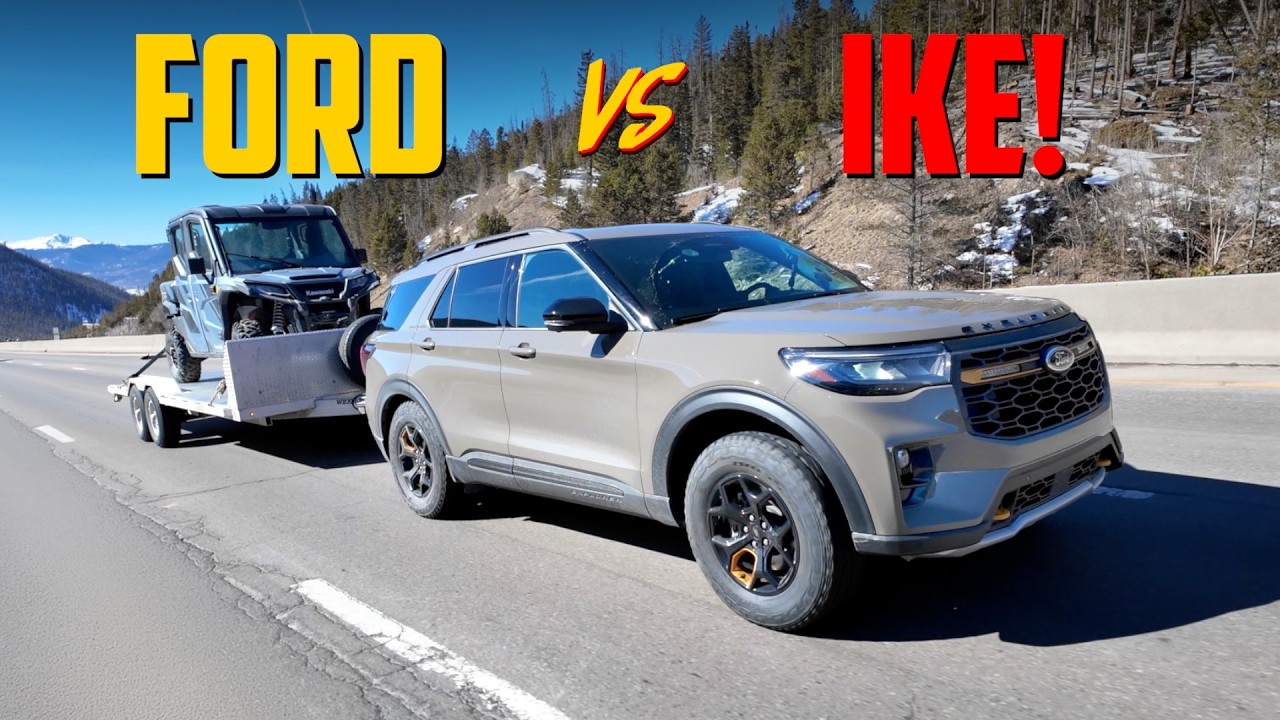
- Properly equipped Explorer handled 5,000-pound trailers on highway runs with no drama.
- Fuel economy drops significantly while towing; expect 30–50% worse MPG.
- Stopping distances increase; trailer brakes and lower speeds help control this.
Limitations and risks when hauling heavy loads
Knowing limits keeps you safe and saves money. The Explorer is not a full-size truck. It has frame and cooling limits that matter when you tow regularly or near max capacity.
- Common limits
- Continuous heavy towing heats the transmission and engine; tow package cooling is important.
- Payload-capacity constraints can lead to overloaded rear axles if you load the cabin and hitch improperly.
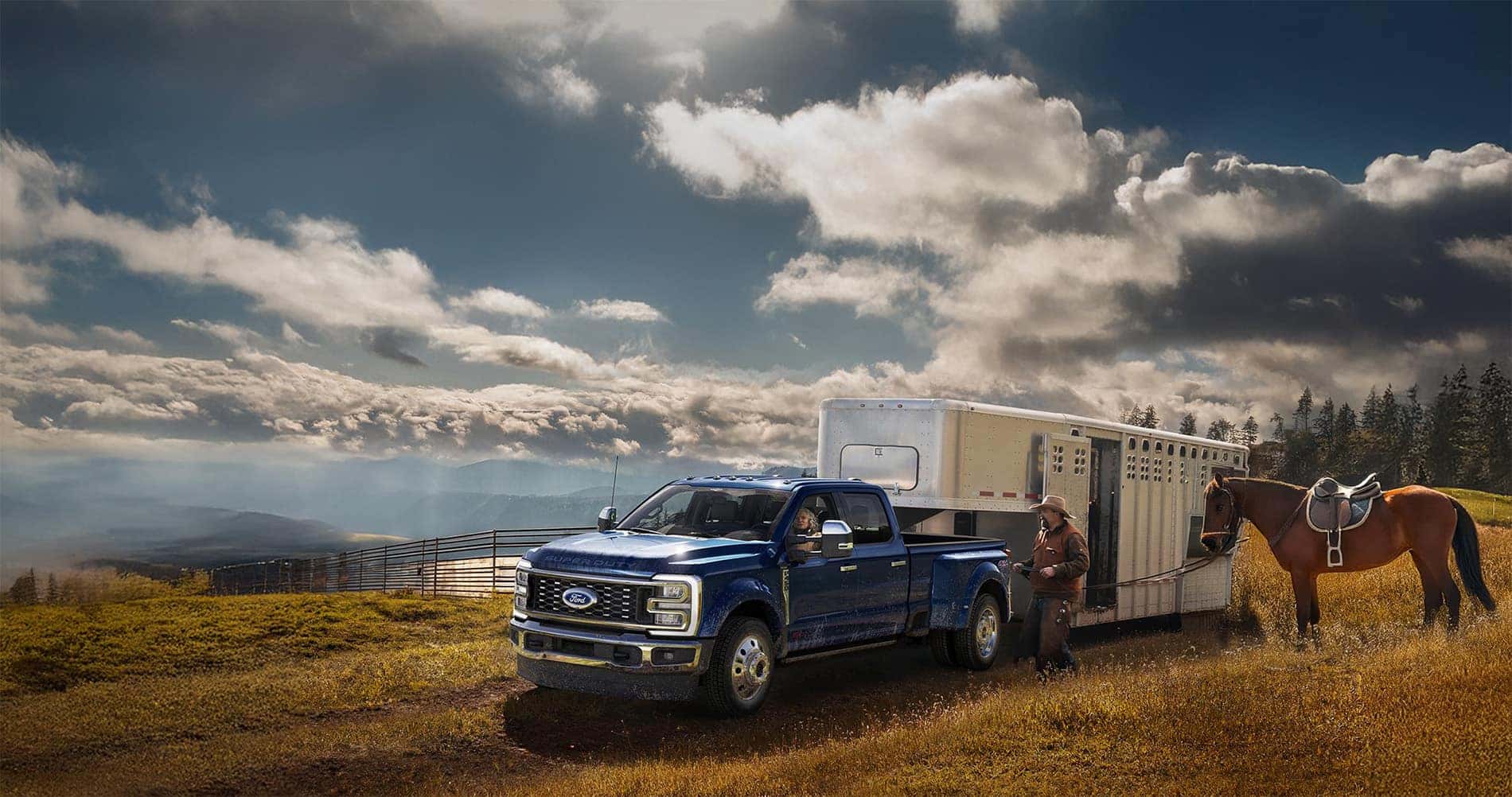
- Off-road towing or steep grades can exceed rated limits even if sticker capacity looks sufficient.
Upgrades and best practices to boost towing performance
You can improve towing safety and comfort with a few upgrades and simple habits. These changes reduce wear and increase control.
-
Recommended upgrades
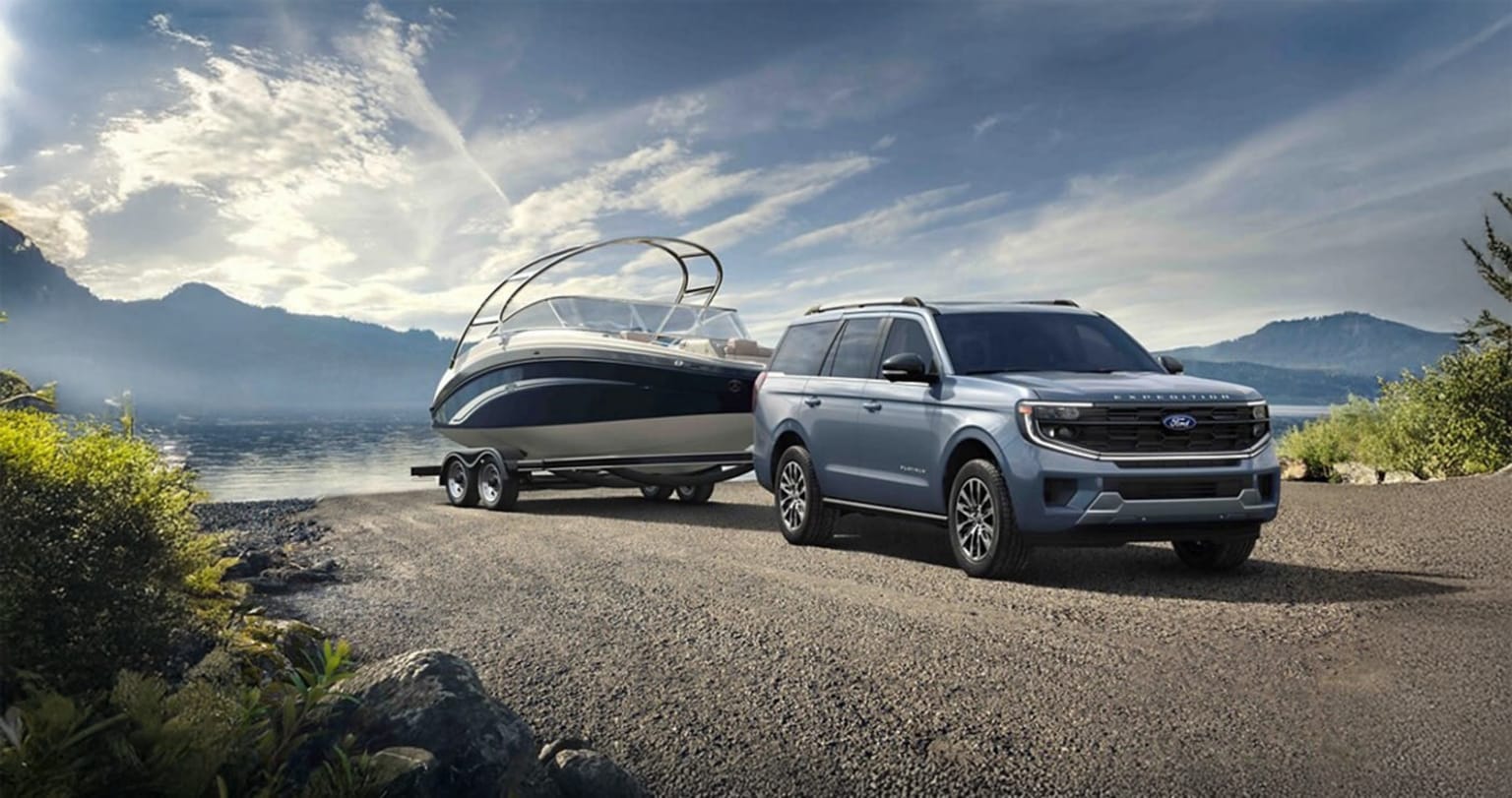
- Install the factory tow package where possible for cooling and hitch upgrades.
- Add a weight-distribution hitch and sway control for larger trailers.
- Use an integrated or aftermarket trailer brake controller for heavier loads.
- Upgrade tires and brakes to towing-rated options for better heat management.
-
Best habits
- Check gross combined weight rating (GCWR) before every trip.
- Distribute trailer load so tongue weight is about 10–15% of trailer weight.
- Inspect cooling fluids, transmission fluid, and brakes before heavy trips.
Cost, fuel, and lifetime considerations
Towing wears parts faster and increases service costs. Expect more frequent brake, tire, and fluid changes when you tow regularly.
- What to budget for
- Reduced MPG and more fuel stops on trips.
- More frequent brake pad and rotor replacements.
- Possible earlier transmission service if towing near max capacity without proper cooling.
Practical examples and use cases
Here are scenarios to help you see if the Explorer fits your needs. Match your load to the model and options.
- Light weekend towing
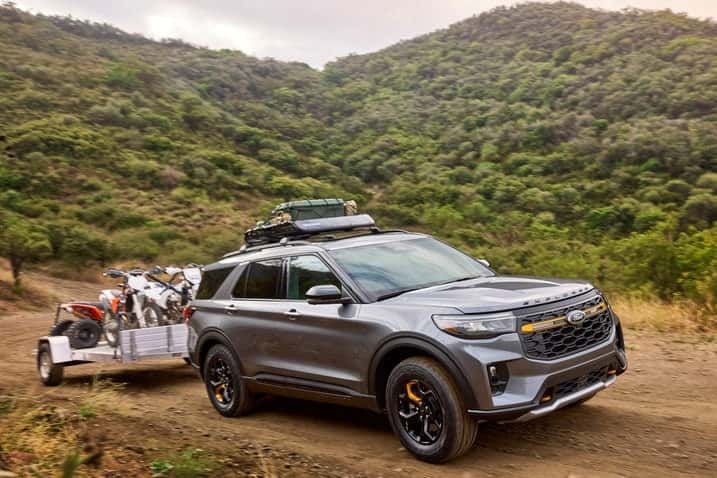
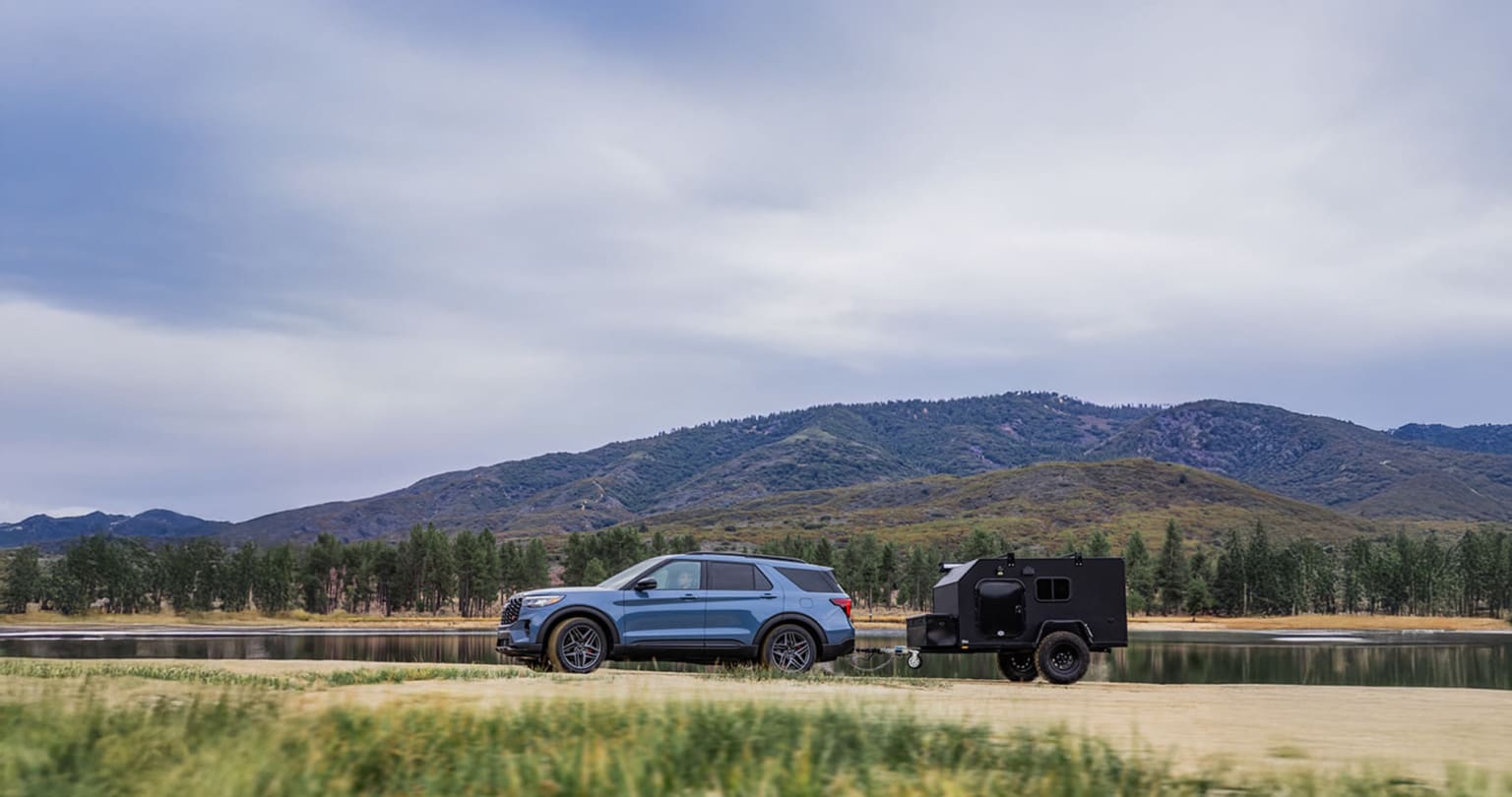
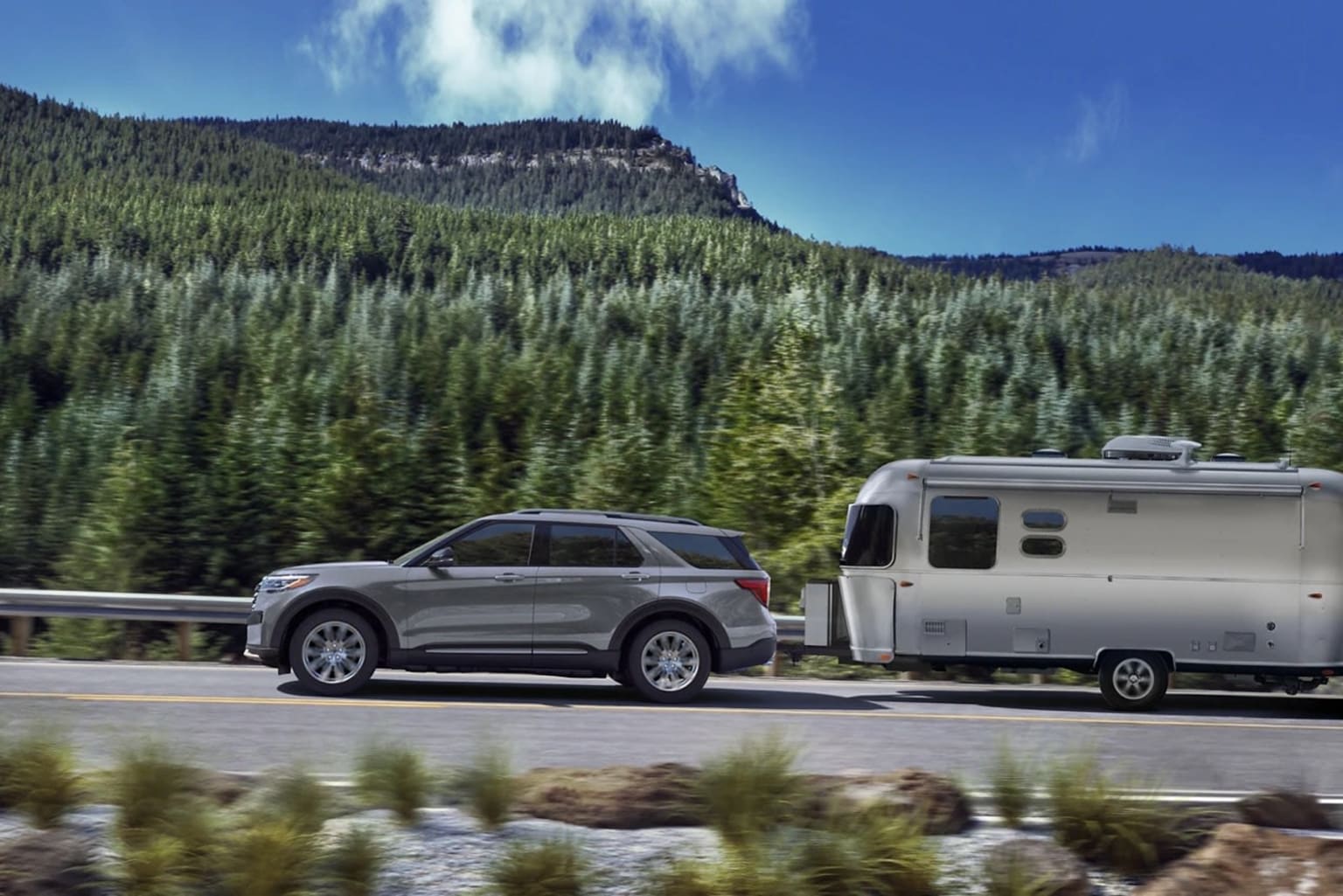
- Small utility trailers, lightweight boats, and campers under 3,000 pounds work well with most Explorer trims.
- Medium-duty towing
- For 3,500–5,600 pounds, choose the V6 with factory tow package and trailer brakes.
- Heavy or frequent towing
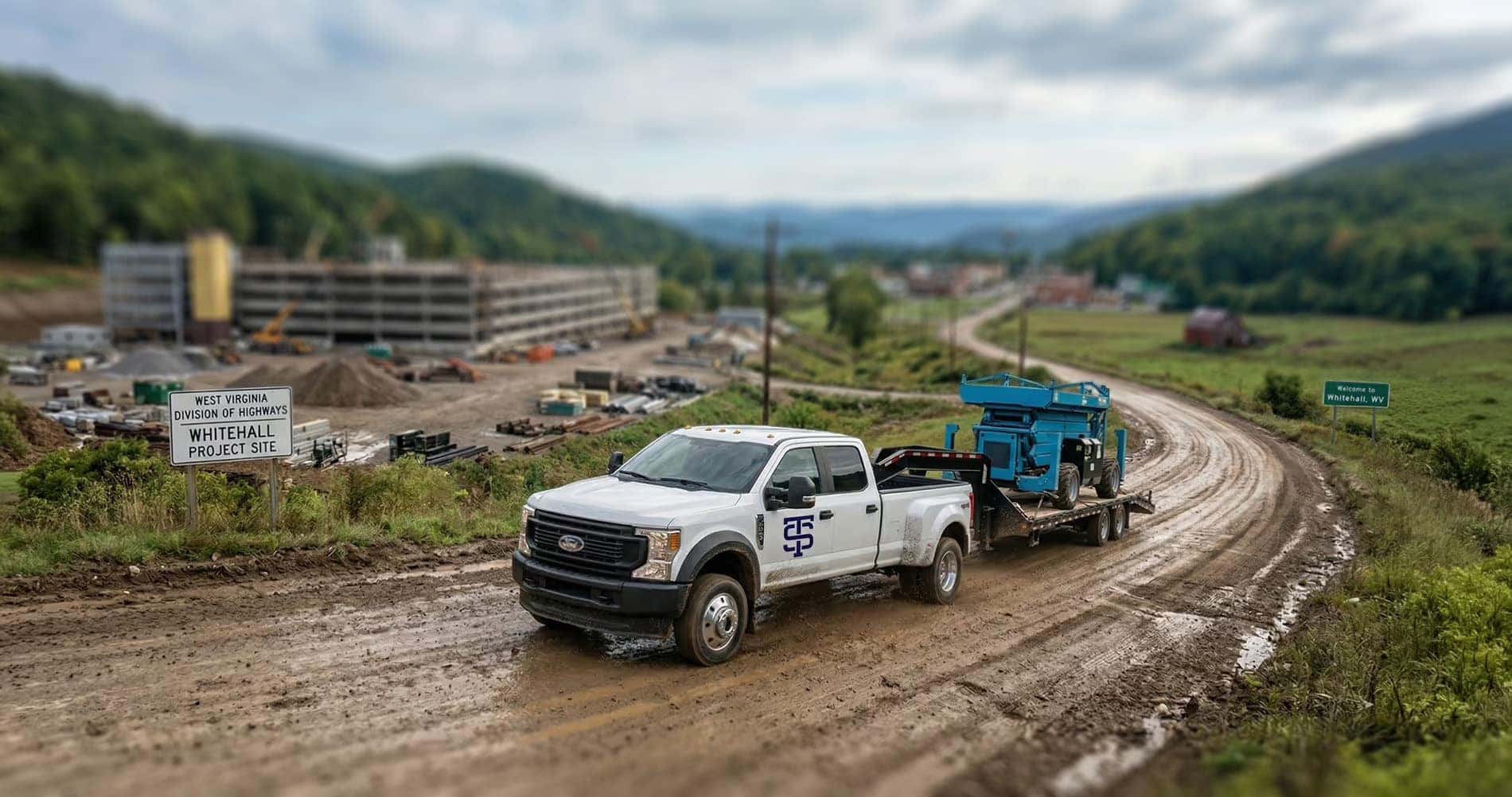
- If you plan frequent towing near 5,000+ pounds, consider a larger SUV or a truck for long-term durability and safety.
Tips for safe towing with an Explorer
Simple steps keep you legal and safe on the road. Follow these checks before and during every tow.
-
Pre-trip checklist
- Verify curb weight, payload, and trailer weight. Do not exceed ratings.
- Secure load and check lights and brakes on the trailer.
- Confirm tire pressures on truck and trailer.
-
- Accelerate and brake early and gently.
- Keep speeds moderate and allow more following distance.
- Use lower gears on long descents and engage tow/haul mode when needed.
Frequently Asked Questions of Is the Ford Explorer good for towing and heavy loads?
Is the Ford Explorer good for towing and heavy loads?
Yes, when properly equipped the Explorer can tow between about 2,000 and 5,600 pounds. The turbo V6 with the tow package is best for heavier loads.
Can a Ford Explorer tow a small camper?
Yes, many small campers under 5,600 pounds can be towed by the Explorer with the right engine and tow package. Always check the camper weight, payload, and tongue weight first.
Do I need a special tow package to haul heavy loads?
You don’t always need it, but the tow package adds cooling, hitch upgrades, and wiring that make heavy towing safer and more reliable. It’s recommended for frequent or heavy towing.
How does towing affect fuel economy in the Explorer?
Towing reduces fuel economy significantly, often by 30–50% depending on load and driving conditions. Plan for more fuel stops and higher trip costs.
Is it better to get a truck instead of an Explorer for hauling heavy loads?
If you plan to tow heavy loads often or exceed 5,600 pounds, a full-size truck is usually a better long-term choice. The Explorer is best for moderate towing needs.
Conclusion
The Ford Explorer is a solid choice for towing and heavy loads when you pick the right engine, add the factory tow package, and follow safe towing practices. It handles weekend trails, boats, and mid-weight campers well, but it is not a replacement for a full-size truck when you tow often at the top end of capacities. Use the tips here, check your vehicle ratings before every trip, and upgrade brakes and hitch gear if you plan to tow regularly. Try a test tow with your intended trailer to see how the Explorer feels, and if you found this guide useful, leave a comment or subscribe for more towing tips.