The Ford Explorer offers up to 87.8 cubic feet of cargo space with seats folded.
I’ve measured, packed, and lived with Explorers for years, so I know how their cargo volume works in real life. This guide breaks down how much cargo space does the Ford Explorer offer? by seat layout, trim, and real-world use. Read on for clear specs, packing tips, comparisons, and practical advice to help you plan trips, moves, or daily hauling.
49% off Today's Exclusive Deals
Limited-time Exclusive Deals. Check current discount on Amazon.
Check Price on Amazon As an Amazon Associate I earn from qualifying purchases.
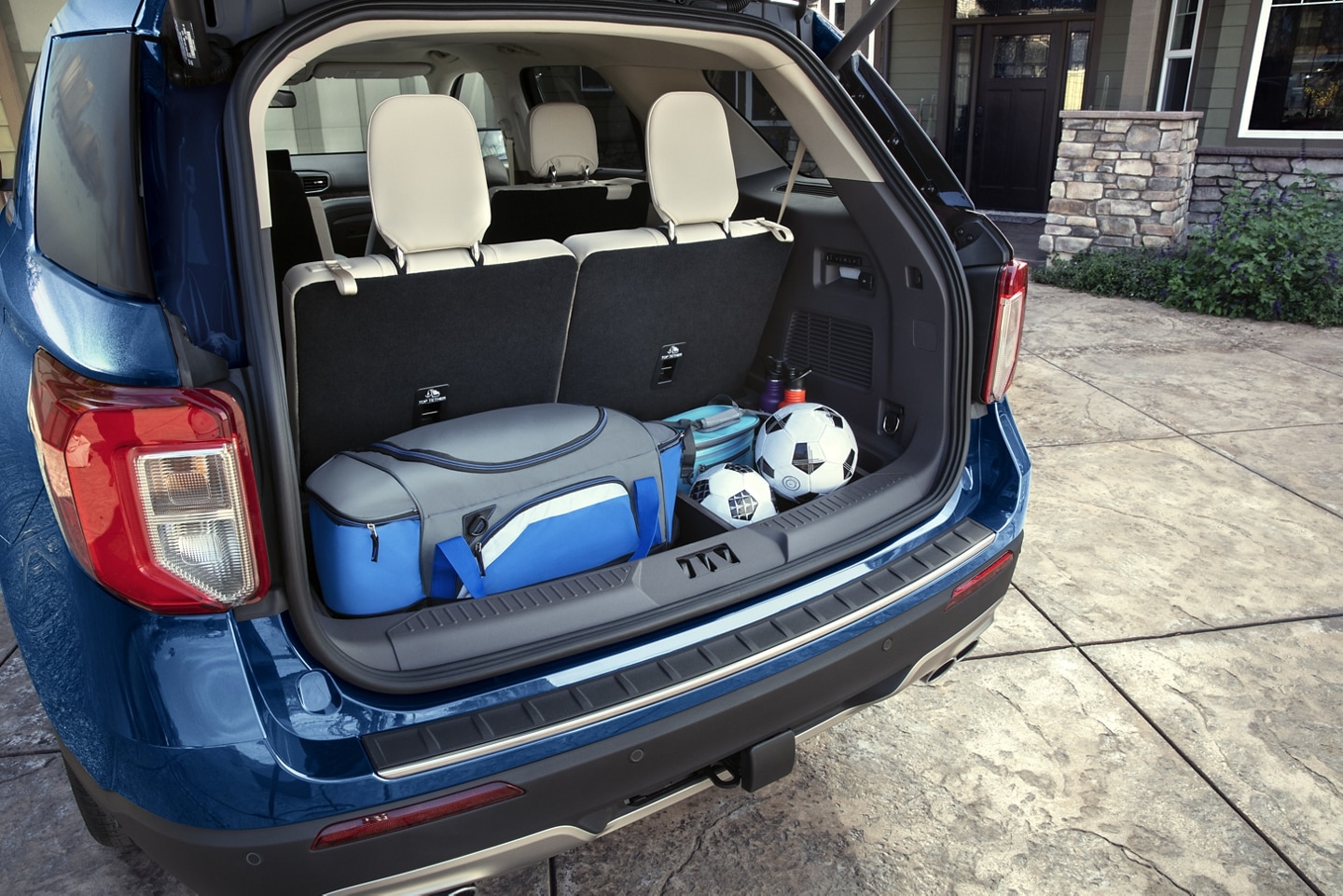
Overview: How much cargo space does the Ford Explorer offer?
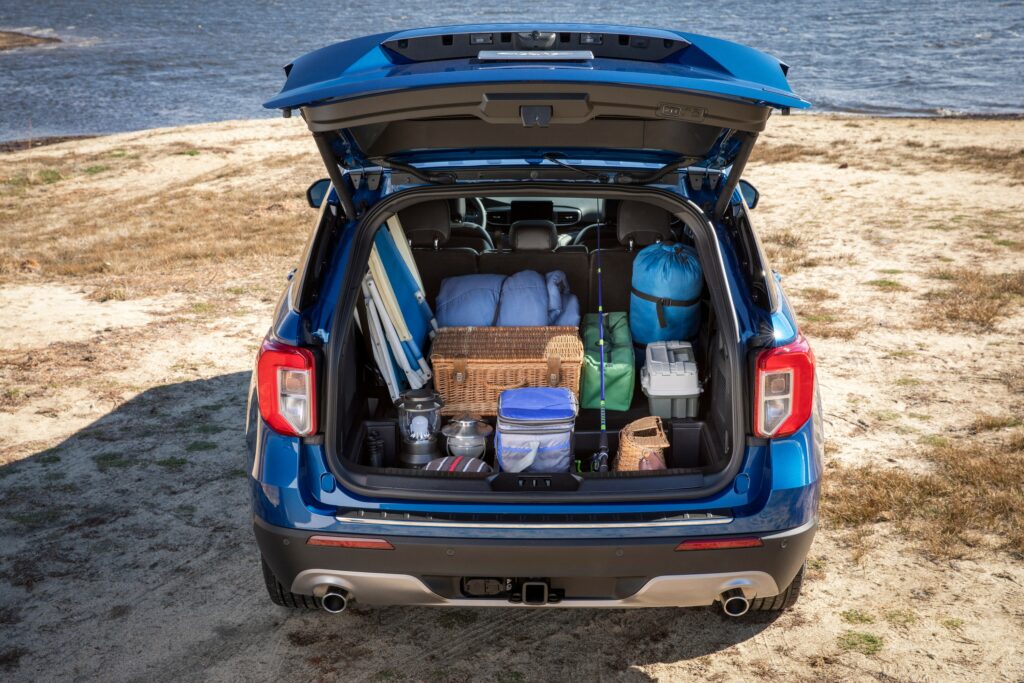
The Ford Explorer is a midsize SUV built to be family-friendly and cargo-capable. When someone asks how much cargo space does the Ford Explorer offer, they usually mean three numbers: cargo behind the third row, behind the second row, and with all seats folded. The typical modern Explorer delivers about 18.2 cubic feet behind the third row, roughly 47.9 cubic feet behind the second row, and up to about 87.8 cubic feet with both rear rows folded. These figures can vary slightly by model year and trim.
This SUV offers flexible cargo shapes. The cargo floor is reasonably flat when seats fold. The rear hatch opens wide for easy loading. That makes the Explorer useful for strollers, luggage, and bulky gear.
49% off Today's Exclusive Deals
Limited-time Exclusive Deals. Check current discount on Amazon.
Check Price on Amazon As an Amazon Associate I earn from qualifying purchases.
Cargo dimensions by seating configuration
How much cargo space does the Ford Explorer offer depends on how you use the seats. Below are the common layouts and what you can expect.
- Behind third row
- Around 18.2 cubic feet of space. This fits several grocery bags, a couple of suitcases, or a stroller.
- Behind second row
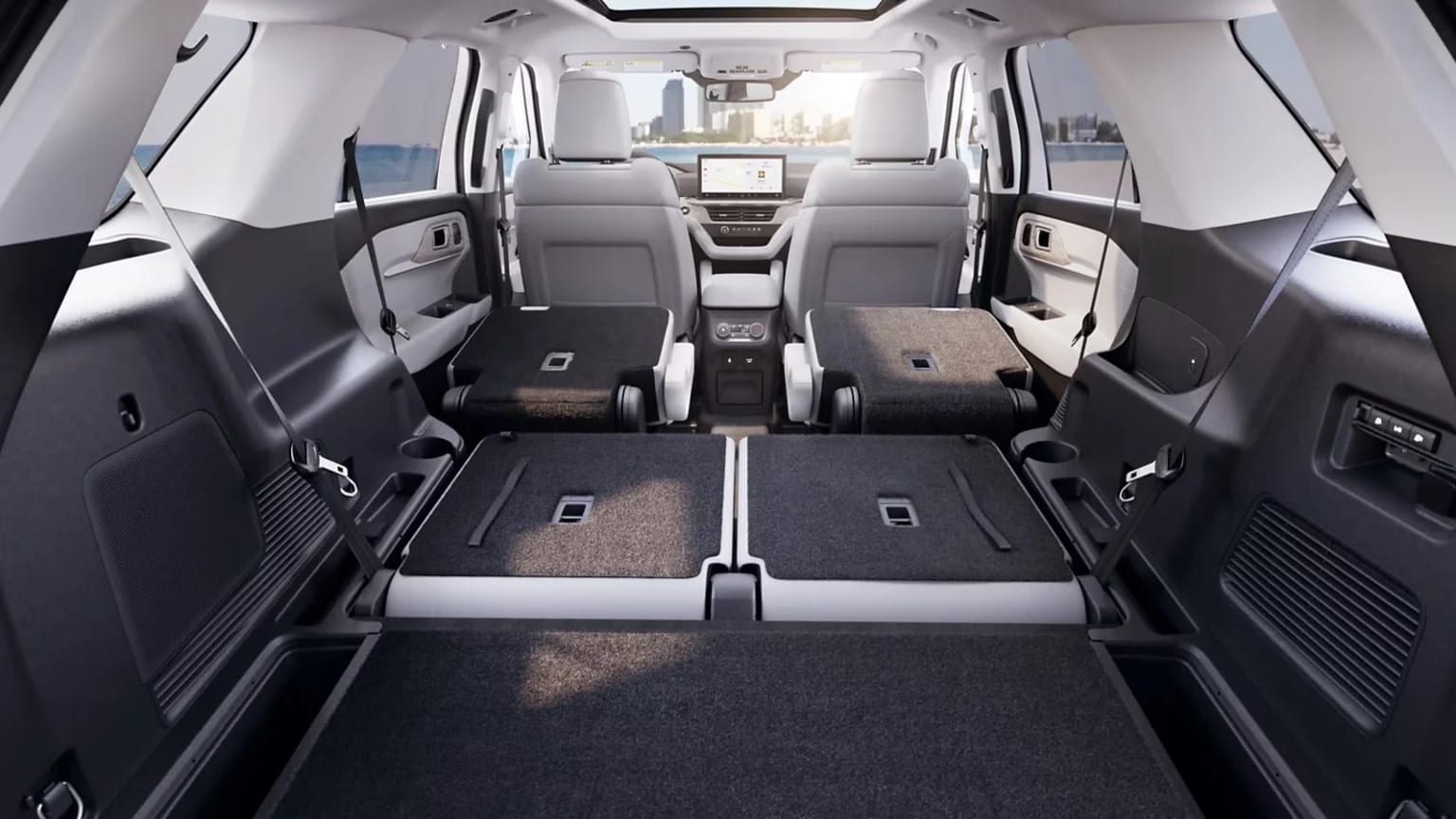
- About 47.9 cubic feet when the third row is folded. Good for medium moves and longer trips.
- Maximum cargo volume
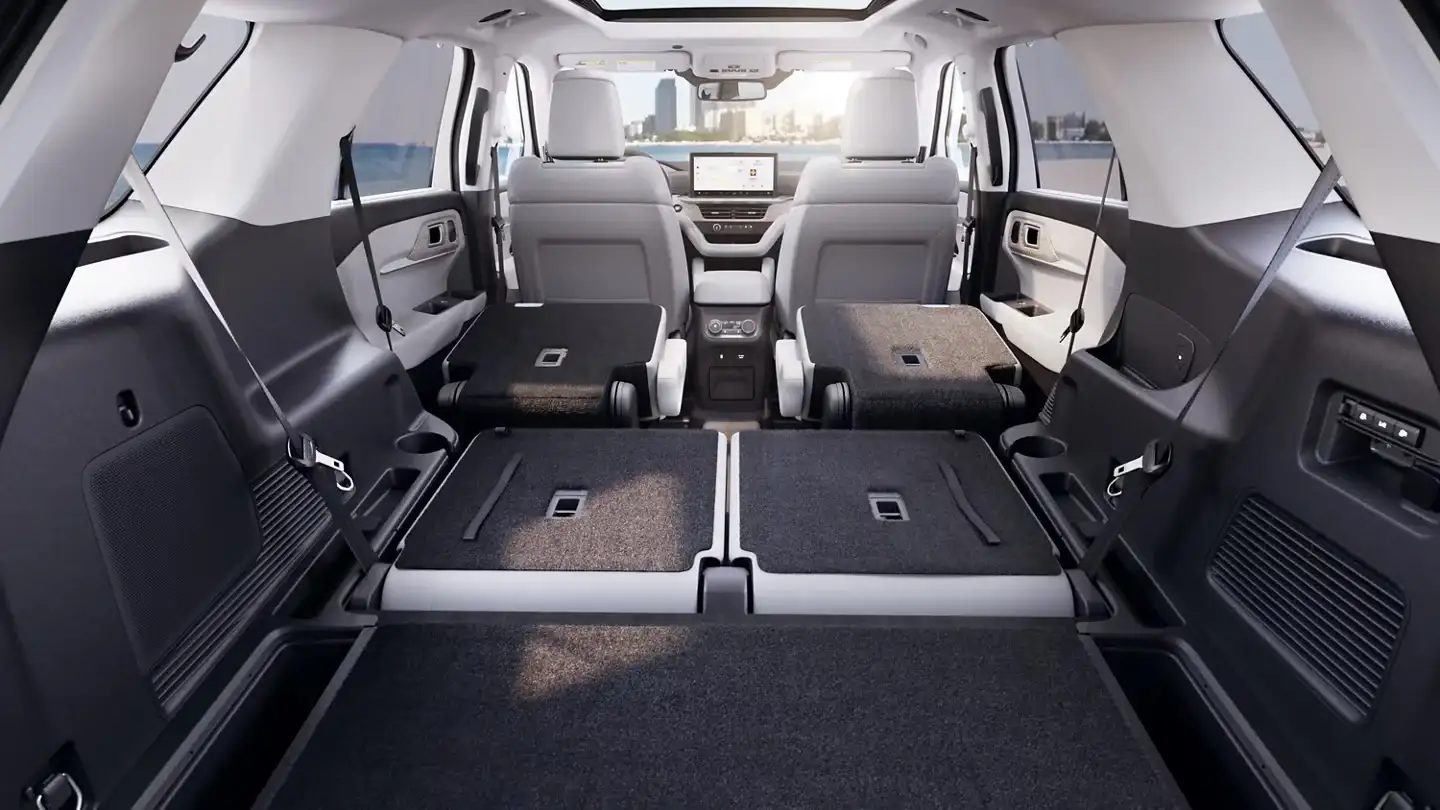
- Up to roughly 87.8 cubic feet with second and third rows folded. This is large enough for mattresses, large boxes, or substantial camping gear.
Keep in mind that hybrid or performance variants may shave off a little cargo space because of battery placement or different floor frames. Optional cargo-management nets and underfloor bins help with small-item storage.

49% off Today's Exclusive Deals
Limited-time Exclusive Deals. Check current discount on Amazon.
Check Price on Amazon As an Amazon Associate I earn from qualifying purchases.Features that affect cargo space and usability
Several features change how much cargo space does the Ford Explorer offer in practice. Know these when you shop or plan a load.
- Seat folding design
- Split-folding rear seats make it easier to mix passengers and cargo.
- Flat load floor
- Many models fold flat for a level surface. That helps with wide boxes and long items.
- Underfloor storage
- Small compartments hide tools, emergency kits, and valuables.
- Roof rails and crossbars
- Add roof cargo to expand carrying capacity without reducing passenger space.
- Cargo tie-downs and nets
- Keep gear from shifting during travel.
These features make the usable space feel larger than raw cubic feet numbers suggest.

Real-world examples and use cases
Numbers help, but examples show what to expect. Here are real loads I’ve packed in Explorers and tips from hands-on use.
- Family road trip
- Four people, four suitcases, two duffel bags, and a cooler fit with room to spare when the third row is folded.
- Moving a small apartment
– With 87.8 cubic feet available, small furniture and several boxes can fit in a few trips. - Outdoor gear
- Bikes with front wheels off can fit inside with seats down. Roof rack helps for kayaks and skis.
- Grocery and daily errands
- The 18.2 cubic feet behind the third row is enough for weekly groceries and a dog crate.
My tip: fold the third row first for best balance between cargo and passenger space. Keep heavier items low and toward the rear seats for safe handling.
How to measure and verify cargo volume yourself
If you want to test how much cargo space does the Ford Explorer offer for your needs, try this simple check.
- Measure longest load
- Use a tape to find max length from the tailgate to the folded-seat back.
- Measure width and height
- Check the distance between wheel wells and height to the roof or cargo cover.
- Do a mock load
- Place the items you plan to carry in the vehicle to test fit and access.
Numbers can be misleading. Personal testing shows whether the SUV serves your daily life.

Tips to maximize and protect cargo space
Small changes improve practicality. Here are actionable tips I use.
- Use soft bags
- Soft luggage molds better to irregular spaces than hard suitcases.
- Fold seats in the right order
- Fold the third row first, then the second row for the flattest floor.
- Invest in organizers
- Stackable bins and cargo nets prevent spills and shifting.
- Protect the floor
- A rubber cargo mat shields the carpet from dirt and scratches.
- Think vertical
- Pack tall items upright near the tailgate when safe to do so.
These habits help you get the most from how much cargo space does the Ford Explorer offer.

Comparison: How the Explorer stacks up
If you compare how much cargo space does the Ford Explorer offer with similar SUVs, the Explorer sits in a strong spot.
- Against smaller compact SUVs
- Explorer offers far more maximum volume and cargo versatility.
- Against mid-size rivals
- Explorer is competitive on maximum cargo but can vary slightly by competitor model and trim.
- Against three-row focused SUVs
- Some larger crossovers have more maximum cubic feet, but the Explorer balances space with driving dynamics.
If cargo capacity is the top priority, compare the exact cubic-foot specs for the model years you’re considering. Trim and hybrid choices can change the numbers.
Common cargo questions (PAA-style)
How much cargo space does the Ford Explorer offer with all seats up?
- With all seats in use, expect around 18.2 cubic feet behind the third row in typical models.
Will a full-size mattress fit inside an Explorer with seats folded?
- It depends on mattress size. A twin or full may fit with seats down. A queen usually needs roof transport or a small trailer.
Does the hybrid Explorer lose cargo space?
- Hybrid variants can have slightly less usable volume due to battery placement, but the loss is usually small and depends on year and trim.
Can I carry bikes inside the Explorer?
- Yes. Removing front wheels often lets bikes fit inside. Use straps or padding to protect interior surfaces.
Are cargo accessories available from the factory?
- Yes. Roof racks, cargo liners, and cargo organizers are available as dealer options or accessories.
Personal lessons and mistakes to avoid
From my years of loading Explorers, a few lessons stand out.
- Don’t assume capacity equals convenience
- Even with large cubic feet, awkward shapes can limit usefulness.
- Distribute weight evenly
- Heavy loads only in the rear can impact handling.
- Measure before buying
- Always test-fit long items before final purchase.
- Use the right accessories
- A good cargo mat and organizer save time and protect your vehicle.
These small choices made my trips smoother and kept the interior in better condition.
FAQs about How much cargo space does the Ford Explorer offer?
How much cargo space does the Ford Explorer offer behind the third row?
Most modern Explorers offer about 18.2 cubic feet behind the third row, enough for groceries or small luggage.
How much cargo space does the Ford Explorer offer with the third row folded?
With the third row folded, you can expect roughly 47.9 cubic feet, which suits long trips and larger loads.
How much cargo space does the Ford Explorer offer with all seats folded?
With the second and third rows folded, the Explorer reaches about 87.8 cubic feet of cargo space for maximum use.
Does the Explorer Hybrid have less cargo space?
Hybrid models may have slightly reduced cargo area due to battery placement, but the difference is generally small.
How do I maximize the cargo space in my Explorer?
Fold the third row first, use soft bags, use cargo organizers, and secure heavy items low and centered for best results.
Can the Explorer carry a king-size mattress?
A king-size mattress typically won’t fit inside; consider a rooftop carrier or trailer for very large items.
Is the cargo floor flat when seats are folded?
Many Explorer models fold to a near-flat floor, making loading and stacking easier, though exact flatness can vary by trim.
Conclusion
Knowing how much cargo space does the Ford Explorer offer helps you decide if it fits your life. The Explorer gives flexible space—about 18.2 cubic feet behind the third row, roughly 47.9 cubic feet behind the second row, and up to about 87.8 cubic feet with seats folded. Test-fit your items, use smart packing tricks, and choose accessories to match your needs. If you want reliable cargo versatility for family trips, DIY projects, or outdoor gear, the Explorer is a solid choice.
Try measuring your usual loads, compare model trim specs, and then take a test drive with your gear. Leave a comment with what you haul most often or subscribe for more practical vehicle guides.